Bird banding at Dolly Sods offers a window into fall migration
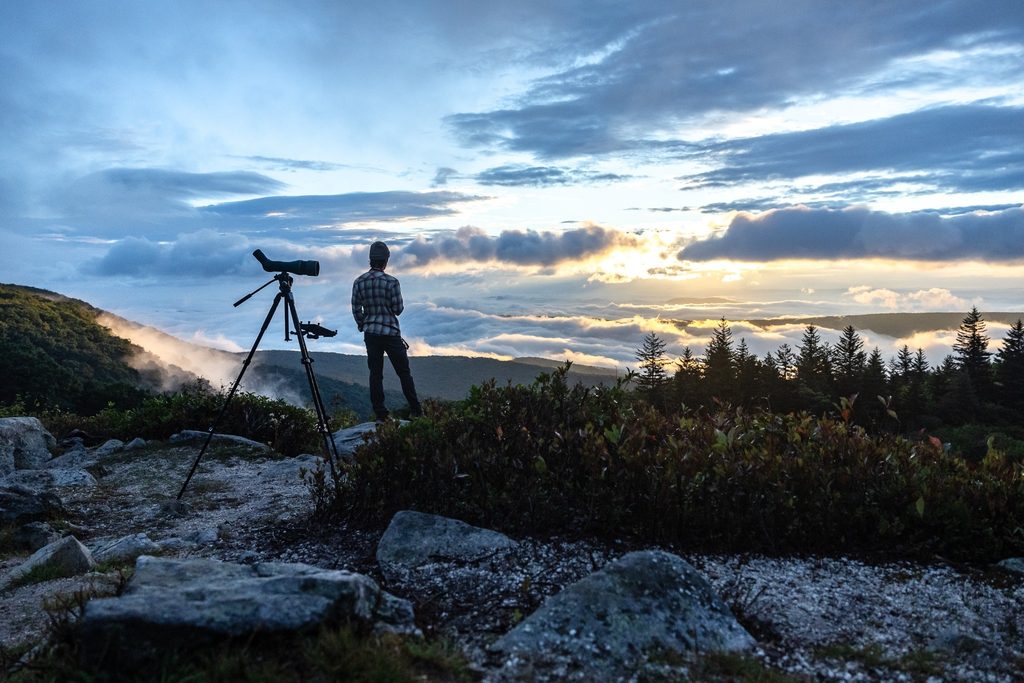
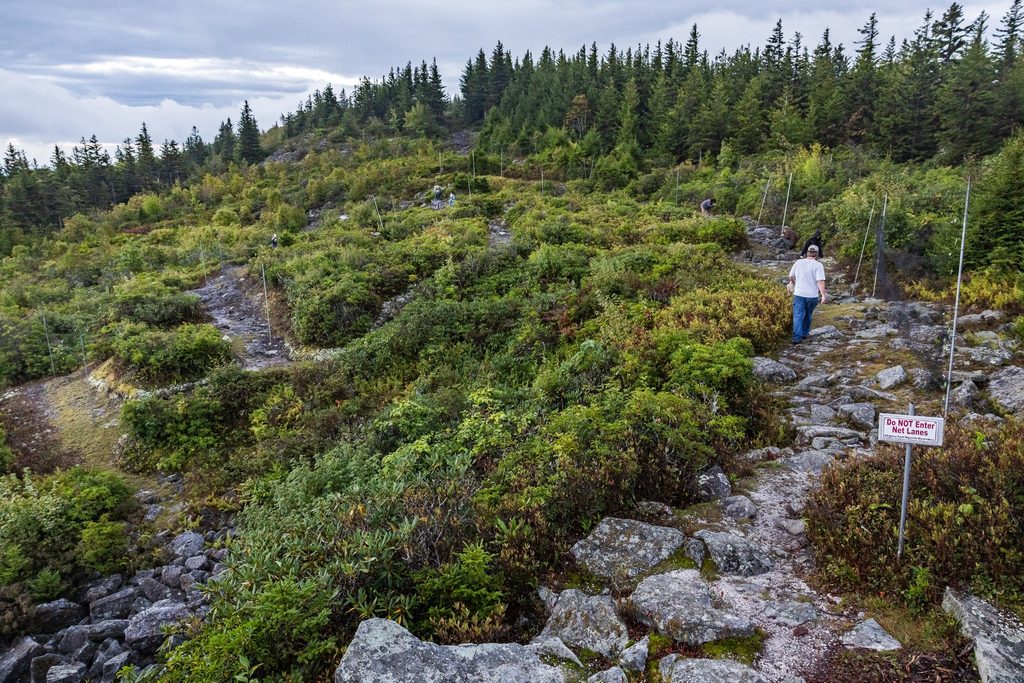
As the first light of day opens on the ridgeline of Dolly Sods, a crew of researchers and volunteers waits in anticipation of something other than the beautiful scene unfolding in front of them.
By Vanta Coda III, RealWV
Disclaimer: All birds are captured and banded under a federal permit issued by the Bird Banding Laboratory, part of the U.S. Geological Survey, and under a state permit issued by the West Virginia Department of Natural Resources.
DOLLY SODS, W.Va — As the first light of day opens on the ridgeline of Dolly Sods, a crew of researchers and volunteers waits in anticipation of something other than the beautiful scene unfolding in front of them.
One of the group stands and looks up, craning their neck to the south side of the ridge, squinting. Suddenly, they break the silence: “I think we got one.”
A few more people stand up; this time, they use the binoculars around their necks and confirm what the other person said. They look back to the man sitting in a white shed; LeJay Graffious, one of the head operators at the Allegheny Front Migration Observatory (AFMO), the oldest continuous bird banding station in North America run by the Brooks Bird Club.
“Alright, let’s start,” he says.
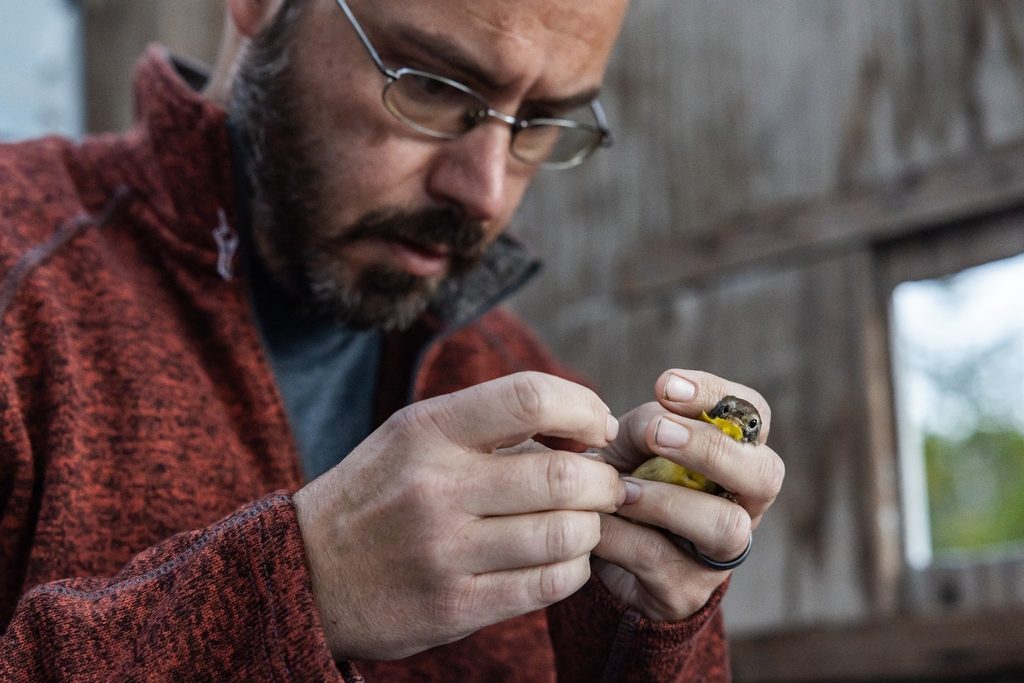
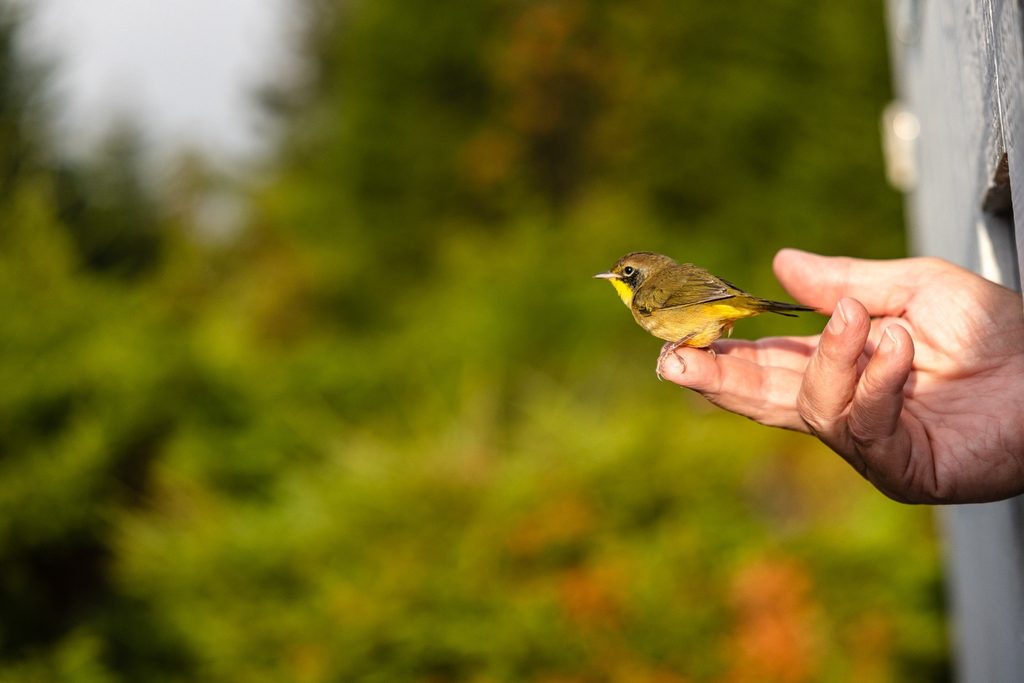
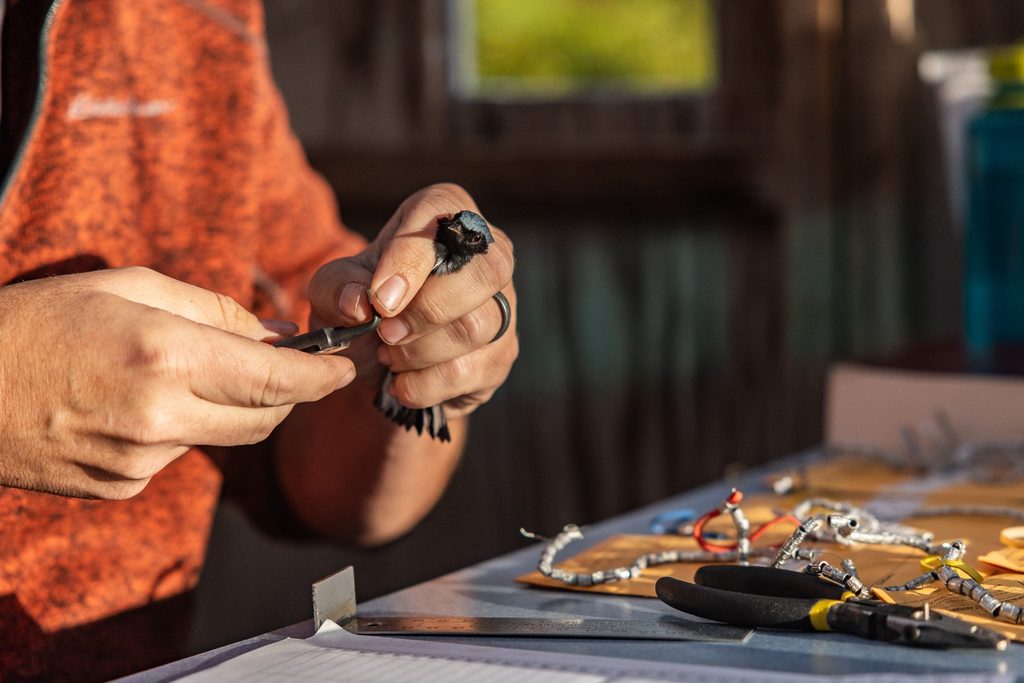
Minutes later, Aster Yu, an intern for AFMO, returns from the mist nets that line the edge of the ridge and brings a paper bag to Graffious. Graffious reaches inside and pulls out a Swainson’s thrush, a migratory bird bound for Central or South America bound for fall migration.
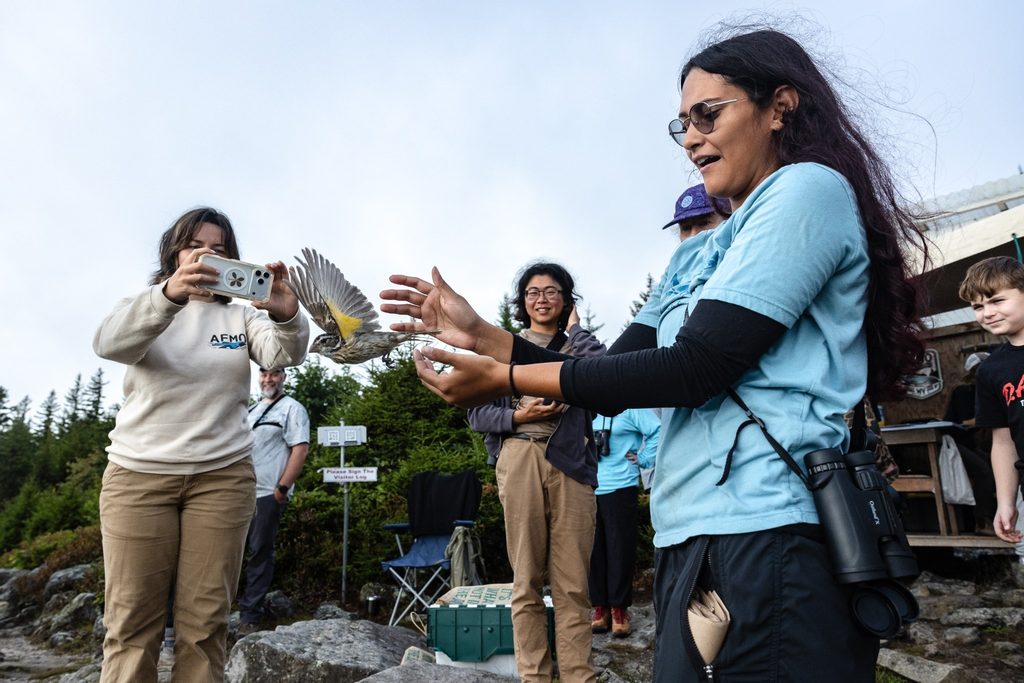
Graffious hands the bird to Dr. Joseph Niederhauser, who is banding birds that day, and within a couple of minutes, the bird is banded and released, continuing its long migration south toward its wintering grounds in Central and South America.
This is typically what a morning looks like at AFMO, as bird enthusiasts, researchers, and wildlife career workers volunteer to retrieve, band, log, and, starting this year, e-tag birds, and conduct morning flight counts from late August to early October.
“We now have a Motus tower,” Graffious said. “The Motus tower allows us to track an electronic tag on a bird, giving us so much more data than hundreds of normal bands could. With this new system, we’re moving to a more modern approach. As of right now, this is our first year with a temporary modus tower. Hopefully, next year, we’ll be in a position to conduct a scientific study on one specific species and follow that bird species.”
Aaron Graham records morning flight counts, monitoring nocturnally migrating birds as they reorient or continue flying into the morning. The data that Graham is collecting helps researchers better understand migration through the Appalachian region.
Graham has a sharp ear for chirps, sounds, and in-flight noises. His ability to quickly hone in on flying birds with both his camera and binoculars makes it easy for him to track and record his findings on a data monitoring system called Trektellen.
Since opening in 1958, the AFMO has banded close to half a million birds. Graffious, who worked as a teacher and principal for more than 36 years in Preston and Monongalia counties, has volunteered and served as operations lead since the 1970s. Graffious and a small team built the permanent shed structure the AFMO uses as its primary banding station in 1980.
Beyond the technical aspects and real-time data the banding station collects, visitors to Dolly Sods can watch the station’s operations, learn about the birds being banded, and even help release banded birds with volunteers and interns.
Ariella Malfaro, an education and communications intern from Frostburg State University, said this is important for teaching the public.
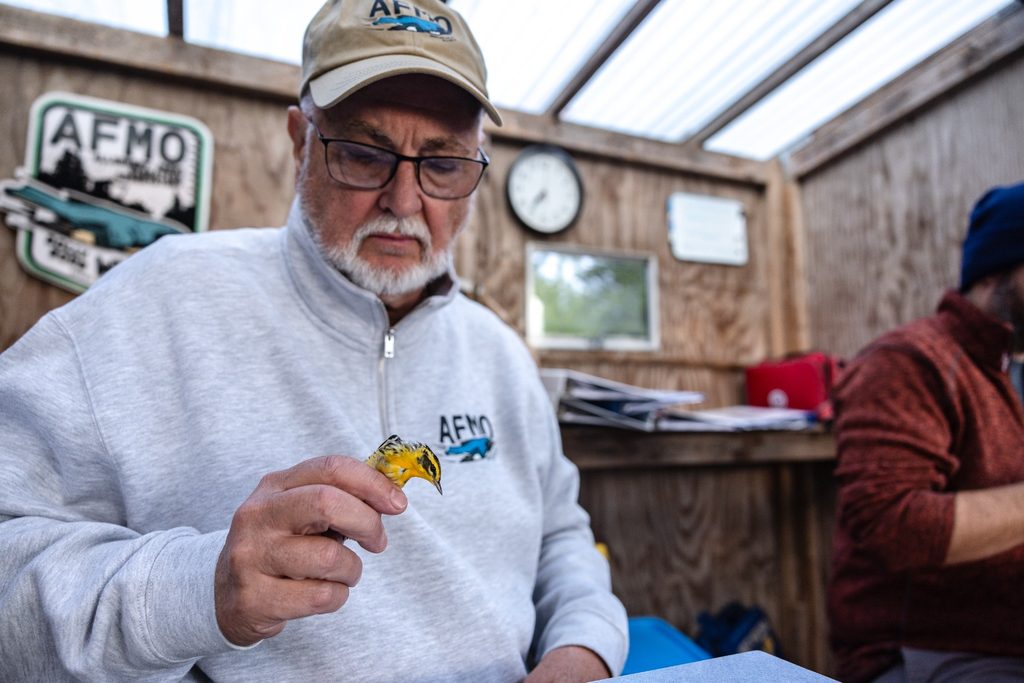
“It’s so cool whenever people show genuine interest in what we’re doing,” Malfaro said. “They’ll watch banding and they see us checking the wings, head, and getting these measurements, but they don’t really understand what the measurements are. So it’s great getting to show people and walk them through the process of why we’re doing this and what the data can tell us.”
Malfro is one of the many highly skilled interns that the AFMO has working this season, from late August to early October, along with interns Aster Yu and Mary Castellani, both of whom recently graduated and hope to pursue further studies in ornithology.
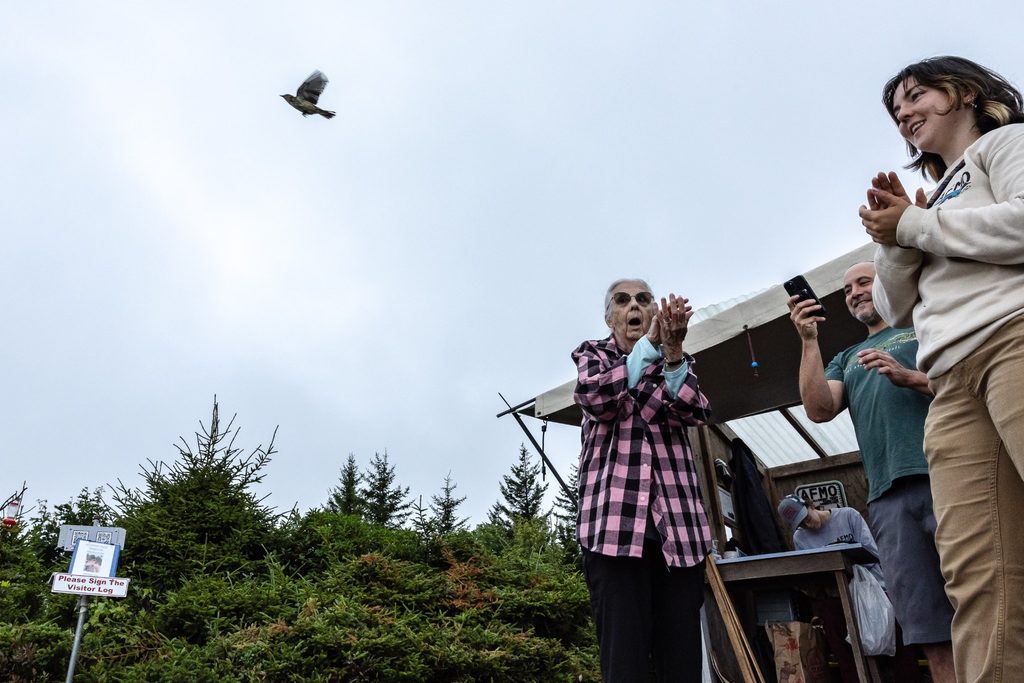
“I’ve learned a lot already, and we’re only halfway through,” Castellani said. “We’ve had some really busy days where I’ve gotten to do a lot of birds back-to-back, extracting them from mist nets, or sometimes banding them when LeJay allows.”
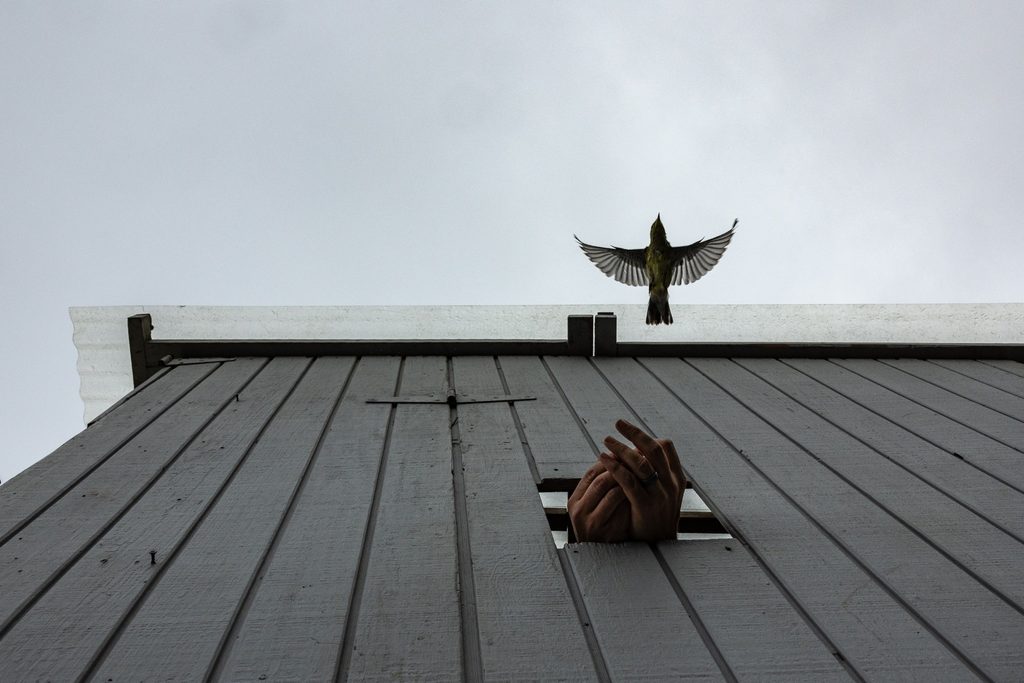
“When a bird is in my hand, I am like, ‘Oh my God, this is amazing,’” Yu said. “This internship has been a great way to figure out what I want to do in terms of being able to work with wildlife, help with conservation, and educate people. It’s just been really, really fun here.”
Related Articles
THIS WEEK IN WV HISTORY: Sep 20-26
The following events happened on these dates in West Virginia history.
Real West Virginian of the Week: Brittany Keys Anderson builds opportunity through education
Brittany Keys Anderson has worn many hats throughout her career in education — classroom teacher, principal, higher education professional, educator advocate, and children’s book author.
Affordability driving Gen Z to WV?
This story is part of RealWV’s year-long focus on youth and belonging in West Virginia, exploring the difficult decisions young people face when deciding whether to stay or leave.