THIS WEEK IN WV HISTORY: Nov. 1–7
The following events happened on these dates in West Virginia history.
Presented by the WV Humanities Council,
Charleston WV – The following events happened on these dates in West Virginia history. To read more, go to e-WV: The West Virginia Encyclopedia at www.wvencyclopedia.org.
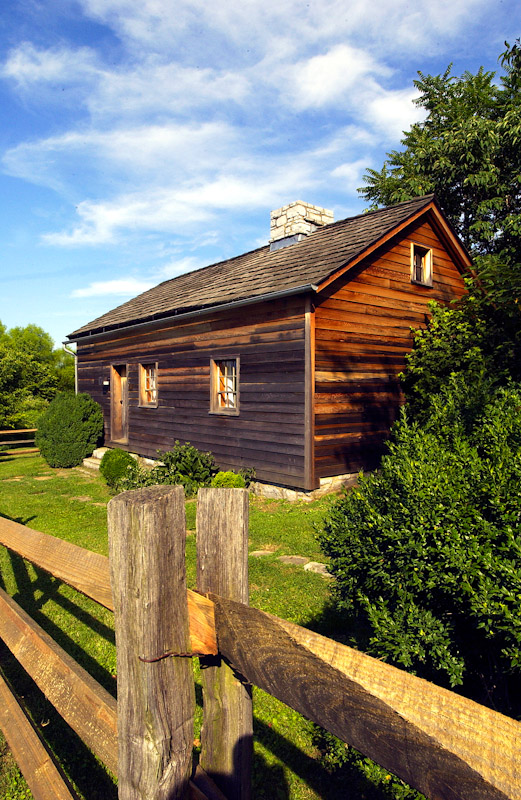
Nov. 1, 1688: Morgan Morgan was born in Wales. Traditionally, Morgan was considered the first White settler of West Virginia, but others were likely here first. He settled in the Bunker Hill area of Berkeley County in 1731, building a log house that still remains.
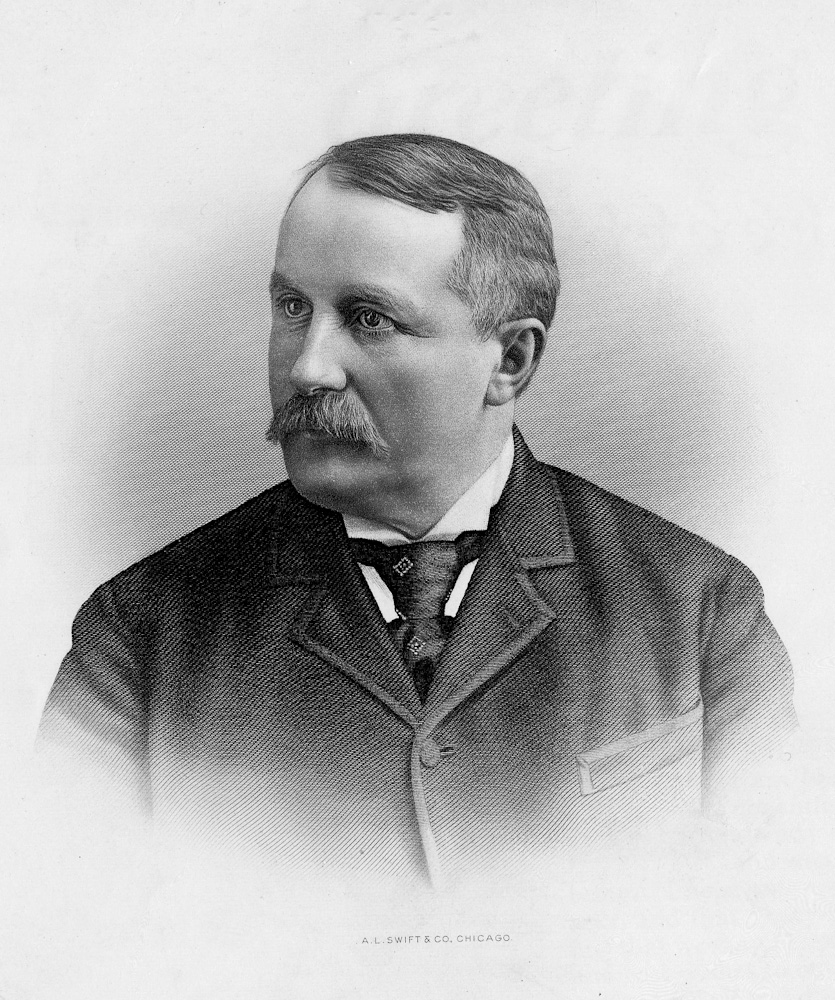
Nov. 1, 1848: Israel Charles White was born in Monongalia County. White was West Virginia’s first state geologist, appointed in 1897 and serving until his death in 1927, working without pay for all but two of those years.
Nov. 1, 1946: Wheeling-Ohio County Airport officially opened.
Nov. 1, 1961: The first non-commercial radio station in West Virginia, WMUL-FM at Marshall University, began broadcasting.
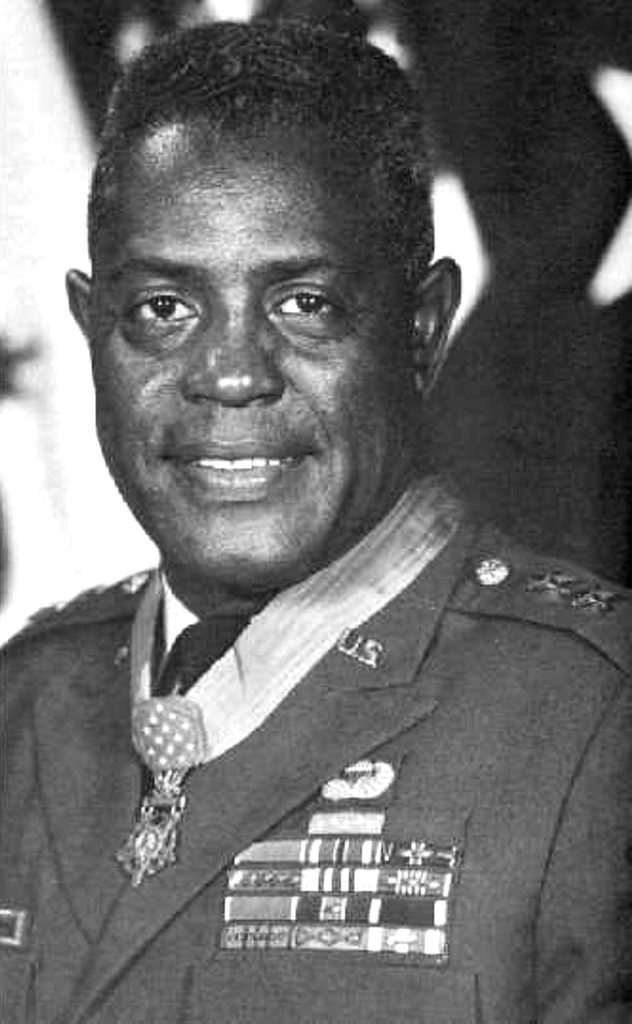
Nov. 1, 1968: Fayette County native Charles Rogers earned the Medal of Honor for actions that began on this date near the Cambodian border during the Vietnam War.
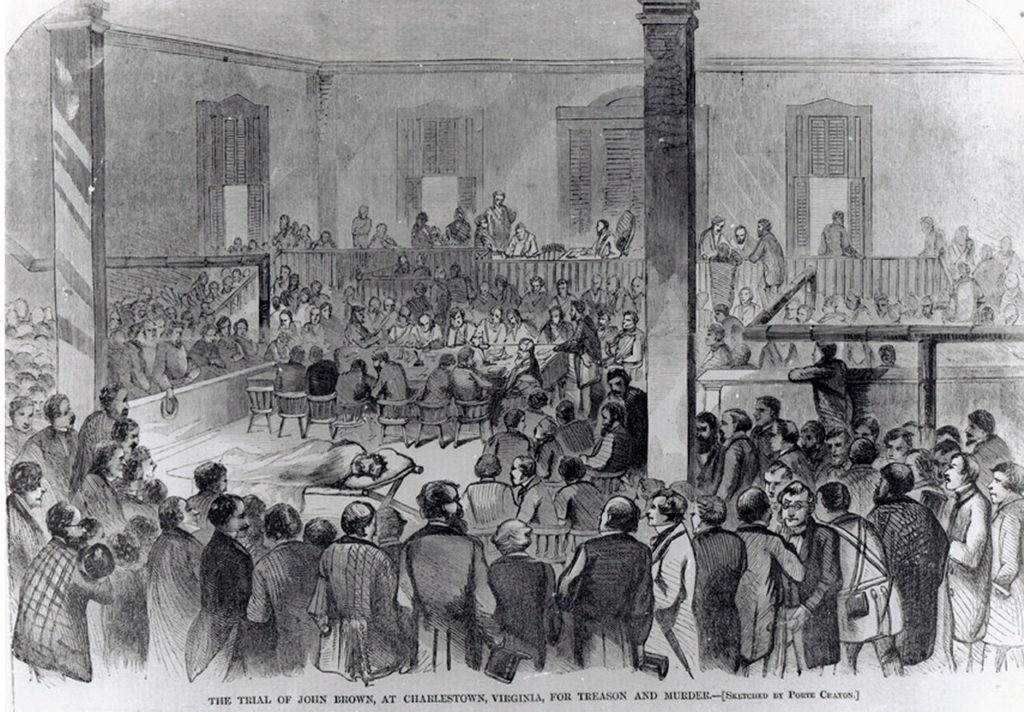
Nov. 2, 1859: John Brown was convicted of murder, treason and insurrection in the Jefferson County Courthouse at Charles Town. Brown’s raid on Harpers Ferry and subsequent trial galvanized the nation, further alienating North and South and drastically reducing any possible middle ground for compromise to avert the Civil War.
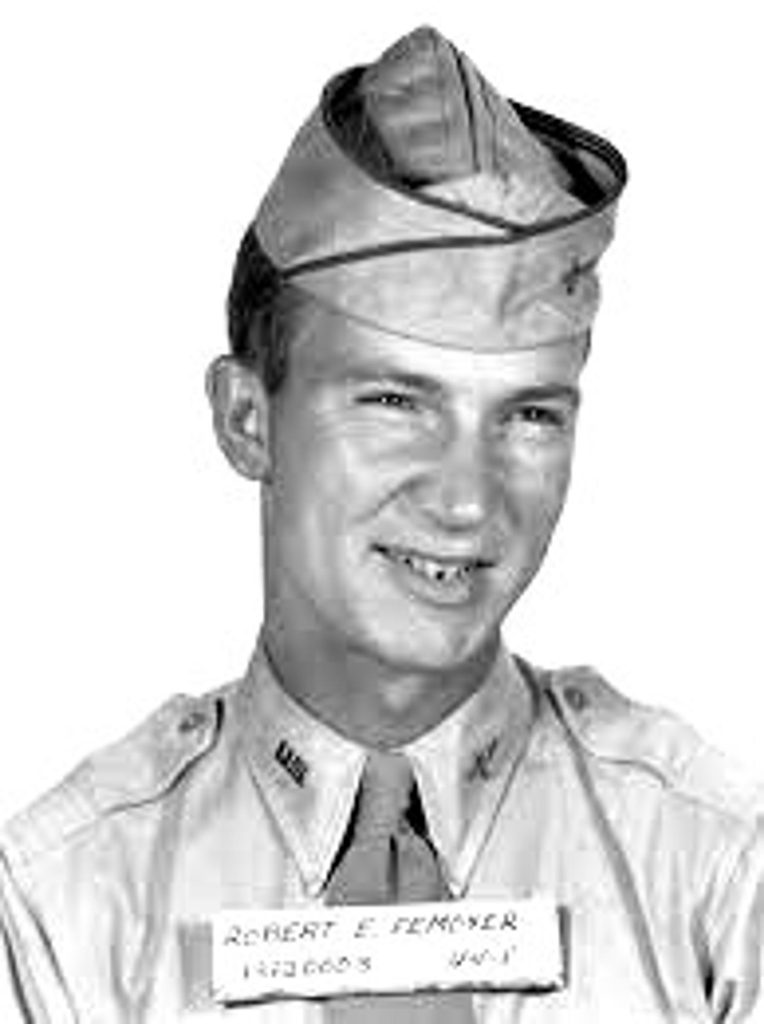
Nov. 2, 1944: Despite being mortally wounded during a bombing mission over Germany during World War II, B-17 navigator and Huntington native Robert Femoyer refused medical aid and guided his damaged plane safely back to England. His skill and bravery saved the entire crew, though he died 30 minutes after landing, earning the Medal of Honor.
Nov. 2, 1952: Tri-State Airport in Wayne County was dedicated, with the first official landing made at 11 a.m. by Piedmont Airlines.
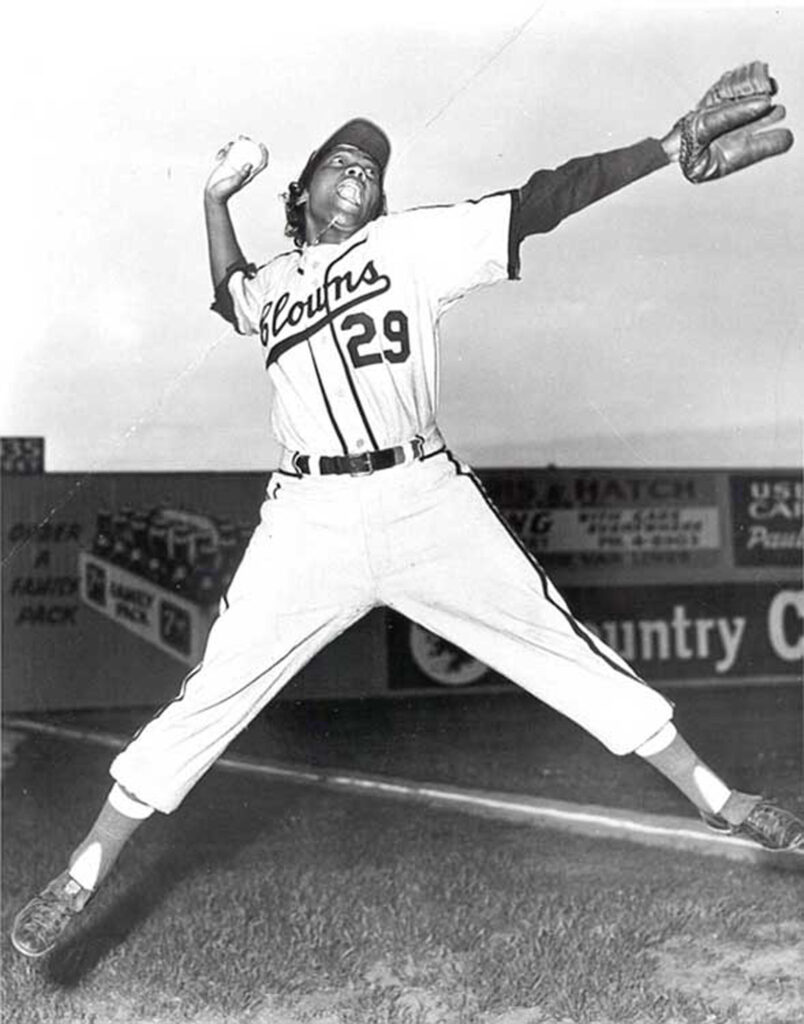
Nov. 2, 1996: Baseball player Toni Stone died. Born in Bluefield, she joined the Negro American League in 1953, becoming the first woman to play pro baseball in a previously all-male major league.
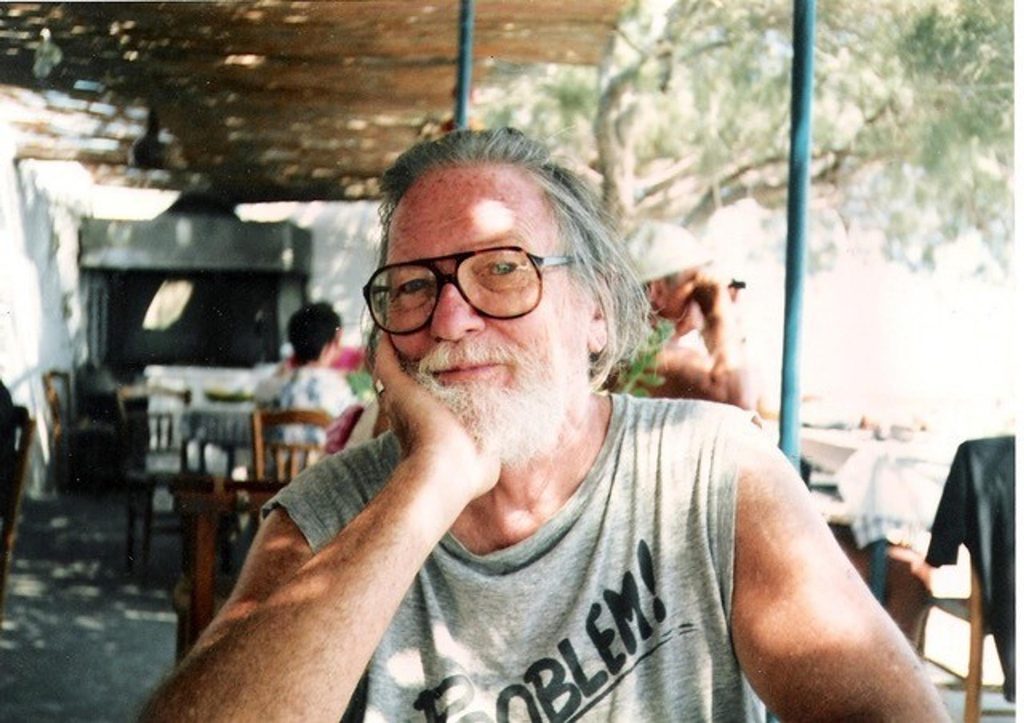
Nov. 3, 1943: Governor Matthew Neely named James Lowell McPherson state poet laureate. At age 22, McPherson was the youngest person ever to serve in that role.
Nov. 3, 1947: Kanawha Airport (now Yeager International Airport) was dedicated. World War I ace Capt. Eddie Rickenbacker was among the dignitaries present.
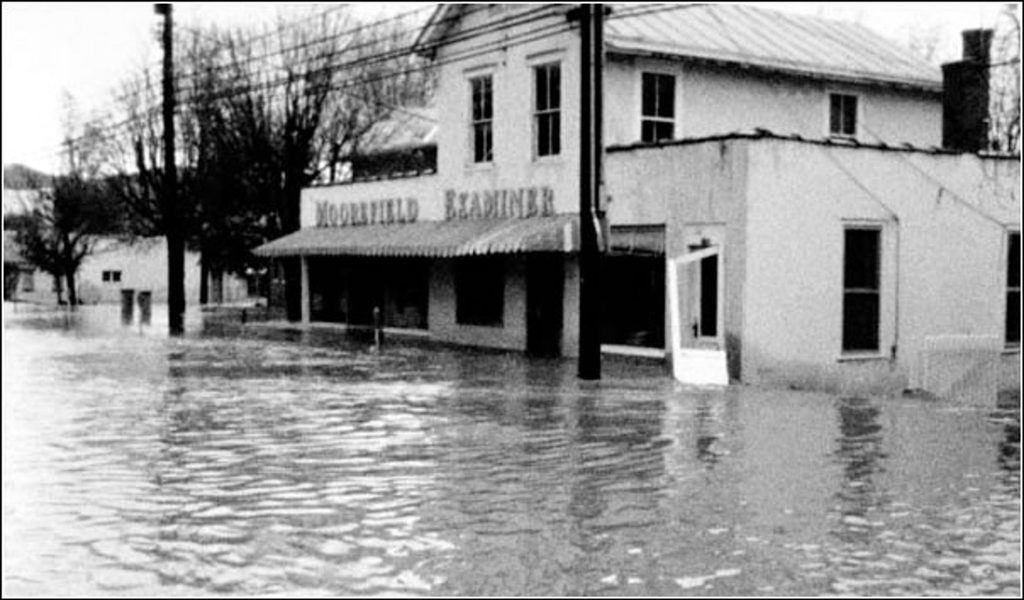
Nov. 4-5, 1985: Heavy rains led to devastating floods in parts of West Virginia. Forty-seven people were killed, and several towns were severely damaged.
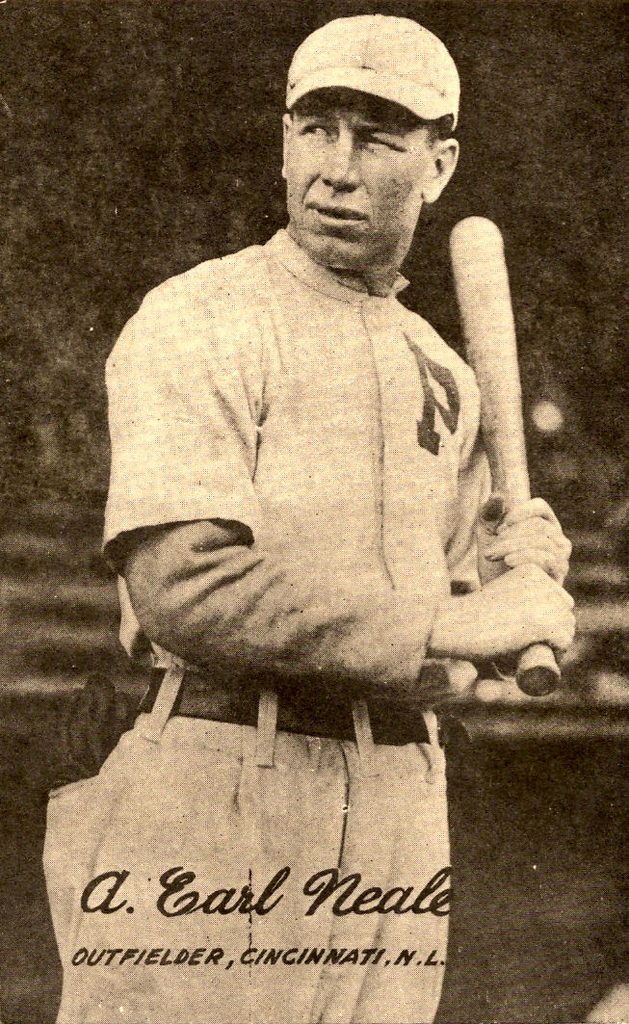
Nov. 5, 1891: Alfred Earle “Greasy” Neale was born in Parkersburg. He was one of West Virginia’s greatest all-around athletes.
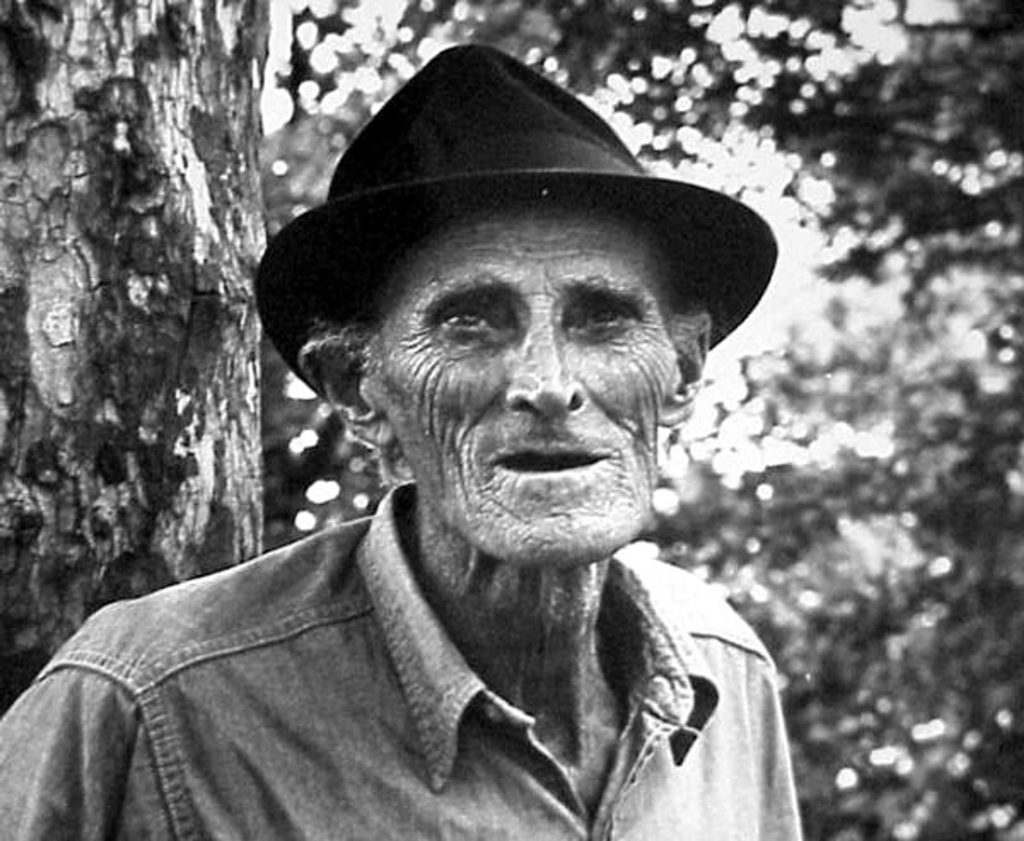
Nov. 5, 1895: Folk singer, coal miner and labor activist Nimrod Workman was born in Oppy, Kentucky, but lived most of his life in Mingo County. In 1986, he became the first West Virginian to be named a National Heritage Fellow, the nation’s highest honor in folk and traditional arts.
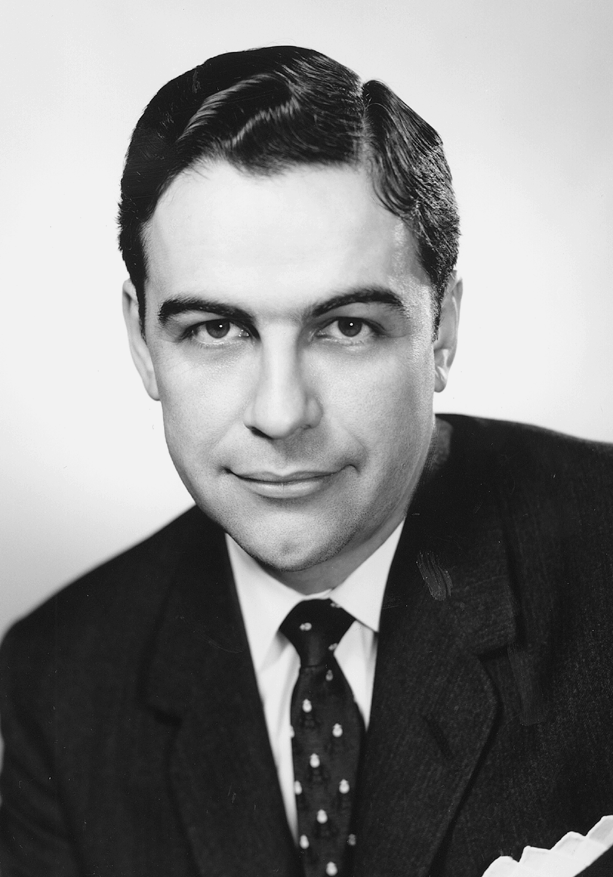
Nov. 5, 1922: Cecil Underwood was born at Josephs Mills, Tyler County. Underwood, West Virginia’s 25th and 32nd governor, served as the state’s youngest and oldest chief executive.
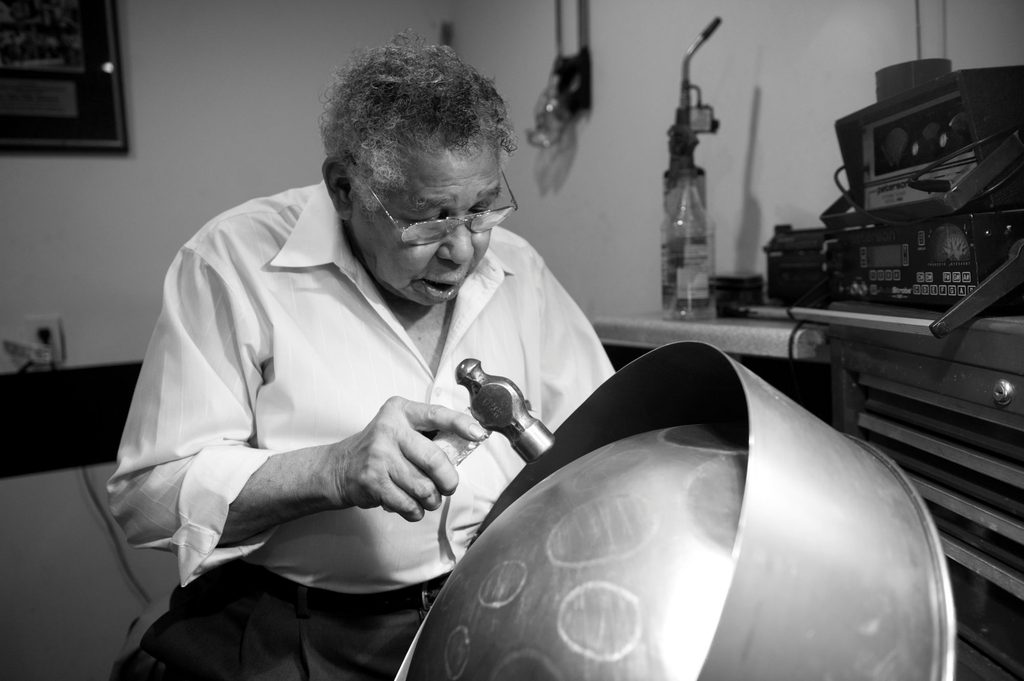
Nov. 5, 1927: Musician “Ellie” Mannette was born in Trinidad and helped popularize steel drum music worldwide. In 1992, he became an artist-in-residence at WVU, coordinating the school’s steel drum program. In 1999, he was named a National Heritage Fellow, the nation’s highest honor in folk and traditional arts.
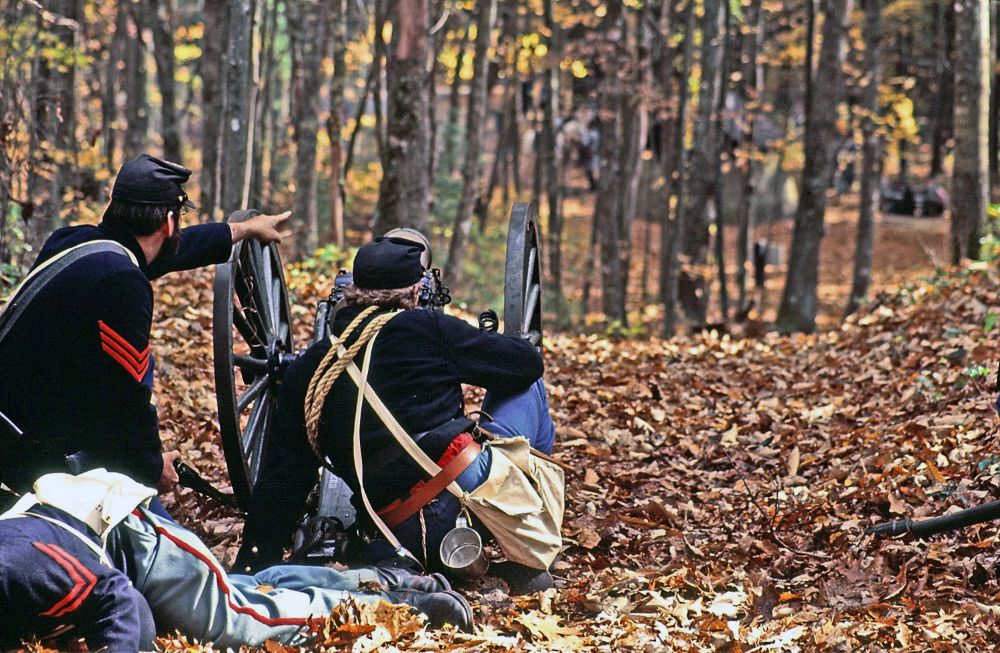
Nov. 6, 1863: Confederate troops led by Brig. Gen. John Echols were defeated at Droop Mountain by a larger federal force led by Brig. Gen. William W. Averell. This was one of the most important Civil War battles fought on West Virginia soil.
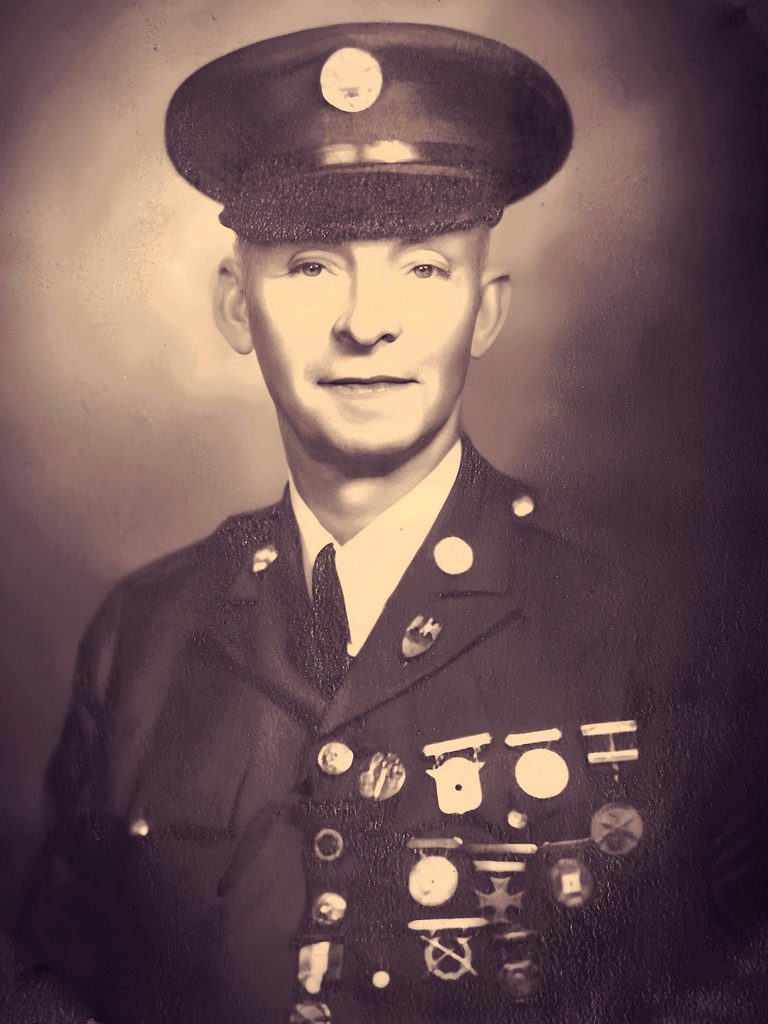
Nov. 6, 1878: Cornelius Lonzo Burdette was born in Sandstone, Summers County. At the 1912 Summer Olympics in Sweden, he won the equivalent of a gold medal as a member of the rifle team. He was the first West Virginian to win Olympic gold.
Nov. 6, 1923: A methane gas explosion killed 27 men inside the Glen Rogers coal mine in Wyoming County. The mine, which opened in 1921, became one of the state’s largest. A total of 160 fatalities over a 31-year period occurred at the mine before it was closed.
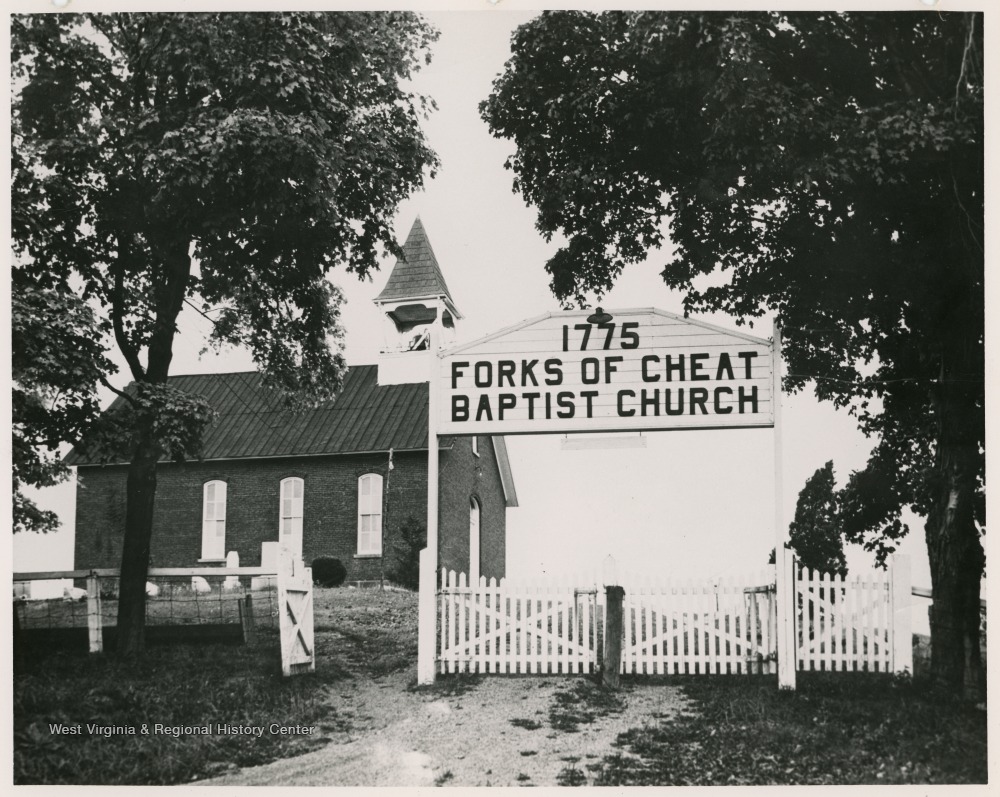
Nov. 7, 1775: The historic Forks-of-Cheat Baptist Church was organized about six miles north of Morgantown. It is the oldest church with continuous records west of the Alleghenies in West Virginia.
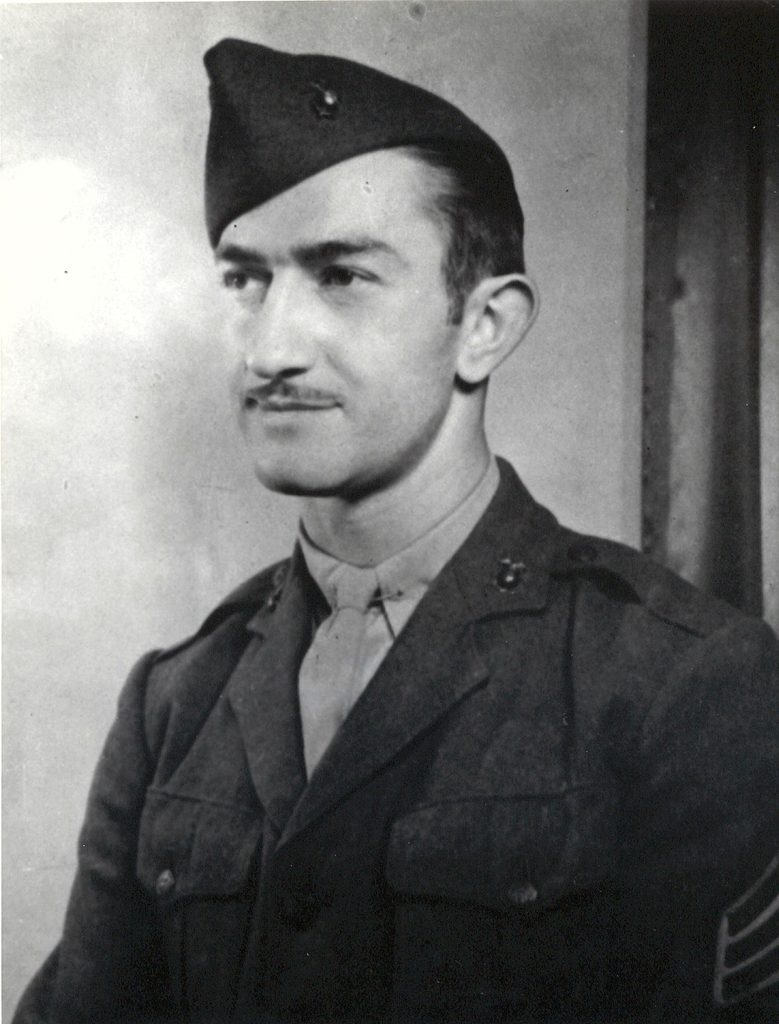
Nov. 7, 1943: During World War II, Medal of Honor recipient Herbert J. Thomas Jr. was killed in the South Pacific. Thomas, who grew up in South Charleston, died by throwing himself on a grenade, saving his fellow squad members. WVU Medicine’s Thomas J. Memorial Hospital in South Charleston is named in his honor.
e-WV: The West Virginia Encyclopedia is a project of the West Virginia Humanities Council. For more information contact the West Virginia Humanities Council, 1310 Kanawha Blvd. E., Charleston, WV 25301; (304) 346-8500; or visit e-WV at www.wvencyclopedia.org.
Author

Related Articles
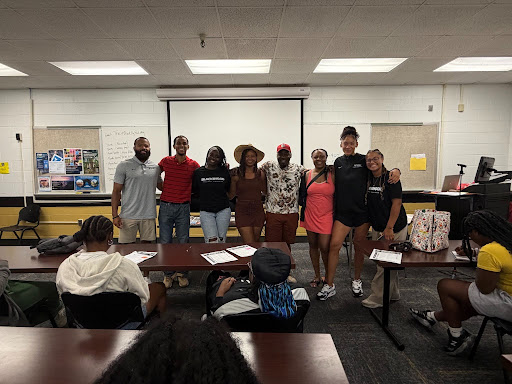
BLACK BY GOD: Youth Voices Rising: Black By God Helping Amplify Youth Voices in West Virginia
This October, during National Arts and Humanities Month, Black By God: The West Virginian is launching Youth Voices Rising, a series of student articles, interviews and videos that gives audiences a view of West Virginia through young people’s eyes.