OPINION: Ten years ago today
By Stephen Baldwin, RealWV
Several inches of rain fell yesterday, and it took me back.
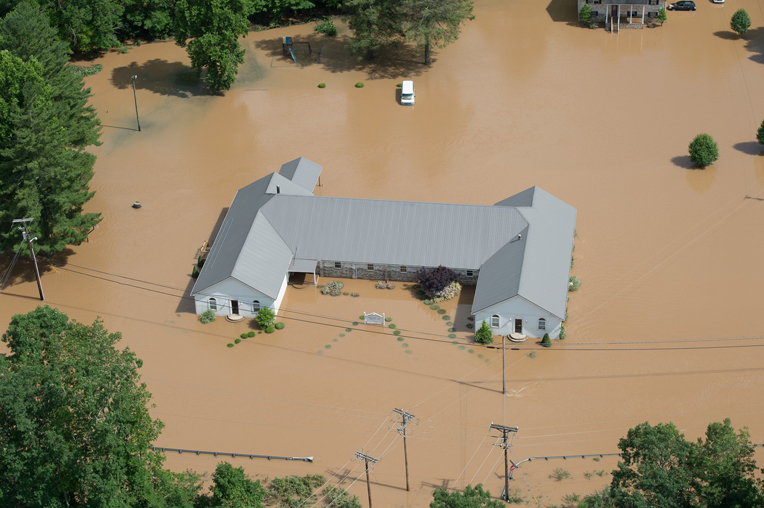
Ten years ago today, the lives of thousands of West Virginians were changed forever. After 24 hours of unrelenting rain, flash floods destroyed huge swaths of 44 counties, with 12 especially hard hit. They called it a 1,000-year flood event.
The devastation ran deep. Twenty three people died. Thousands of homes were flooded. Hundreds of businesses, churches, and schools were impacted.
I’ll never forget the smell. Once you’ve mucked out a house–or three dozen houses–after a flood, the smell never leaves you. It’s a haunting reminder of the power of water, not only to destroy property but also to upend entire communities.
I’ll also always remember the way communities came together. Recovery was the hardest thing we’ve ever done…and also the most meaningful. The worst tragedy we’d ever experienced brought out the best in people. There were moments we thought we couldn’t lift the shovel one more time, and moments not long after when a dozen people showed up at the door to pitch in and get the job done.
In the aftermath, we all learned a flood mitigation plan had been sitting on a shelf collecting dust in Charleston. When I learned that, knowing how hard everyone had worked by doing it the hard way, not knowing there was a plan that could’ve helped us recover more quickly, I saw red. I’d never been so enraged in my whole life.
That plan has since been updated, a couple of times. But the policy proposals it recommends have not been funded.
It all begs the question that still keeps me up at night: Are we better-prepared now than we were then?
Honestly, the answer is yes and no.
Yes, we are better prepared in some ways. The hardest-hit areas have at least some new housing outside the flood plain. Countless bridges have been rebuilt. Counties and municipalities have taken millions from the federal government to upgrade their stormwater systems. The state has worked with federal partners to install new stream gauges for better response times on floods from streams and creeks.
(We will forever be indebted to groups like Appalachian Service Project, Homes for WV, Mennonite Disaster Services, Samaritan’s Purse, Neighbors Loving Neighbors, the Hope Project, and more. They got to work immediately and stayed for years to help with housing solutions. We will never forget their generosity.)
No, we are not better prepared in other ways. Not many of those stormwater projects have been completed, as far as I can tell. Only a few areas have seen economic development to the level of providing new jobs where folks can afford to stay in their housing and make a nice living. Look no further than the difference between two towns in Greenbrier County which were both devastated in 2016, White Sulphur and Rainelle, for the disparity in recovery efforts. Recovery has been very localized to areas with capital investments.
Speaking of investments, the state has made very few in flood mitigation. No dam rebuilds. No caseworkers for future flood events. No ongoing housing program. No economic development in flooded areas. No dedicated funding sources. We are still largely dependent on volunteers, charitable organizations, and federal funds after events occur, which is too late.
Federal uncertainty over how and when and to what extent FEMA will respond remains an open question under the Trump Administration, meaning we need to get our house in order.
June 23, 2016, is a day we will never forget. We can’t let our guard down. We can’t assume we’re prepared now. We can’t rely on outsiders to come in after a disaster and help us rebuild.
Everyone knows it’s not a matter of if another mega flood strikes again; it’s only a matter of when.
People don’t come more generous or resourceful than West Virginians. Now is the time to harness those powers so we are better prepared next time.
Stephen Baldwin is a Presbyterian pastor, former Senate Minority Leader and Joint Legislative Committee on Flooding member, and publisher of RealWV.