THE FRONT PORCH: How are the opioid settlement funds being spent in West Virginia?
West Virginia was one of the states hit hardest by the opioid epidemic.
By Dakota Baker, RealWV
West Virginia was one of the states hit hardest by the opioid epidemic.
Now, billions of dollars in opioid settlement money are coming into the state, giving communities a chance to help address the damage caused by addiction.
But how is that money being spent?
Here are some examples from 2026:
- West Virginia Division of Corrections: $603,912.37 to reimburse the county for regional jail bills and fees, with the opioid crisis being blamed for higher jail costs.
- Mid State Ford: $40,197.84 for 2025 Ford Explorers to replace a high-mileage 2019 law-enforcement vehicle.
- Atlantic Tactical: $4,842.01 for law-enforcement equipment.
- Axon Enterprise: $21,855.80 for police body cameras.
- City of Ronceverte: $98,648.91 for two police cruisers, overtime due to staffing shortages, and cameras to “fight crime.”
- G.C. Sales: $4,420 for a K-9 kennel.
- Axon Enterprise: $32,843.02 for Tasers.
- Dell Marketing L.P.: $4,492.51 for laptops in police cruisers.
- Stephens Auto: $32,645 for 2025 police cruisers.
The problem is not that law enforcement is receiving money, as the state’s opioid settlement rules allow some money to be used for law enforcement, especially efforts to reduce the illegal opioid supply.
However, are these purchases the best use of money meant to address the opioid crisis?
There is a big difference between using the money to fight opioid trafficking and using it to buy a new police cruiser or Taser.
The largest expense listed above is the more than $600,000 spent on jail costs. There is no question that addiction has put a strain on West Virginia’s jails. People struggling with addiction can end up getting caught in the cycle of arrest, jail, treatment, and release.
But paying for jail costs does not stop that cycle.
More of the settlement money could go toward helping people recover by focusing on treatment, recovery housing, counseling, overdose prevention, transportation, and other support.
While money is certainly going toward these efforts, many treatment facilities across West Virginia still struggle with funding, face the possibility of closure, or are unable to provide treatment to people who cannot afford it.
The full 2026 report can be viewed online.
Related Articles
Making a ‘GIANT’ impact on the local community
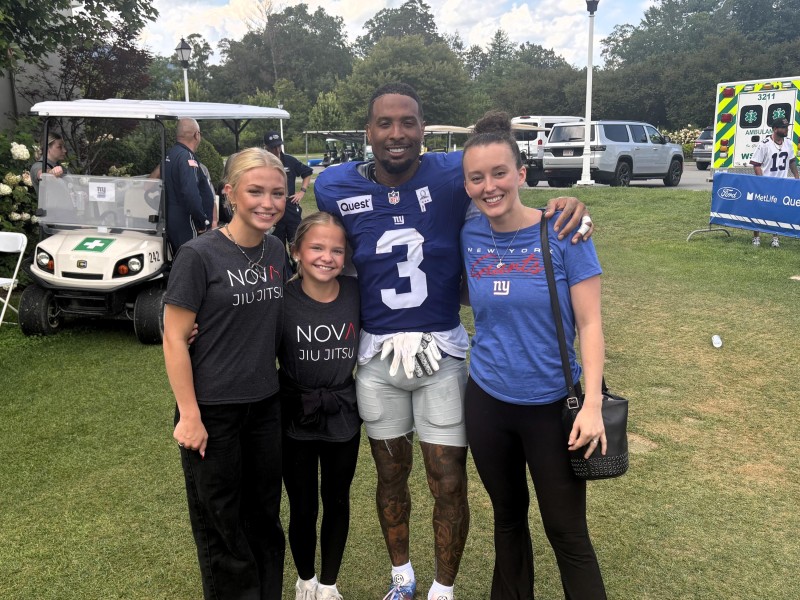
“The Giants’ visit didn’t seem all that important to me at first–until I got to be a part of it,” said Abby DeGraff, a local business owner. “I quickly realized how wrong I was about their impact on our local economy.”

Scenes from the 79th annual Berkeley County Youth Fair
Take a look at the photos from the 79th annual Berkeley County Youth Fair in Martinsburg, W.Va., which took place from Aug.1-8.

SUNDAY SERMON: 10 things I learned at Vacation Bible School this week
“We make plans; God laughs.”