THIS WEEK IN WV HISTORY: Aug 30–Sep 5
The following events happened on these dates in West Virginia history.
Presented by the WV Humanities Council,
Charleston WV – The following events happened on these dates in West Virginia history. To read more, go to e-WV: The West Virginia Encyclopedia at www.wvencyclopedia.org.
Aug. 30, 1862: Confederate raiders under the command of General Albert G. Jenkins attacked and occupied Buckhannon, where they captured 20 prisoners and 5,000 stands of small arms.
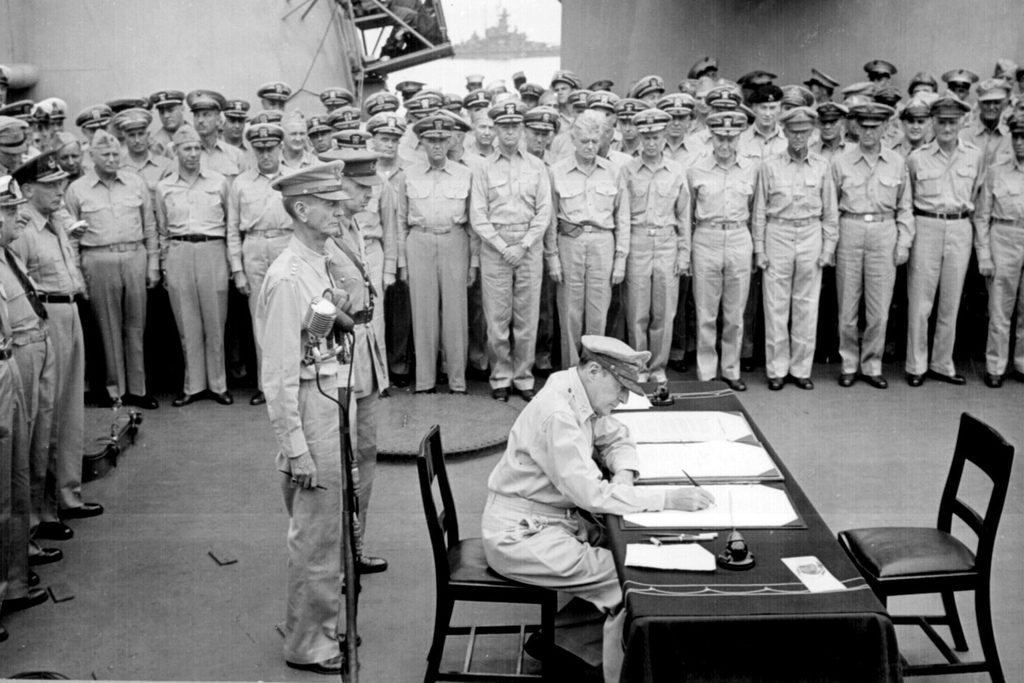
Aug. 31, 1945: The USS West Virginia led American battleships into Tokyo Bay two days before the formal surrender of Japan on September 2, 1945.
Sept. 1, 1671: Thomas Batte, Robert Hallom and Thomas Wood set out from Petersburg, Virginia, to explore west of the Appalachian Mountains. Batte and Hallom are credited with being the first explorers to document the New River. Their expedition later bolstered England’s claims to the Ohio Valley.
Sept. 1, 1777: Fort Henry, located at what is now Wheeling, was attacked by Indians for the first time during the Revolutionary War. Nearly half the militia were lured outside the post and killed. The fort would be attacked again in 1782.
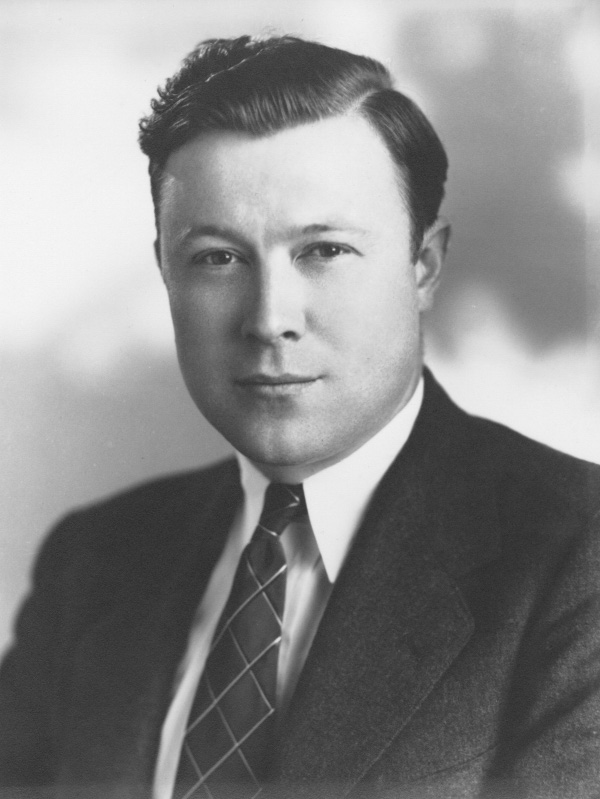
Sept. 1, 1907: Walter Phillips Reuther was born to German immigrant parents in Wheeling. Reuther was a founder of the modern labor movement and a long-time president of the United Auto Workers.
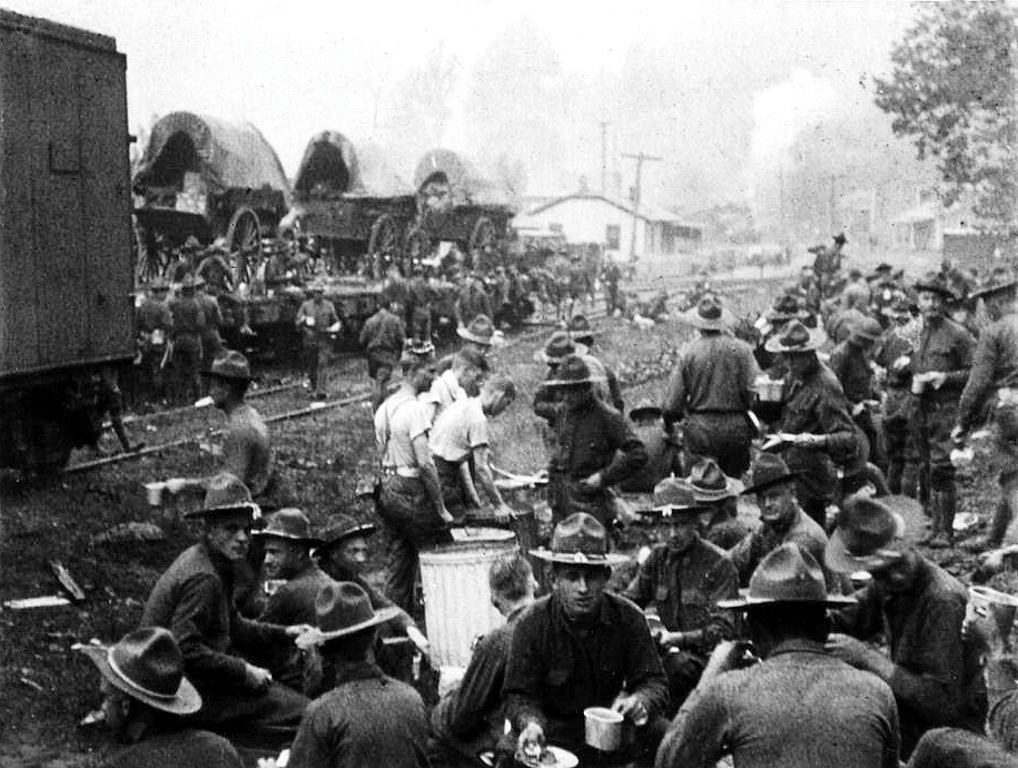
Sept. 1, 1921: By this date during the Battle of Blair Mountain, miners had captured half of the 25-mile mountain ridge and were ready to descend upon Logan. President Warren Harding placed the strike zone under martial law, and ordered federal troops and a squadron of bomber aircraft into the state.
Sept. 2, 1722: Frontiersman William Crawford was born in present Jefferson County. He was a farmer, soldier, surveyor and the land agent of George Washington.
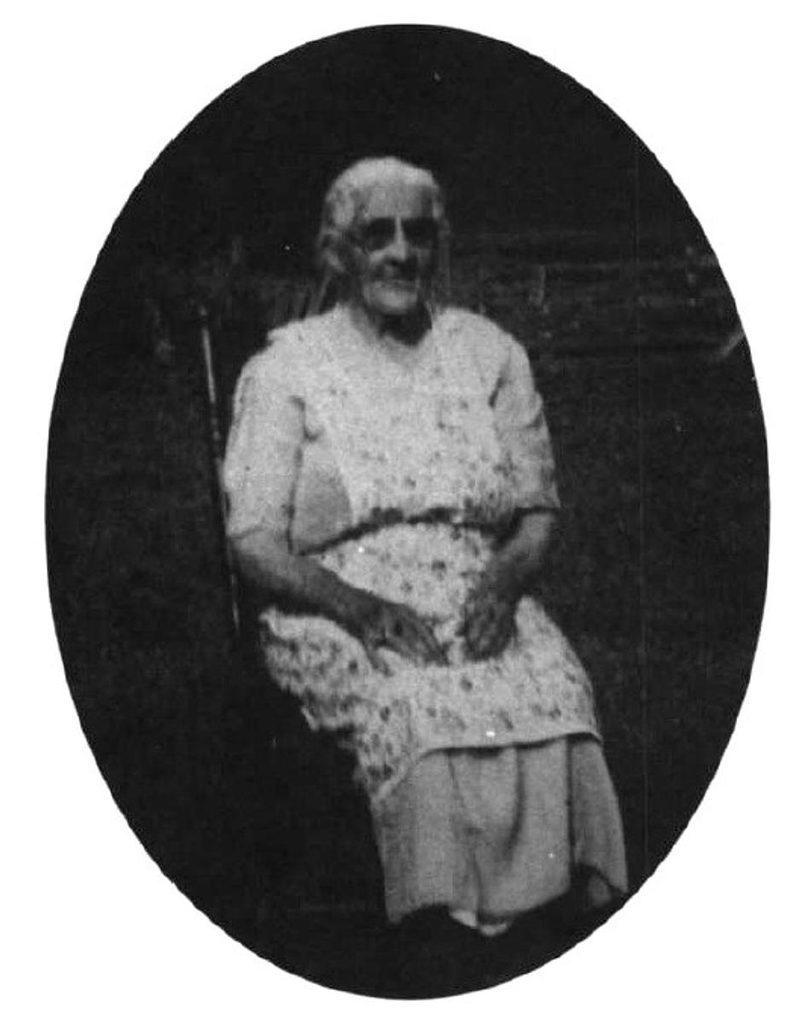
Sept. 3, 1851: Mollie Gabe was born into slavery in Flatwoods, Braxton County. After emancipation, she became a widely respected midwife, washerwoman, farmer, and community leader who raised a large family while preserving Appalachian traditions. She died in 1951.
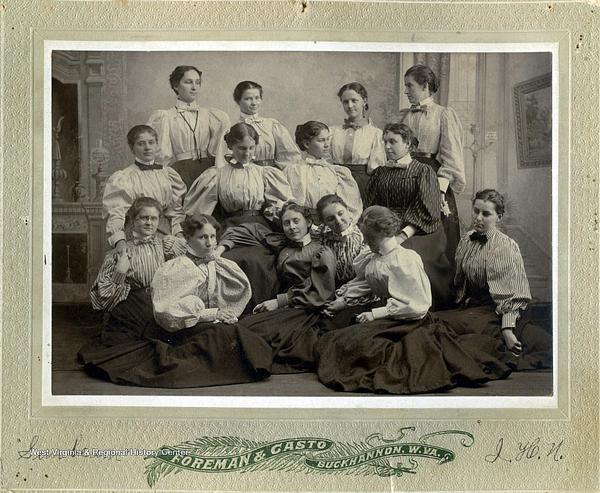
Sept. 3, 1890: West Virginia Wesleyan College opened in Buckhannon as the West Virginia Conference Seminary. In that first year, 201 men and women undertook a largely preparatory school curriculum. Gradually the school added college-level studies and awarded its first five degrees in 1905.
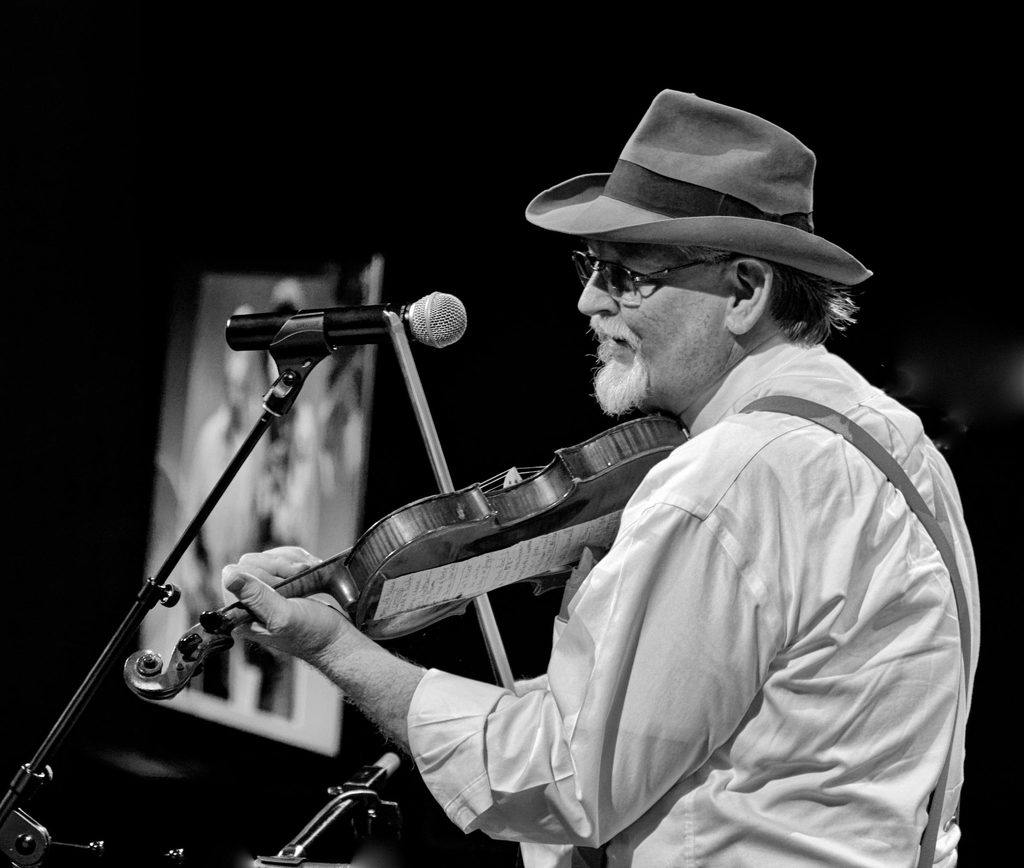
Sept. 3, 1946: Fiddler and banjo player John Morris was born in Ivydale, Clay County. He and his brother David created the influential Morris Family Old-Time Music Festival in the late 1960s and played an important role in founding the Vandalia Gathering. In 2020, John Morris was named a National Heritage Fellow, the nation’s highest honor in traditional arts.
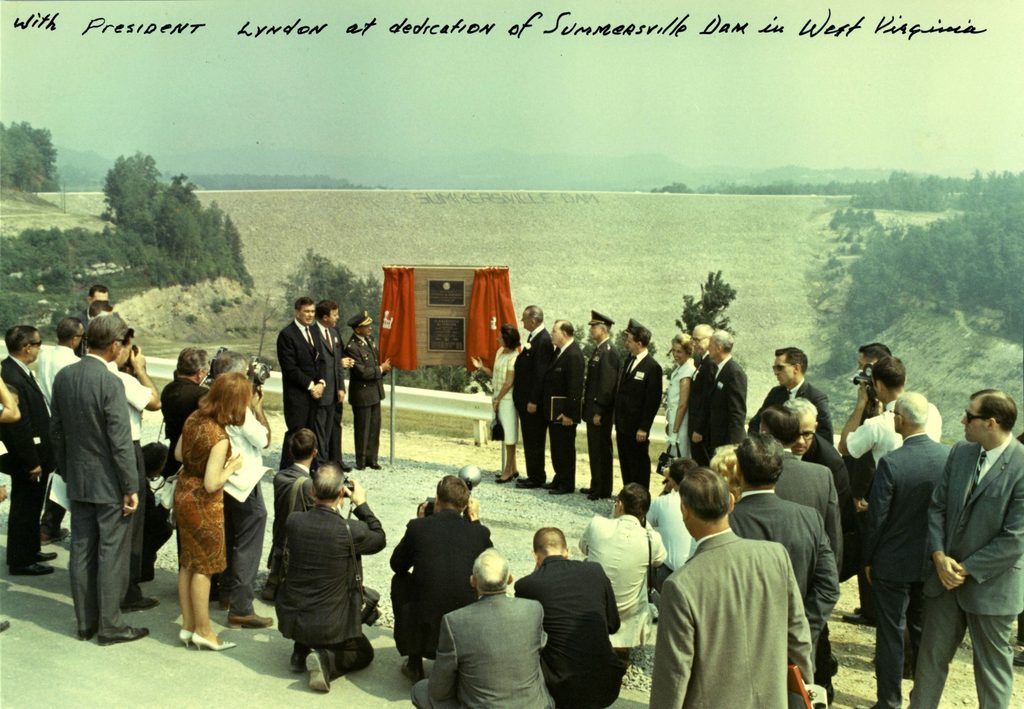
Sept. 3, 1966: President Lyndon B. Johnson dedicated the Summersville Dam and Reservoir. Summersville Lake (now State Park) is located on the Gauley River in Nicholas County. It is West Virginia’s largest lake, with 2,790 surface acres at summer pool stage and over 60 miles of shoreline.
Sept. 4, 1862: General Albert G. Jenkins and his men crossed the Ohio River and became the first to raise the Confederate flag on Ohio soil during the Civil War.
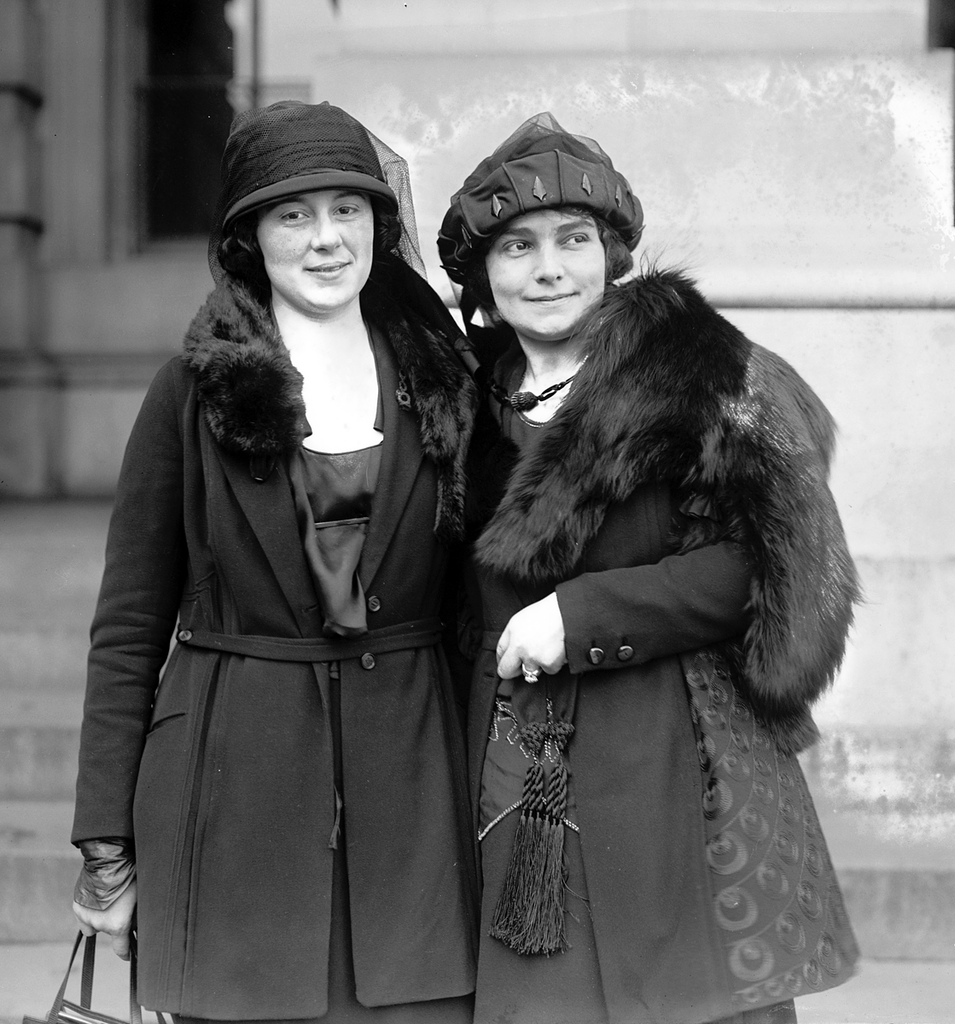
Sept. 4, 1894: Jessie Maynard was born in Williamson. Two of her husbands were killed in violent incidents during the Mine Wars: Cabell Testerman during the shootout at Matewan in 1920 and Sid Hatfield on the steps of the McDowell County Courthouse a year later.
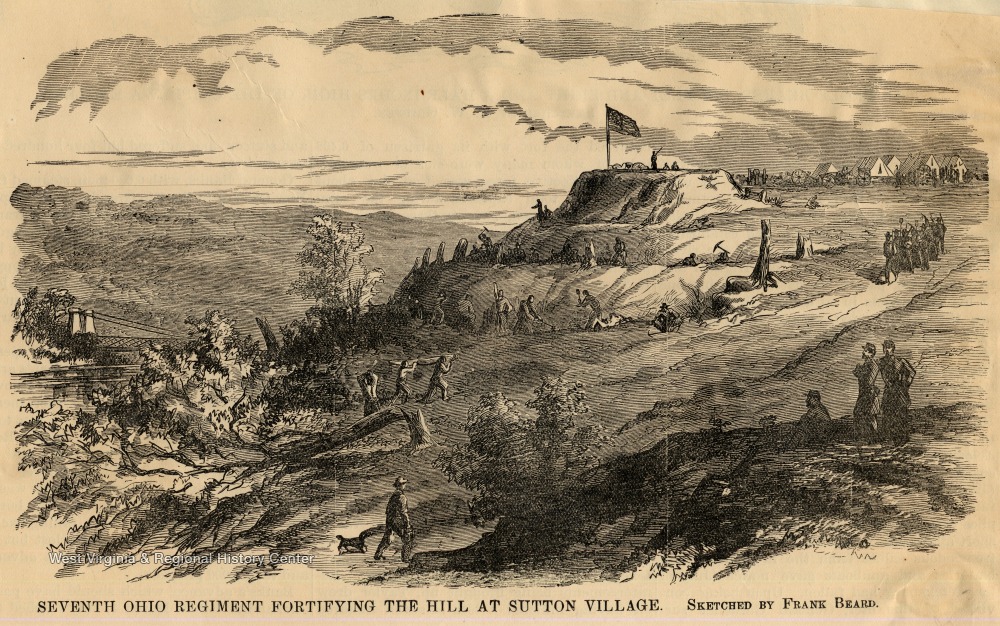
Sept. 5, 1861: Sutton was occupied by 5,000 Union troops. Later in 1861, Gen. Rosecrans bivouacked 10,000 Union troops there, including a future president, William McKinley.

Sept. 5, 1936: Baseball Hall of Famer Bill Mazeroski was born in Wheeling. He played all 17 years of his career for the Pittsburgh Pirates. His walk-off home run to win the 1960 World Series over the New York Yankees is one of the most famous moments in baseball history.
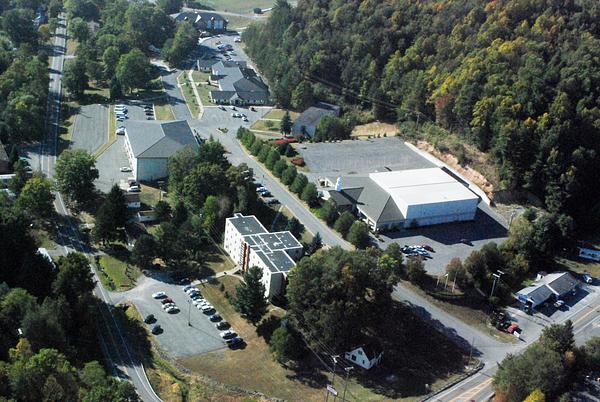
Sept. 5, 1950: Appalachian Bible Institute opened in Sylvester, Boone County, with an enrollment of seven students. Now called Appalachian Bible College, it has served thousands of students since moving to Raleigh County in 1956.
e-WV: The West Virginia Encyclopedia is a project of the West Virginia Humanities Council. For more information contact the West Virginia Humanities Council, 1310 Kanawha Blvd. E., Charleston, WV 25301; (304) 346-8500; or visit e-WV at www.wvencyclopedia.org.
Author

Related Articles
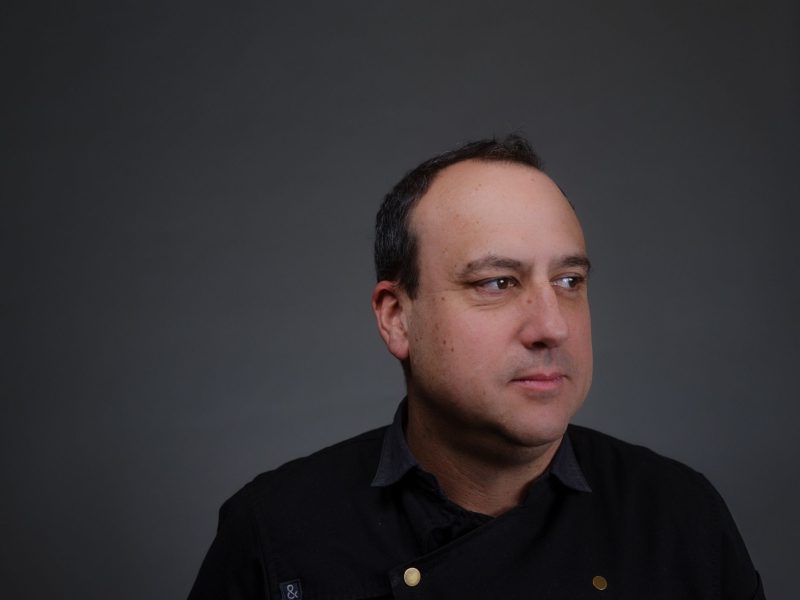
Real West Virginian of the Week: Chef Paul Smith — Bringing people to the table and to West Virginia
For Chef Paul Smith, food has always been about more than what’s on the plate.
WV farmers question Trump’s decision to import beef
Local beef producers doubt the move will lower prices and believe it undercuts American farms.
Second hearing on proposed sale of water systems to West Virginia American Water takes place in Ronceverte
A public hearing was held Tuesday, Aug. 25, related to Ordinance 2026-05 — the possible sale of Ronceverte’s water and wastewater systems to West Virginia American Water Company.