THIS WEEK IN WV HISTORY: Sept. 27–Oct. 3
The following events happened on these dates in West Virginia history.
Presented by the WV Humanities Council,
Charleston WV – The following events happened on these dates in West Virginia history. To read more, go to e-WV: The West Virginia Encyclopedia at www.wvencyclopedia.org.
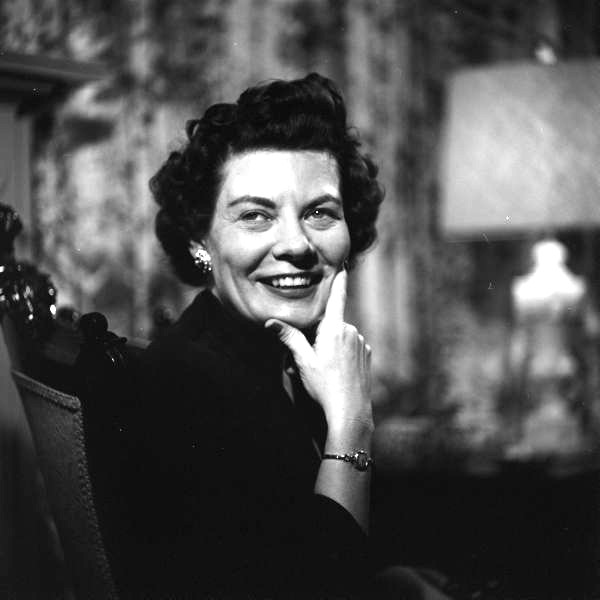
Sept. 27, 1914: Author Catherine Marshall was born in Johnson City, Tennessee. Her family moved to West Virginia and lived in Keyser during the late 1920s and the 1930s. Her best-loved novel, Christy (1967), was based on her mother’s girlhood in the southern mountains.
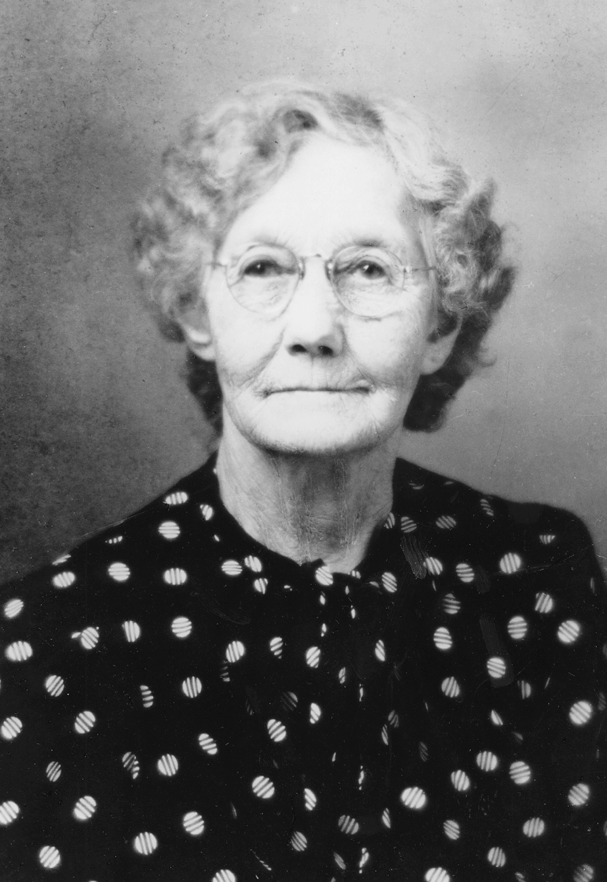
Sept. 28, 1955: Labor activist Sarah “Mother” Blizzard died at age 90. Blizzard was deeply involved in the United Mine Workers of America, from the organization’s early beginnings in the late 19th century.

Sept. 28, 1965: The first national recreation area within a U.S. national forest was established when President Lyndon B. Johnson created the Spruce Knob-Seneca Rocks National Recreation Area in Pendleton County.
Sept. 29, 1861: The Kanawha Valley experienced severe flooding. The Kanawha River reached 46.87 feet in Charleston, more than 16 feet above flood stage.

Sept. 29, 1927: Artist June Kilgore was born in Huntington. She was an abstract expressionist painter who spent 30 years as an art professor at Marshall University.
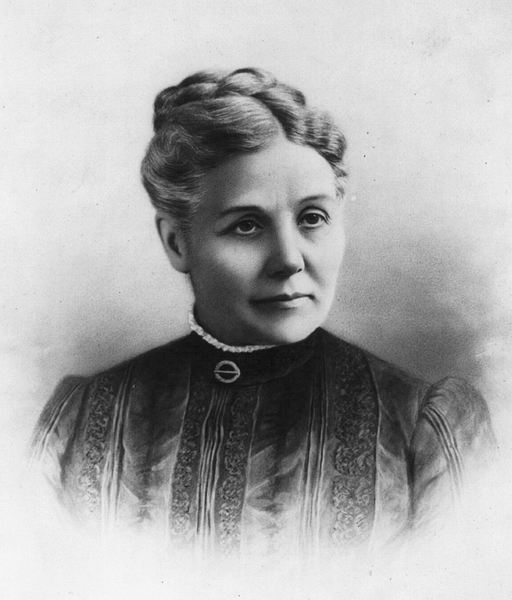
Sept. 30, 1832: Community leader Ann Reeves Jarvis was born in Virginia. She organized Mother’s Day Work Clubs in Taylor County to improve health conditions and is credited with pulling together a divided community after the Civil War. She was the inspiration for Mother’s Day, first celebrated in Grafton in 1908.
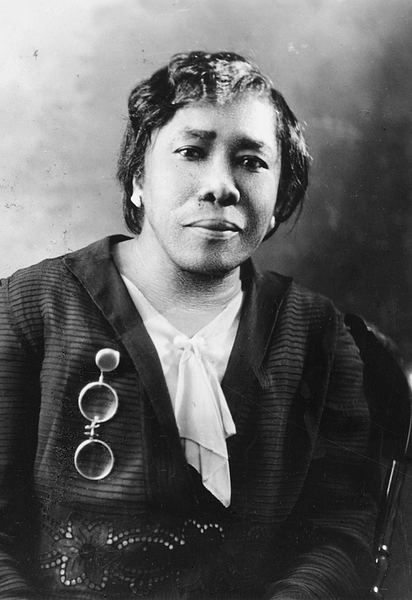
Sept. 30, 1872: Educator Fannie Cobb Carter was born in Charleston. She organized the teacher-training department at what is now West Virginia State University, led the State Industrial Home for Colored Girls in Huntington and was director of adult education in Kanawha County.
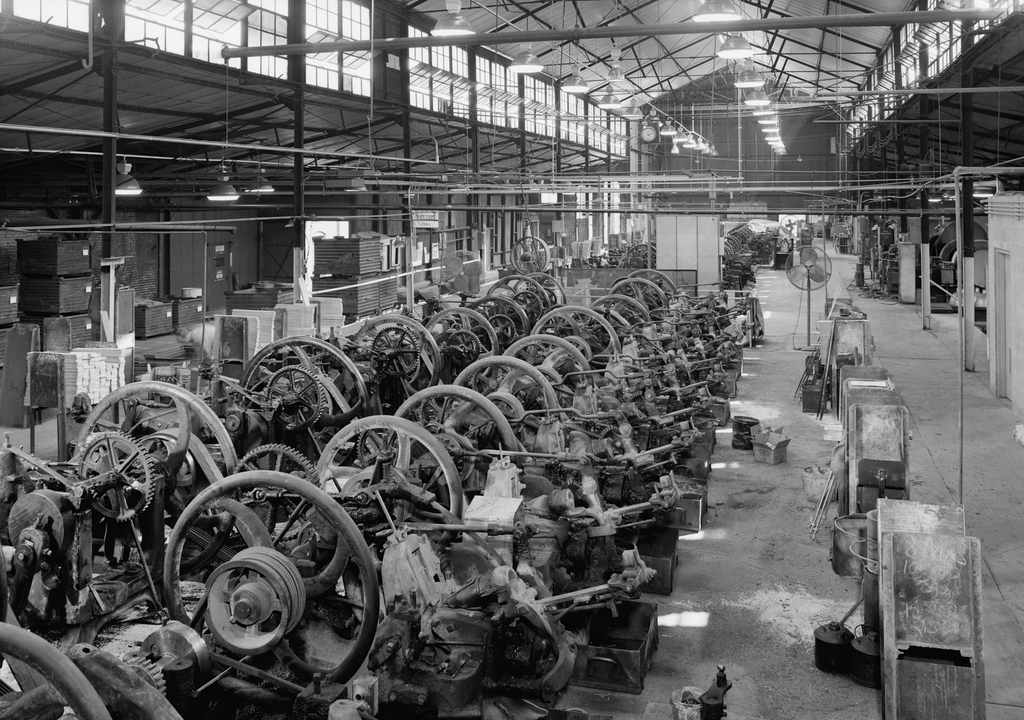
Sept. 30, 2010: Facing an economic downturn and foreign competition, Wheeling-La Belle Nail Company closed. The company was founded in 1852 as La Belle Ironworks. By 1875, Wheeling was known as the Nail City, and La Belle was the city’s leading nail producer.
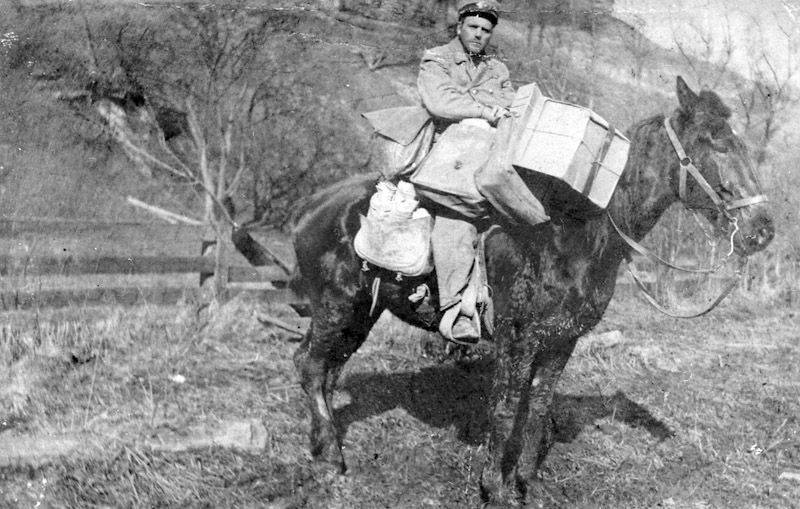
Oct. 1, 1896: Rural Free Delivery began in West Virginia’s Eastern Panhandle. Before this, there was no rural mail delivery, although more than half the country’s citizens lived in rural areas.
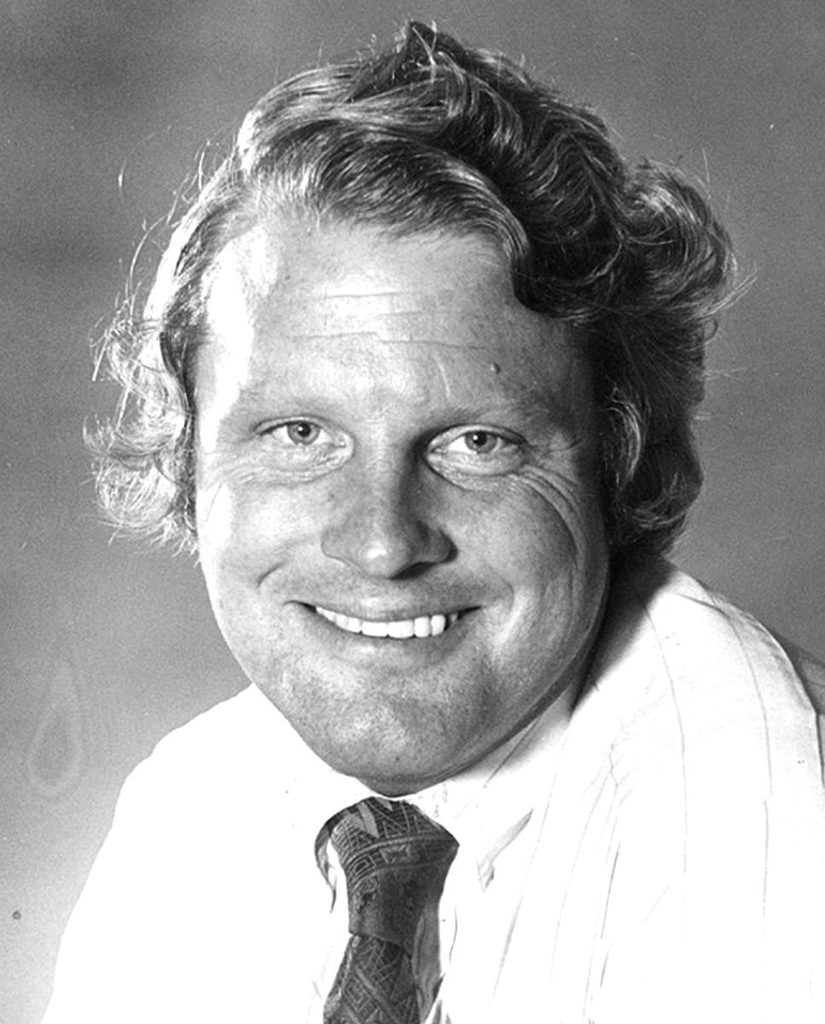
Oct. 1, 1935: Rev. Jim Lewis was born in Baltimore. The longtime Episcopalian minister was an outspoken advocate for social justice, especially during his time in Charleston. He died in 2026.

Oct. 1, 1950: West Virginia Poet Laureate Marc Harshman was born in Indiana, graduated from Bethany College and later moved to Wheeling. He is a noted storyteller, children’s author and poet who wrote and recited his poem “A Song for West Virginia” for our state’s sesquicentennial in 2013.
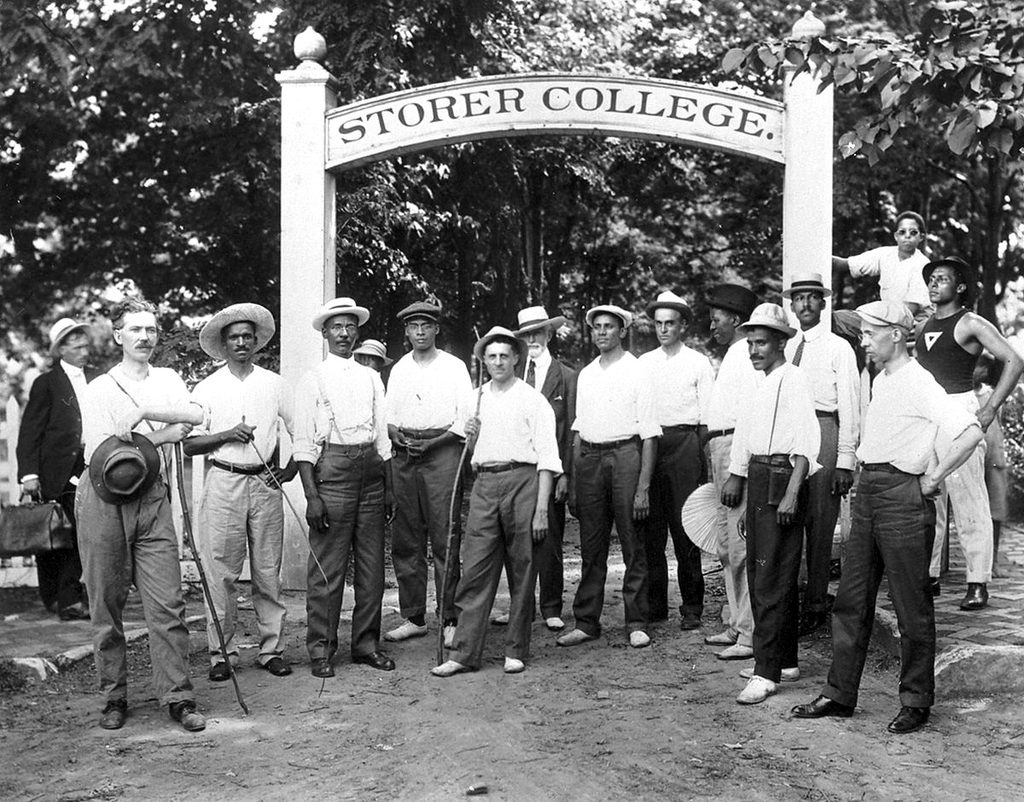
Oct. 2, 1867: Storer College, one of the earliest integrated institutions of higher learning in the nation, opened in Harpers Ferry. It closed in 1955, but many of its buildings still stand in Harpers Ferry National Historical Park.
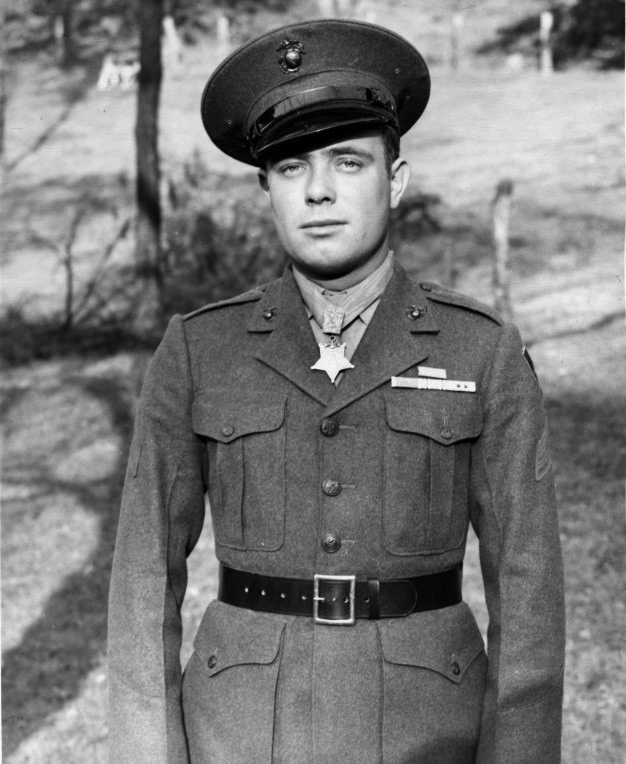
Oct. 2, 1923: Hershel “Woody” Williams was born in Quiet Dell. During World War II, Williams neutralized seven concrete pillboxes at the Battle of Iwo Jima. At the time of his death in 2022, he was the last surviving Medal of Honor recipient from World War II.
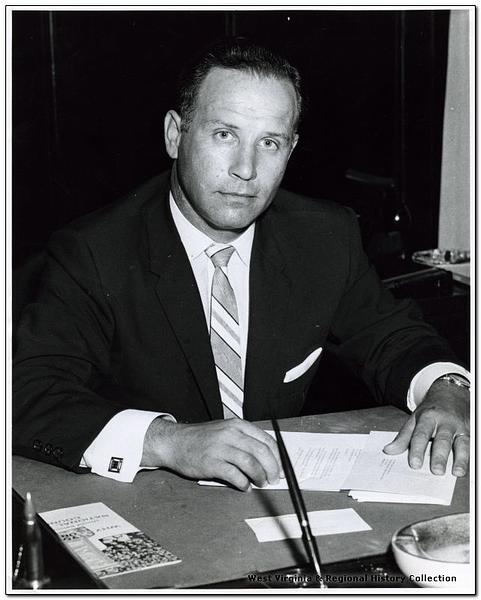
Oct. 2, 1924: Longtime labor leader Miles Stanley was born in Dunbar, Kanawha County. He was the first president of the West Virginia Labor Federation AFL-CIO, serving from 1957 until his death in 1974.
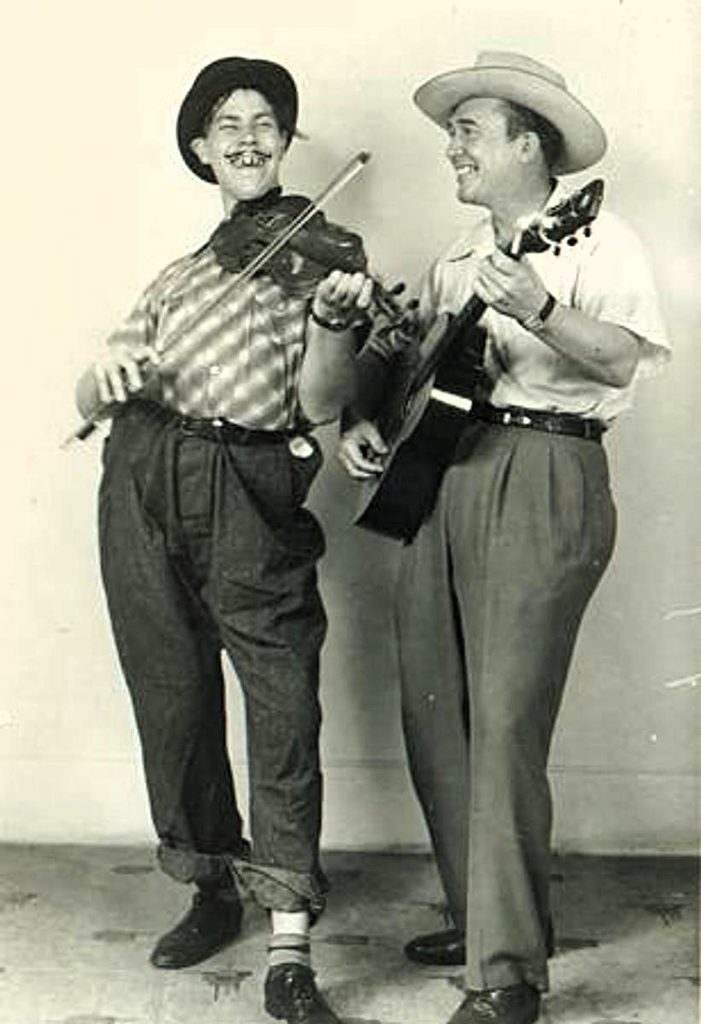
Oct. 2, 1948: The last Sagebrush Roundup radio show was broadcast. Based on the formats of the Wheeling Jamboree and Grand Ole Opry, it had aired on Fairmont’s WMMN since 1938 featuring such notable country musicians as Buddy Starcher and Grandpa Jones.
Oct. 2, 1949: The first class began training at the State Police Academy in Institute. The 20 cadets graduated on Dec. 20, 1949.
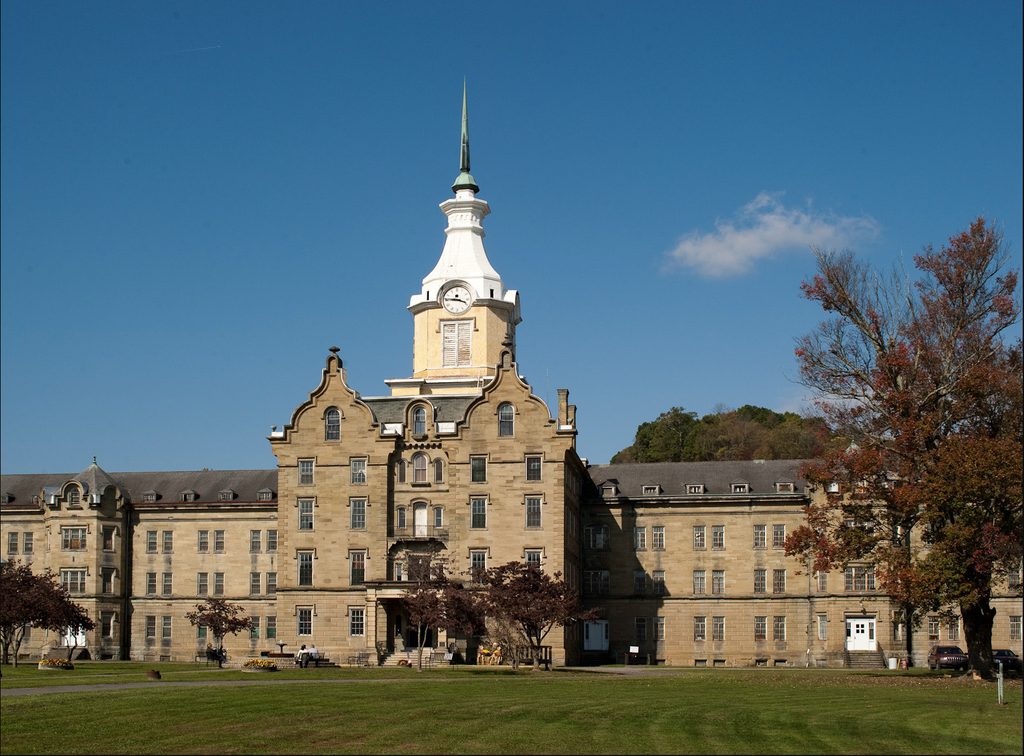
Oct. 3, 1935: A patient at Weston State Hospital started a fire in the main building that destroyed six men’s wards and caused a cupola to fall through the roof. The building was repaired, and the hospital remained in service for nearly 60 more years.
Author

Related Articles
THIS WEEK IN WV HISTORY: Sep 20-26
The following events happened on these dates in West Virginia history.

THIS WEEK IN WV HISTORY: Sep 13–19
The following events happened on these dates in West Virginia history.