THIS WEEK IN WV HISTORY: Nov. 15 –21
Presented by the WV Humanities Council,
Charleston WV – The following events happened on these dates in West Virginia history. To read more, go to e-WV: The West Virginia Encyclopedia at www.wvencyclopedia.org.
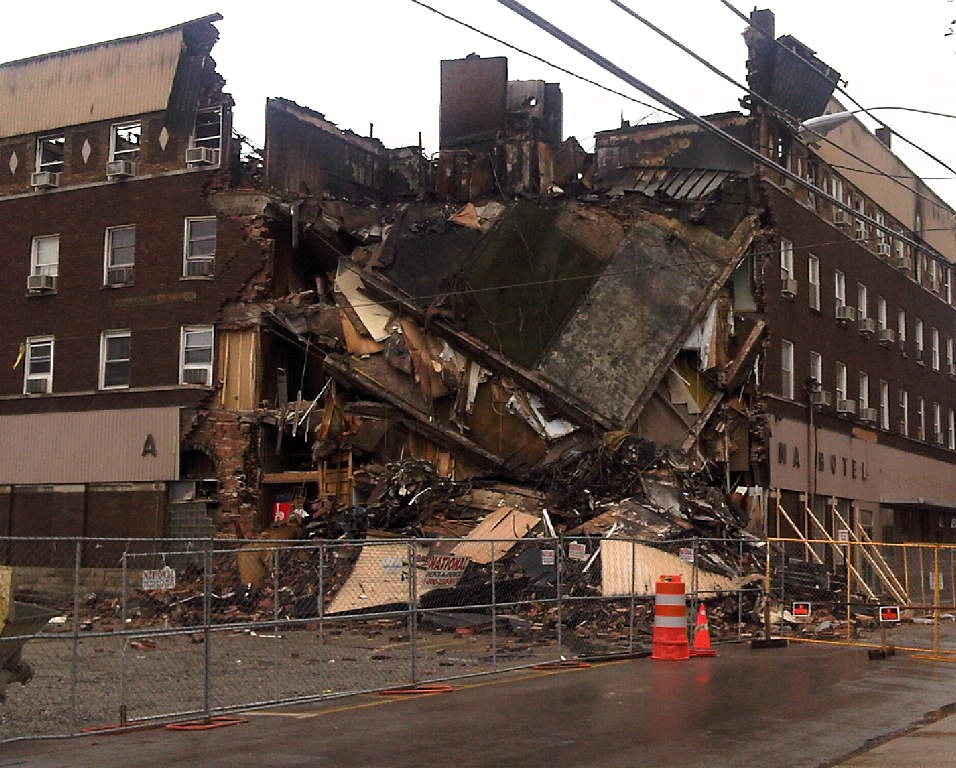
Nov. 15, 2010: The landmark Aracoma Hotel in Logan was damaged by fire. It was demolished later that year.
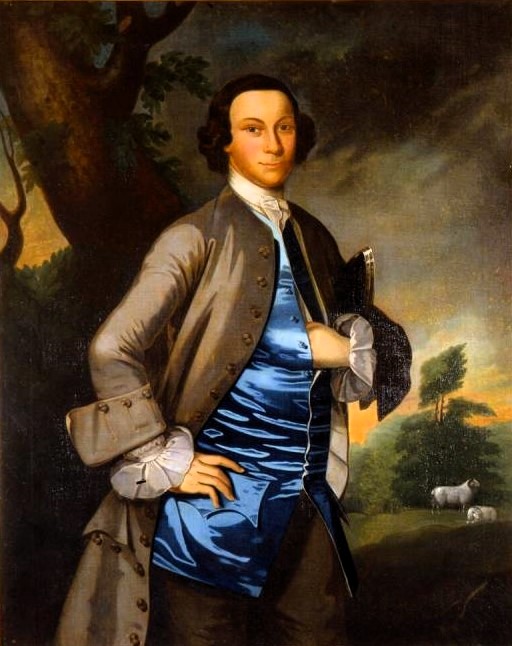
Nov. 16, 1734: Samuel Washington was born at Pope’s Creek, Va. In 1770, Samuel, a younger brother of George Washington, moved to present Jefferson County, becoming the first of many Washingtons to live in what is now West Virginia’s Eastern Panhandle.
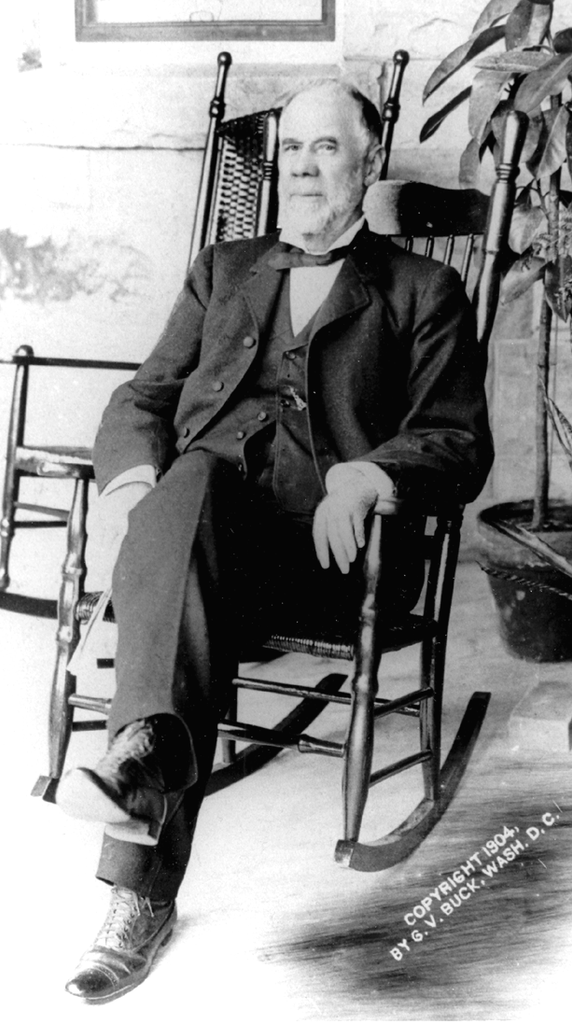
Nov. 16, 1823: Politician and industrialist Henry Gassaway Davis, known in the early 20th century as West Virginia’s “Grand Old Man,” was born in Baltimore, Md. In 1904, he was the Democratic Party’s vice presidential candidate.
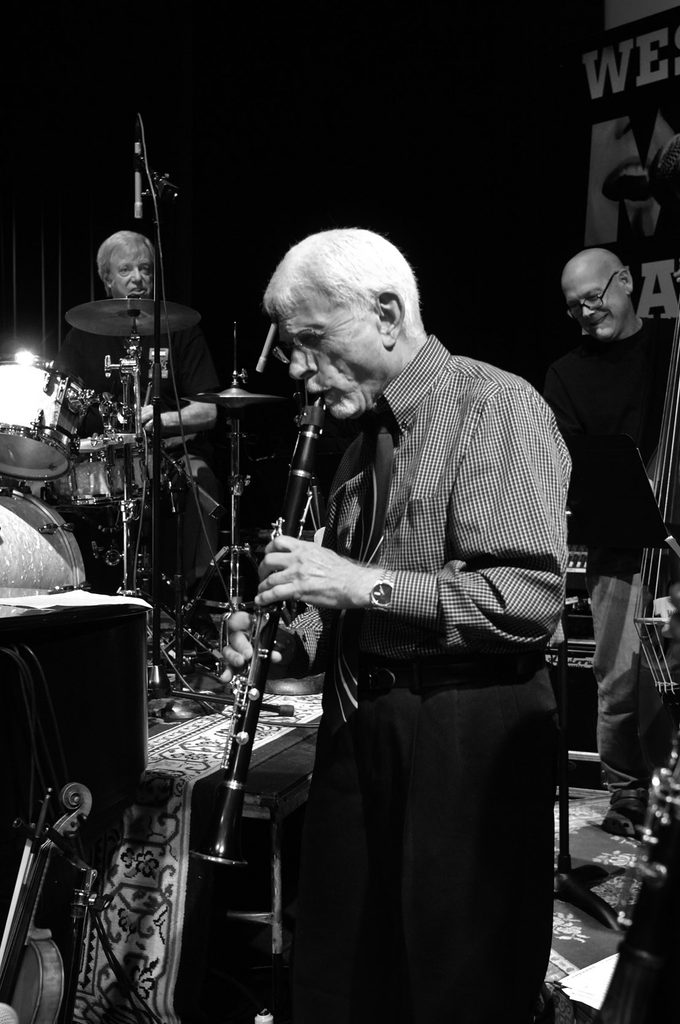
Nov. 17, 1927: Composer and performer Robert Drasnin was born in Charleston. He performed with classic combos and big bands such as Tommy Dorsey and Les Brown, and scored music for movies and television.
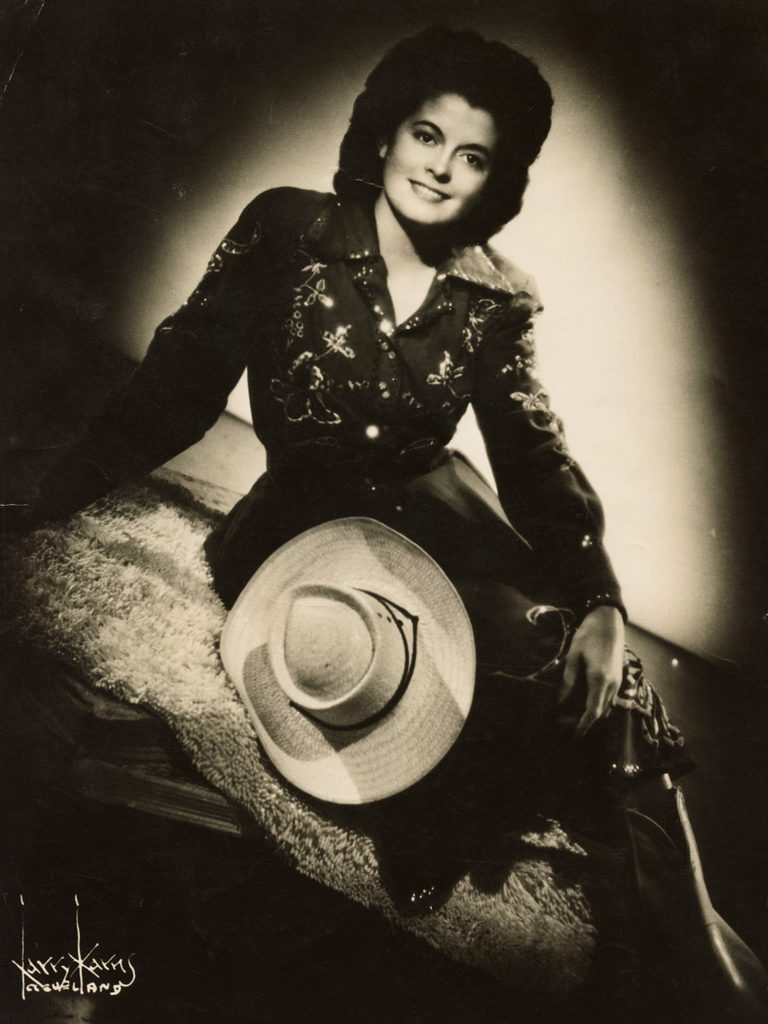
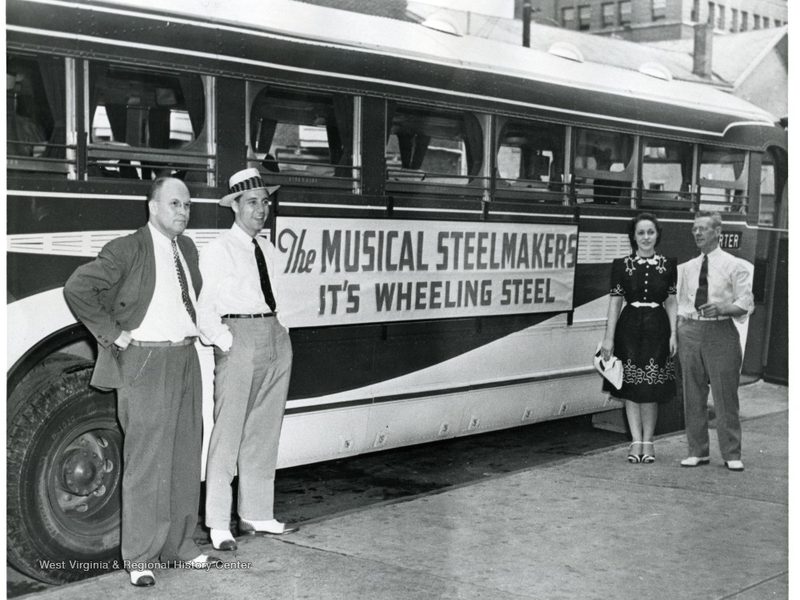
Nov. 18, 2007: Country singer Chickie Williams died. As wife of musician Doc Williams, she performed with his Border Riders band and appeared on the Wheeling Jamboree radio show.
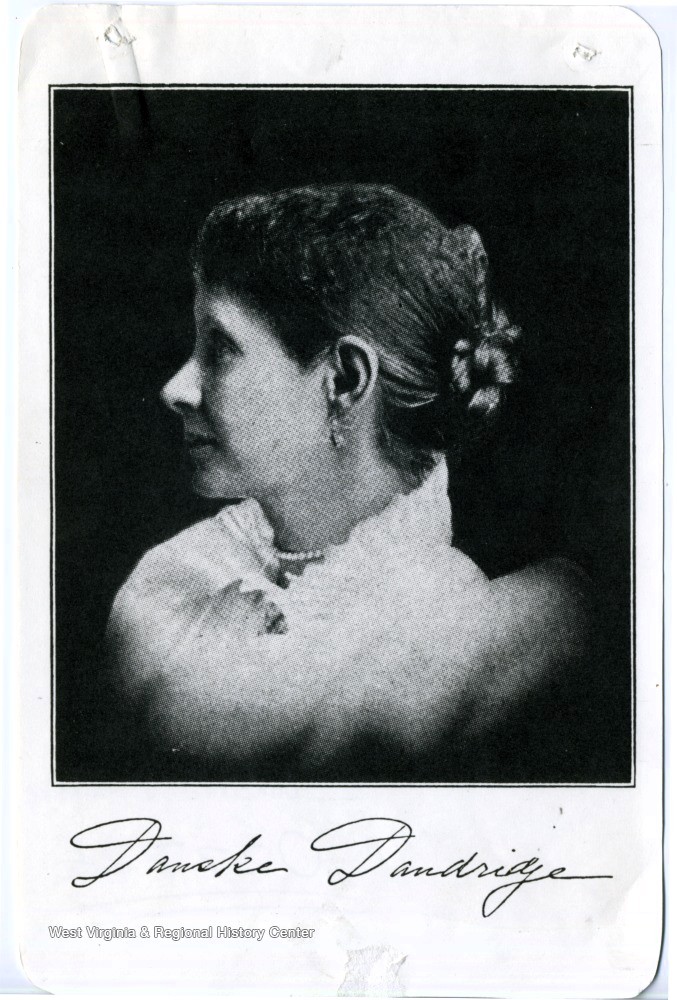
Nov. 19, 1854: Danske Dandridge was born in Copenhagen but spent most of her life in Shepherdstown, where she wrote poetry inspired by nature, family and religion. Her work appeared in Harper’s and The Century, and she published several books, including Historic Shepherdstown.
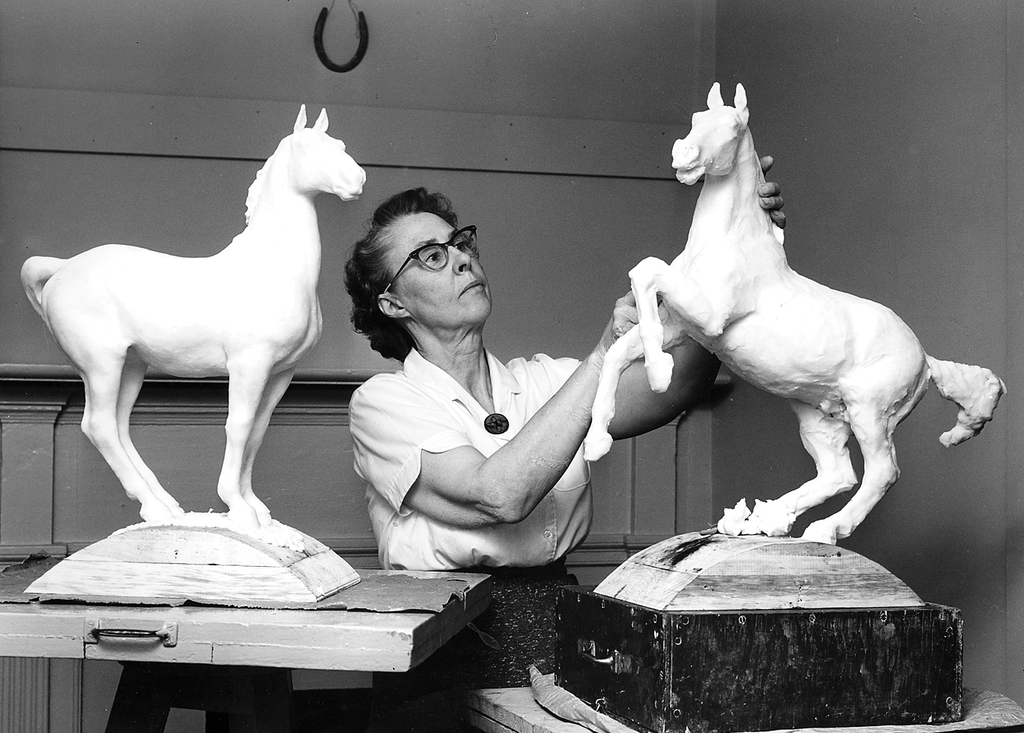
Nov. 19, 1899: Sculptor Gladys Tuke was born in Linwood, Pocahontas County. Tuke was a member of the original artist colony at The Greenbrier; during World War II, she taught at Ashford General Hospital, and later established a pottery and sculpture studio in White Sulphur Springs.
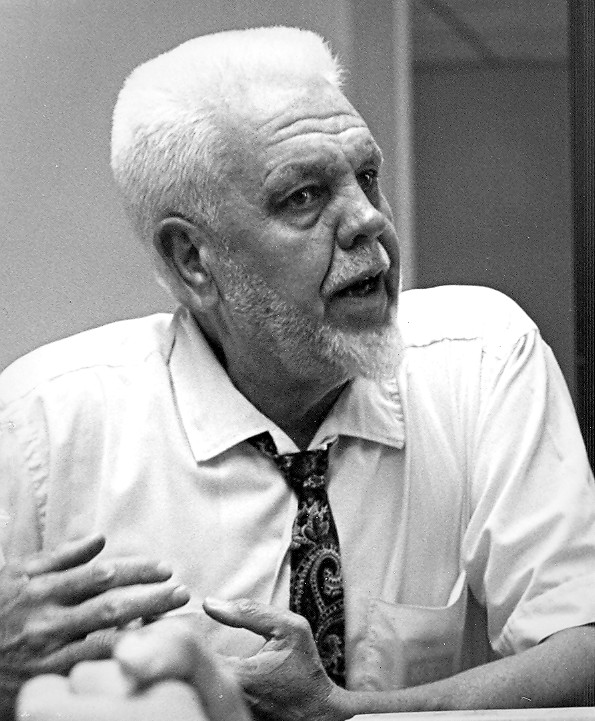
Nov. 19, 1900: William Page Pitt was born in New York City. In 1926, Pitt joined the faculty of Marshall College. Over the next 45 years, he built its journalism program into one with dozens of classes and hundreds of students. Marshall University’s W. Page Pitt School of Journalism and Mass Communications is named in his honor.
Nov. 19, 1909: The Lincoln County Courthouse was burned. With coal, oil and gas, and timber booming, arson was suspected for the purpose of destroying land records and confusing titles.
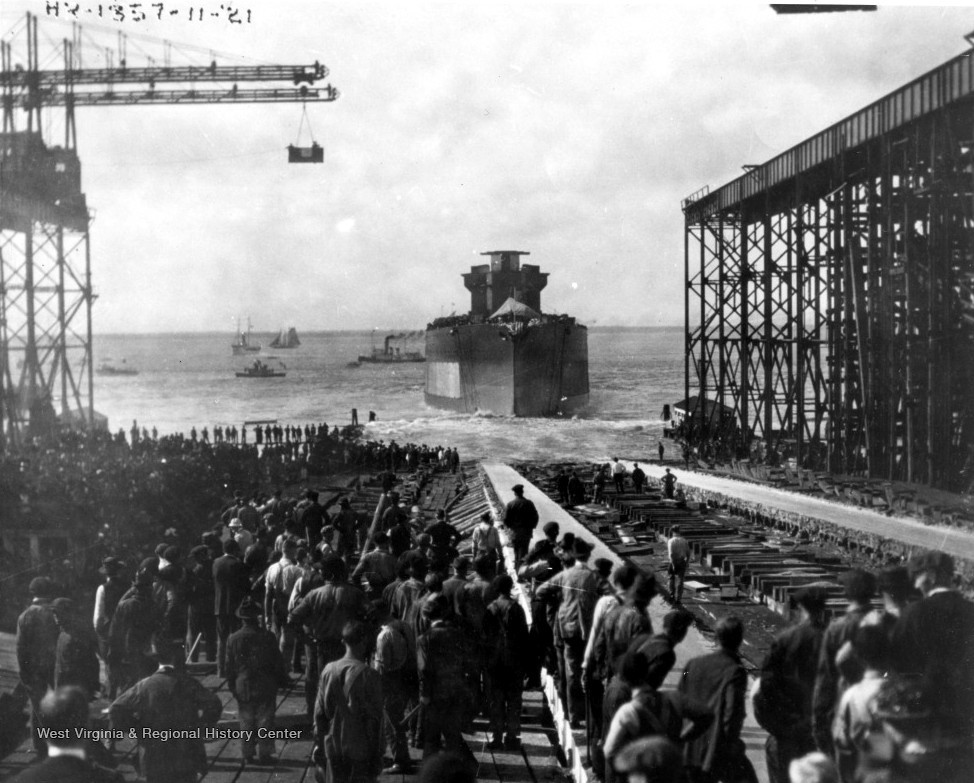
Nov. 19, 1921: The USS West Virginia was christened. It was one of six battleships at Pearl Harbor on the morning of December 7, 1941, that suffered massive damage from torpedoes and bombs in the surprise attack. It was rebuilt and joined the Seventh Fleet for the invasion of the Philippines.
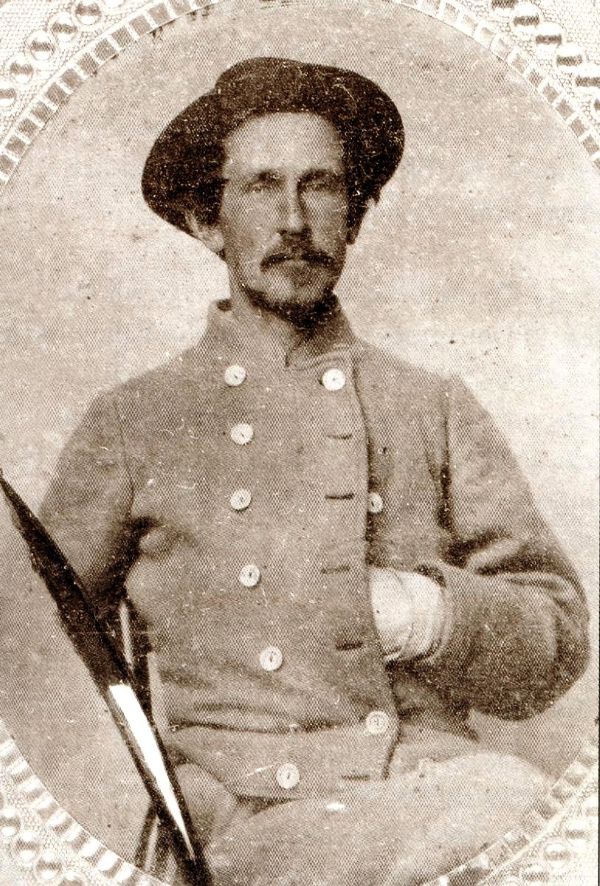
Nov. 20, 1831: John Q. Dickinson was born in Virginia. He came to the Kanawha Valley in 1865 to restore his family’s salt works at Malden. He helped establish the Kanawha Valley Bank, which grew into Charleston’s largest financial institution, and became a leader in the coal, gas and oil industries.
Nov. 20, 1894: Eight men were killed in a coal mine disaster near Colliers, Brooke County. They were using a dangerous method called “shooting from the solid,” meaning that they blasted the coal loose without first undercutting it.
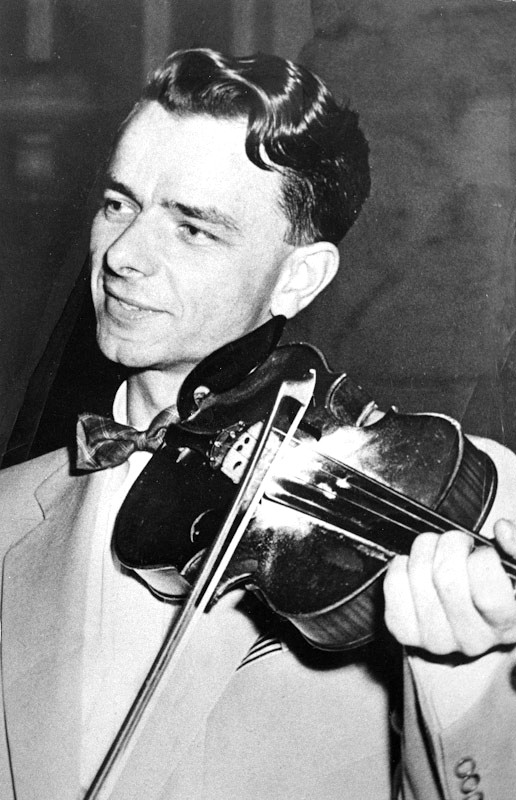
Nov. 20, 1917: Robert C. Byrd was born in North Wilkesboro, N.C. He was elected to the U.S. Senate in 1958 and remained in office until his death in 2010.
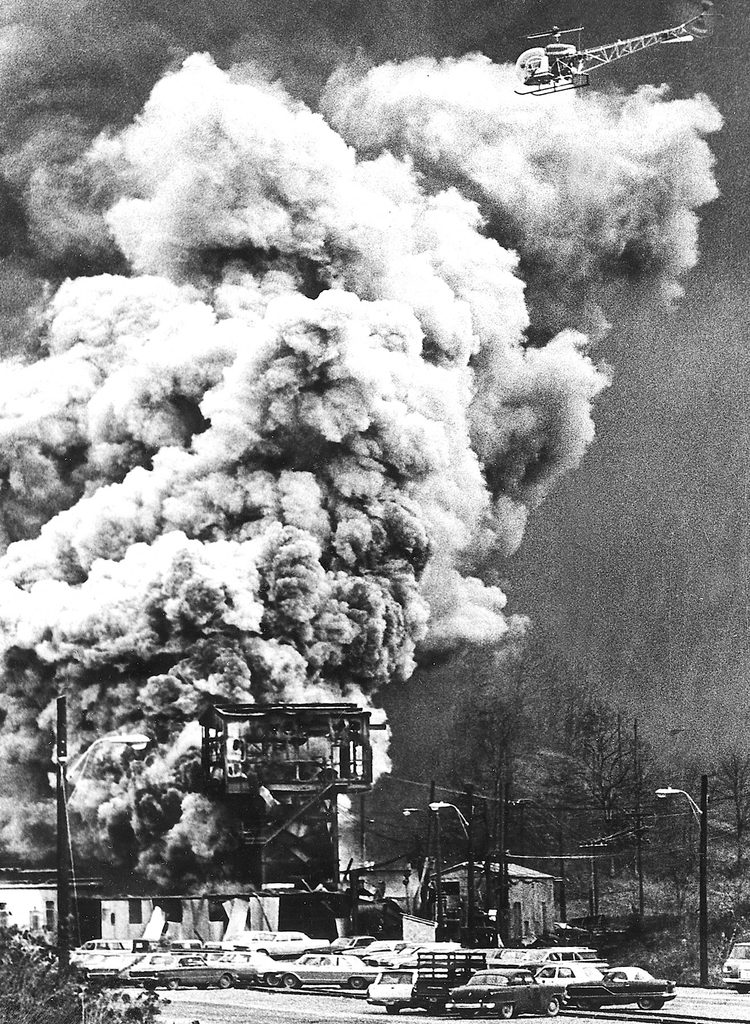
Nov. 20, 1968: An explosion at Consolidation Coal Company’s No. 9 mine near Farmington, Marion County, killed 78 men. The disaster brought national attention to mine safety. It is West Virginia’s deadliest underground coal mine disaster since 1940.
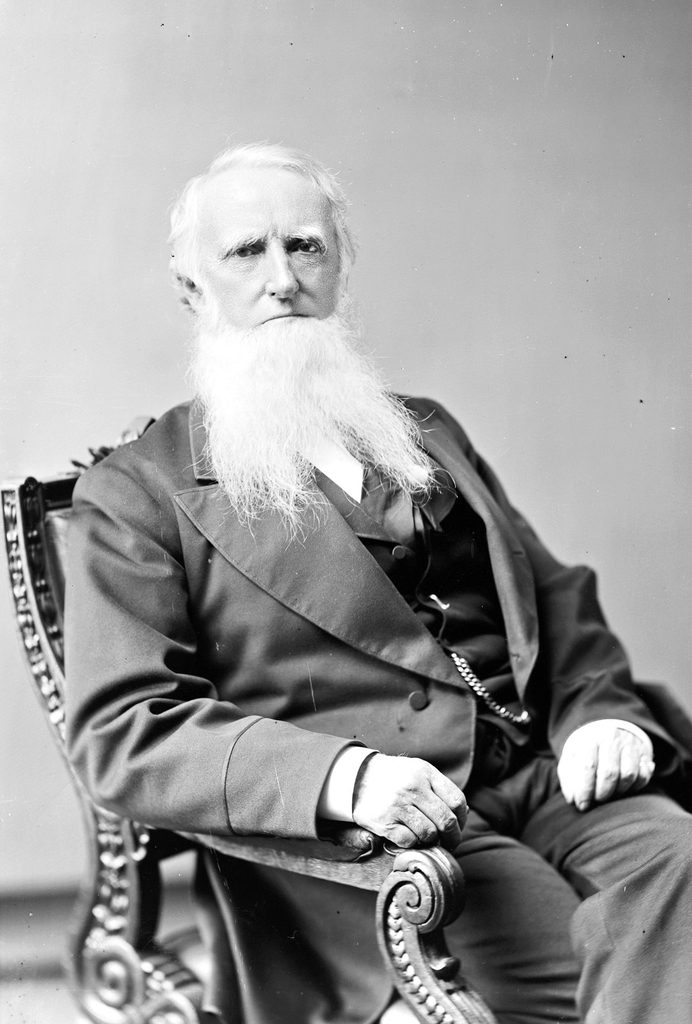
Nov. 21, 1810: Allen Taylor Caperton was born in Monroe County. Caperton served in the Confederate Senate during the Civil War and in the U.S. Senate from 1875 to 1876.
e-WV: The West Virginia Encyclopedia is a project of the West Virginia Humanities Council. For more information contact the West Virginia Humanities Council, 1310 Kanawha Blvd. E., Charleston, WV 25301; (304) 346-8500; or visit e-WV at www.wvencyclopedia.org.
Author

Related Articles
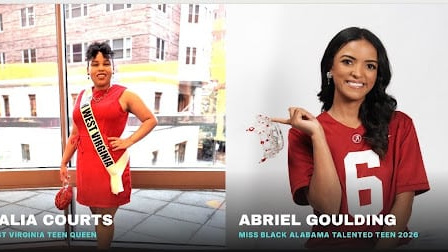
BLACK BY GOD: Youth voices rising: A West Virginia teen queen asks what young people need to thrive
At Miss Black USA Nationals, Malia Courts talks with Alabama’s Abriel Goulding about literacy, family time and the pressure to grow up fast