State nonprofits brace for AmeriCorps cuts
By Stephen Baldwin, RealWV
In the early 1990s, then-President Bill Clinton began AmeriCorps, a program designed as a domestic Peace Corps. As an independent agency of the federal government, its purpose is to promote service and volunteerism.
Sarah Riley, who serves as Executive Director of High Rocks in Pocahontas County and works with AmeriCorps members on a daily basis, says the program makes a huge impact here in the Mountain State.
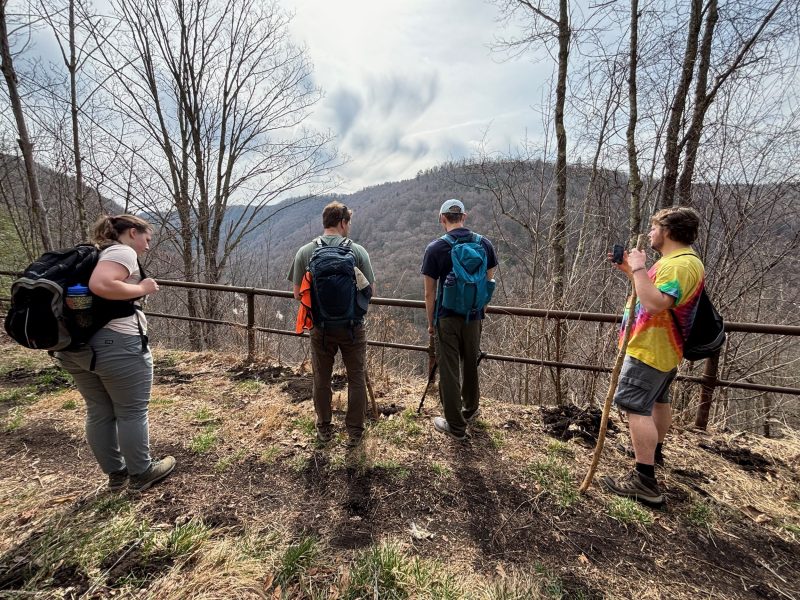
“Our WV AmeriCorps programs and members have such a powerful positive impact on our state and our communities, not only for the kids they mentor, the trails they build, the critical organizations they give capacity to, or how they come through for all of us when we need them most when our communities flood or when we face any natural disaster, but also through the critical workforce development pathways that AmeriCorps provides to keep, grow, and retain the key workforce talent that our state needs to continue to grow and thrive.”
Currently, more than 2,900 people are employed in Americorps positions across West Virginia. The economic impact of their work on an annual basis is $21 million.
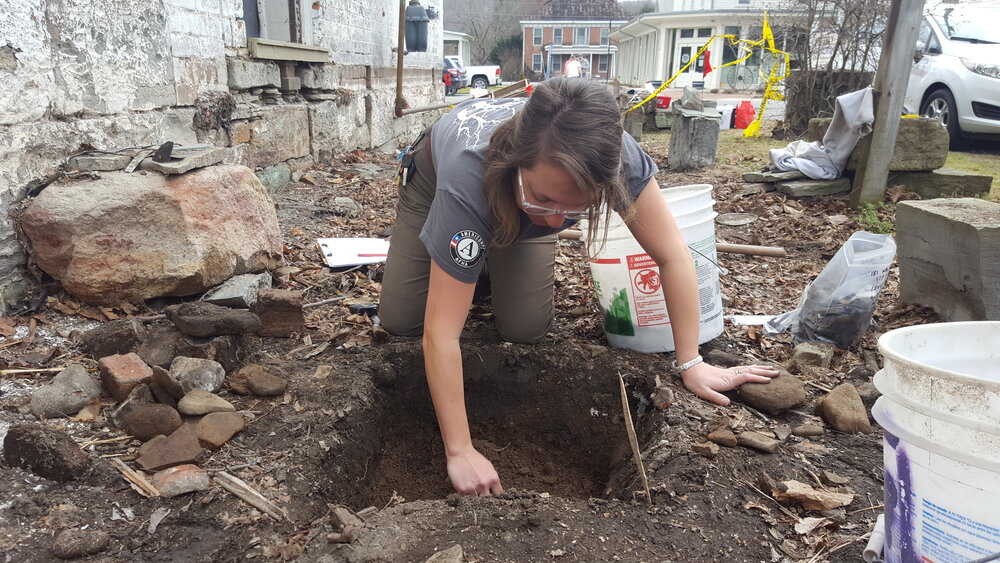
Nonprofits employ “members” (those who work for Americorps) at more than 400 sites in the state. They work in areas such as foster grandparent support, historic preservation, community planning, trail development, conservation, educational support services, and more.
Two weeks ago, the Associated Press reported that Elon Musk’s Department of Government Efficiency (DOGE) was eyeing major cuts to AmeriCorps.
“The initial headlines were a little misleading,” says Logan Smith, Executive Director of the National Forest Heritage Area located in Elkins, WV. “They didn’t wipe out the program; they did send everyone (staff) home for a while.”
According to the Washington Post, DOGE initially benched 85% of AmeriCorps’ 500 federal employees.
That left nonprofit directors like Smith in the dark about the program’s future.
“The last we’ve heard is that federal staffing will be reduced,” Smith said in a Thursday interview. “We’re hoping that Americorps will take a look at where they are, do some streamlining, reduce some overhead, and find a modified version of how to continue providing a fantastic program with huge return on investment.”
But by Friday, the story took a new turn as DOGE ordered Americorps’ remaining staff to cancel more than $400 million in grants, as first reported by the Washington Post.
The grant cancellations total more than 40% of the AmeriCorps budget. How will West Virginia nonprofits be impacted? It’s unclear at this point. An anonymous list of programs expected to be cut, including multiples programs in West Virginia, has been circulating in recent days but has yet to be confirmed.
RealWV reached out to the lead state partner for AmeriCorps in West Virginia for comment but did not receive a reply immediately.
According to Sarah Riley, “Cuts were (made) across the country. Some states lost their entire programs like California, Maine, Kansas, Alabama, Wyoming, Connecticut, and Oregon.”
Her colleagues say five programs in West Virginia have already been cut and additional state and national grant cuts are forthcoming, including potentially for her own organization, High Rocks.
“There does not seem to be any rhyme or reason to the cuts that we or anyone we have talked to can see,” she says. “We are deeply concerned.”
What AmeriCorps members are doing across West Virginia now
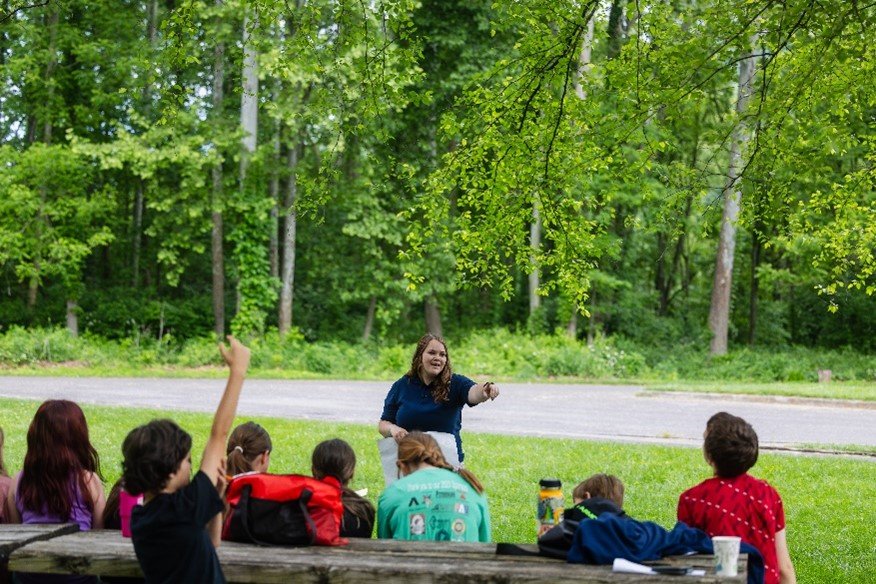
Logan Smith says he’s welcomed members of AmeriCorps since 2007. This year, they are staffing 30 full-time positions.
“They do things like water quality assessments and trail assessments that wouldn’t get done at all without their work,” Smith notes. “They’re also being used in schools for conservation.”
Smith says the positions attract a very particular type of person. “They’re usually college graduates filling a gap year before graduate school, getting experience in their field and wanting a foot in the door with federal agencies. They are career-path organizations. This is networking for them, building relationships.”
And he says many of them choose to stay in West Virginia after their initial service via AmeriCorps.
“About 80% of them come from out of state, and I can count a dozen who have stayed in Elkins,” he notes. “When you bring in high quality citizens and workers, the program pays for itself.”
Smith says he hopes the federal government is aware of the return on investment AmeriCorps members provide. “You can’t throw out the baby with the bathwater. We have 30 members and then we impact ten times that many people as volunteers. That’s huge.”
But Smith says three of his AmeriCorps members have left the program in the last few weeks over the looming uncertainty.
“They’ve started looking for other work,” he says. “Denying federal obligations is not a way to run a business.”
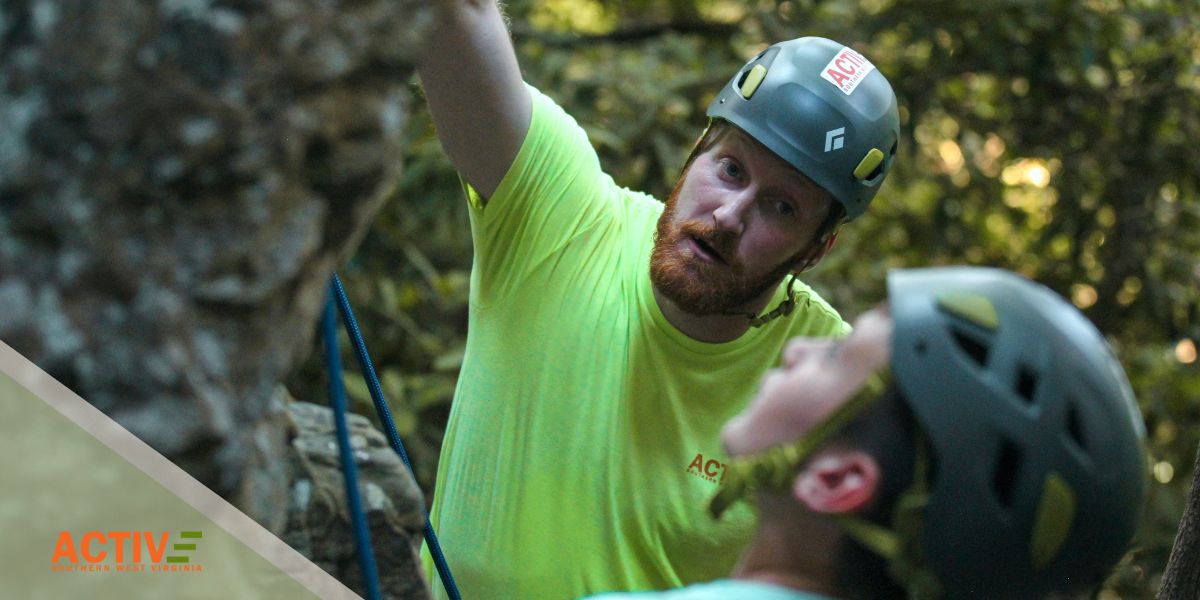
Melanie Sieler runs Active Southern WV, a nonprofit dedicated to improved health outcomes. She too argues that the return on investment is a huge win for West Virginians.
“These AmeriCorps members receive a living stipend equivalent to the poverty level of income for West Virginia,” she says, but thanks to their efforts more than 8,000 people participated in community exercise programs last year.
Courtney Summers served in the program for two years and decided to stay.
“AmeriCorps gave me more than skills—it gave me direction and confidence to pursue a meaningful career in the nonprofit sector. Today, I proudly serve as the Community Impact Director at United Way of Monongalia and Preston Counties, continuing the work I began as a VISTA.”
Tuition support for Americorps members in WV
West Virginia became a national leader in 2022 by passing legislation to provide Americorps workers with tuition assistance for their service. That program brought in young people such as Ashlea Krasnansky, who is now the AmeriCorps Student Director at the Marshall University First2 Network Institutional Team.
“(The program) It certainly has helped me to remain optimistic about the state’s future as it has opened the door to a world which I did not know previously existed; this program helped me to deeply and meaningfully connect with people across the state of West Virginia (and beyond) which in turn taught me more about myself. By further connecting with my community, I developed a stronger sense of heritage and pride in my state – a place where I am honored to raise my children.”
Sarah Riley has been organizing calls among state nonprofit leaders and Americorps members over the last two weeks. While she holds out hope that AmeriCorps programs in WV might be spared, she is also asking people to contact their Congressional representatives to ask them to support AmeriCorps and to share their own stories about service with High Rocks and the world.
She told folks late last week, “I know this news is scary, but I know that we are better with information, and better together.”
Stay tuned to RealWV for updates on what state programs will be impacted by federal cuts.