Morrisey says the state has enough money to once again reduce personal income taxes
By Autumn Shelton, RealWV
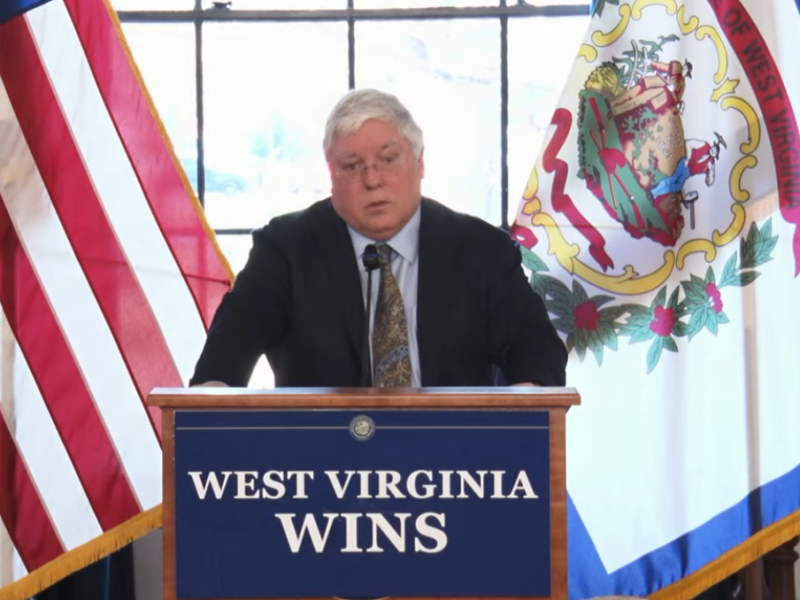
CHARLESTON, W.Va. – During a Monday afternoon press conference, Governor Patrick Morrisey discussed his administration’s year two priorities. And, those priorities show a continuance of working on the “fundamentals” of economic development – this includes personal income tax cuts and tax code simplification.
“I think that’s important because West Virginians are still feeling the impact of inflation,” Morrisey said of his proposed tax relief plan. “They were suffering for a long time. People know that groceries cost more, gas has costed more, utilities have costed more. I think we need to change that, and we need to make sure that we’re doing more to help everyday West Virginians. That’s why I want to cut the income tax.”
Morrisey explained that the state can afford to pursue an additional income tax reduction because total general revenue collections for the first six months of the current fiscal year have reached $128 million over estimate, driven by personal income tax strength and consumer sales tax collections.
“I would note that despite the nearly six percent reduction in income tax rates that occurred last year, our collections are nearly flat for this fiscal year, and in consumer sales taxes they’re up nearly 10% for this fiscal year,” Morrisey said. “I think that shows that when we put more money back in people’s pockets, people certainly know how to spend it wisely and that can be used to stimulate our economy further.”
According to a press release from the West Virginia Department of Revenue, fiscal year-to-date personal income tax collections totaled $1.07 billion and consumer sales tax collections totaled $979 million.
Morrisey added that other states, including Kentucky and Ohio, are considering personal income tax reductions for 2026, which will require West Virginia to “double down” and reduce its own personal income tax, a part of the governor’s “Backyard Brawl” initiative.
“Currently, West Virginia has a graduated income tax structure with the top rate of 4.82%,” Morrisey said. “In this competitive world, we have to keep up with our neighbors and we have to be better.”
Back in 2023, then Governor Jim Justice signed House Bill 2526 into law. This legislation reduced the state’s income tax by 21.25% for that year. Then, in 2024, Senate Bill 2033 was signed into law, which further reduced income taxes and set forth a new income based tax rate structure that became effective Jan. 1, 2025. Any future income tax rate cuts were to be determined based on the state’s revenue, according to the legislation.
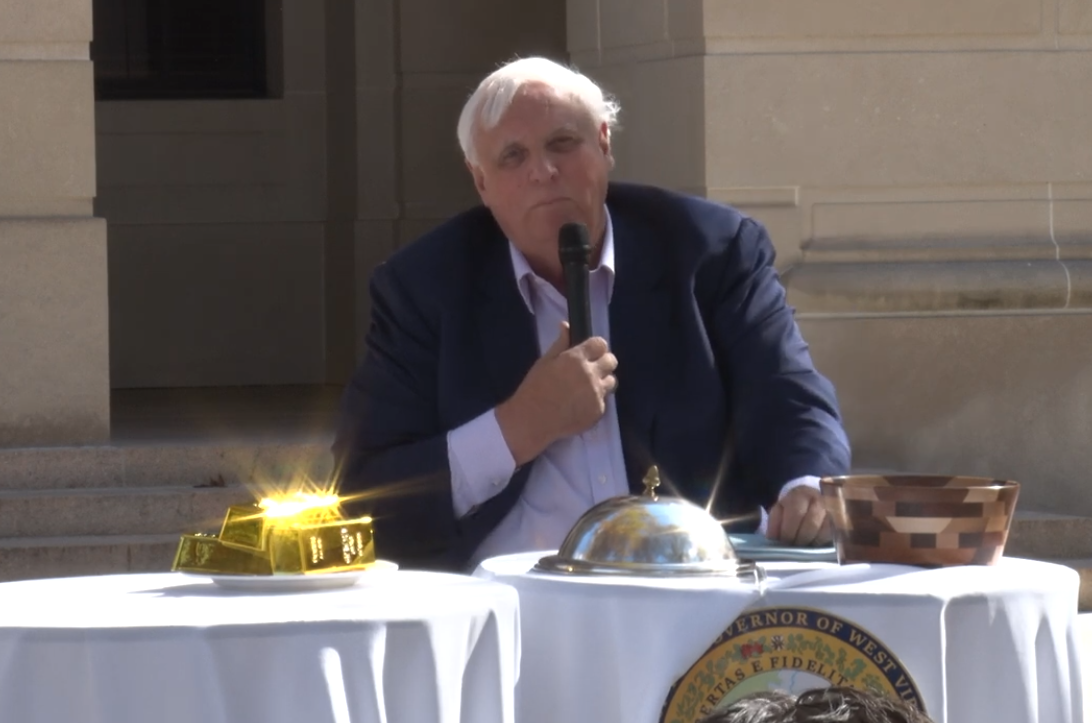
Now, with the anticipated revenue increase, Morrisey noted that his administration will work with the state’s legislature to determine a personal income tax reduction that benefits the citizens, while ensuring that essential services remain funded. He said his broad personal income tax reduction goal is between five to 10%, but noted that any reduction must be coordinated with the legislature.
As revenue from proposed data centers, set forth in House Bill 2014, begins to enter the state, Morrisey said this funding will contribute to the plan to reduce personal income taxes for the state’s residents.
Also included in Morrisey’s proposed tax relief package is a plan to align the state with the Trump administration’s One Big Beautiful Bill. According to Morrisey, this includes a Child and Dependent Care Credit from 35% to 50%, a restoration of bonus depreciation for qualified business properties, and an expansion in “domestic research and experimental expenditures for small firms.”
“There are really good provisions for small businesses that are in the Big Beautiful Bill that we can bring into conformance right here in West Virginia,” Morrisey said.
Other tax relief proposals include a reform of the historic rehabilitation tax credit, which Morrisey said is ineffective and fragmented, and an expansion of the Tourism Development Action tax credit, which will incentivize visitor infrastructure (lodging) growth in tourism.
Morrisey said that through work on the fundamentals – increasing the number of jobs, decreasing the personal income tax, cutting red tape, and investing in infrastructure – and through additional federal investments – such as broadband expansion funding and the recent $199 million secured for Rural Health Transformation, West Virginia is positioning itself to win.
“I know that when we all work together, West Virginia wins,” Morrisey said.
Related Articles

Affordability driving Gen Z to WV?
This story is part of RealWV’s year-long focus on youth and belonging in West Virginia, exploring the difficult decisions young people face when deciding whether to stay or leave.
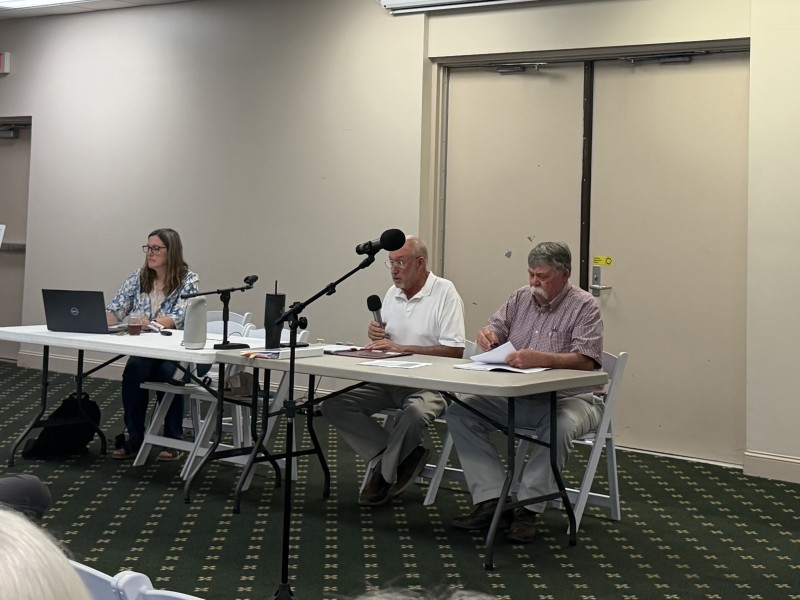
Residents press Greenbrier County Commission for answers on proposed zoning changes
The Greenbrier County Commission held the public hearing Sept. 15 as it continues considering a new zoning ordinance.

West Virginia Herpetology Symposium brings enthusiasts, researchers together at New River Gorge
Headlamps pierce the dark on a trail that runs along the cliff faces of New River Gorge National Park and Preserve