THIS WEEK IN WV HISTORY: March 15-21
Presented by the WV Humanities Council.
Charleston WV – The following events happened on these dates in West Virginia history. To read more, go to e-WV: The West Virginia Encyclopedia at www.wvencyclopedia.org.
March 15, 1822: Coal pioneer William Henry Edwards was born in New York state. In the 1850s, he opened early coal mines in the Kanawha Valley. As an avid entomologist, he documented at least 165 species of butterflies. His three-volume The Butterflies of North America became a standard in the field.
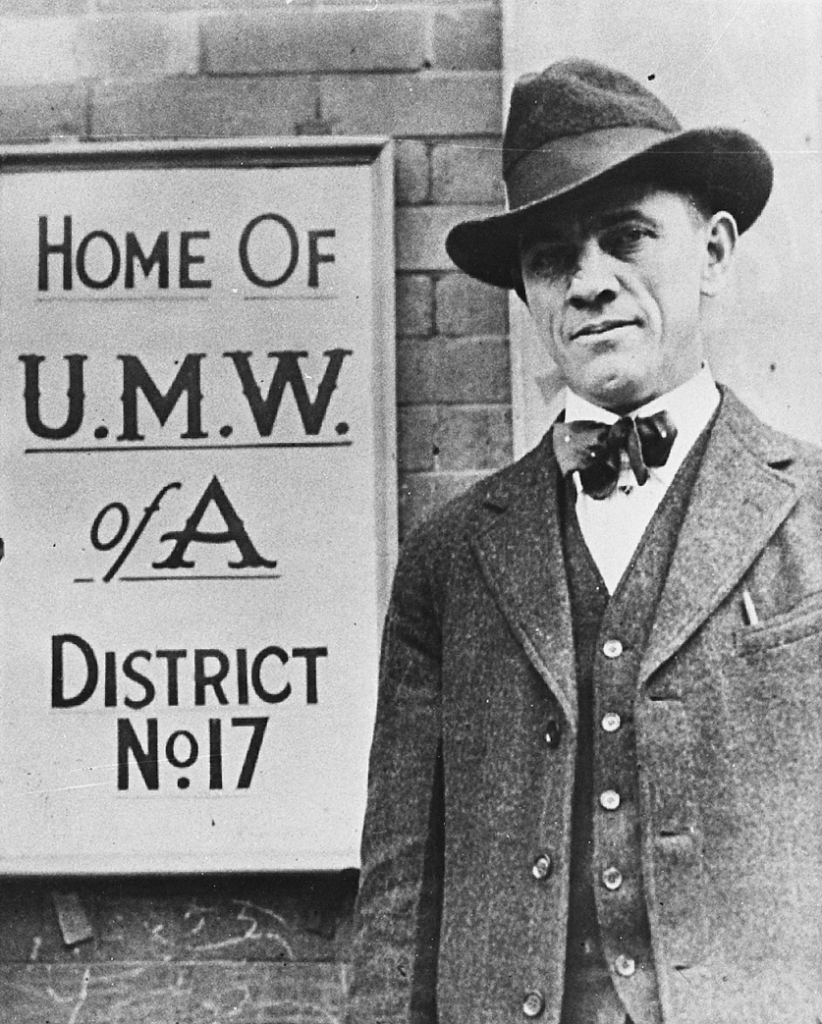
March 15, 1882: Union leader Frank Keeney was born on Cabin Creek, Kanawha County. Keeney, who went to work in the mines as a boy, became a rank-and-file leader during the Paint Creek-Cabin Creek Strike of 1912–13.
March 15, 1890: Architect Walter Martens was born in Illinois. After moving to Charleston, he won competitions to design prominent buildings across the state, including the current governor’s mansion.
March 15, 1952: Governor Earl Ray Tomblin was born in Logan County. He was elected as a Democrat from Logan County to the House of Delegates in 1974, when he was only 22 years old and still a senior at West Virginia University. After serving as president of the state senate, he was governor from 2010 to 2017.
March 16, 1906: Country musician Buddy Starcher was born Oby Edgar Starcher near Ripley. In 1946, Starcher cut his first recordings on Four Star, including his best-known composition, “I’ll Still Write Your Name in the Sand,” which became a hit in 1949.
March 16, 1922: WHD at West Virginia University received the first radio license in West Virginia.
March 16, 1954: Award-winning bluegrass musician and songwriter Tim O’Brien was born in Wheeling. He helped form the “new grass” band Hot Rize, and his songs have been recorded by Garth Brooks, Kathy Mattea and New Grass Revival, among many others.
March 17, 1837: Mercer County was created from parts of Giles and Tazewell counties and named for Hugh Mercer, a Revolutionary War general.
March 17, 1858: William Edwin Chilton was born in Coalsmouth, now St. Albans. A lawyer, U.S. senator and businessman, Chilton expanded Charleston’s electric streetcar system and was publisher and editor of the Charleston Gazette.
March 17, 1869: Historian and journalist Minnie Kendall Lowther was born in Ritchie County. One of the earliest women newspaper editors in West Virginia, she worked for the Pennsboro News, Wetzel Republican, West Union Record and Glenville Democrat.
March 17, 1891: West Virginia State University was founded as the West Virginia Colored Institute by the legislature. It was one of 17 Black land-grant colleges established under the Second Morrill Act of 1890.
March 17, 1912: Athlete Joe Stydahar was born in Pennsylvania. A star in football and basketball at WVU, he was the first-round selection of the Chicago Bears in the first NFL draft of college players in 1936.
March 18, 1932: Harry Powers was executed in Moundsville. He had been convicted of killing two women and three children at Quiet Dell, near Clarksburg, as part of a “lonely hearts” scheme. The murders inspired two prominent novels: Davis Grubb’s Night of the Hunter (1953) and Jayne Anne Phillips’s Quiet Dell (2013).
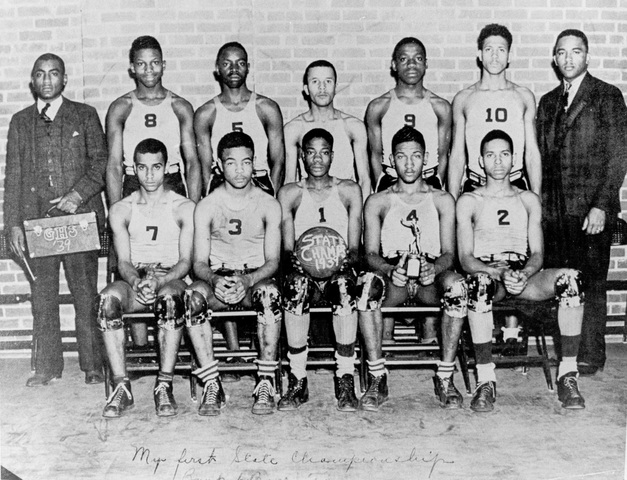
March 19, 1925: Basketball teams from 11 of West Virginia’s 24 Black high schools took the court at West Virginia State College (now University) in Institute for the first West Virginia Athletic Union (WVAU) state basketball tournament. Lincoln High School of Wheeling defeated Kimball, 25-24, in the final game to win the championship.
March 19, 1936: The Ohio River crested a record 15 feet above flood stage at Wheeling.
March 19, 1992: Four miners were killed at the Blacksville No. 1 Mine in Monongalia County while it was being sealed. Drainage pipes were being welded together, and a spark fell into the shaft, igniting methane gas.
March 20, 1849: Businessman James Kay was born in Scotland. He constructed the coke ovens at Hawks Nest, installed a cable car to carry coal across the New River, and installed a tramway to move miners and coal up and down the gorge face at Kaymoor.

March 20, 1897: Musician Frank Hutchison was born in Raleigh County. With a slide guitar sound akin to the bottleneck style, he helped instill a blues strain into modern country music and was influential among coalfield musicians.
March 20, 1936: Recurring storms led to major flooding on the Potomac River, hitting record levels in Harpers Ferry. The Ohio River at Parkersburg reached 10 feet above flood stage.
March 21, 1914: The first West Virginia boys’ high school basketball tournament began in Buckhannon. The event was sponsored by West Virginia Wesleyan College, which at the time had the state’s largest and finest gymnasium.
March 21, 2018: Sculptor Frank Gaylord died. Born 1925 in Clarksburg, his best-known work is “The Column,” a platoon of 19 larger-than-life, stainless steel soldiers comprising the central element of the Korean War Veterans Memorial in Washington.
e-WV: The West Virginia Encyclopedia is a project of the West Virginia Humanities Council. For more information contact the West Virginia Humanities Council, 1310 Kanawha Blvd. E., Charleston, WV 25301; (304) 346-8500; or visit e-WV at www.wvencyclopedia.org.
Author