This week in West Virginia history: February 16 through February 22
February 12, 2025
Charleston WV – The following events happened on these dates in West Virginia history. To read more, go to e-WV: The West Virginia Encyclopedia at www.wvencyclopedia.org.
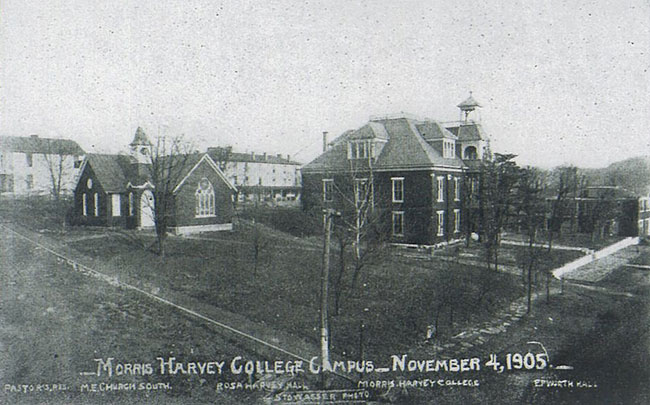
Feb. 16, 1821: Morris Harvey was born near Prosperity in Raleigh County. Harvey’s gifts to the Barboursville Seminary led to its name being changed to Morris Harvey College in 1901. The institution is now known as the University of Charleston.
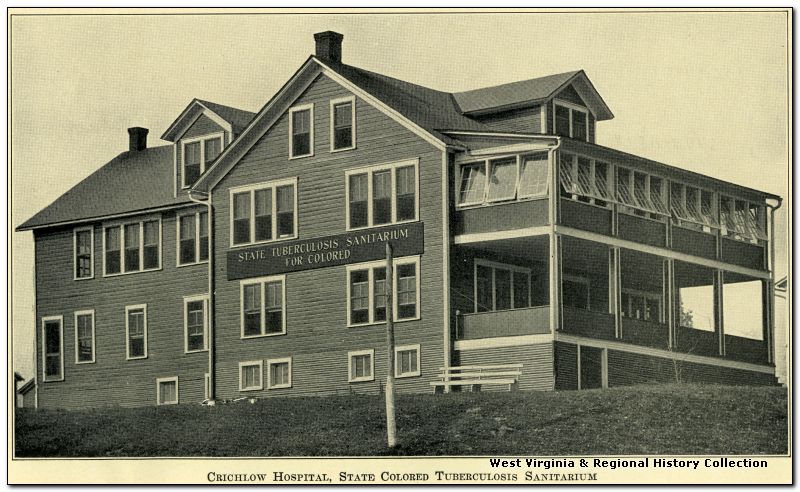
Feb. 16, 1917: The legislature established the West Virginia State Colored Tuberculosis Sanitarium for the care of Black TB patients. It was built at Denmar in Pocahontas County.
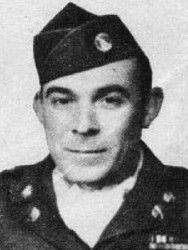
Feb. 16, 1951: Second Lieutenant Darwin Keith Kyle of Boone County died during an intense exchange against Chinese forces in Korea. He was awarded the Medal of Honor.
Feb. 17, 1735: Morgan Morgan of present-day Berkeley County was commissioned a captain of militia in the 201st Field Artillery, which is considered the oldest military unit in the United States.
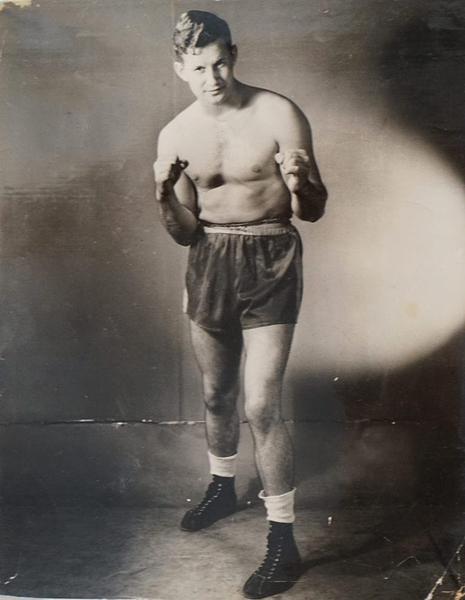
Feb. 17, 1930: Tunney Hunsaker was born in Kentucky and later became Fayetteville’s long-time chief of police. He was also a boxer and, in 1960, lost to a young Muhammad Ali (then known as Cassius Clay) in Ali’s first professional bout.
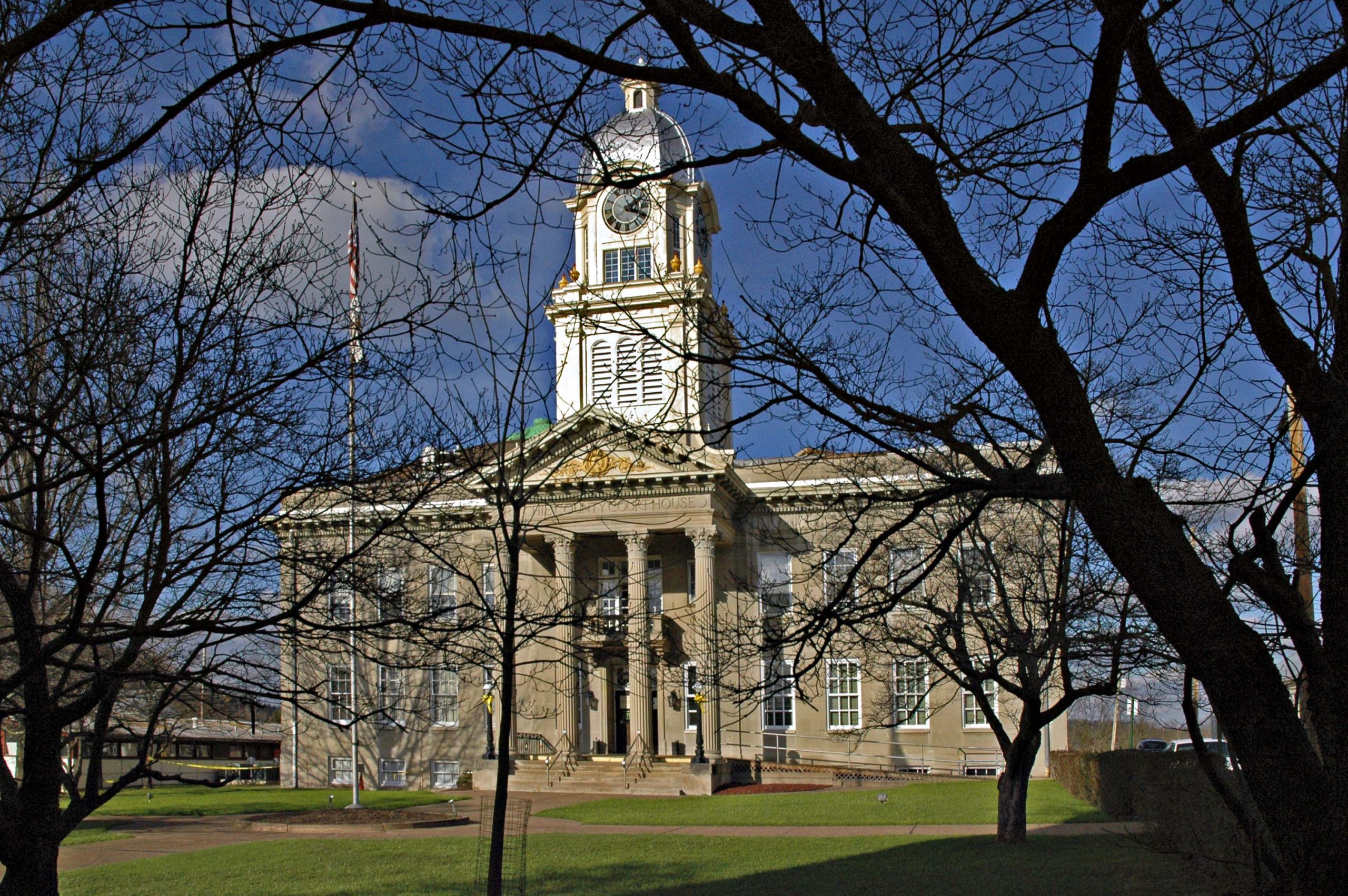
Feb. 18, 1843: Ritchie County was created from portions of Wood, Lewis, and Harrison counties. The county was named for Virginia journalist and politician Thomas Ritchie.
Feb. 18, 1890: Ellison Mounts, a cousin to the Hatfield family, was hanged for murder, ending the Hatfield-McCoy Feud.
Feb. 18, 1969: Hundreds of miners in Raleigh County went on strike over the issue of black lung. Within days, the walkout spread throughout southern West Virginia.
Feb. 19, 1908: Orval Elijah Brown was born near Lizemores in Clay County. Brown, a free-spirited individual, gained notoriety as the “Clay County Wild Man” during the Great Depression for his untamed physical appearance, which included a flowing beard and the wearing of little more than a self-made loincloth.
Feb. 19, 1943: Author Homer Hickam was born in Coalwood, McDowell County. Hickam’s second book, Rocket Boys: A Memoir, was published in 1998 and became a runaway bestseller.
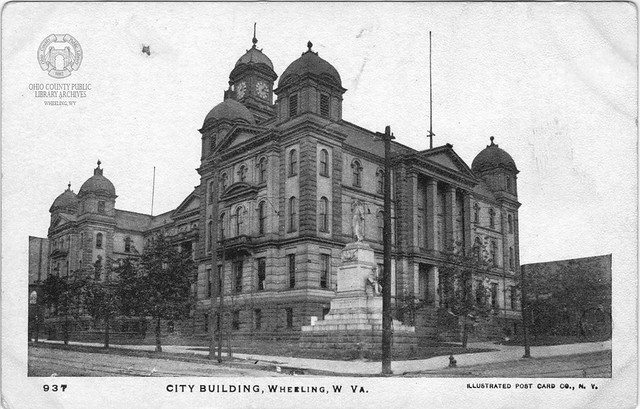
Feb. 20, 1875: The legislature approved a bill to move the state capital back to Wheeling.
Feb. 20, 1995: The legislature voted to make the Golden Delicious apple the official state fruit.
Feb. 21, 1895: Bluefield Colored Institute was established by the legislature to prepare Black West Virginians for the teaching profession. After several name changes, the school became Bluefield State College in 1943 and achieved university status in 2022.
Feb. 21, 1913: Workers’ compensation passed the legislature, modeled on the German system Governor Hatfield had studied in the Ruhr Valley coalfields.
Feb. 21, 1940: Former Governor Gaston Caperton was born in Charleston. Caperton defeated incumbent Arch Moore to become the state’s 31st governor.
Feb. 22, 1927: Longtime Agriculture Commissioner Gus R. Douglass was born in Mason County. Douglass, a Democrat, was first elected commissioner in 1964. Reelected nine times, Douglass was the longest serving agricultural commissioner in the country.
Feb. 22, 2018: 33,000 schoolteachers and service personnel from all 55 counties walked off the job over wages and health benefits. The strike drew national attention, and teachers in five other states organized work stoppages.

e-WV: The West Virginia Encyclopedia is a project of the West Virginia Humanities Council. For more information contact the West Virginia Humanities Council, 1310 Kanawha Blvd. E., Charleston, WV 25301; (304) 346-8500; or visit e-WV at www.wvencyclopedia.org.