THIS WEEK IN WV HISTORY: June 7–13
Presented by the WV Humanities Council,
Charleston WV – The following events happened on these dates in West Virginia history. To read more, go to e-WV: The West Virginia Encyclopedia at www.wvencyclopedia.org.
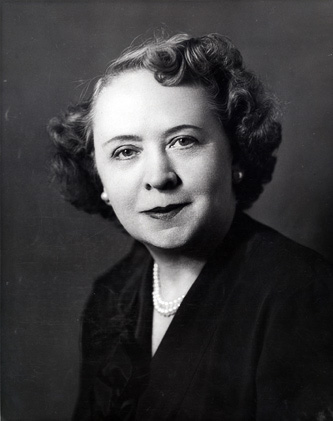
June 7, 1899: Congresswoman Elizabeth Kee was born in Radford, Virginia. In 1951, she became West Virginia’s first female member of Congress.
June 7, 1905: Fiddler David Frank “French” Carpenter was born in Clay County. A notable member of a famous musical family, he learned most of his music directly from his father, Tom, the “fiddling preacher.” He influenced the great fiddler and fellow Clay Countian Wilson Douglas.
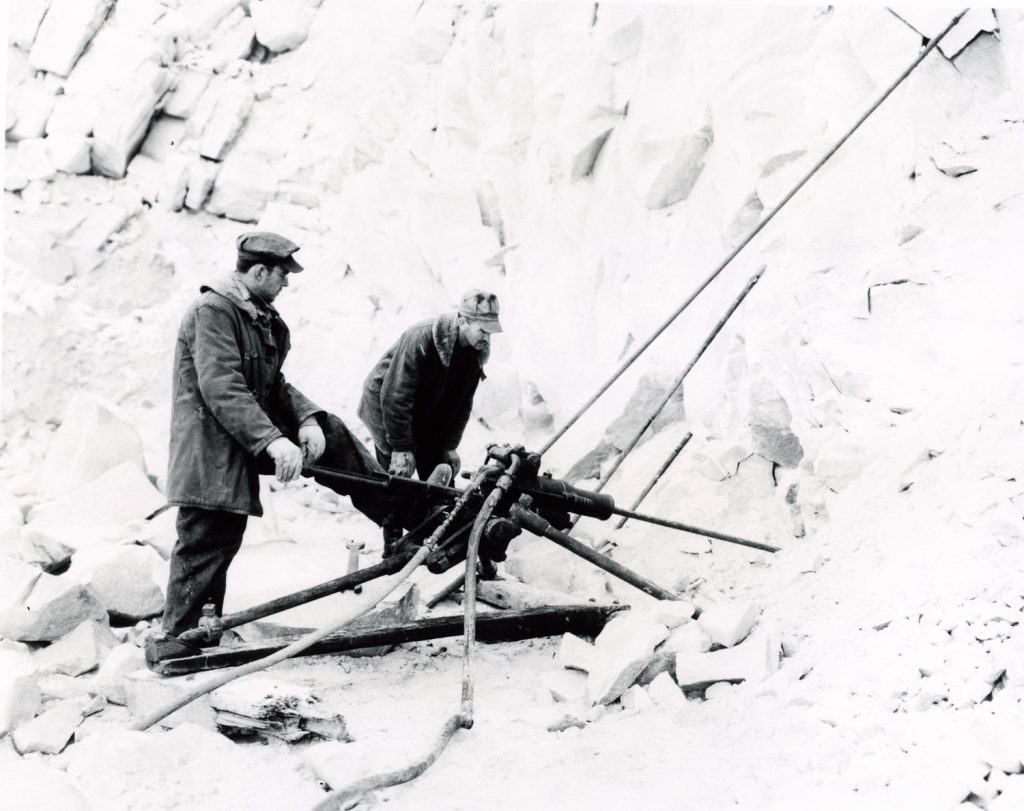
June 7, 1926: An explosion at a sand mining operation in Morgan County killed six men. Their deaths were the inspiration for the ballad “The Miner’s Doom.”
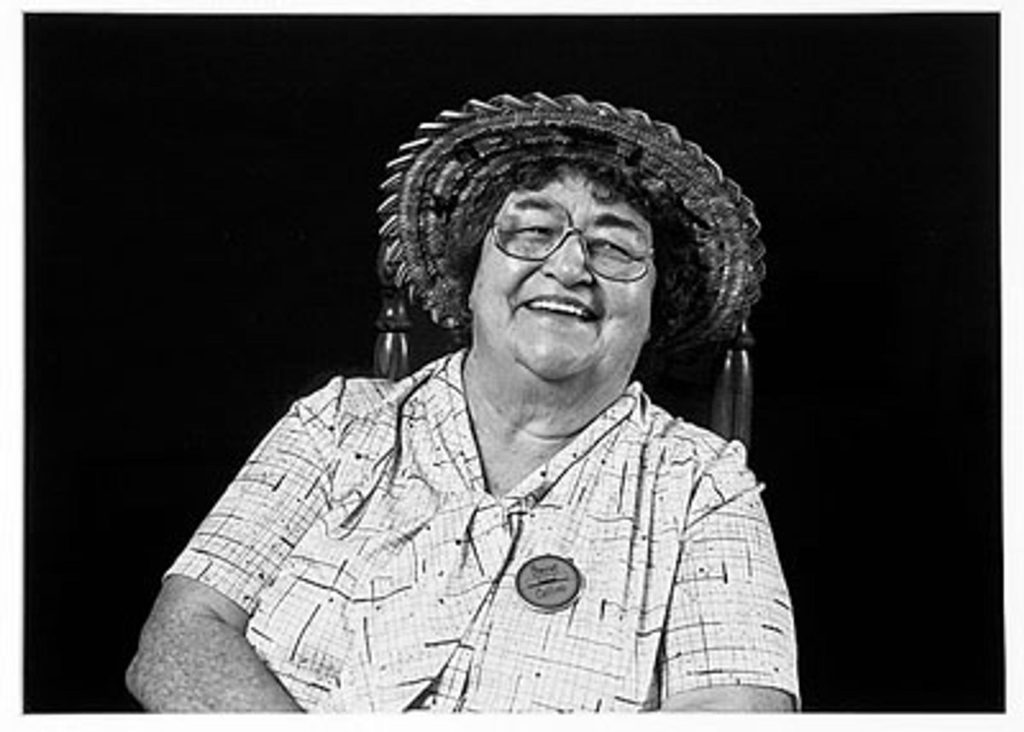
June 9, 1915: Storyteller Bonnie Starkey (Collins) was born in Doddridge County. In her 50s and 60s, the “Belle of Doddridge County” honed her storytelling skills and became a popular entertainer at the Morris Family Old-Time Festival, Stonewall Jackson Jubilee, state Folk Festival, Mountain State Art & Craft Fair, and Vandalia Gathering.
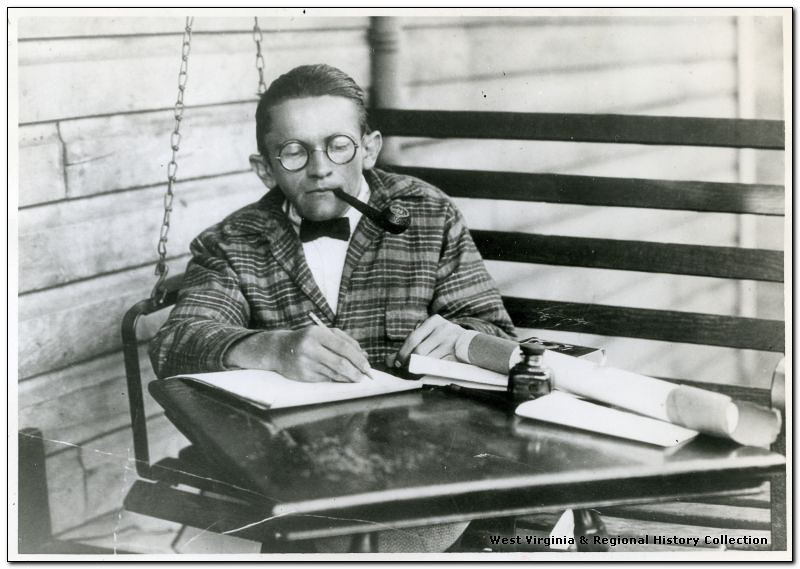
June 9, 1927: Karl Dewey Myers was named the state’s first poet laureate by Governor Howard Mason Gore. Myers held the post for 10 years.
June 10, 1775: The Berkeley County Riflemen were organized by Capt. Hugh Stephenson of Shepherdstown, in response to a call for Revolutionary War soldiers by Gen. George Washington.
June 10, 1921: Labor leader Daniel Vincent Maroney was born on Cabin Creek, Kanawha County. Maroney served as international president of the Amalgamated Transit Union from 1973 to 1981.
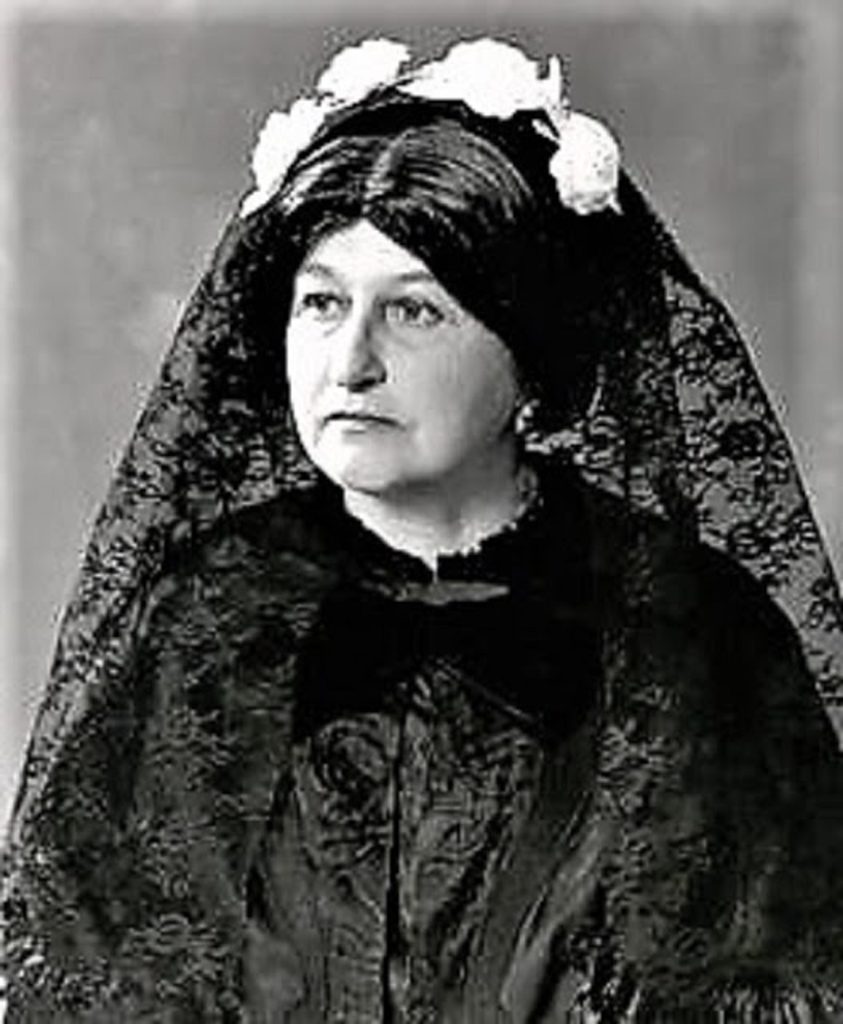
June 11, 1769: Journalist Anne Newport Royall was born in Baltimore. At 17, she moved to Monroe County. She later traveled across the country writing candidly about politics, people and places, all controversial for a woman journalist in the early 1800s.
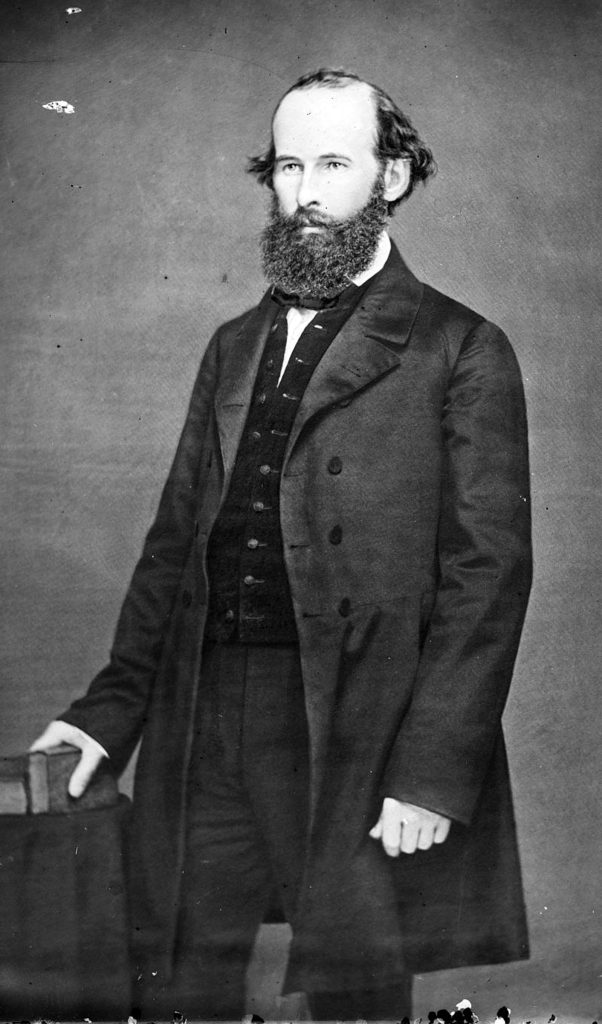
June 11, 1819: Abolitionist Eli Thayer was born in Massachusetts. In 1857, he founded the town of Ceredo, Wayne County, to encourage the growth of free labor communities in the South. His efforts faced strong political opposition and financial problems, and the project never grew as he had hoped.
June 11, 1866: Architect Elmer Forrest Jacobs was born in Preston County. His work can be seen particularly in downtown Morgantown, in residential South Park and on the West Virginia University campus. Most of his Morgantown buildings are now listed in the National Register of Historic Places.
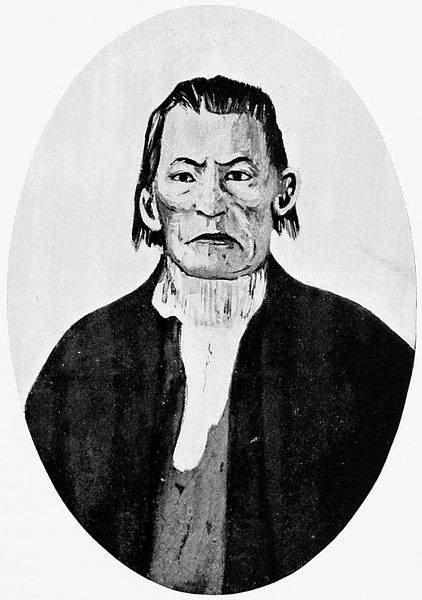
June 12, 1771: Frontiersman Patrick Gass was born in Pennsylvania and later relocated to Brooke County. Gass joined the Lewis & Clark Expedition in Illinois Territory and kept a daily account of the exploration. His journal, published in 1807, was the only complete published account of the expedition until 1814. Gass is buried in Wellsburg.
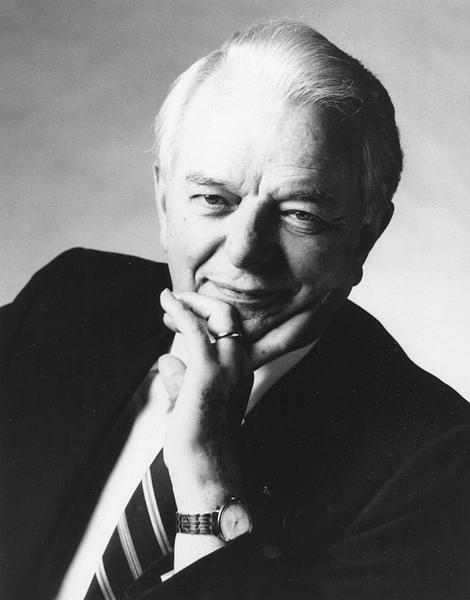
June 12, 2006: Robert C. Byrd became the longest-serving U.S. senator in history. He served in the Senate from 1959 until his death in 2010. His record was broken in 2013, by Congressman John Dingell, a Michigan Democrat, but Byrd still retains the Senate record.
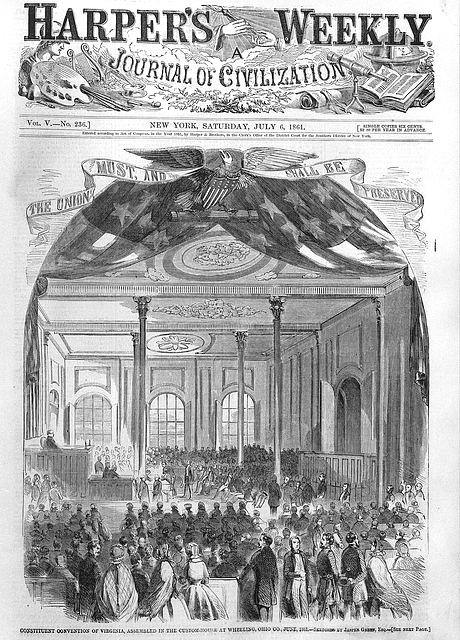
June 13, 1861: The Second Wheeling Convention began in the federal courtroom of the Wheeling Custom House. This convention declared the Confederate state government in Richmond illegal, created a Reorganized Government of Virginia loyal to the United States, elected Francis Pierpont governor of Virginia, and called for the western counties to be formed into a new state.

June 13, 1928: Mathematician John Forbes Nash Jr. was born in Bluefield. In 1994, Nash was honored with the Nobel Prize in Economics. He was the subject of a best-selling biography, A Beautiful Mind, which was later made into a movie.
e-WV: The West Virginia Encyclopedia is a project of the West Virginia Humanities Council. For more information contact the West Virginia Humanities Council, 1310 Kanawha Blvd. E., Charleston, WV 25301; (304) 346-8500; or visit e-WV at www.wvencyclopedia.org.
Author

Related Articles
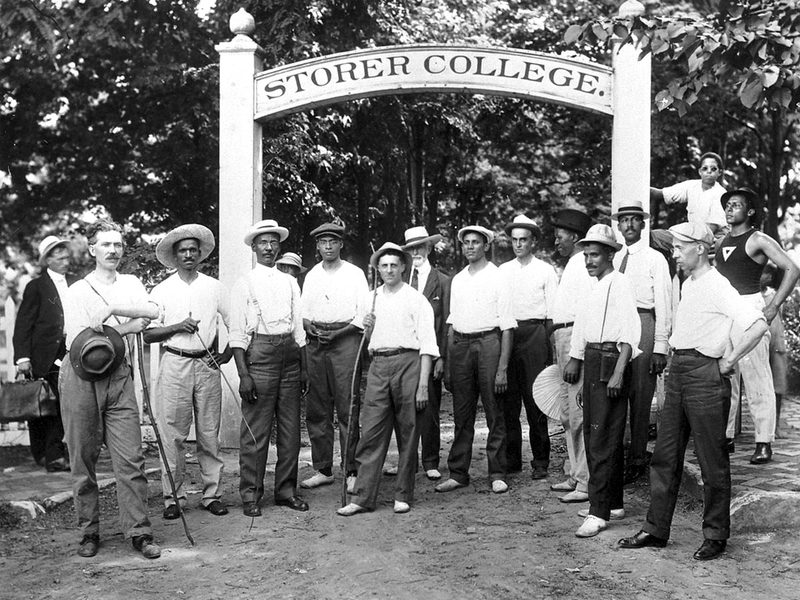
THIS WEEK IN WV HISTORY: Sept. 27–Oct. 3
The following events happened on these dates in West Virginia history.
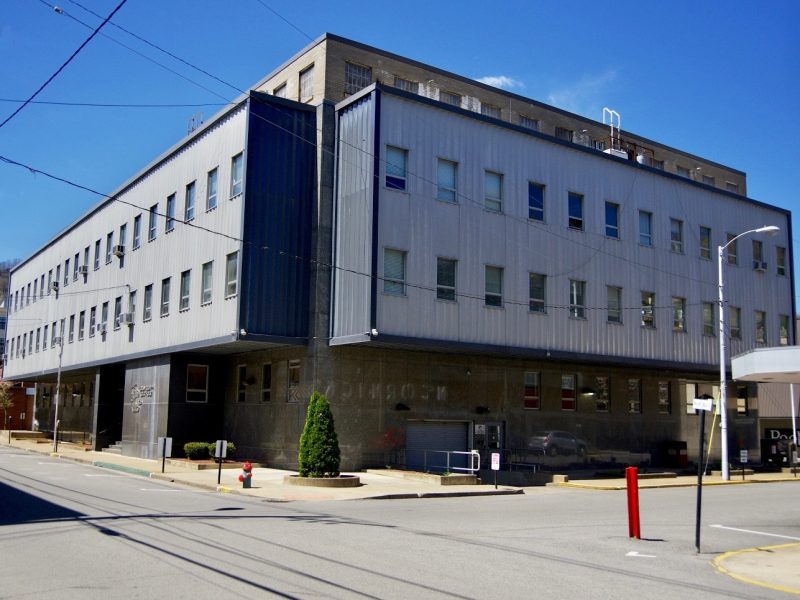
THIS WEEK IN WV HISTORY: Sep 20-26
The following events happened on these dates in West Virginia history.