
West Virginia farm finds potential profitability in H-2A program
By Jenny Harnish, RealWV
This story was produced with support from the Pulitzer Center
EDITOR’S NOTE: This story has been updated for clarity.
Jennifer Gilkerson has been in the strawberry growing business for 15 years, but her farm has never been profitable. The farm was in a lot of debt when she decided to apply for the USDA’s Farm Labor Stabilization and Protection Pilot Grant Program in 2024, which promised to reimburse her $100,000 for the cost of hiring and housing two migrant workers for two seasons.
“We’ve been in business since 2010 and we’ve never been a profitable business with American workers and that’s the reality of it,” she said.
But soon after paying out thousands of dollars of her own money to a labor agency to find the workers, the Department of Government Efficiency (DOGE) cuts took place and her contact at USDA disappeared.
Panic and stress set in as she prepared to house two foreign strangers in her home, with no guarantee of reimbursement for the labor.
“I opened up my house and my entire life. We would never have done that if the government hadn’t said ‘We’ll pay you $50k a year.’ I would not have participated had I not been in debt and thought this was my way out of debt,” she said.
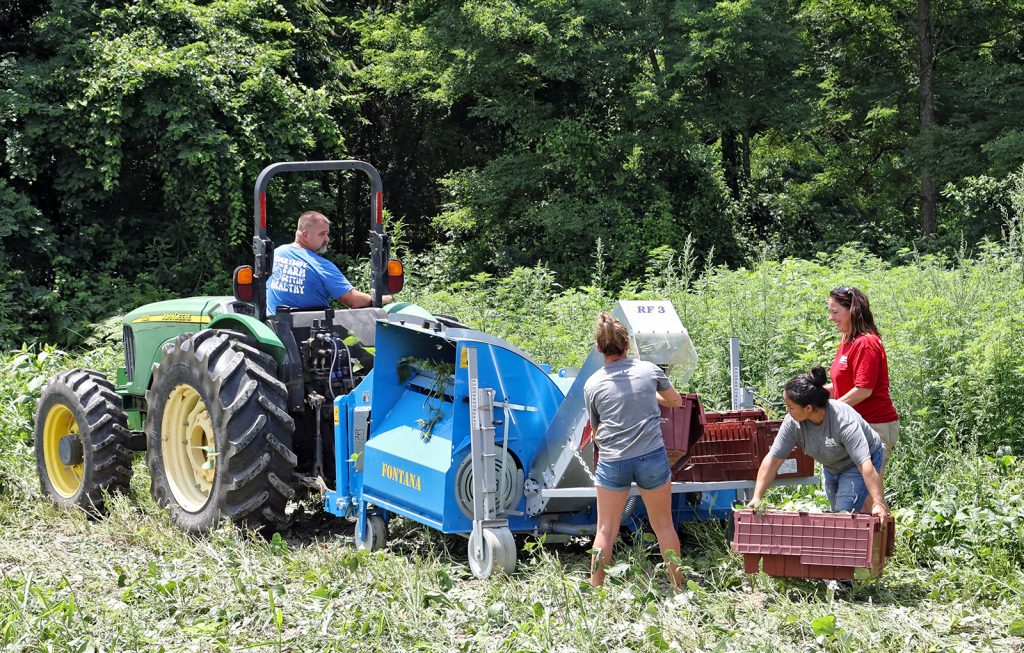
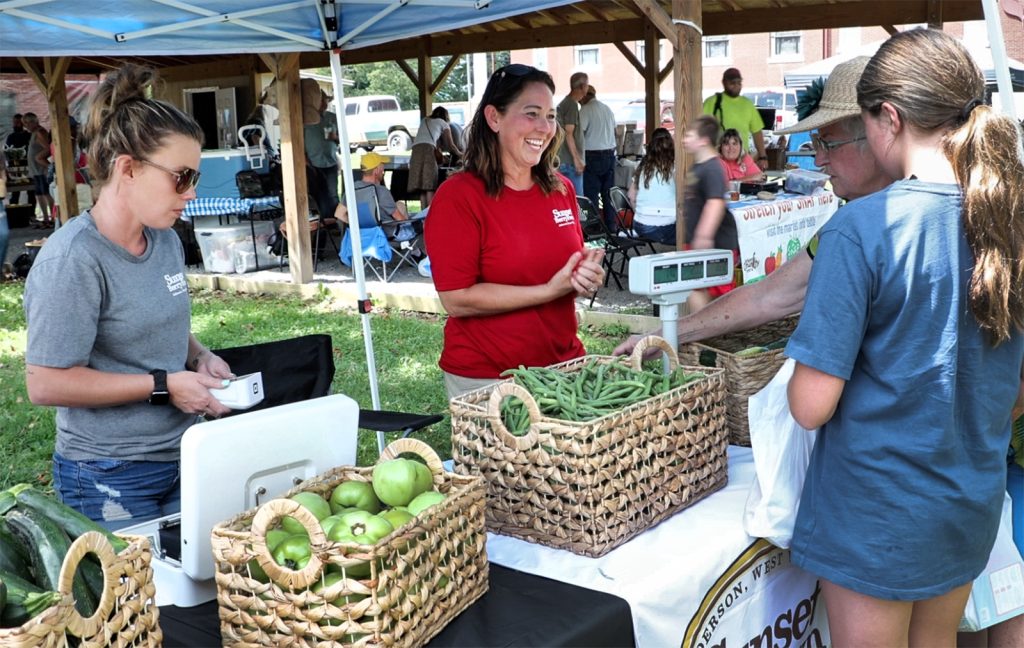
But now, after a season working with two women from El Salvador, she says she doesn’t regret the experience and feels like she has benefited and learned from it.
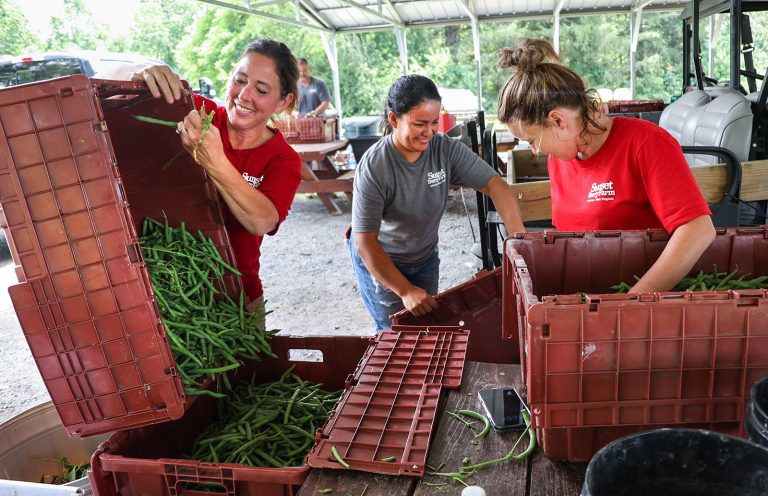
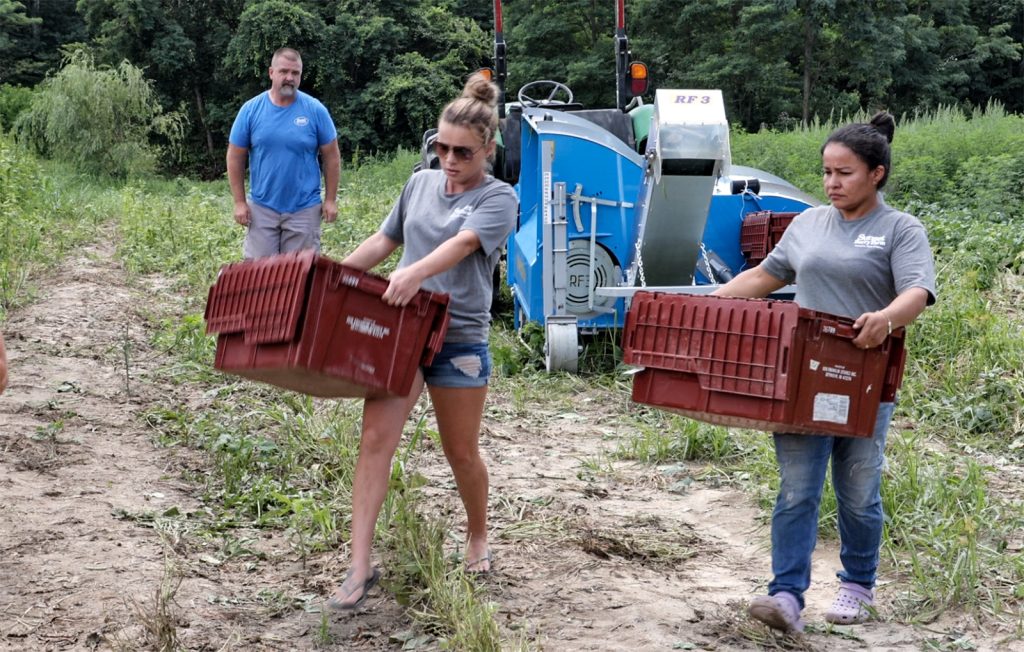
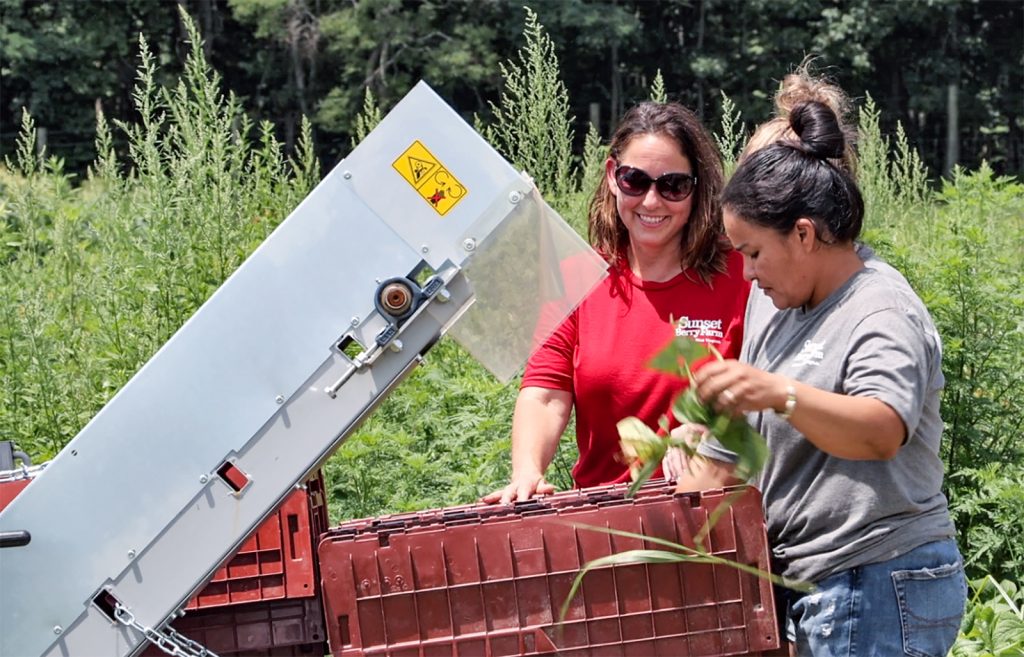
“We did have an extremely good year of crops, but we weren’t expecting that much production,” she said. “Their production was so massive that our sales team couldn’t keep up. We were not prepared for 2 people to pick 200 or 300 gallons of strawberries a day. We didn’t have the sales set up for that.”
“You’ve never seen people work that fast,” she said. “What they got done in a 12 hour day would have taken our local workers all week long.”
Due to how the grant was written, the visa workers didn’t get paid hourly, they got a piece rate – they got paid by the quantity that they picked. If they picked over a certain amount they would get bonus pay as well. This pay scale had the migrant workers making well over what Gilkerson had anticipated.
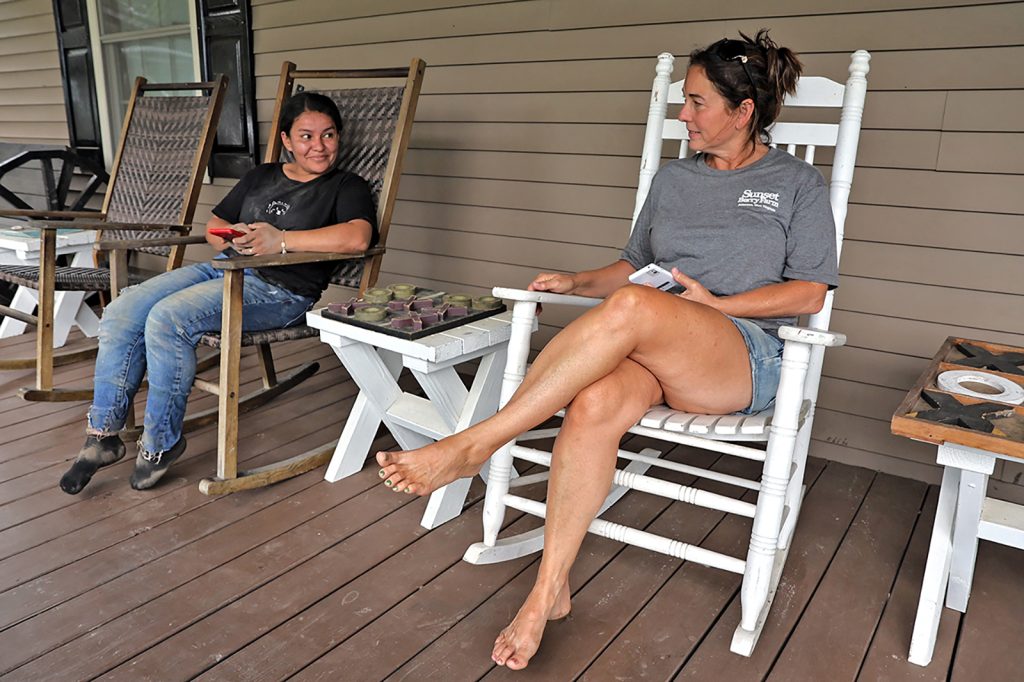
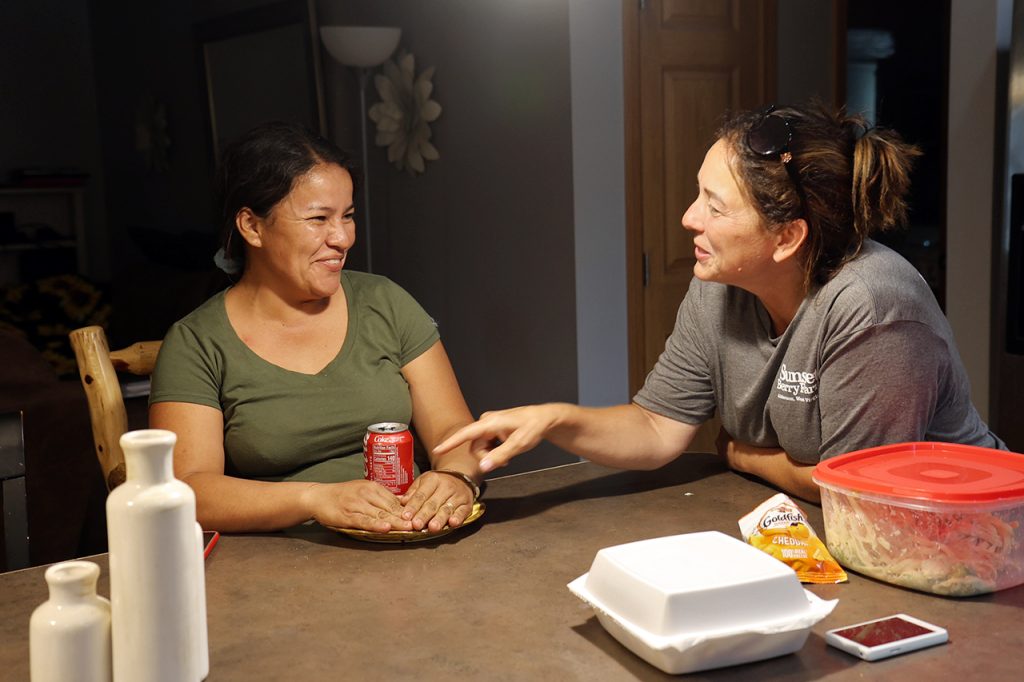
“I have a picture of them with one day’s harvest and it’s inhuman,” she said. “Every single paycheck that they got they were shocked. Heidy made more here than her husband makes in an entire year (in El Salvador).”
Gilkerson said they deserved every penny they got, even if it meant the farm only broke even at the end of the season. Her plan is to adjust the crops she plants and welcome an H-2A visa worker back next year.
“Next year will be cheaper to get them back because we already paid the one time fee to the labor agency. I still will have to pay the bonus, but I’m going to try to control that as much as I can,” she laughs. “How do you have to limit someone to 100 buckets of strawberries? Americans pick about 10 buckets a day.”
With some tweaks to the crops and the payment schedule and by bringing back an H-2A worker next season, she thinks she might have figured out a solution to her labor problem.
“We didn’t have the sales in place for them, but the sales will be in place next year,” she said. “As long as we stay open I think we will continue to participate in the H-2A program. We just have to structure things differently.”
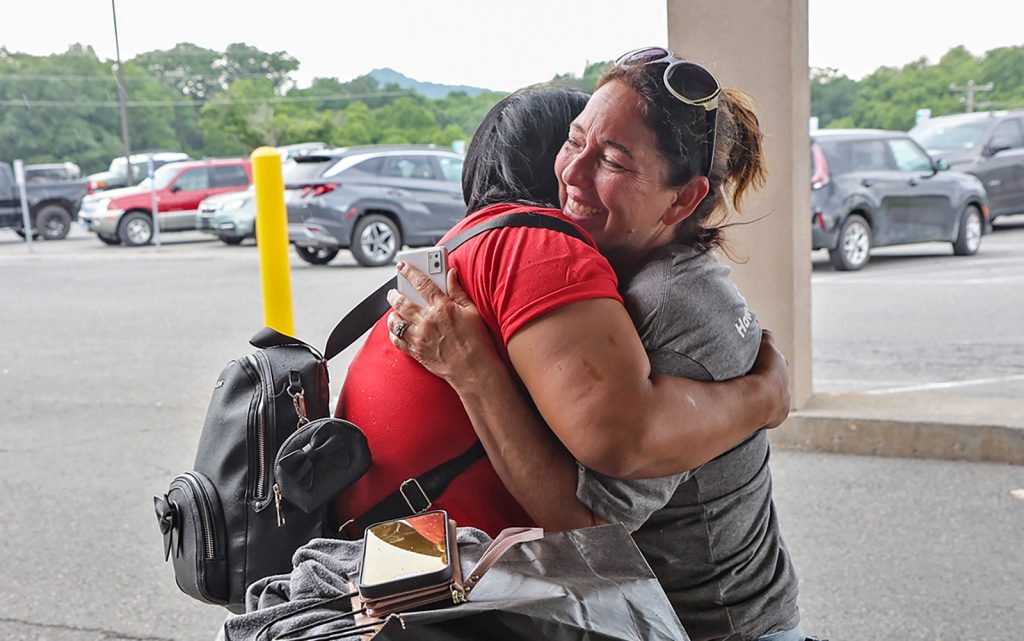
“Farming in West Virginia – I don’t think it will be profitable with local workers,” she continues. She explains that American workers need year-round work – something she cannot provide – and they have better work opportunities that pay better with less effort. She also thinks local consumers are not willing or able to pay what she would have to charge to be profitable with an American workforce and efficiency.
“We can’t meet their needs but they can’t meet ours either – that’s what I learned from this. But a worker from a third world country can go home wealthy after working for us for only 3 months and turn us into a profitable business. That’s pretty exciting when you think of it that way. So I need to stop being bitter and be thankful for what I’ve learned from this. If they don’t give me the $100,000 I can still benefit from the program long term because I have figured out that my community can not meet my needs as a business, and I cannot meet the needs of the workforce in my community, but we can still be a business with workers from other countries.”
“I’m very excited and can’t wait to see how it works out.”
Gilkerson said the experience of housing migrant workers has made her appreciate more of what she has and made her more aware of other people’s struggles. She feels like she has her priorities straighter now.
“I feel like I’m a better person because of it,” she says as tears well up in her eyes. “It definitely changed me forever. Even if the government didn’t owe me $50,000, I still would have learned the same lesson from the whole thing. – money is not everything. I should have less and they should have more.”
Related Articles
WVSOM doubles in-state enrollment
This year in-state students make up 37 percent of the first-year class – a dramatic increase over three years.
Local naturopath returns to Lewisburg roots
Naturopathic Doctor in downtown Lewisburg brings natural health options via 7 Notes Natural Health.