‘Convenience food’ manufacturing in WV?
By Stephen Baldwin, RealWV
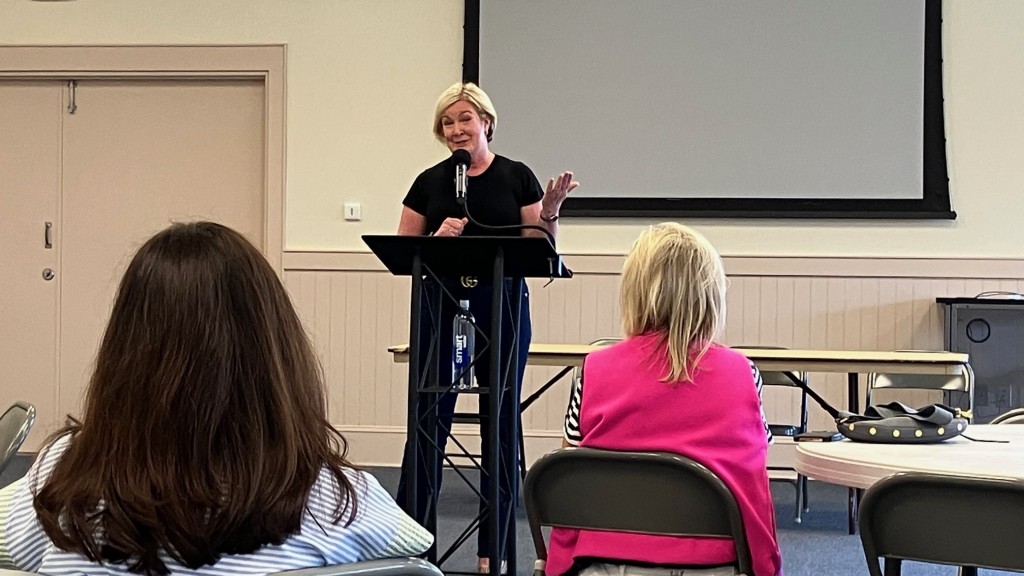
FAIRLEA, WV – “We have to bring convenient food options to the masses if we want to fix health care in this country.”
That was the message shared by Copow founder Evie Fatz on Tuesday afternoon at the State Fair of West Virginia. The conversation, hosted by First Lady Denise Morrisey, included several local farmers as well as Kent Leonhardt, WV Commissioner of Agriculture.
The discussion centered on how local farmers can break into the “convenience food” market. Fatz says 75 cents out of every dollar spent on food in the United States go to “convenience food” options including fast food, prepackaged meals, and ready-to-eat foods.
“I’m trying to build an entirely new food system in the US,” Fatz says. “We have to change what food is convenient to scale.”
Specifically, Fatz wants to bring local, farm fresh foods to customers via retail stores, gas stations, and more.
“Pre-packaged food doesn’t look like it tastes good,” she explains. “It’s not profitable. And I know I can do it better.”
Fatz was visiting West Virginia on an exploratory business trip, along with her husband and daughter, in order to see if an expansion into West Virginia would be possible. The Fatz family’s company, Copow, employs 28 people in Idaho. They manufacture fresh, pre-packaged meals which sell for $13-$17 per meal.
“We have proven the concept,” she says. “We shorten the supply chain, buy direct from farmers, manufacture the local food into pre-packaged meals, and sell them directly to customers.”
“This is how we fix the problem. We keep the food you grow here and sell it here, with no transportation costs.”
What problem?
Fatz worked in the fitness industry for several decades and argues that the American public has an unhealthy relationship with food. “We should count the colors of our food, not the calories,” she says. “The world demands convenience. That means preservatives and fillers and seed oils. We don’t use any of that.”
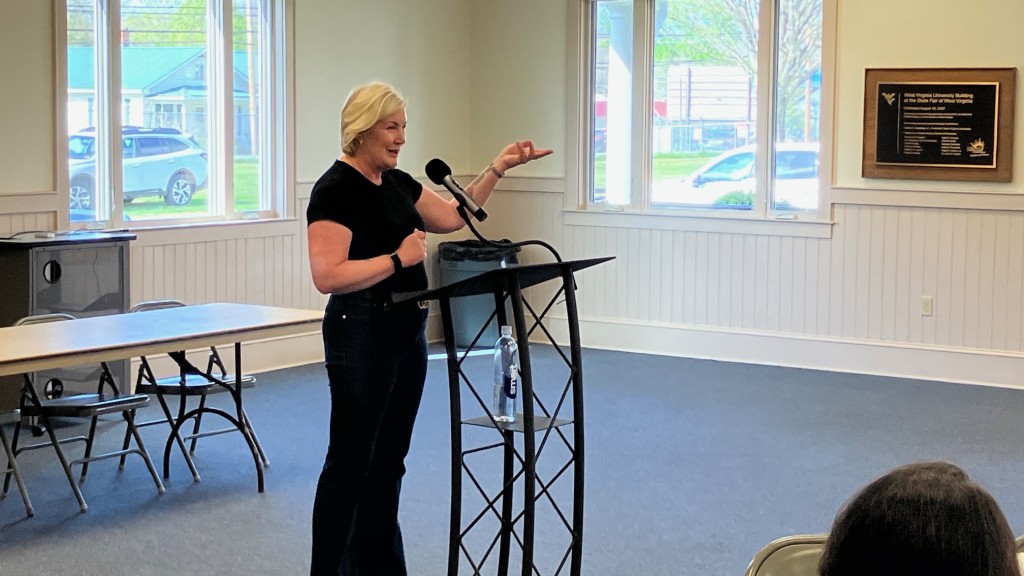
Copow decided not to fight the world’s need for convenience, but instead to provide customers with a convenient option that is fresh and wholesome. In Idaho, they operate on a spoke-and-hub model, where one manufacturing facility serves multiple distribution points for the meals. Those distribution points include their own retail spaces and placements in truck stops, for example.
“Our retail locations include meals, raw milk, eggs, cheeses, all clean foods,” Fatz explains in response to an audience question. “Consumers need to put their money where their mouth is.”
First Lady Denise Morrisey shared in opening remarks that she met Fatz and became familiar with Copow in the “MAHA (Make America Healthy Again)” movement.
“RFK (Robert F. Kennedy) was my beacon,” Fatz says. “He lifted the veil and allowed me to speak about my own struggle with drinking. We supported his run for president and then I got involved in his inner circle.”
Fatz says she has “figured out” the business model for selling healthy meals and plans to put in 13 convenience food manufacturing facilities across the country, possibly including West Virginia.
“We would love an opportunity to be here,” she says of the Mountain State. “We do bring great-paying manufacturing jobs.”
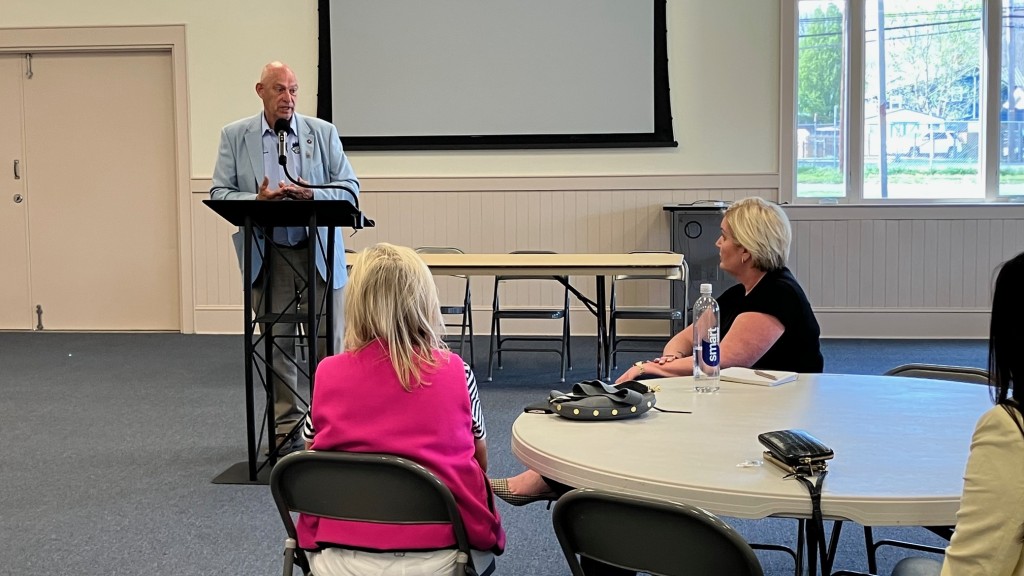
Commissioner of Agriculture Kent Leonhardt shared with Fatz and other attendees that West Virginia has experienced a 27% increase in agricultural output over the last decade. “We were MAHA before Washington was.”
“We match farmers with markets. We have a ‘food is medicine’ coalition. Our farmer’s markets have tripled.”
Leonhardt expressed openness to working with Copow and others, saying, “What we need is a boost from private industry to be a force multiplier to what we are already doing in the state.”
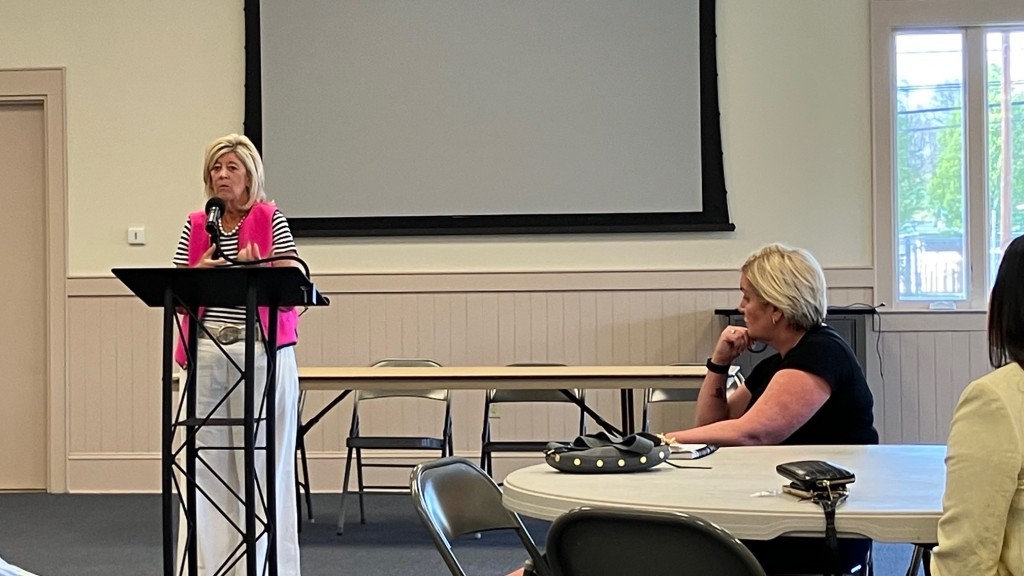
Fatz toured southern West Virginia with Morrisey earlier in the afternoon, looking at the land and potential locations for a Copow facility.
“Thank you for being here,” Morrisey told the crowd. “This is an important health journey for us all.”
Stay tuned to RealWV for updates.
Related Articles
Bird banding at Dolly Sods offers a window into fall migration
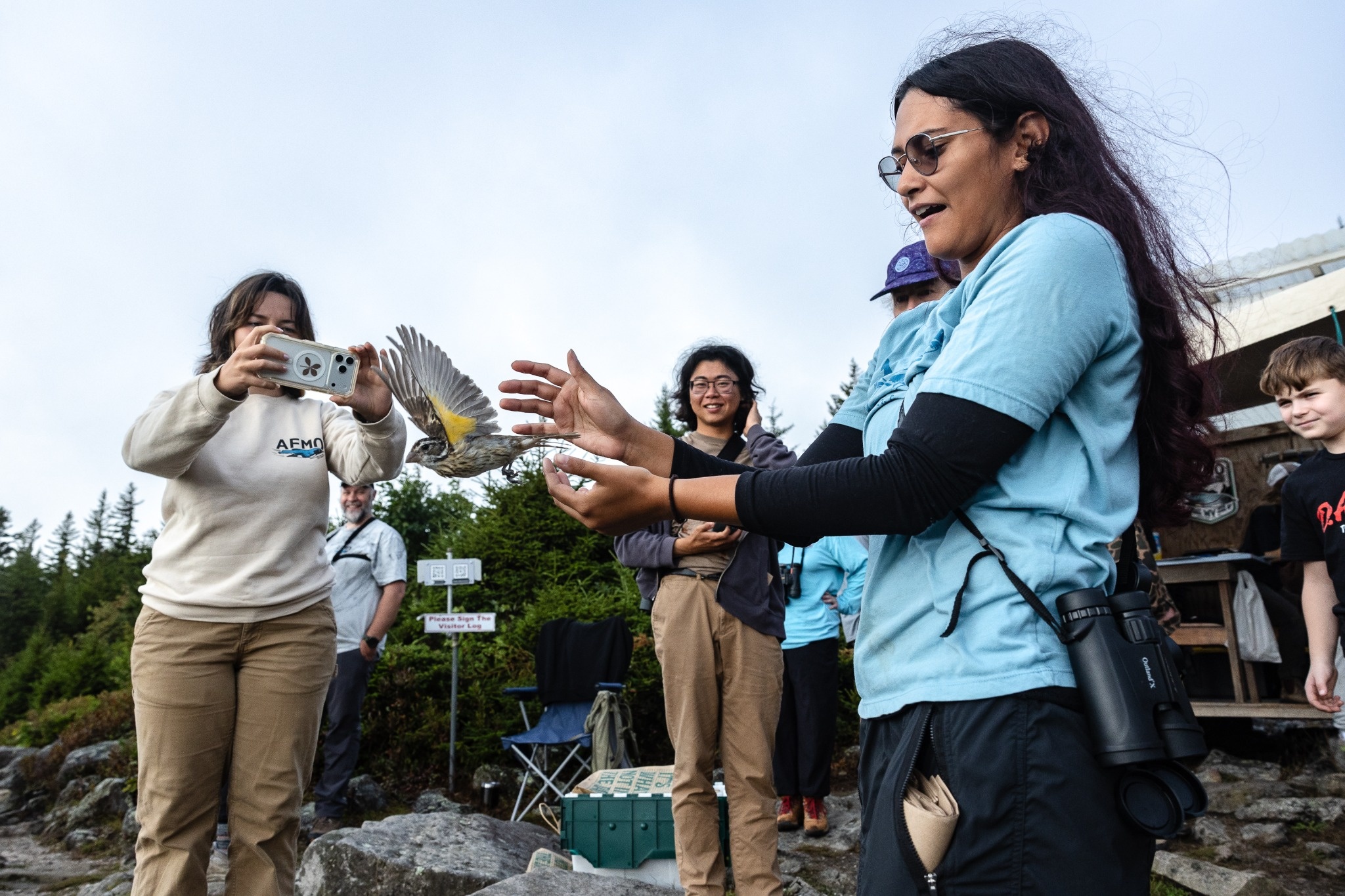
As the first light of day opens on the ridgeline of Dolly Sods, a crew of researchers and volunteers waits in anticipation of something other than the beautiful scene unfolding in front of them.
THIS WEEK IN WV HISTORY: Sep 20-26
The following events happened on these dates in West Virginia history.