THIS WEEK IN WV HISTORY: April 26–May 2
Presented by the WV Humanities Council,
Charleston WV – The following events happened on these dates in West Virginia history. To read more, go to e-WV: The West Virginia Encyclopedia at www.wvencyclopedia.org.
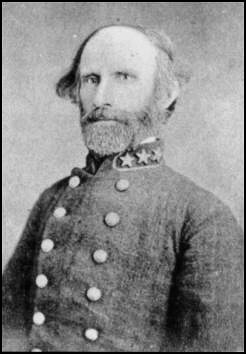
April 26, 1816: General Alexander Welch Reynolds was born in Lewisburg. He served in both the U.S. and Confederate armies. After the war, Reynolds accepted a commission as a colonel in the forces of the khedive of Egypt, which ruled Egypt under the Ottoman Empire.
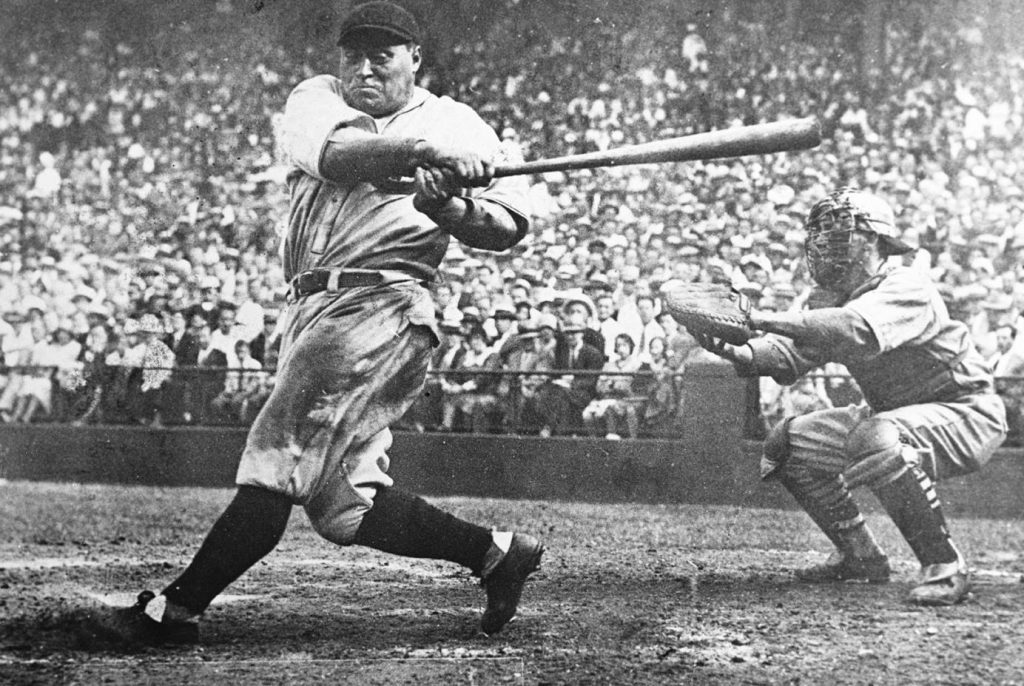
April 26, 1900: Baseball great Lewis Robert “Hack” Wilson, whose 1930 single season runs-batted-in record stands today, was born in Pennsylvania. He started his pro career with the Martinsburg Blue Sox. He returned to Martinsburg after his retirement and is buried at Rosedale Cemetery.
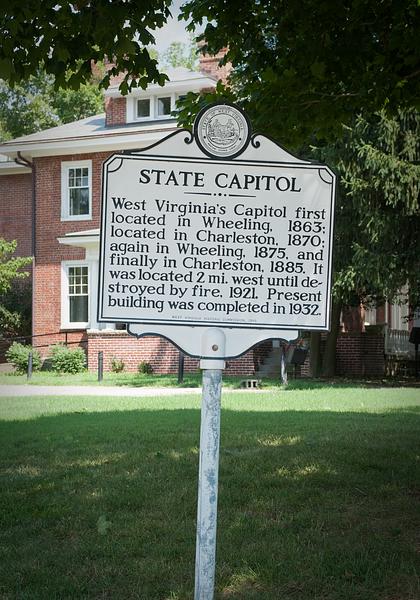
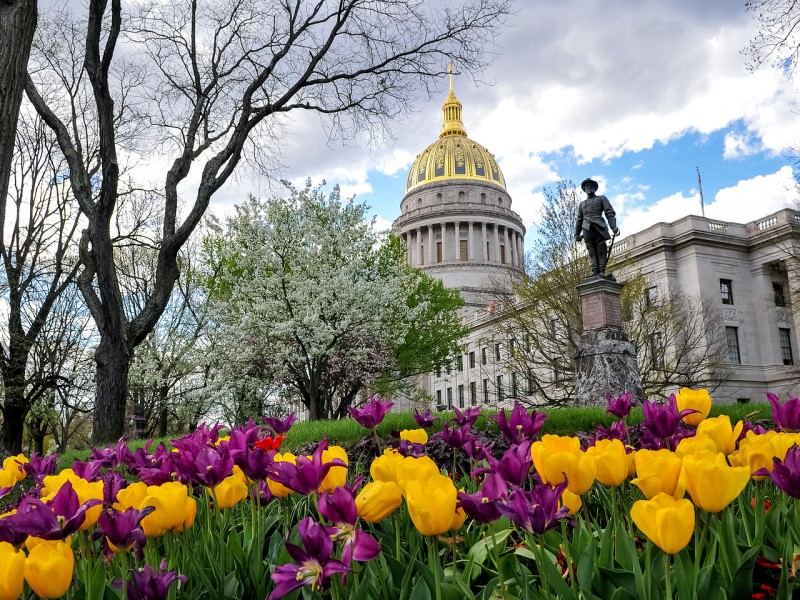
April 26, 1937: The first West Virginia highway historical marker was installed in Charleston, detailing the many travels of our state capital.
April 27, 1758: Fort Upper Tract in present-day Pendleton County was destroyed by an Indian attack during the French and Indian War. The next day, Delaware and Shawnee warriors destroyed Fort Seybert in the same county.

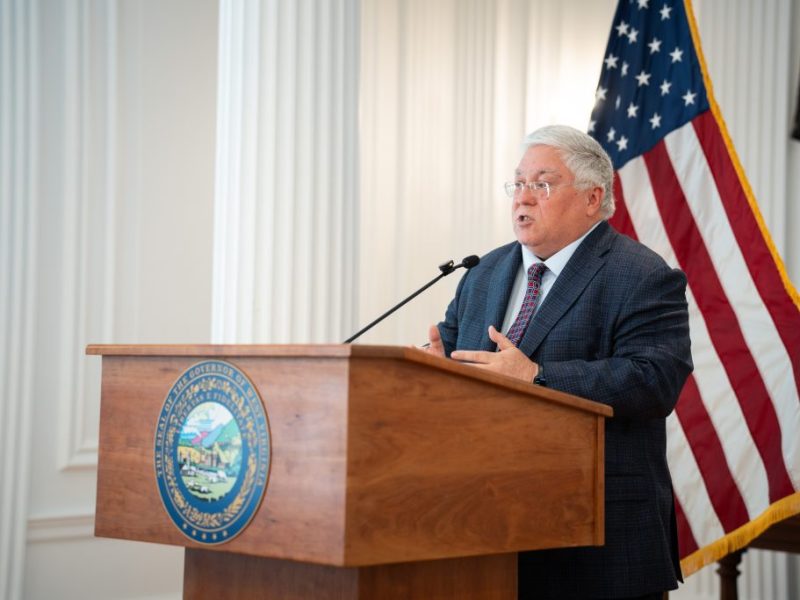
April 27, 1951: Businessman and politician Jim Justice was born in Charleston. From 2017 to 2025, he served as West Virginia’s 36th governor and currently as the state’s junior U.S. senator.
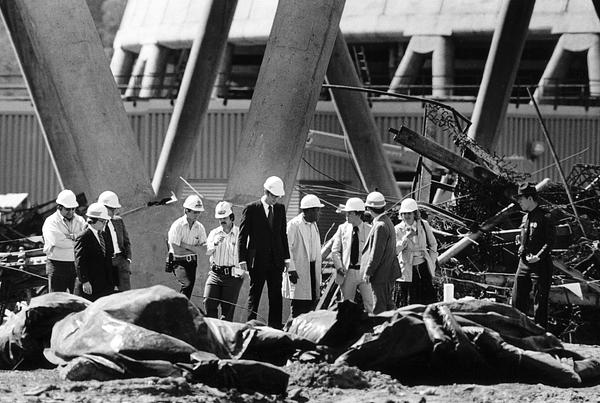
April 27, 1978: An accident at the Willow Island Power Station on the Ohio River killed 51 men. The scaffolding that had been erected for use in the construction of a new cooling tower collapsed, sending the workers plunging to the ground.
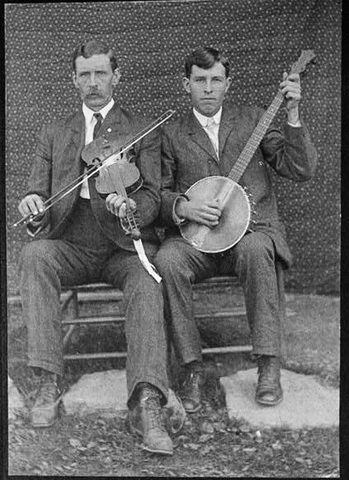
April 28, 1884: Musician Henry Reed was born in Peterstown, Monroe County. Reed was a legendary West Virginia fiddler whose repertory contributed to the old-time music revival in the last half of the 20th century.
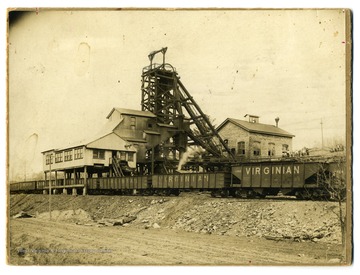
April 28, 1914: An explosion at the Eccles No. 5 mine in Raleigh County killed 174 men. The mine connected with Eccles No. 6, operating in another coal seam. Nine men in No. 6 died of injuries and of afterdamp, the deadly gas left after a mine explosion.
April 28, 1920: The Monongahela National Forest was created by presidential proclamation. It is the only national forest completely within the boundaries of West Virginia.
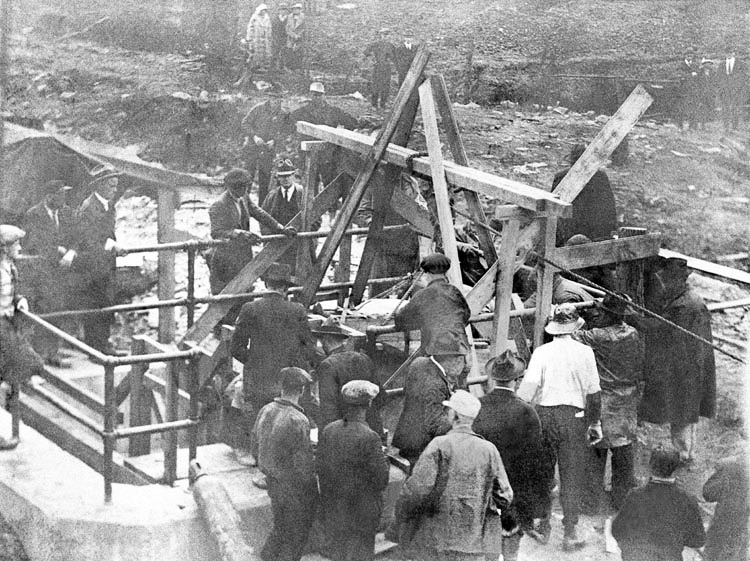
April 28, 1924: An explosion ripped through the Benwood coal mine south of Wheeling, killing 119 miners.

April 28, 1948: Watt Powell Park opened in Charleston. About 8,000 people, including Governor Okey Patteson, attended the city’s inaugural game in the Class A Central League. After the 2004 season, Watt Powell Park was replaced by what is now known as GoMart Ballpark, and the old park was demolished in 2005.
April 29, 1863: Confederate General William E. “Grumble” Jones waged a battle at Fairmont that involved a force of 500 regulars, home guards and volunteers. The Confederates prevailed, burning the personal library of Francis Pierpont, governor of the Restored Government of Virginia, and exploding an iron railroad bridge across the Monongahela River.
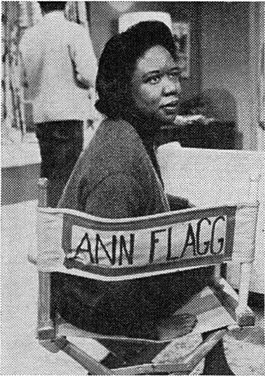
April 29, 1924: Playwright, teacher and actress Ann Kathryn Flagg was born in Charleston. She is best remembered for her play Great Gettin’ up Mornin’, which was broadcast by CBS-TV in 1964.
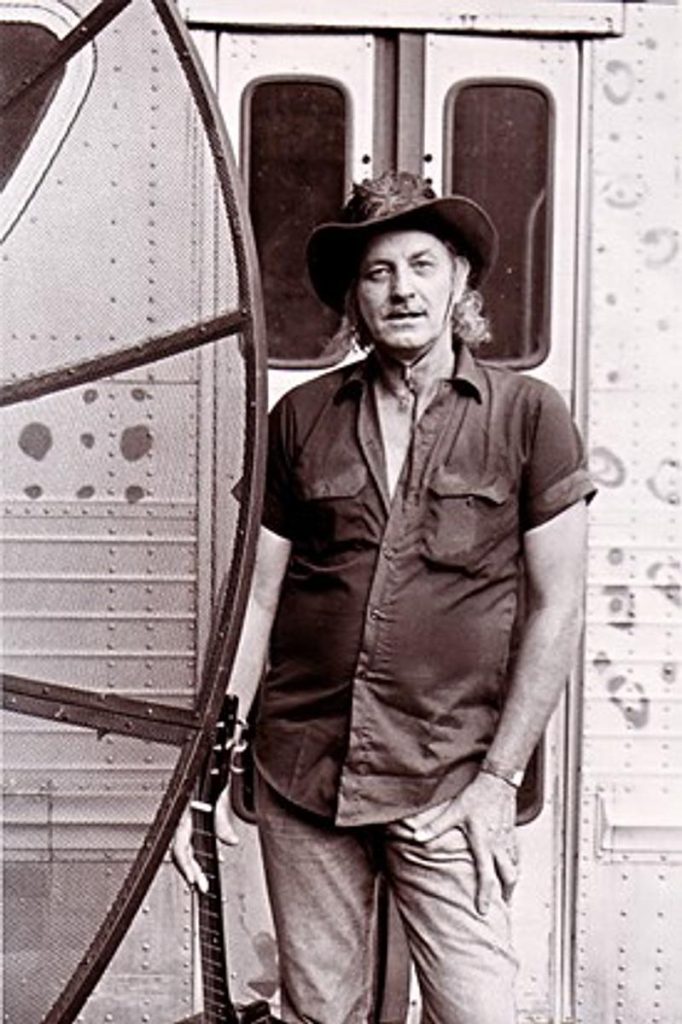
April 29, 1937: Rockabilly musician and songwriter Hasil Adkins was born in Boone County. Although his debut album was released in 1961, it was not until the 1980s punk phenomenon that his music gained an international following.
April 30, 1774: Relatives of Mingo Chief Logan were murdered by settlers in present-day Hancock County. Logan’s retaliation on settlements in the Upper Ohio and Monongahela valleys led to Lord Dunmore’s War and the Battle of Point Pleasant.
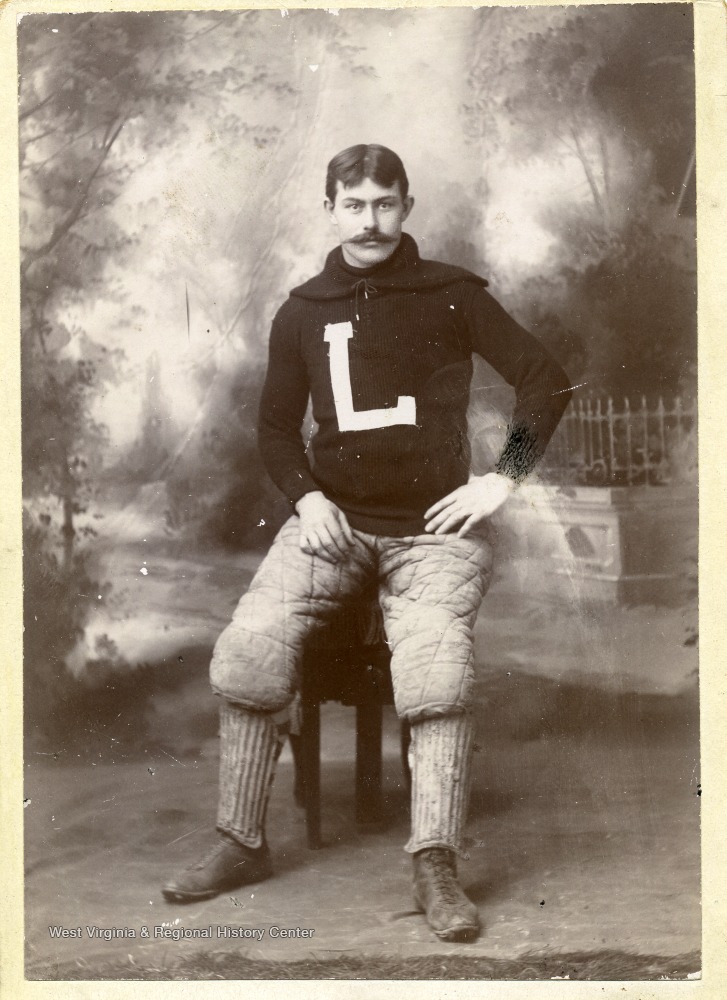
April 30, 1871: Coach Fielding “Hurry-Up” Yost was born in Marion County. He was a tackle on West Virginia University’s football team in 1895 and 1896, while earning a law degree. In 1901, Yost’s first season as coach at University of Michigan, the Wolverines compiled an 11-0 record, including a 49-0 defeat of Stanford in the first Rose Bowl.
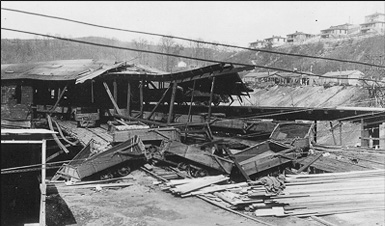
April 30, 1927: An explosion roared through the Federal No. 3 mine owned by New England Fuel and Transportation Company of Everettville, Monongalia County. The explosion, subsequent fire and gas in the mine killed 97 men.
May 1, 1788: Pendleton County was created from Rockingham, Augusta and Hardy counties. The county was named for Virginia statesman Edmund Pendleton (1721–1803).
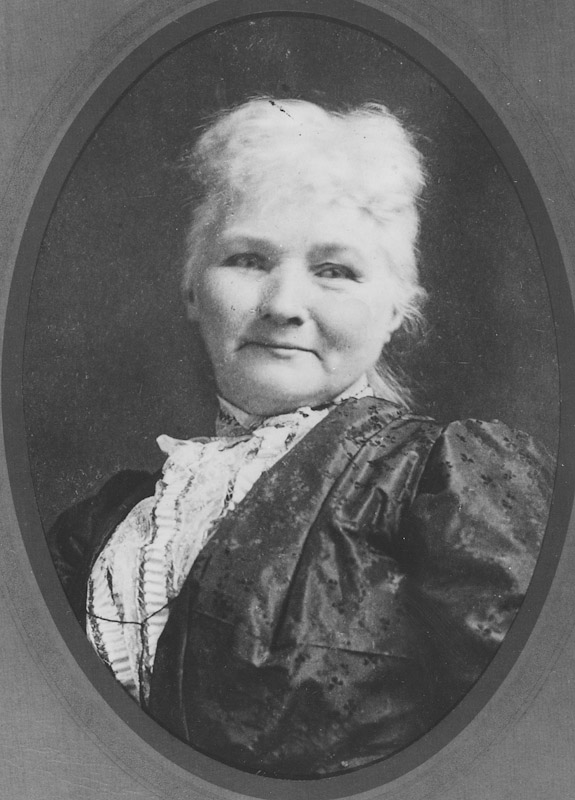
May 1, 1930: Labor leader and child welfare activist Mother Jones celebrated her birthday in Maryland. Jones, who was 100 years old by her count, appeared before newsreel cameras to condemn the Prohibition Act “as a curse upon the nation” that violated her right to have a beer instead of water.
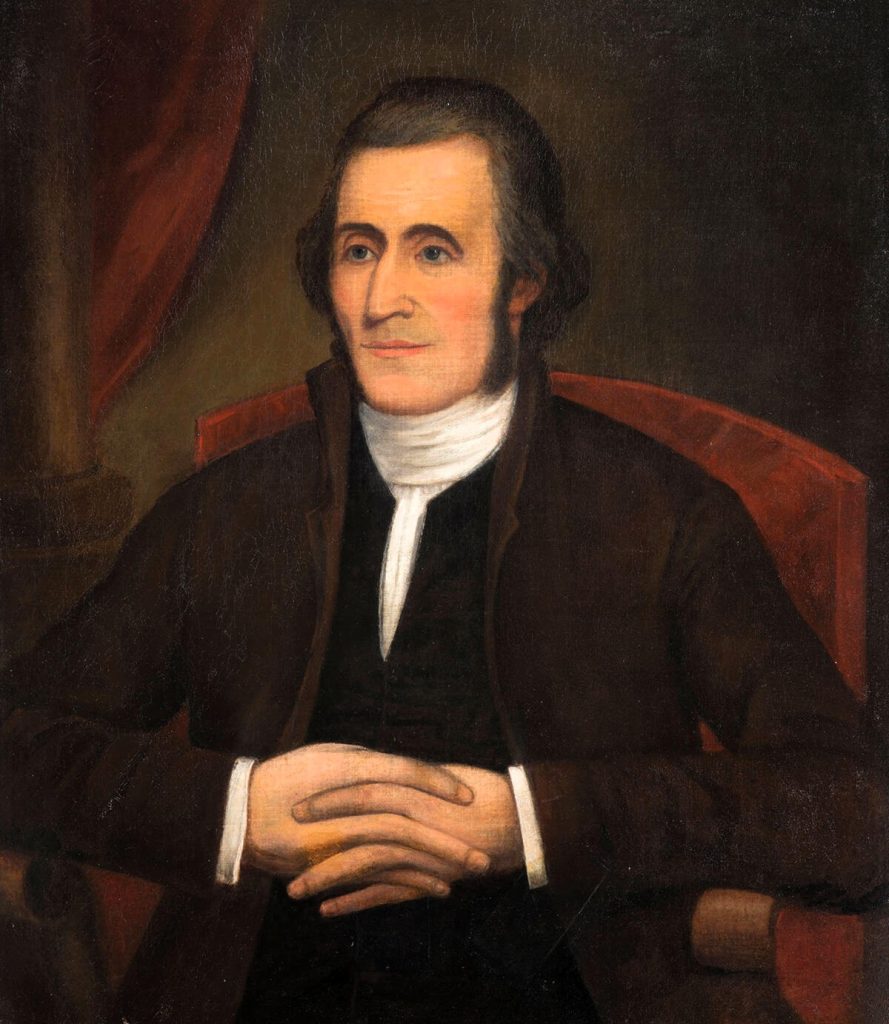
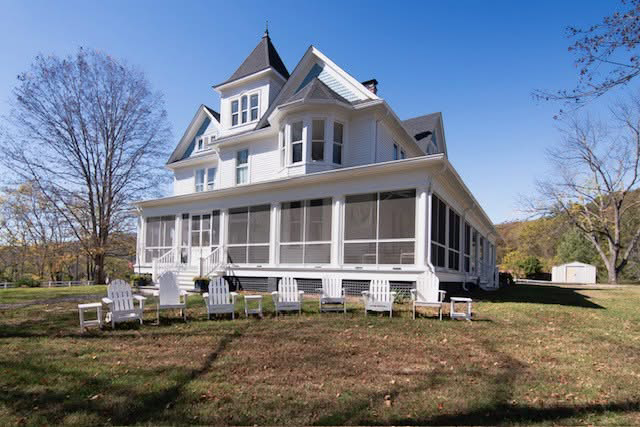
May 2, 1738: Charles Washington, the founder of Charles Town, was born at Hunting Creek, Virginia. He was the youngest full brother of George Washington. He began construction of his home Happy Retreat near Charles Town but did not live to see it completed.
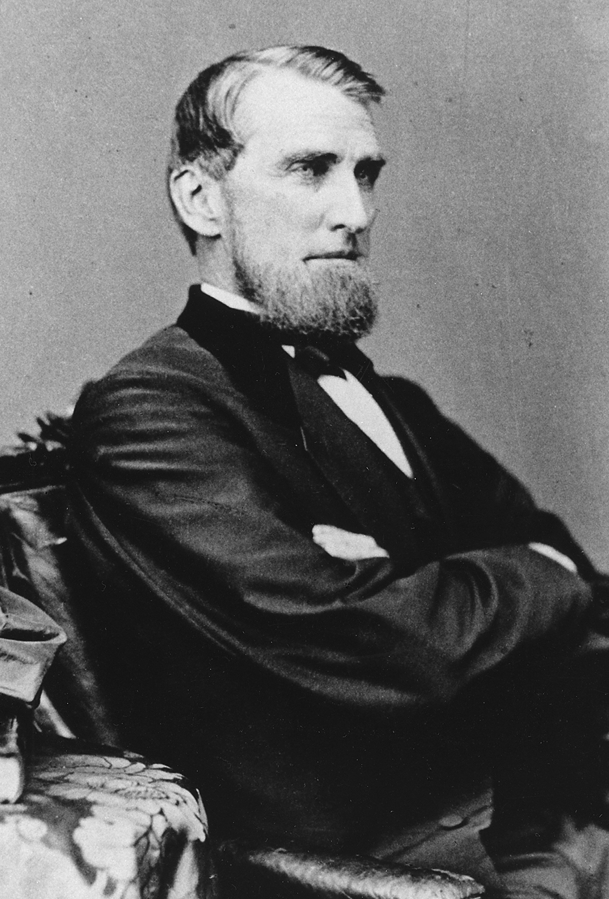
May 2, 1900: State founder Waitman Willey died in Morgantown. He is remembered for the Willey Amendment, which provided for the gradual emancipation of enslaved people as a precondition for creating West Virginia.
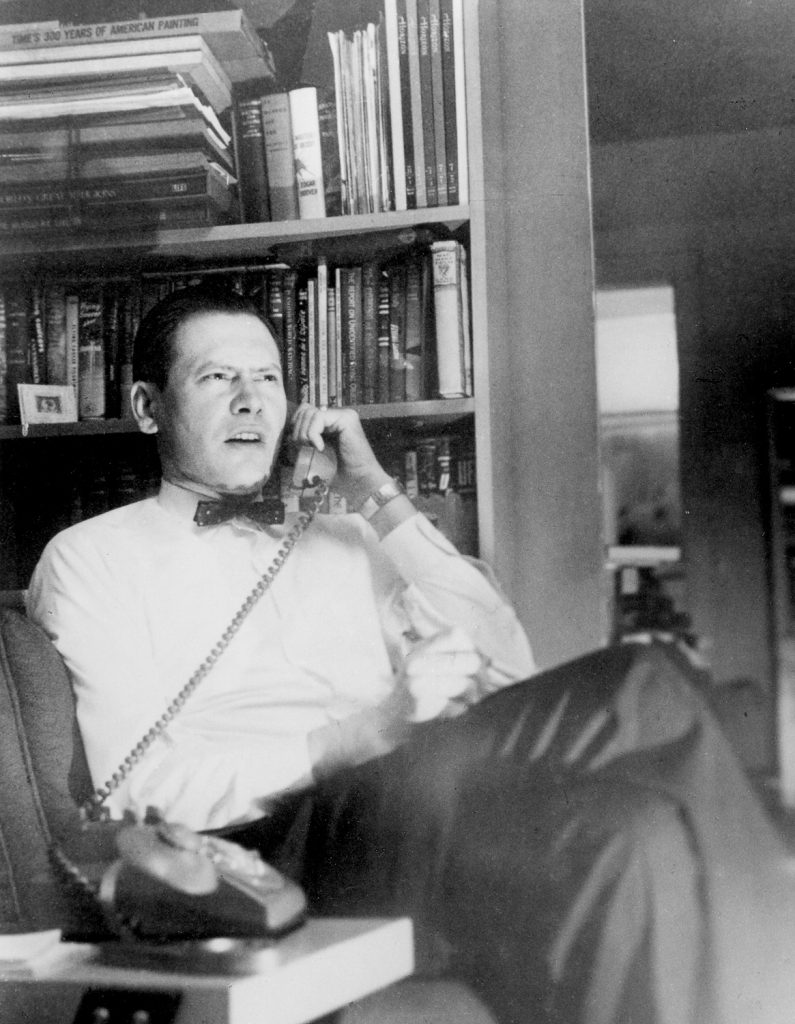
May 2, 1925: Flying saucer investigator Gray Barker was born in Riffle, Braxton County. Barker became interested in unidentified flying objects in the 1950s after investigating sightings of the Flatwoods Monster.
May 2, 2002: The Tug Fork River in McDowell County crested at a record 22.1 feet. The flood killed four people and destroyed or damaged hundreds of homes and businesses. The river reached this same level again in 2025.
e-WV: The West Virginia Encyclopedia is a project of the West Virginia Humanities Council. For more information contact the West Virginia Humanities Council, 1310 Kanawha Blvd. E., Charleston, WV 25301; (304) 346-8500; or visit e-WV at www.wvencyclopedia.org.
Author