THIS WEEK IN WV HISTORY: June 14–20
Presented by the WV Humanities Council,
Charleston WV – The following events happened on these dates in West Virginia history. To read more, go to e-WV: The West Virginia Encyclopedia at www.wvencyclopedia.org.
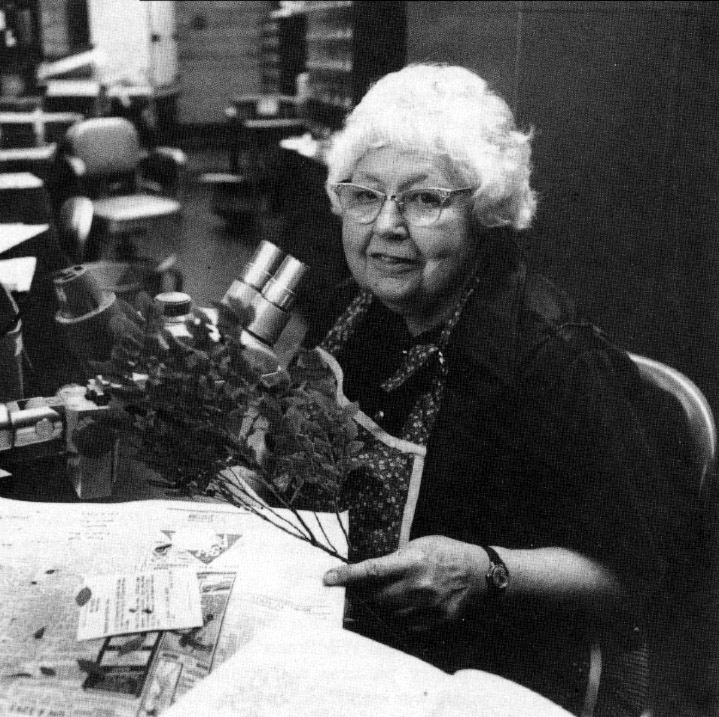
June 14, 1912: Botanist Elizabeth Ann “Betty” Bartholomew was born in Wheeling. Bartholomew was instrumental in building the dried plant collection at West Virginia University from 30,000 to 140,000 specimens, and she initiated a 2,000-plant seed collection.
June 14, 2025: The Wheeling area was hit with a deadly flash flood causing widespread damage and killing nine people.
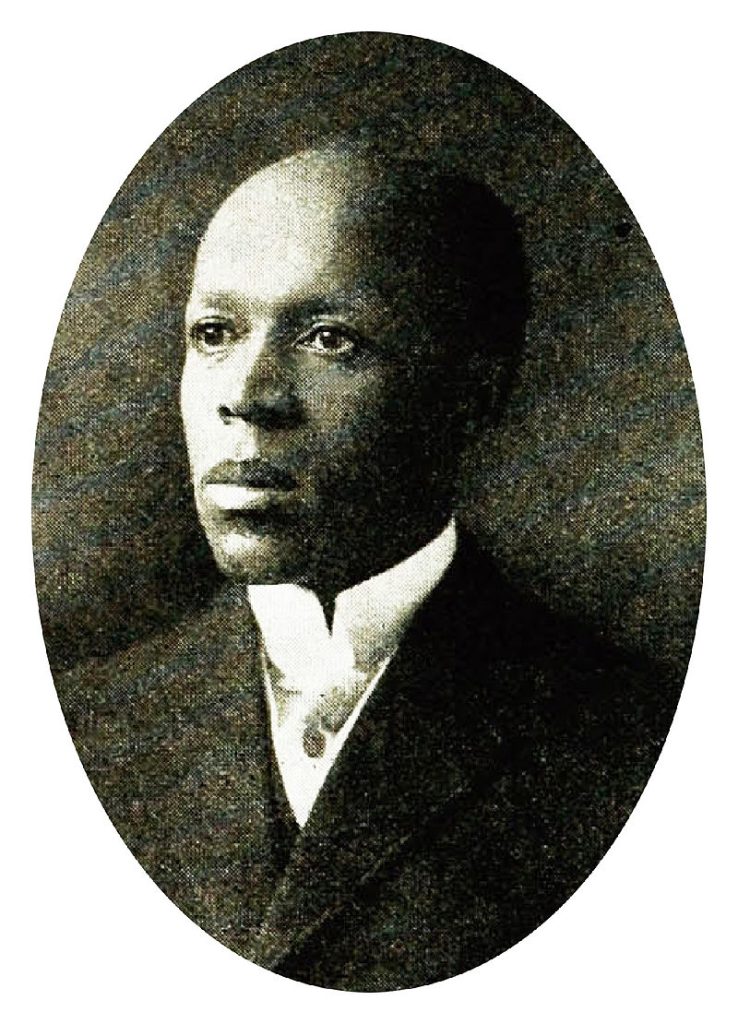
June 15, 1876: Attorney and civil right activist T. G. Nutter was born in Maryland. The first Black legislator from Kanawha County, he helped establish public institutions for Blacks and crafted an anti-lynching law. In the 1950s, as state leader of the NAACP, he sued several counties for not integrating their schools quickly enough.
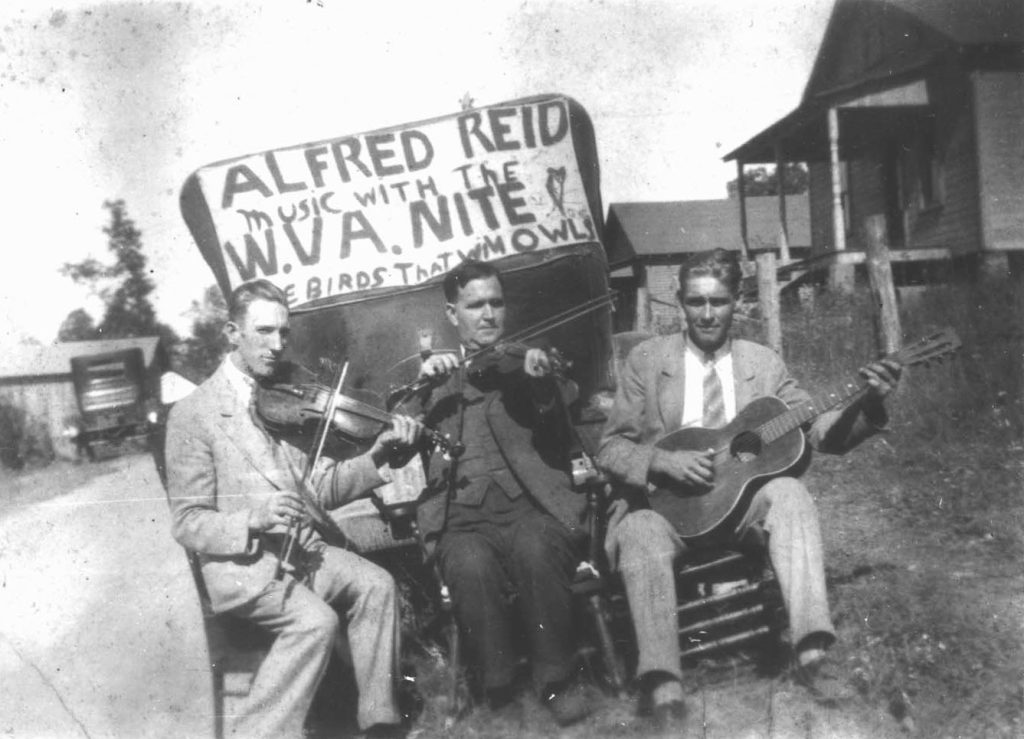
June 15, 1880: Musician “Blind Alfred” Reed was born in Floyd County, Virginia, though he spent most of his life in southern West Virginia. He composed and recorded some of the most creative topical country songs on Victor Records between 1927 and 1929.
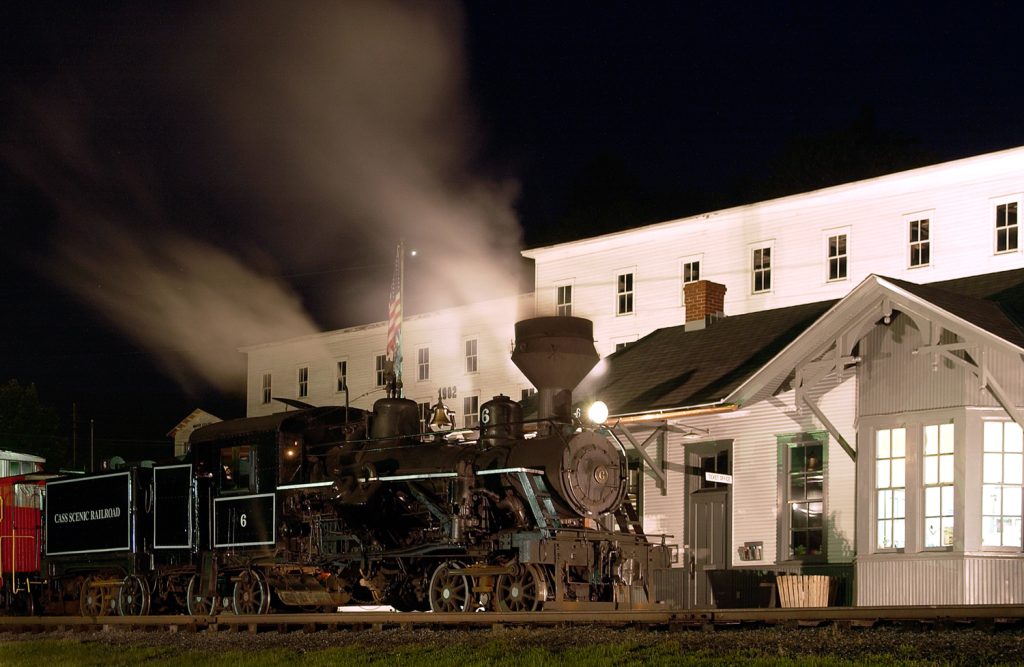
June 15, 1963: The Cass Scenic Railroad took its first passenger trip during the state’s Centennial celebration.
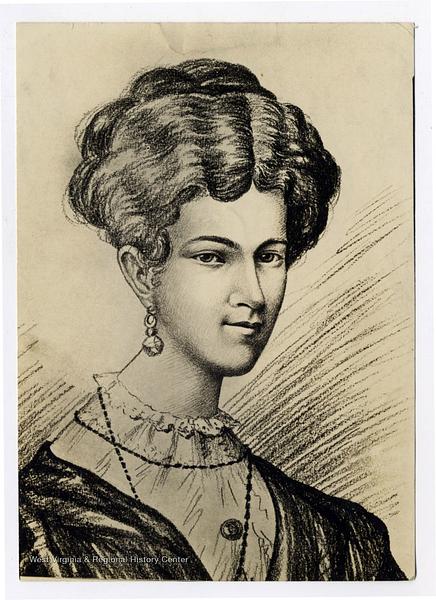
June 16, 1842: Margaret Agnew Blennerhassett, wife of Harman Blennerhassett, died in poverty in New York City. She lived from 1800 to 1806 in a grand 16-room mansion she and her husband had constructed on an Ohio River island near present Parkersburg. She and her son, Harman Jr., were reburied on Blennerhassett Island in 1996.
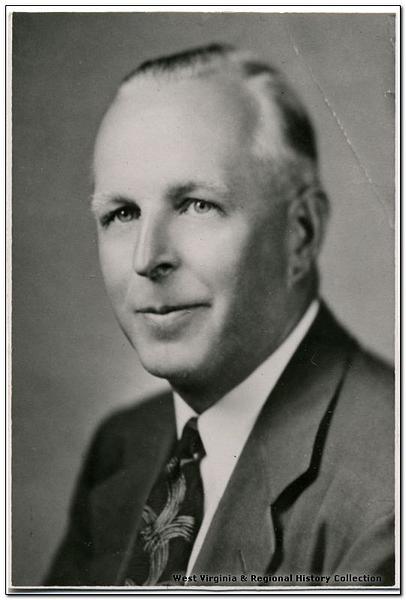
June 16, 1900: Perhaps West Virginia’s greatest naturalist, Maurice Brooks was born in Upshur County. He served as a professor of biology and wildlife management at West Virginia University from 1938 to 1969. The first alumnus to receive an honorary doctorate from WVU, he wrote two classic nature books: The Appalachians (1965) and The Life of the Mountains (1969).
June 16, 1964: The Grafton Monster allegedly was first spotted by journalist Robert Cockrell (1946-2022) beside Route 119 near Grafton. His write-up of the event sparked such a tourism frenzy that the local newspaper blamed it on “spring fever” and requested visitors to go home. No sightings have been confirmed since.
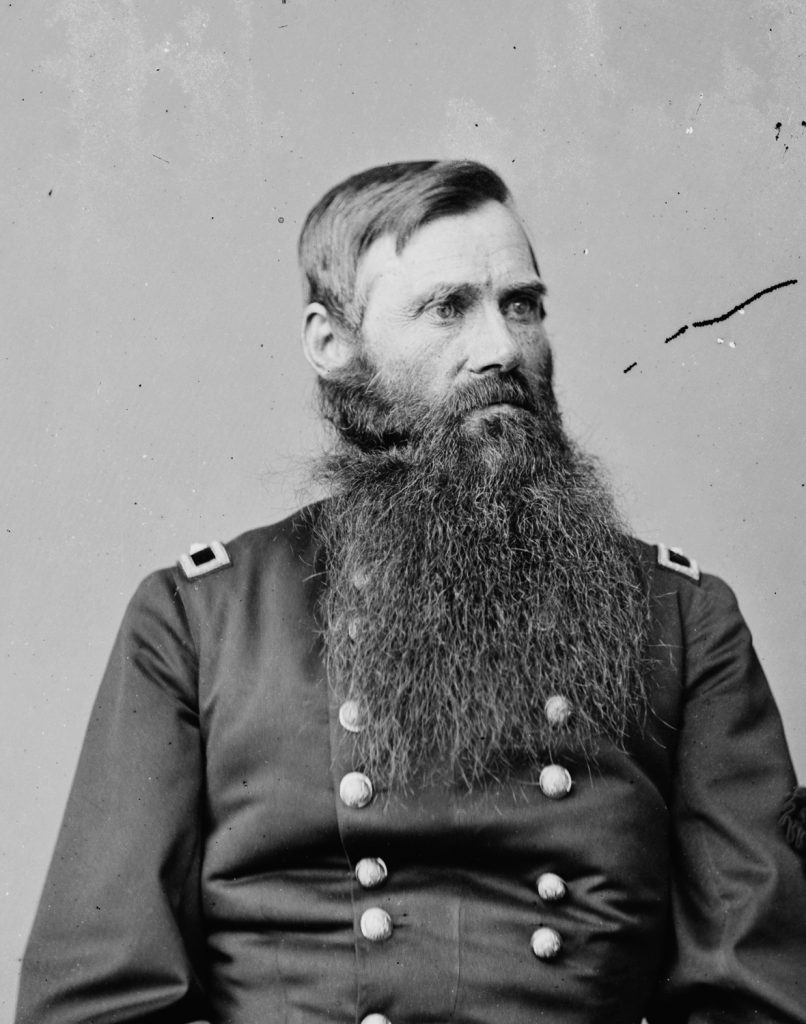
June 17, 1813: General Thomas Maley Harris was born at present Harrisville. He rose to prominence after the Civil War, when he served on the military commission that tried conspirators who acted with John Wilkes Booth to assassinate President Abraham Lincoln.
June 17, 1916: The West Virginia High School Athletic Association was organized at Charleston with 11 charter members. Its name was changed to the West Virginia Secondary School Activities Commission in 1955.
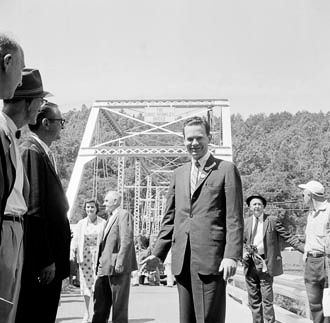
June 17, 1961: A Wayne County bridge was named in honor of TV newsman David Brinkley. The bridge’s condition had become a news item during the 1960 presidential primary; state officials closed the bridge, repaired it, and invited Brinkley to return for the ceremony officially naming it the “Brinkley Bridge.”
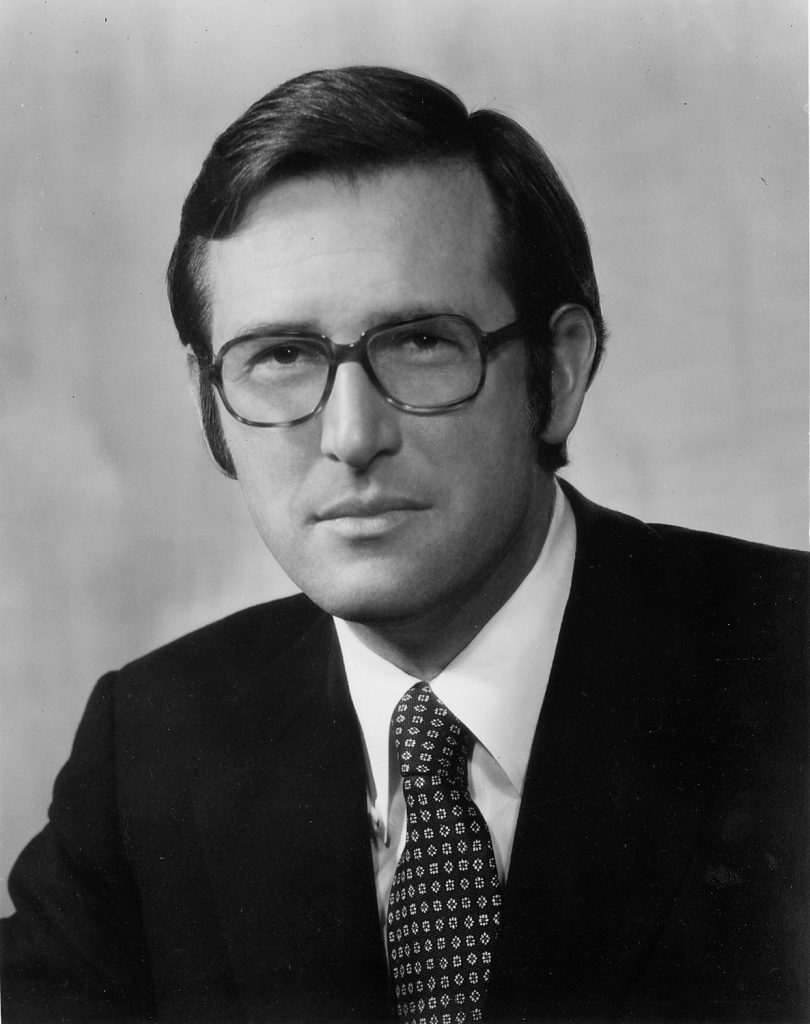
June 18, 1937: Jay Rockefeller was born in New York City. He served as West Virginia’s 29th governor from 1977 to 1985 and in the U.S. Senate from 1985 to 2015.
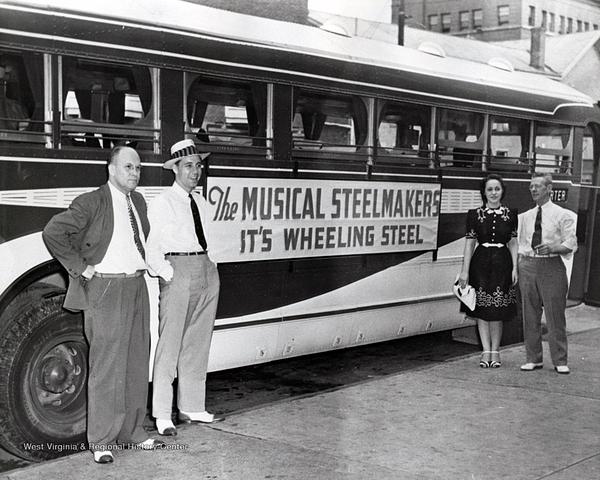
June 18, 1944: It’s Wheeling Steel aired its last program. A half-hour musical variety radio program that drew upon talented Wheeling Steel employees and families, the show ran eight years and was broadcast nationally.
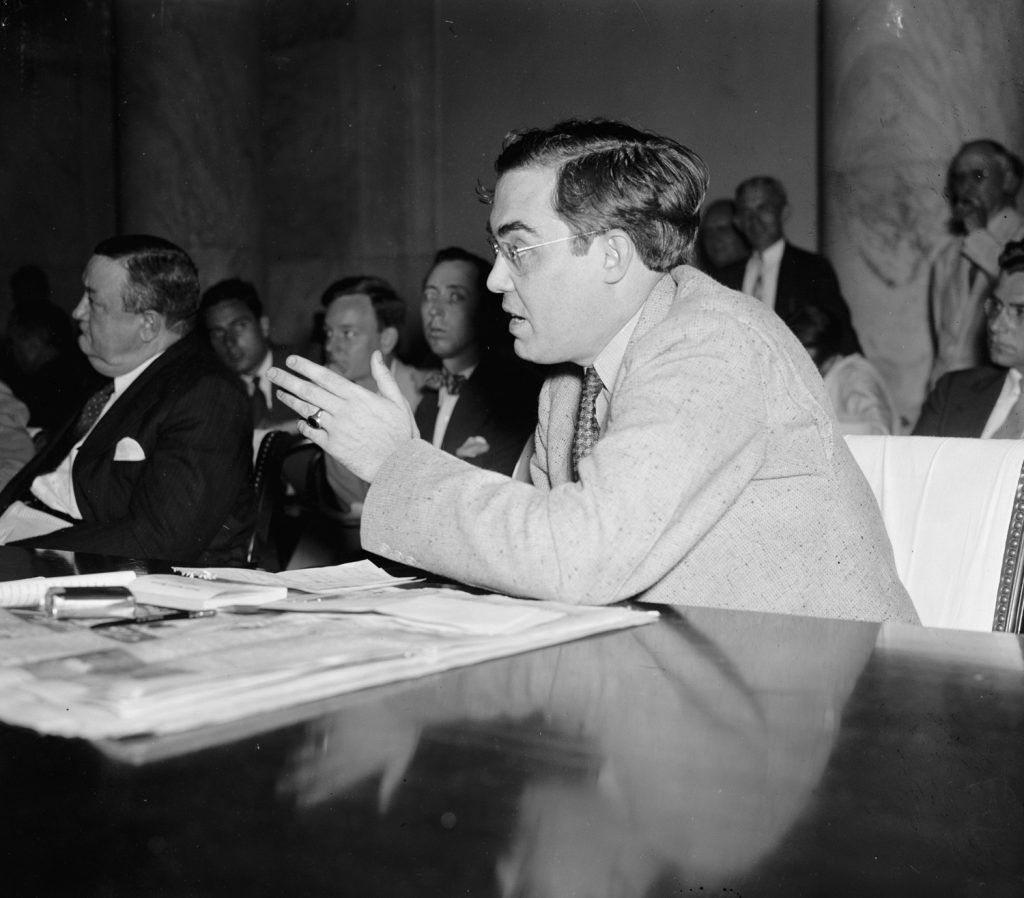
June 19, 1905: Senator Rush Dew Holt was born in Weston. At 29, Holt was the youngest person ever elected to the U.S. Senate, earning him the nickname “Boy Senator.” Since the Constitution sets 30 as the minimum age for senators, Holt had to wait until his birthday in June 1935 to take his seat, nearly six months into the 74th Congress.
June 19, 1909: Oak Park, an amusement park in Preston County, opened. The park was an easy ride from Morgantown and helped fill up trains on weekends and holidays. On one summer day in 1909, 14 trains brought more than 4,000 people to the park.
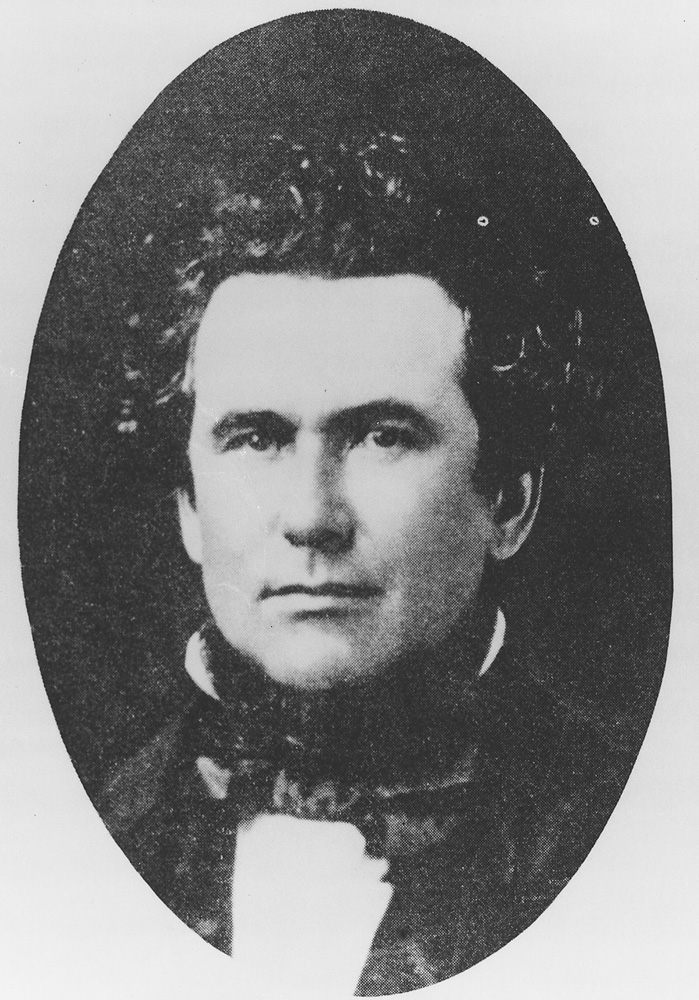
June 20, 1861: Francis Pierpont was unanimously elected governor of the unionist Reorganized Government of Virginia, which sat at Wheeling until West Virginia entered the Union two years later.
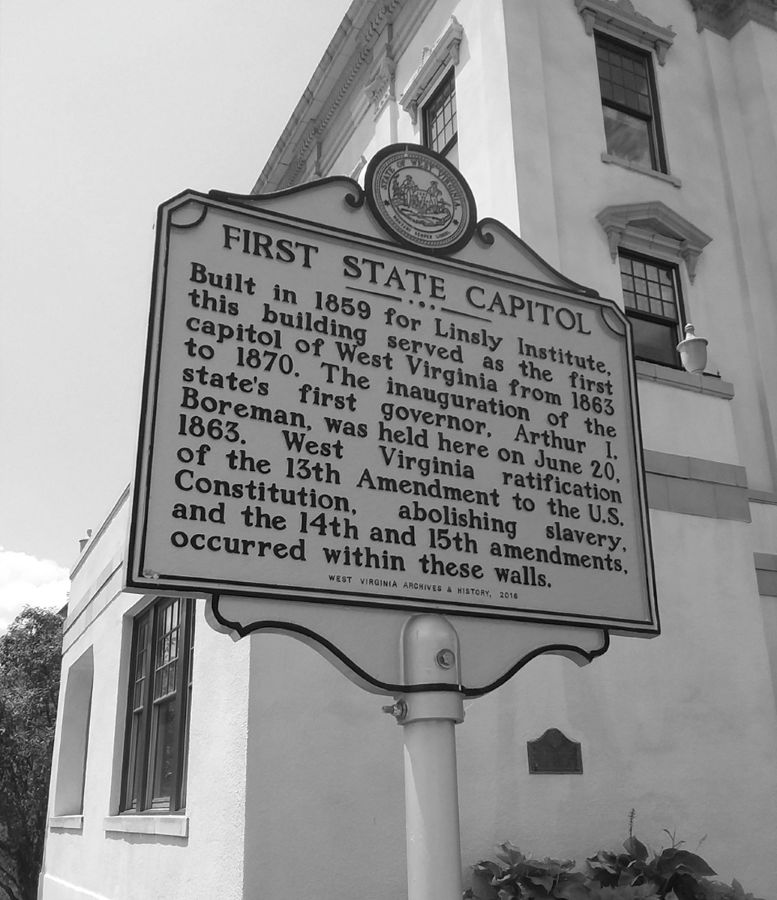
June 20, 1863: West Virginia became the 35th state. Arthur Boreman was the state’s first governor.
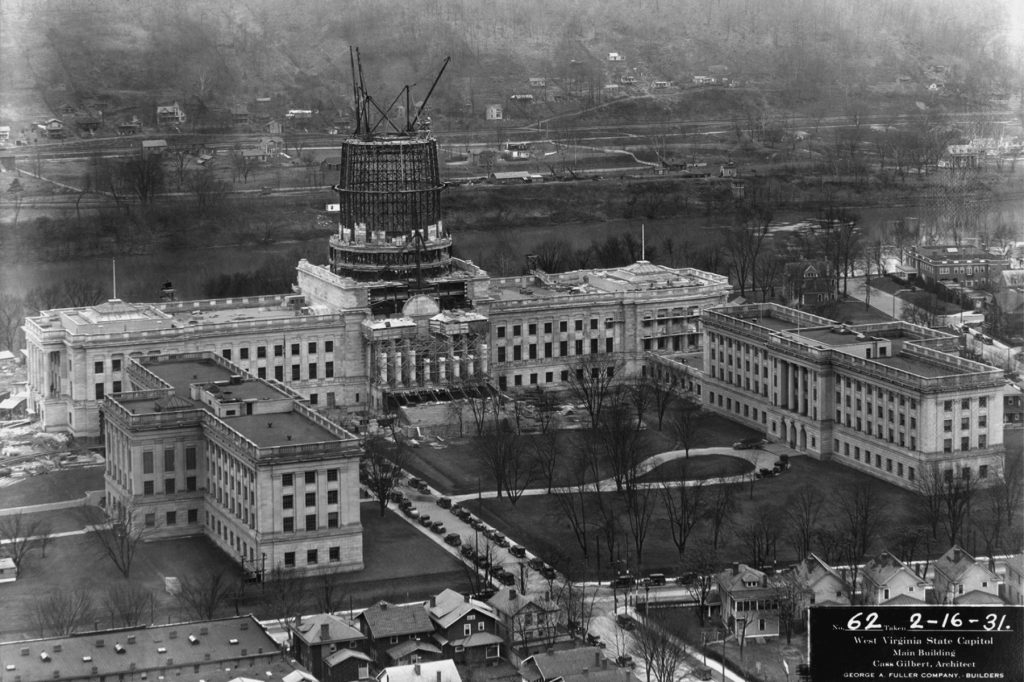
June 20, 1932: The current West Virginia capitol was officially dedicated. Construction had begun in 1924.
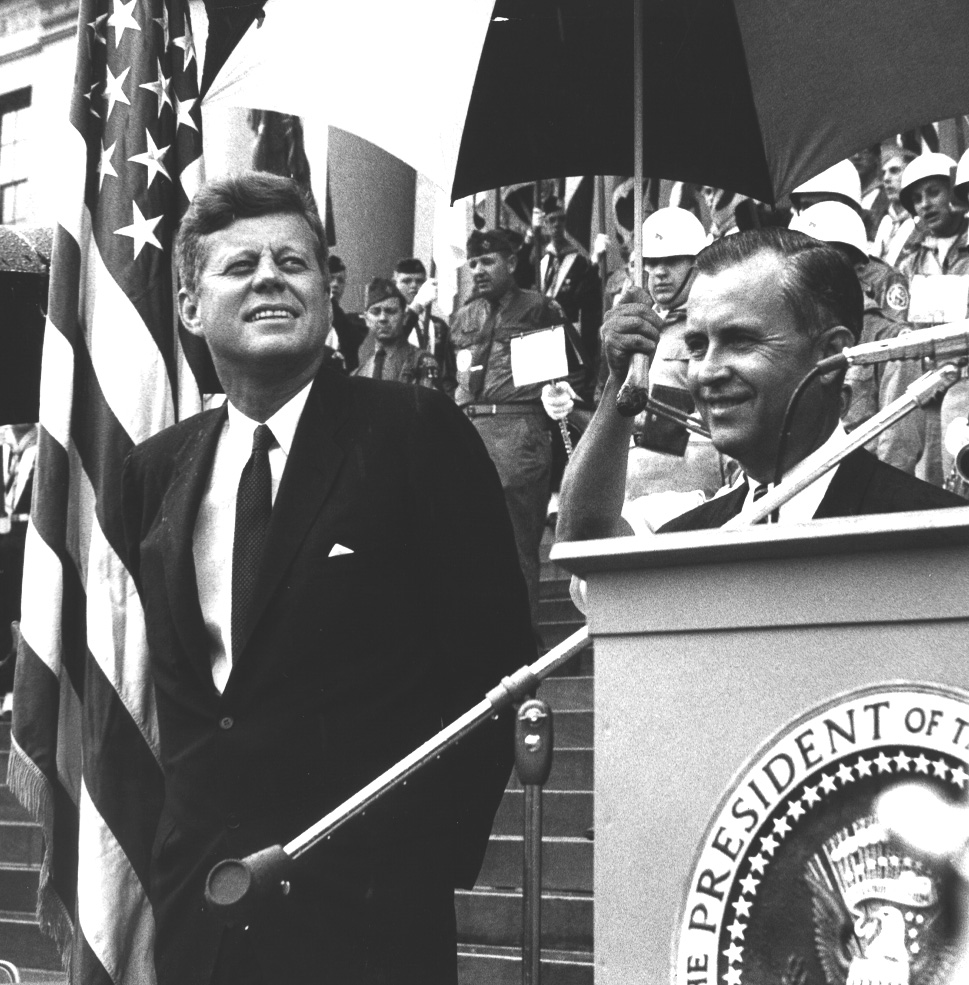
June 20, 1963: On the 100th birthday of West Virginia, President John F. Kennedy made his last appearance in West Virginia. Speaking at the state capitol in a pouring rain, he said, “The sun does not always shine in West Virginia, but the people do.”
June 20, 1970: The play Hatfields and McCoys opened at Grandview State Park amphitheater. Written by Billy Edd Wheeler with music by Ewel Cornett, the show joined Honey in the Rock as a regular summer offering.
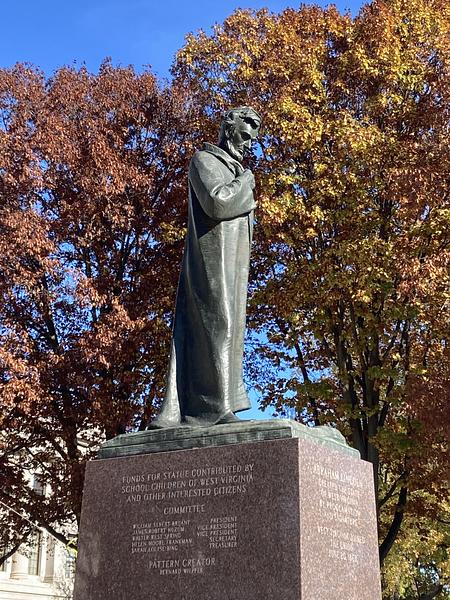
June 20, 1974: The Abraham Lincoln Walks at Midnight statue was unveiled at the state capitol. Designed by Fairmont native Fred Torrey and sculpted by Bernie Wiepper of Charleston, it depicts Lincoln walking the halls of the White House on New Year’s Eve 1862, pondering whether to make West Virginia a state.
e-WV: The West Virginia Encyclopedia is a project of the West Virginia Humanities Council. For more information contact the West Virginia Humanities Council, 1310 Kanawha Blvd. E., Charleston, WV 25301; (304) 346-8500; or visit e-WV at www.wvencyclopedia.org.
Author

Related Articles
THIS WEEK IN WV HISTORY: Sep 20-26
The following events happened on these dates in West Virginia history.

THIS WEEK IN WV HISTORY: Sep 13–19
The following events happened on these dates in West Virginia history.