Real West Virginian of the Week: Allison Shriver helps international exchange students find a home away from home in West Virginia
By Hannah Yost, RealWV
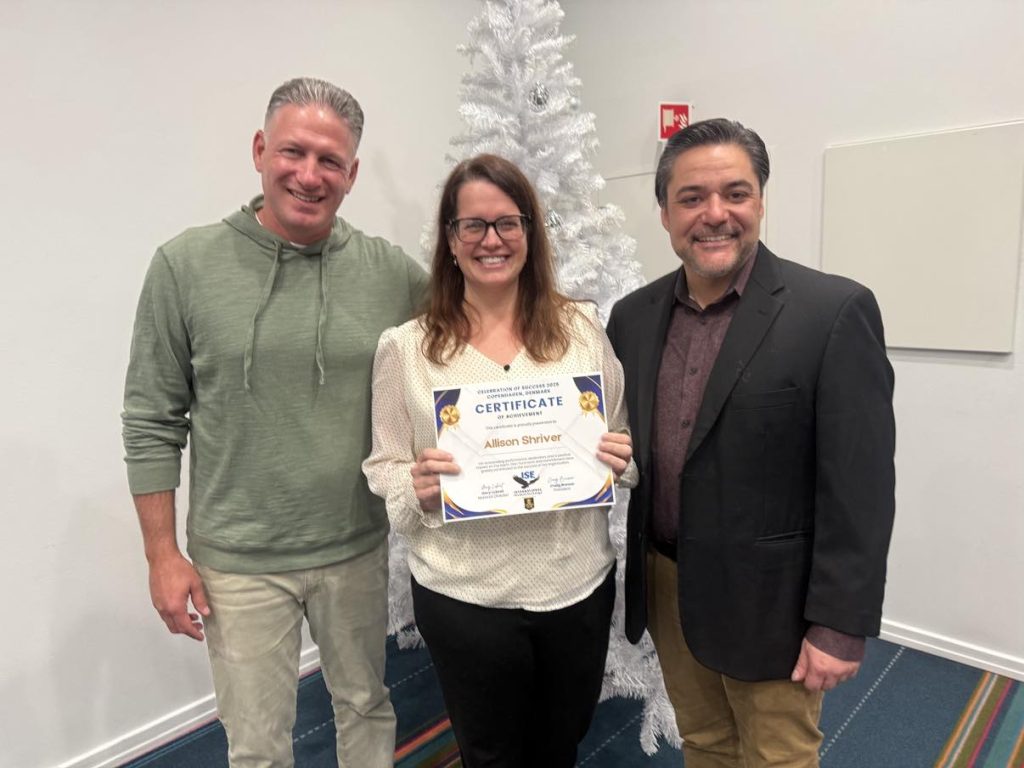
BECKLEY, W.Va. — For Allison Shriver, helping international students come to West Virginia began with one simple wish: she wanted her son to have the chance to learn another language.
What started as a personal hosting experience has grown into a statewide effort to connect international exchange students with West Virginia families, schools, and communities.
Shriver works with ISE, International Student Exchange, supporting students who come to the United States on J-1 visas for a semester, school year, or calendar year.
A mostly native West Virginian, Shriver was born in Delaware and moved around as a child because of her father’s work. Once her father was able to choose where the family lived, he chose West Virginia. He had grown up in Beckley, and Shriver moved to Charleston the summer before third grade.
She graduated from high school in Kanawha County, attended WVU, left the state for four years, and then felt West Virginia call her home. In 2002, she settled in Beckley and has lived in Raleigh County ever since.
“I am a public school teacher by profession, so kids have always been my life’s work,” Shriver said.
Her path to international exchange began when her son, before his sophomore year of high school, expressed frustration that he had not had the opportunity to really learn a foreign language in school. Shriver remembered that, growing up, her neighbors had hosted a student from Norway. That memory planted the idea.
She hosted her first exchange student through ISE during her oldest son’s junior year — a young man from Italy named Alberto.
Shriver hoped Alberto might help her son learn to count or say hello in Italian. Instead, he learned far more. The summer after Alberto returned home, Shriver and her son traveled to Italy and stayed with his family. While waiting for a train in Milan, Shriver left her son with the luggage. When she returned, she found him having a fluent conversation in Italian with two Italian women.
“They told me how wonderful his accent was and what wonderful Italian he spoke,” Shriver said. “From this, I was impressed, really impressed.”
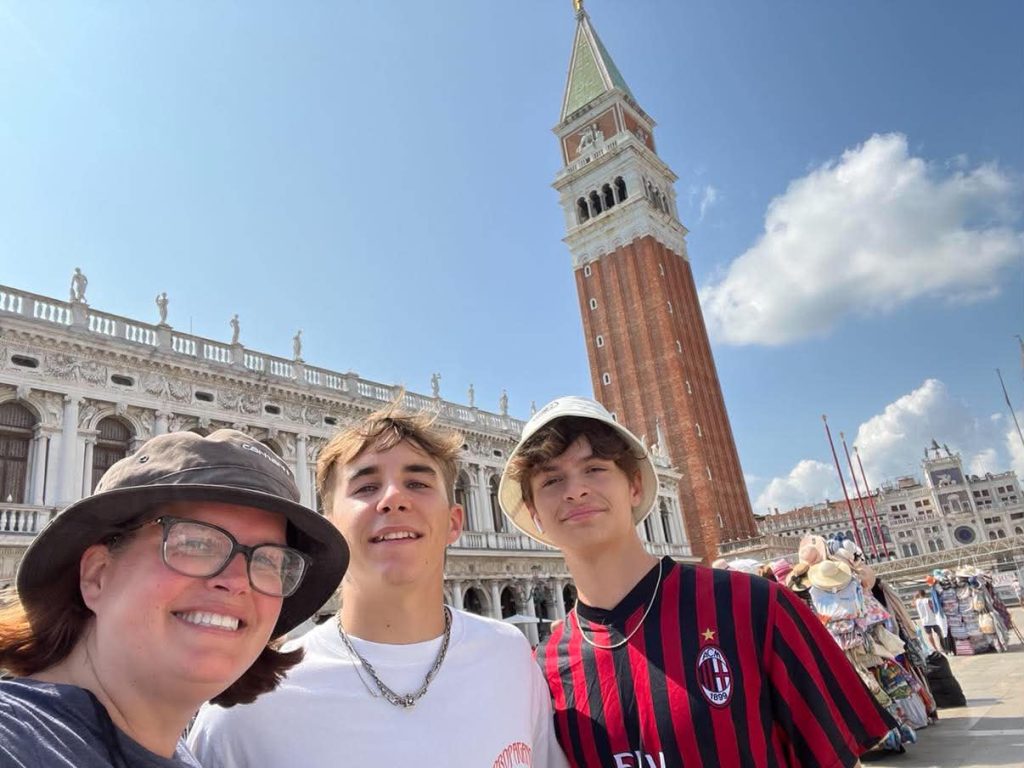
The family loved the experience so much that they decided to host again during her son’s senior year. At the time, there was no ISE representative in West Virginia. The representative who had helped them from Ohio did not want to drive to West Virginia again, so Shriver became her own representative, initially only to help her own family.
Then came Rafael.
Shriver had selected a student from Spain who was fluent in Italian so her son could keep practicing. Her regional director also sent her a profile for Rafael, a student from Brazil. Shriver loved his profile so much that she posted about him on her personal Facebook page.
Three of her friends were interested in hosting.
“That’s when I realized there was a need for this,” Shriver said.
Rafael was matched with one friend, while a student from Germany and a student from Belgium were matched with two others. Shriver also hosted a student herself.
From there, Exchange Students in WV was born. Shriver created a Facebook profile, added friends from Kanawha and Raleigh counties, and watched the network grow. Today, she said, she has close to 5,000 Facebook friends across the state.
The year after placing students with her friends and family, Shriver made more of an effort. That year, she placed 16 students across West Virginia, from Martinsburg to Sistersville, Morgantown, and Athens.
Since then, she has continued matching international students and host families throughout the state.
“I am so blessed to be able to do this work now as an empty nester,” Shriver said. “I am enjoying having teens in my life. I go to their plays, games, and awards nights.”
For families interested in hosting, the process begins with an application, a conversation, and selecting a student. Shriver answers questions, creates an online account for the family, sends the application, and visits the home. Before the student arrives, she holds an orientation for the host family. After the student arrives, she returns for a student orientation, then meets with the student monthly and checks in with the family.
Host families must provide a bedroom with a real bed in a room with a window, extra food at family meals, and access to utilities for showers and laundry. Students come with their own spending money, cellphone, and medical insurance.
The matching process, Shriver said, is her favorite part.
Families are not simply paired randomly from a database. Shriver considers the student’s needs and requests, the host family’s dynamics, the community where the family lives, and shared hobbies or interests.
She said ISE welcomes all kinds of families, including single people, empty nesters, families with teens, families with small children, and same-sex families. What matters most is that students feel safe and that families can live their authentic lives.
Students come from dozens of countries, including Brazil, France, Germany, Italy, Spain, Thailand, Taiwan, Korea, Vietnam, China, Japan, Poland, Belgium, Turkey, Morocco, the Netherlands, Slovakia, and others.
For Shriver, West Virginia offers students something special.
“The natural beauty,” she said.
She remembered a student from South Korea who told her West Virginia was the first place he had ever seen stars in the sky. Another student from Bangkok, placed in Mercer County, had never seen snow before.
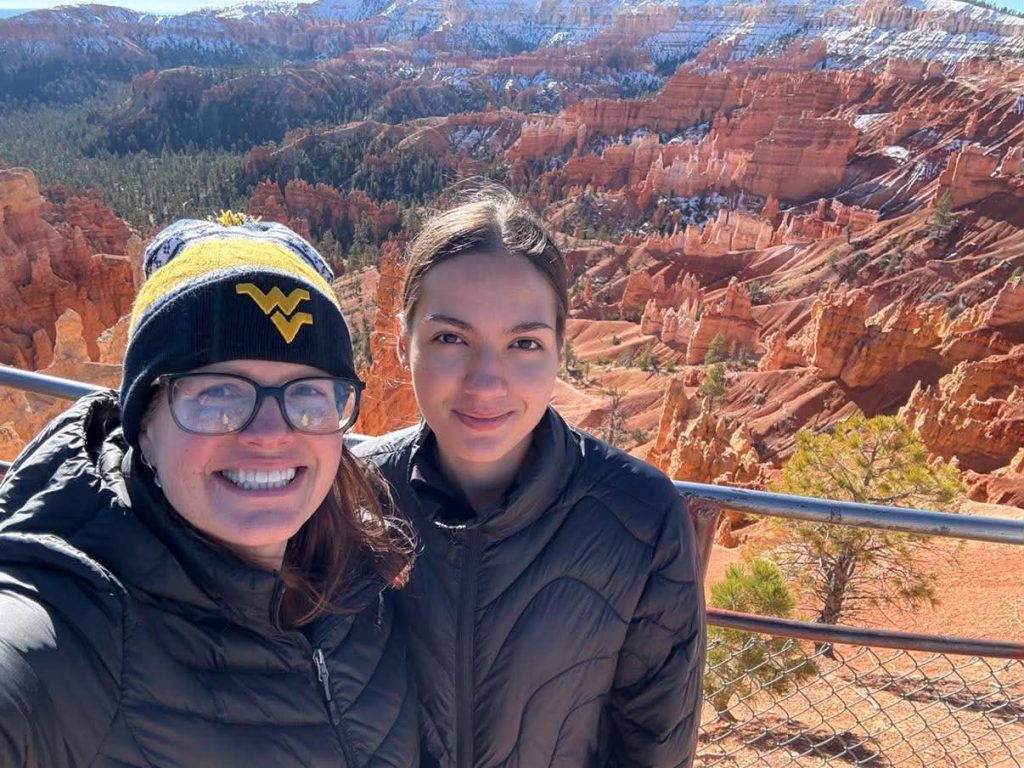
Shriver said West Virginia’s four seasons, small safe communities, welcoming people, and school opportunities make the state meaningful for exchange students. Students can join teams, attend prom, participate in clubs, wear school uniforms, and take advantage of career and technical programs.
“I also think that our students benefit from having international students here,” Shriver said. “Often, this is the first time they have made friends with someone from another country.”
The benefits for host families can be just as meaningful.
“The greatest part is the joy of gaining a lifelong son, daughter, brother, or sister,” Shriver said. “Humans love connections.”
She has seen widowers host teens for companionship, empty nesters bring life back into their homes, families with young children welcome role models, and families build long-term relationships that continue across countries.
Still, she knows many families are nervous to take the first step. Some worry hosting will be too expensive, that students will not speak English, or that they will not have support if challenges arise.
Shriver said students are tested in reading, writing, speaking, and understanding English before they arrive. They are screened, background checked, and must meet program qualifications in academics and character. Most issues, she said, are communication-related, and she works to address concerns before they become problems.
To families who are unsure, she offers reassurance.
“I get it, I was you,” Shriver said.
One of the things she hears most often is, “Why would anyone want to come here?”
Her answer is simple: everyday life in West Virginia can feel extraordinary to someone experiencing it for the first time.
“Trust me, your regular life here in WV is a dream to these kids,” Shriver said. “Their everyday is not our everyday.”
Students get excited about Walmart trips, gym class, school lockers, basketball games, Pop-Tarts, Uno, drive-thrus, laundry machines, and school lunch trays.
“I promise you are enough,” Shriver said. “They don’t want a mansion or elaborate trips. They want to live an authentic American experience.”
That experience often creates lasting memories. Shriver has watched students play in state championships, cheer at state tournaments, join family activities, and return years later to visit the families who hosted them.
Through exchange students, Shriver said West Virginians also get to see their own communities through fresh eyes. Students notice the way strangers talk in grocery lines, make eye contact, and say hello. They are fascinated by roads, trucks, weather, large stores, and everyday routines.
“It’s not the big grand things you expect,” Shriver said. “It’s the everyday stuff, like getting school lunch on a tray.”
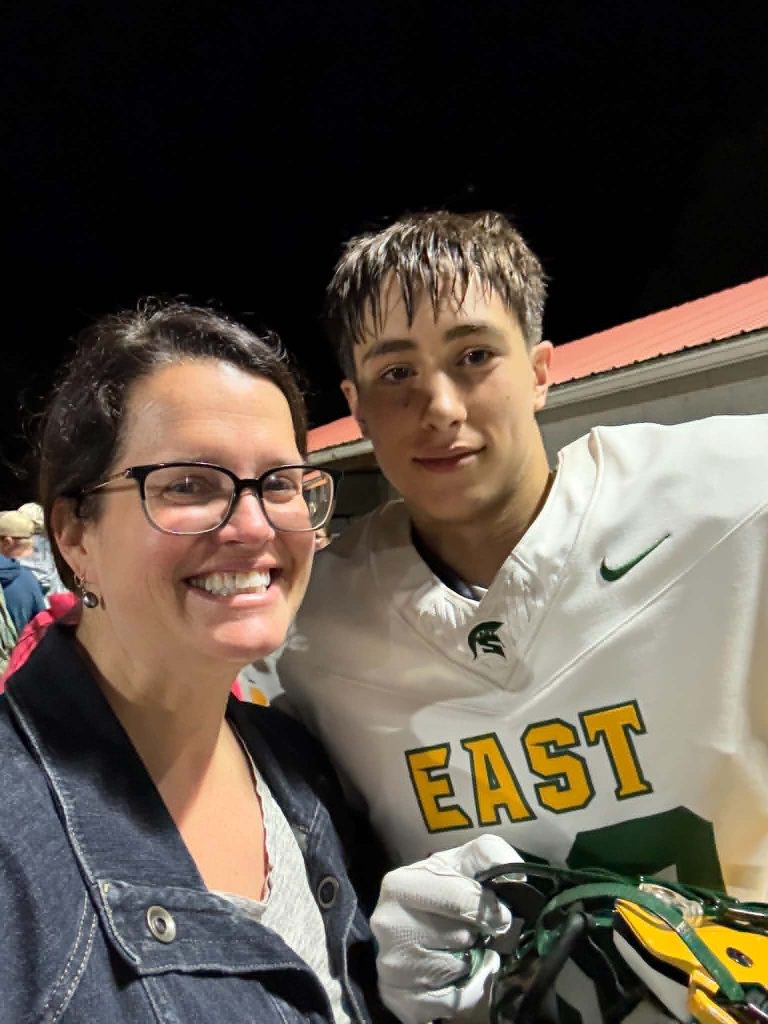
Exchange students also bring culture and curiosity into local schools and communities. Shriver said they answer questions, share languages, music, food, and traditions, and help students here better understand the world beyond West Virginia.
For young people in West Virginia, Shriver said building relationships with students from other countries matters because it creates empathy, compassion, and understanding.
“Just knowing that these people are just that, people,” she said. “Teenagers just like them with the same desires, wants, problems, and hopes as they have.”
The work has also deepened Shriver’s appreciation for West Virginia.
“I have gained an appreciation for my own home state,” she said.
She has traveled to communities across the state, been invited to parties and performances, and watched families give students meaningful experiences. Through it all, she said, she has seen how much West Virginia glows for international teens.
“I LOVE WV people,” Shriver said. “I love Appalachia, and so do people from all over the world.”
If there is one thing she hopes more families understand, it is that they do not have to wait for perfect timing or a perfect home.
“You do not need a perfect home,” Shriver said. “You do not need a perfect family. Toddler temper tantrums happen. Your dog will potty on the rug, you will get a stopped-up drain. Life happens. BUT these kids want real life.”
For Shriver, being a Real West Virginian means opening the door, sharing ordinary life, and trusting that ordinary life here is more special than many people realize.
She hopes people take away that hosting is possible — and that the most important qualification is an open heart.
“I hope that they also hear and notice my gratitude to my families, my schools, and the students who befriend them,” Shriver said. “THANK YOU WV, for being my home, and these students’ home away from home.”
Know someone who should be featured? Email your nomination to news@therealwv.com.
Related Articles
An afternoon on 18-year-old Billy Hedrick’s farm
This story is part of RealWV’s year-long focus on youth and belonging in West Virginia, exploring the difficult decisions young people face when deciding whether to stay or leave.
Real West Virginian of the Week: Mystik Miller found her way home — and built something from it
This story is part of RealWV’s year-long focus on youth and belonging in West Virginia, exploring the difficult decisions young people face when deciding whether to stay or leave.
THE FRONT PORCH: Worth the splurge
I don’t know if anyone has noticed recently, but the cost of living has become pretty astronomical.