Real West Virginian of the Week: Scott Applegate finds purpose in service to West Virginia
By Hannah Yost, RealWV
Editor’s note: The views expressed in this interview are those of the individual and do not reflect the official policy or position of the West Virginia National Guard, the Department of the Army, the Department of the Air Force, the Department of War, or the United States Government.
CHARLESTON, W.Va. — Scott Applegate has built his life and career around service — to his country, to the West Virginia National Guard, and to the state he has always called home.
A native of White Sulphur Springs, Applegate grew up in Greenbrier County and graduated from Greenbrier East High School before enlisting in the U.S. Army. He served with the 2-47th Infantry Battalion at Fort Benning, Georgia, and later received a Green to Gold Scholarship, which allowed him to continue his education.
He went on to earn a degree in business administration from West Virginia University in 2003 and graduated from the WVU College of Law in 2006.
For Applegate, West Virginia has always been more than a place on a map. It is where his roots were planted, where his values were shaped, and where he chose to build a life and career.
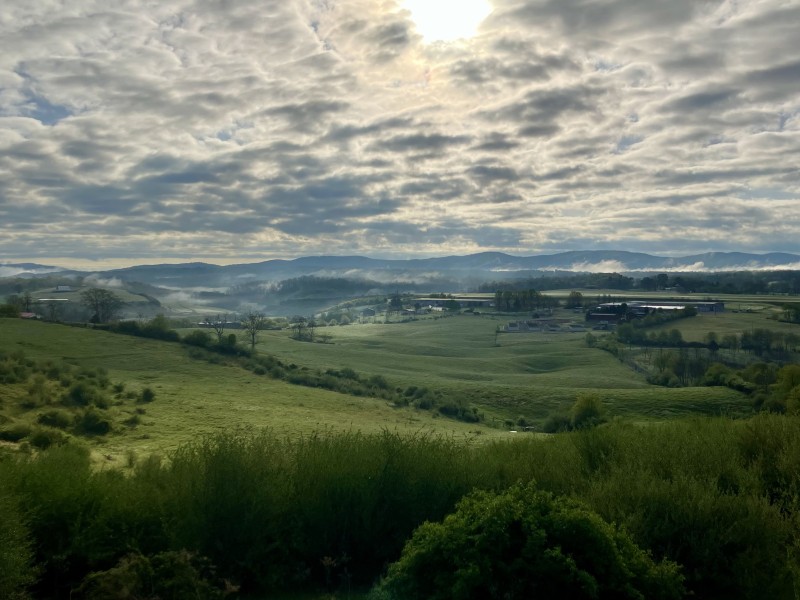
“My draw has always been West Virginia, the beauty, the people,” Applegate said. “I love West Virginia.”
That connection to West Virginia has remained steady throughout a career that has taken him through military service, law, leadership, and public service.
Today, Applegate serves as staff judge advocate for the West Virginia National Guard. In that role, he helps oversee legal operations for both the Army and Air sides of the Guard. His work supports military operations, disaster response, ethics guidance, deployments, contracts, and other legal needs tied to the Guard’s service to West Virginia and the nation.
Applegate said his role is centered on helping provide the legal advice necessary for the Guard to respond during disasters, coordinate deployments overseas, and serve West Virginians in a way that is effective, ethical, and lawful.
“How do we get our jobs done so we do so legally, in the best manner, to help West Virginians?” Applegate said.
His office handles a wide range of responsibilities. Some days, that means helping retirees or service members with legal issues. Other days, it may include reviewing contracts, supporting disaster response planning, training lawyers, judges, and magistrates on military and veterans issues, or helping address the legal questions that arise when military and civilian systems intersect.
The work can also be deeply personal. Applegate said the legal team may help someone draft a will, assist with a veteran-related legal matter, or help solve an immigration issue for a service member or veteran.
Behind each of those responsibilities is a larger goal: making sure the West Virginia National Guard can serve when people need it most.
Applegate said one of the biggest challenges of the job is being ready for the unexpected. When natural disasters strike, decisions have to be made quickly. The Guard must be prepared to respond to the needs of the governor, the president, and communities across the state and nation.
That readiness, Applegate said, is part of the culture of the West Virginia National Guard.
“We train hard when the quick unexpected missions come up, we’re prepared for what we think we may see,” Applegate said. “We still prepare and train nonetheless.”
For Applegate, that work is rooted in public service.
“I think that’s everything to me,” Applegate said. “I do believe in public service, and that we are here to serve the people of the state and nation.”
He said there is deep meaning in being able to help people, especially when they are facing some of the hardest moments of their lives. That service becomes even more personal when the people being helped are neighbors, friends, or people from the same communities that helped shape him.
“The ability to get out and help people when they’re at their absolute lowest is a very rewarding thing,” Applegate said. “When you can rally a lot of people to bring good to others, it’s very rewarding.”
Throughout his career, Applegate has seen that service take many forms.
“I remember delivering Gatorade and water to families who were affected by a flood in Hancock County, letting them know that we are there and we care,” Applegate said. “I could tell by the looks on their faces that they knew why we were there and that we really care about them.”
He has also seen West Virginians serve on a much larger stage. Applegate led the U.S. legal team in Locked Shields, an international NATO cyber defense exercise. The team, made up primarily of West Virginians with additional support, competed on the national stage in cyber defense and finished second.
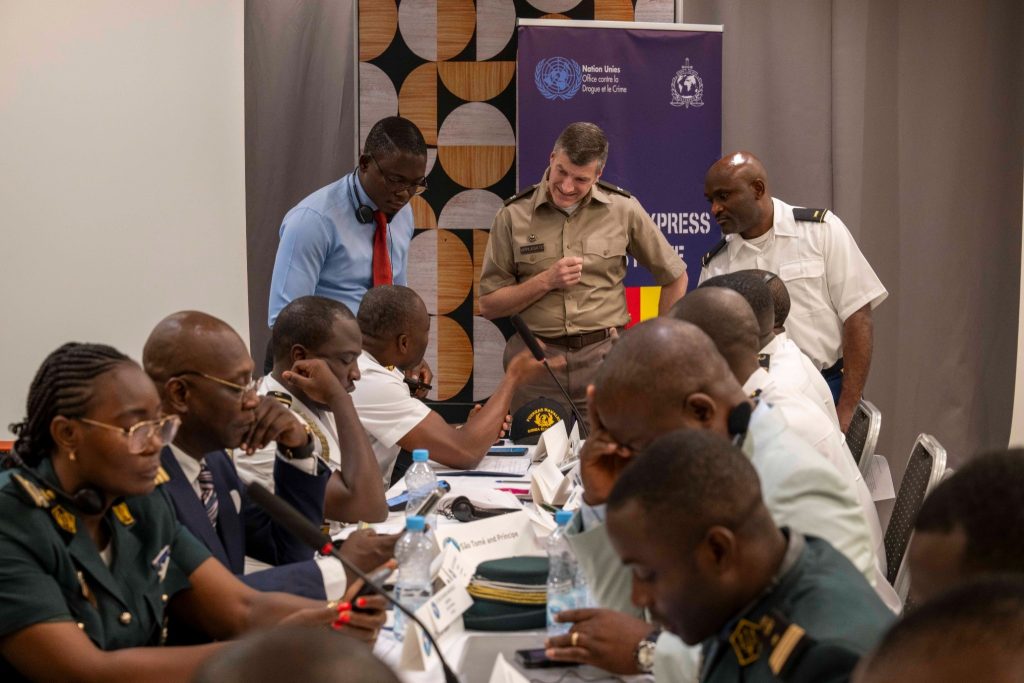
For Applegate, moments like that show what West Virginians are capable of when they are trained, prepared, and working together.
He said the National Guard has also assisted behind the scenes with major efforts such as the National Scout Jamboree, another reminder that the Guard stands ready to serve both West Virginia and the nation.
Applegate has also found meaning in individual moments, including helping an Air Force veteran who had served 20 years on active duty but had not yet fully received U.S. citizenship.
“Those individual moments that I had with people are very meaningful,” Applegate said.
When asked what it means to build a life and career in West Virginia while serving its people, Applegate said the answer is simple: it means everything.
He believes West Virginia has given him not only a place to live, but a place to belong. That sense of belonging has come from the communities that supported him, the people who encouraged him, and the opportunity to serve the same state that helped raise him.
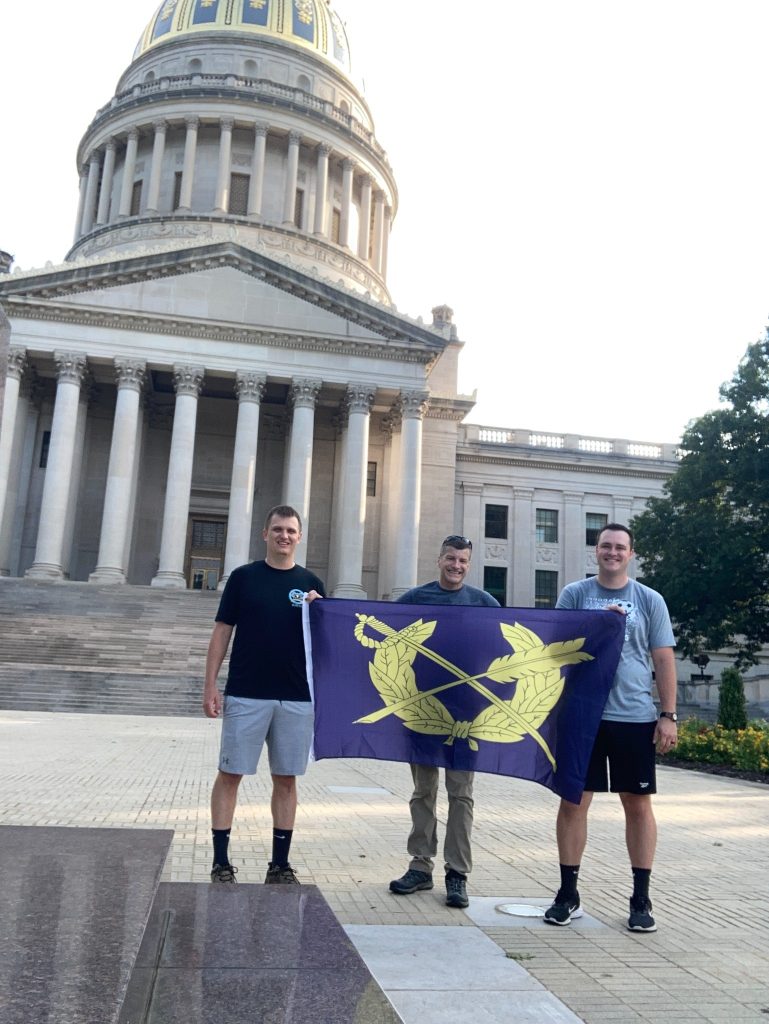
Applegate said Greenbrier County has been especially important in his life.
“Every community. Especially coming from Greenbrier County, it’s immensely supportive,” Applegate said. “Everyone you meet from that county is uplifting, offering up guidance or wisdom.”
Even when years pass, he said, people from West Virginia remember where someone comes from. They remember roots, relationships, and the roles people have played in one another’s lives.
“If they see you’re facing need, they’ll reach out,” Applegate said.
That kind of support has helped Applegate build a life, career, and home in West Virginia. It has also shaped the way he thinks about leadership and service.
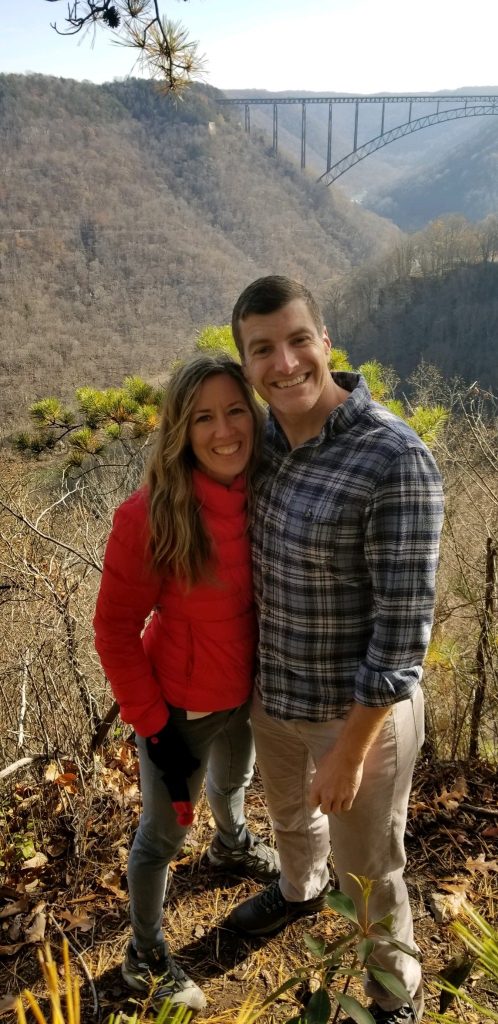
One of his greatest sources of support, he said, has been his wife, Christine.
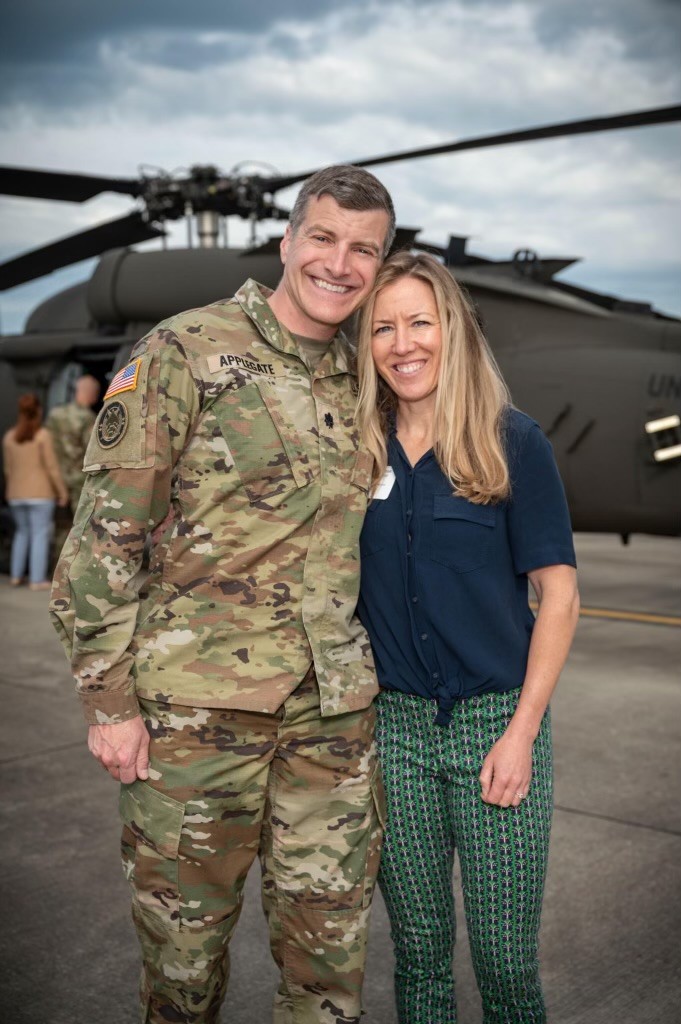
“My greatest most enduring source of strength, mentorship, motivation, and sense of strength is my wife, Christine,” Applegate said. “She’s my rock.”
Applegate said Christine has supported him and his career with wisdom, encouragement, compassion, and empathy. Though he is the one who signed up for military service, he said there is also a great deal that military families take on.
“There’s a lot that she signed up for when she came to do this,” Applegate said. “She does it in stride, compassion, and empathy.”
Military service has also influenced the way Applegate approaches leadership, discipline, and service to others. He said the Army teaches values such as loyalty, duty, respect, honor, integrity, courage, and service — values he also sees reflected in West Virginia communities.
“A lot of the values we share in the military, West Virginians still hold true,” Applegate said. “They still hold those same values and ethics in the world.”
To Applegate, that shared foundation is part of what makes him proud to serve West Virginia. Service here is not limited to one profession or one uniform. It can happen through the military, law, emergency response, health care, volunteering, or simply staying involved in a community.
His advice to young West Virginians interested in law, military service, public service, or leadership is direct.
“Do it,” Applegate said. “If you have a draw to the military, explore it. Don’t let fear or anxiety push you back. If you want to do some sort of public service — firefighter, nurse, doctor — public service is a great thing.”
Even if life takes them in another direction, Applegate said people can still find ways to give back. Many organizations depend on volunteers working behind the scenes.
“It takes a whole village for a community to work,” Applegate said.
Looking ahead, Applegate hopes to continue encouraging people to move West Virginia forward. He wants people to recognize how far the state has come while also believing in how far it can still go.
“We can make this a place where people want to call this home, raise a family here, and be proud to live here,” Applegate said. “Keep pushing it forward, and keep making it better.”
That idea is central to Applegate’s story: a life shaped by service, rooted in West Virginia, and strengthened by the communities and people who helped him along the way.
He wants others to understand that they do not have to leave West Virginia to build a meaningful career or make an impact. In his view, driving West Virginia forward is shared work, and every person has a role to play.
If there is one message he hopes others take from his story, it is that they are capable of more than they may realize.
“If I can do it, you can do it,” Applegate said. “We can do this.”
For Applegate, West Virginia is not just where his story began. It is where he continues to serve, lead, and call home.
Know someone who should be featured? Email your nomination to news@therealwv.com.