THIS WEEK IN WV HISTORY: August 16–22
The following events happened on these dates in West Virginia history.
Presented by the WV Humanities Council,
Charleston WV – The following events happened on these dates in West Virginia history. To read more, go to e-WV: The West Virginia Encyclopedia at www.wvencyclopedia.org.
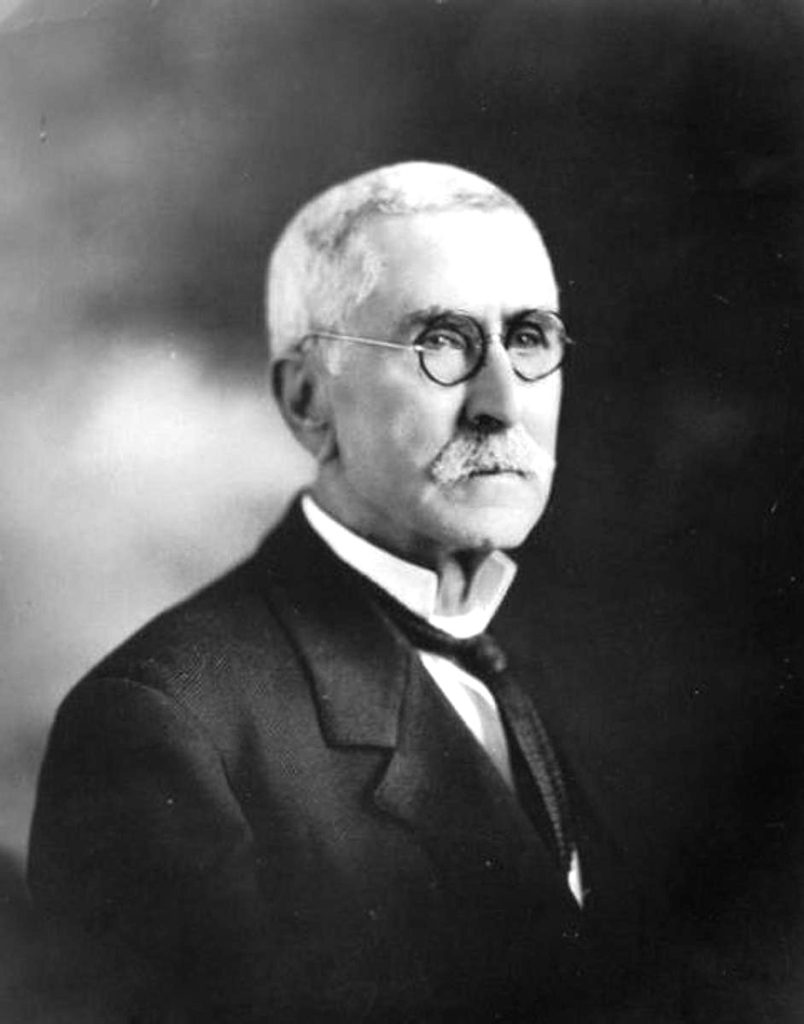
Aug. 16, 1851: William Hope “Coin” Harvey was born in Buffalo, Putnam County. Harvey, a social reformer, was nominated for president of the United States by the Liberty Party in 1932.
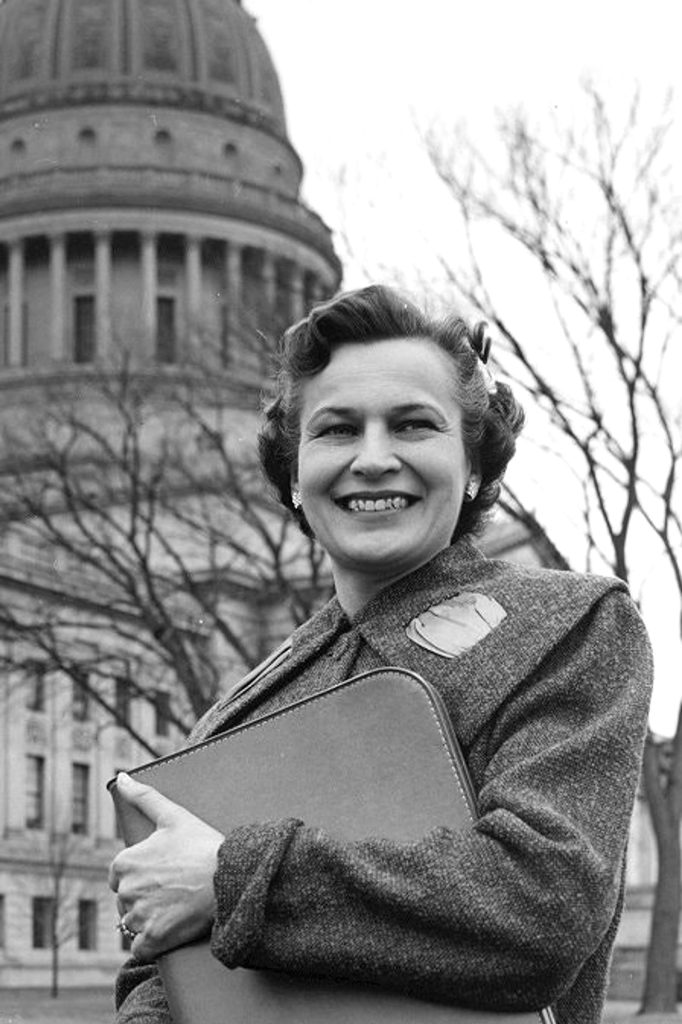
Aug. 16, 1913: Helen Holt was born in Illinois. In 1957, Governor Cecil Underwood appointed her to fill the secretary of state’s unexpired term, making her the first woman to hold statewide office in West Virginia.
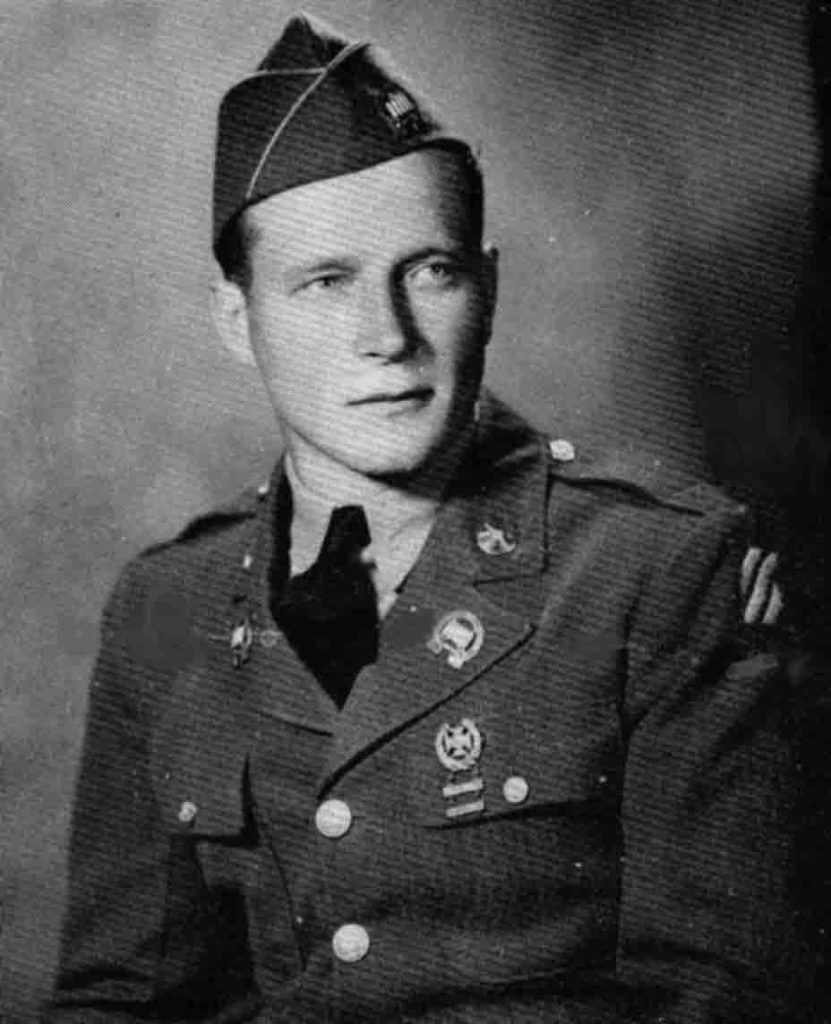
Aug. 17, 1944: Staff Sergeant Stanley Bender of Fayette County earned the Medal of Honor in southern France. Bender rushed through intense machine gun fire and grenades, and knocked out two German machine guns with rifle fire. His actions inspired the rest of his company to take out a German roadblock, kill 37 enemy soldiers and take 26 prisoners.
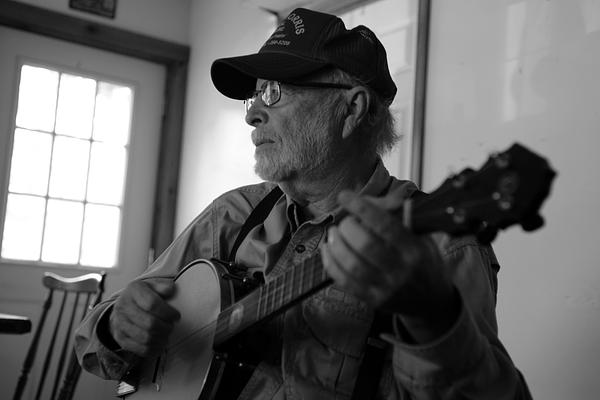
Aug. 17, 1946: Old-time musician Dwight Diller was born in Rand but spent most of his life in Pocahontas County, documenting, teaching and performing traditional music.
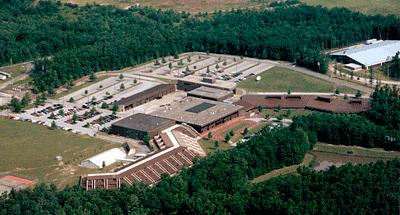
Aug. 17, 1976: The National Mine Health and Safety Academy opened at Beaver, near Beckley. The academy, located on a 76-acre campus, is the world’s largest educational institution devoted solely to safety and health in mining.
Aug. 18, 1749: Explorer Celoron de Blainville buried a leaden plate at Point Pleasant, after burying another at Wheeling, to claim the Ohio Valley for France.
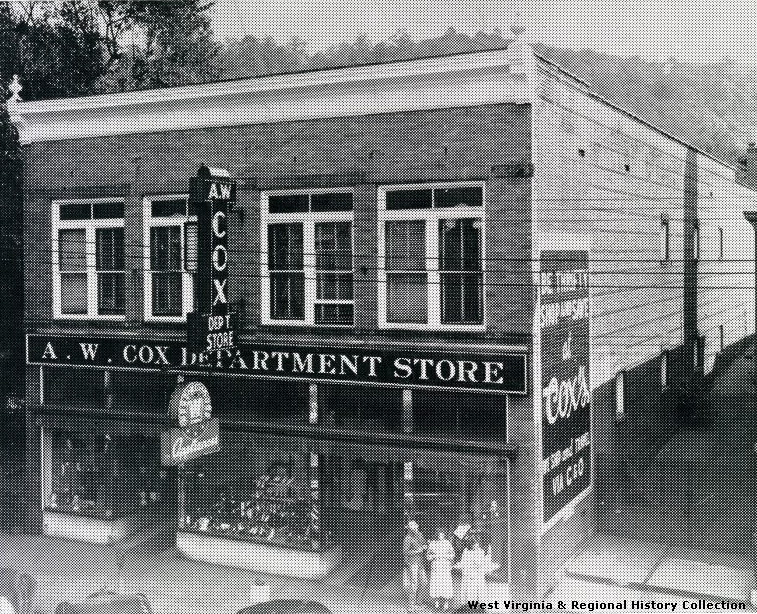
Aug. 18, 1885: Artemus Ward Cox was born on a farm at Red Knob, Roane County. In 1914, Cox bought the George Ort Department Store on Capitol Street in Charleston. That store became the first in a chain of 21 A. W. Cox stores in West Virginia, Virginia, Ohio and Kentucky.
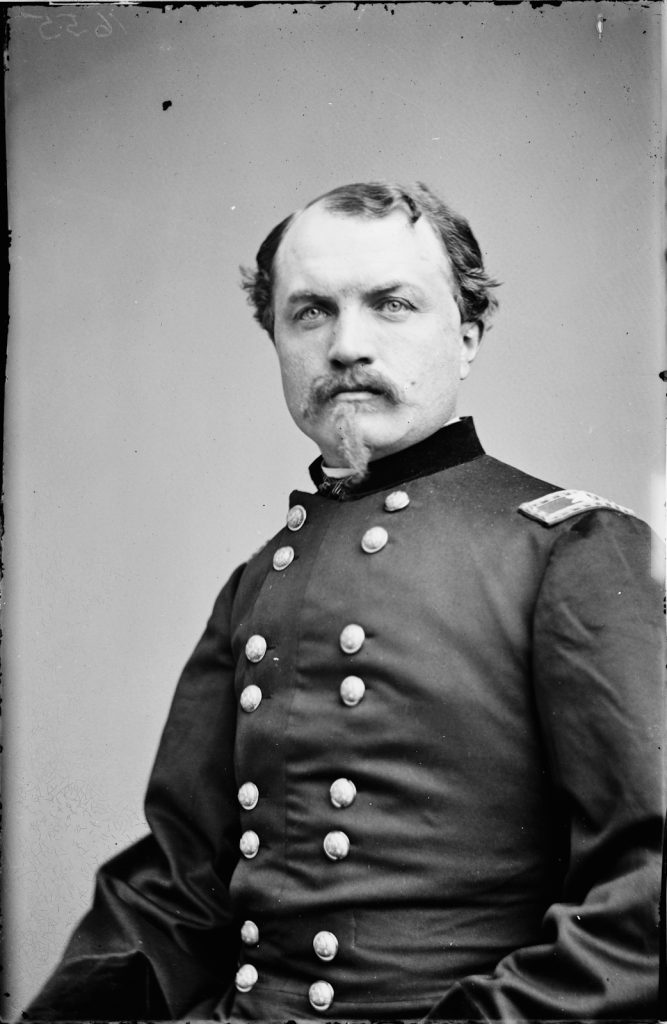
Aug. 19, 1863: Union cavalry under Brigadier General William W. Averell destroyed the Confederate saltpeter works near Franklin. It was the first of a series of Union raids in West Virginia led by Averell that month.
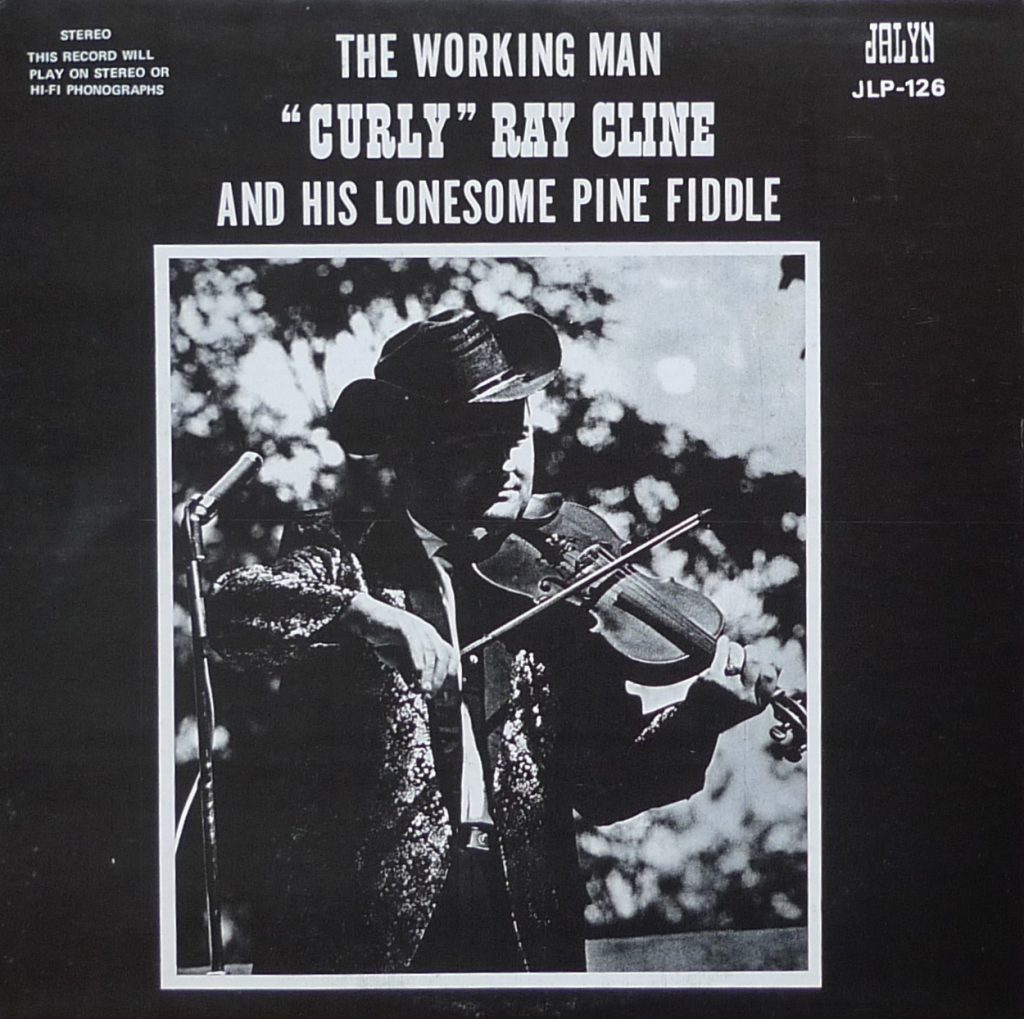
Aug. 19, 1997: Fiddler Curly Ray Cline died. Born in Logan County, Cline was a member of the Lonesome Pine Fiddlers and Ralph Stanley’s Clinch Mountain Boys.
Aug, 20, 1794: The Americans’ victory over a tribal coalition at the Battle of Fallen Timbers, in Ohio, and subsequent treaty, ended the frontier-era’s Indian Wars in Western Virginia and brought peace to the region for the first time in generations.
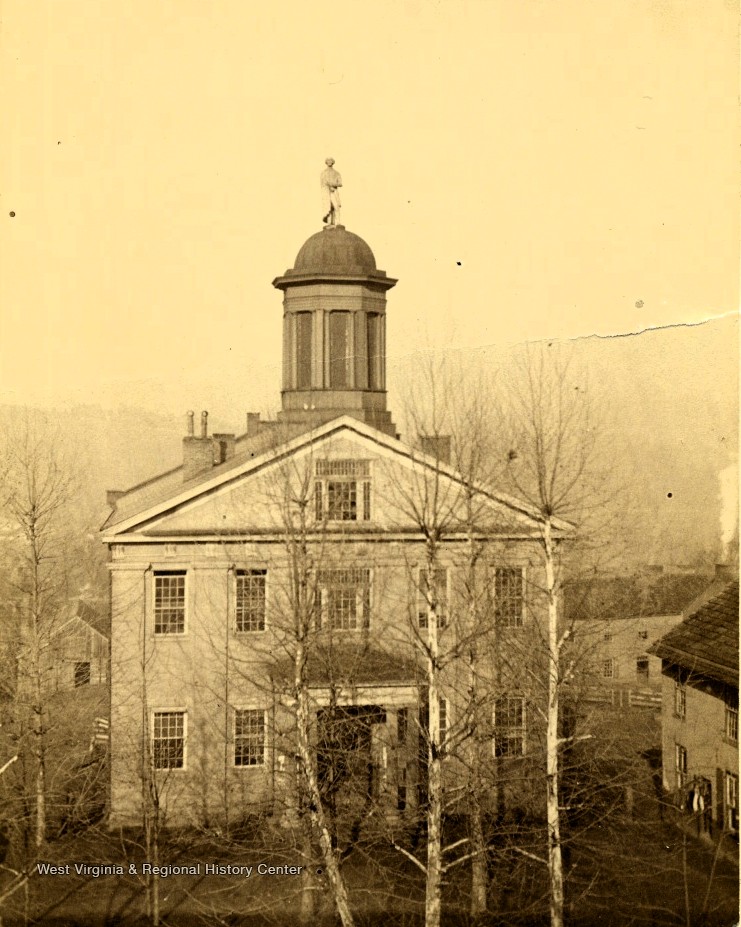
Aug. 20, 1851: The oldest statue in West Virginia, a nine-foot wood carving of Patrick Henry, was dedicated at the county courthouse in Morgantown.
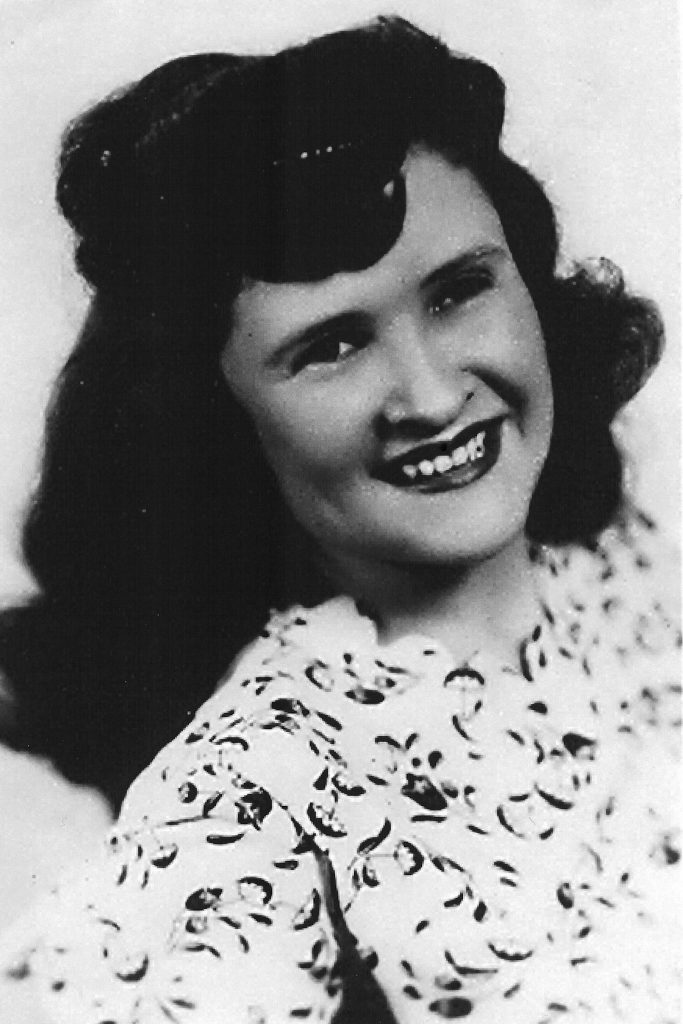
Aug. 20, 2004: Eldora Bolyard Nuzum died in Elkins. While working for the Grafton Sentinel in 1946, she became the first female editor of a daily newspaper in West Virginia. For three decades, she was editor of the Elkins Inter-Mountain.
Aug. 21, 1861: Confederate troops under General John B. Floyd crossed the Gauley River at Carnifex Ferry, Nicholas County, and began to entrench their position. It was the beginning of what became known as the Battle of Keslers Cross Lanes.
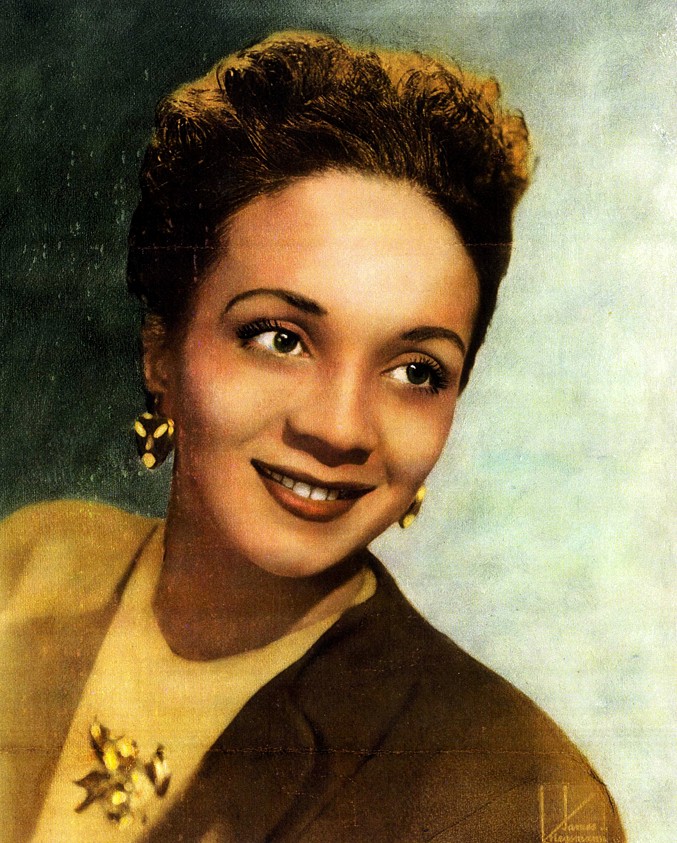
Aug. 21, 1915: Singer Ann Baker was born in Pennsylvania. She later operated a popular Charleston nightclub, The Shalamar, and became known as “Charleston’s First Lady of Jazz.”

Aug. 21, 1946: Gerry Milnes was born in Pennsylvania. After moving to West Virginia in 1976, he became one of the state’s most prolific folklorists, musicians, and filmmakers. His five decades of documenting and preserving Appalachian traditions earned him the prestigious 2026 Bess Lomax Hawes National Heritage Fellowship from the National Endowment for the Arts.
Aug. 22, 1872: Following the Constitutional Convention of 1872, the West Virginia electorate ratified a new state constitution by a vote of 42,344 to 37,777. In the same election, voters rejected a controversial convention proposition that would have prohibited Black citizens from holding public office.
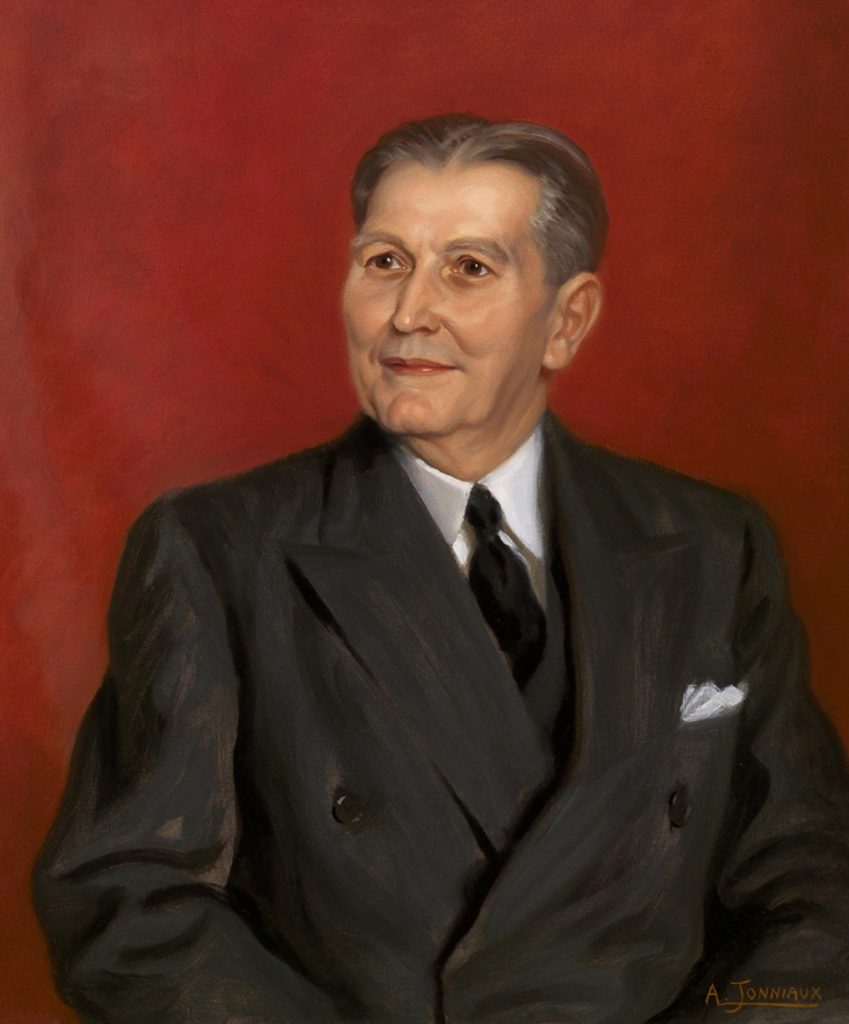
Aug. 22, 1874: John Kee, the patriarch of a powerful political family, was born in Glenville. He relocated to Bluefield in 1910 and was first elected to Congress in 1932, eventually chairing the House Foreign Affairs Committee. After his death in 1951, his widow, Elizabeth, filled his seat (1951-65), followed by their son James (1965-73).
e-WV: The West Virginia Encyclopedia is a project of the West Virginia Humanities Council. For more information contact the West Virginia Humanities Council, 1310 Kanawha Blvd. E., Charleston, WV 25301; (304) 346-8500; or visit e-WV at www.wvencyclopedia.org.
Author

Related Articles
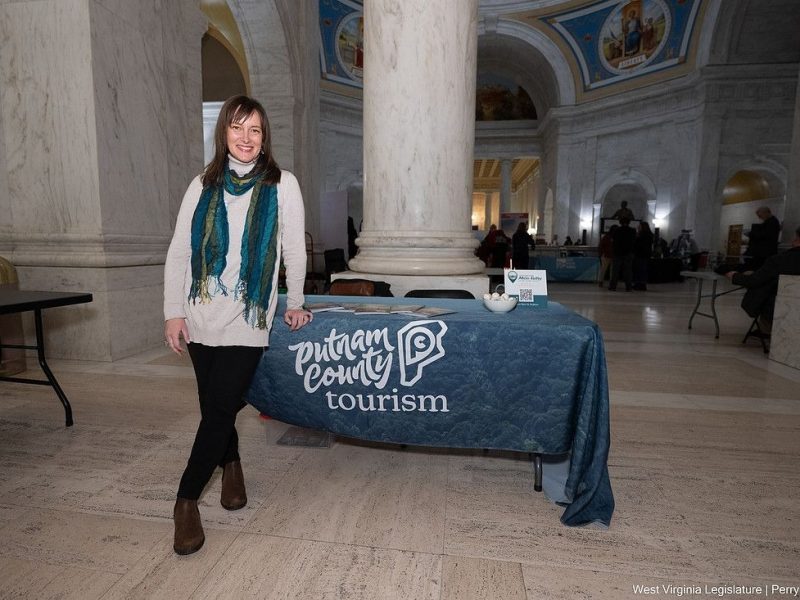
Real West Virginian of the Week: Kelli Steele helps tell Putnam County’s story
For Kelli Steele, tourism is about more than bringing visitors to a place. It is about helping a community see the value, beauty, and opportunity that already exists at home.