State trooper says financial sextortion against minors has tripled in WV
Blankenship said reports of financial sextortion against minors are up 3,100% nationally, while in West Virginia they are up 300%. Her unit has received more than 2,300 tips this year alone, which is already more than last year.
By RealWV Staff,
CHARLESTON, W.Va. — According to official testimony in the Senate Judiciary Committee last week, reports of internet-based crimes against minors are increasing significantly across the nation and here in West Virginia.
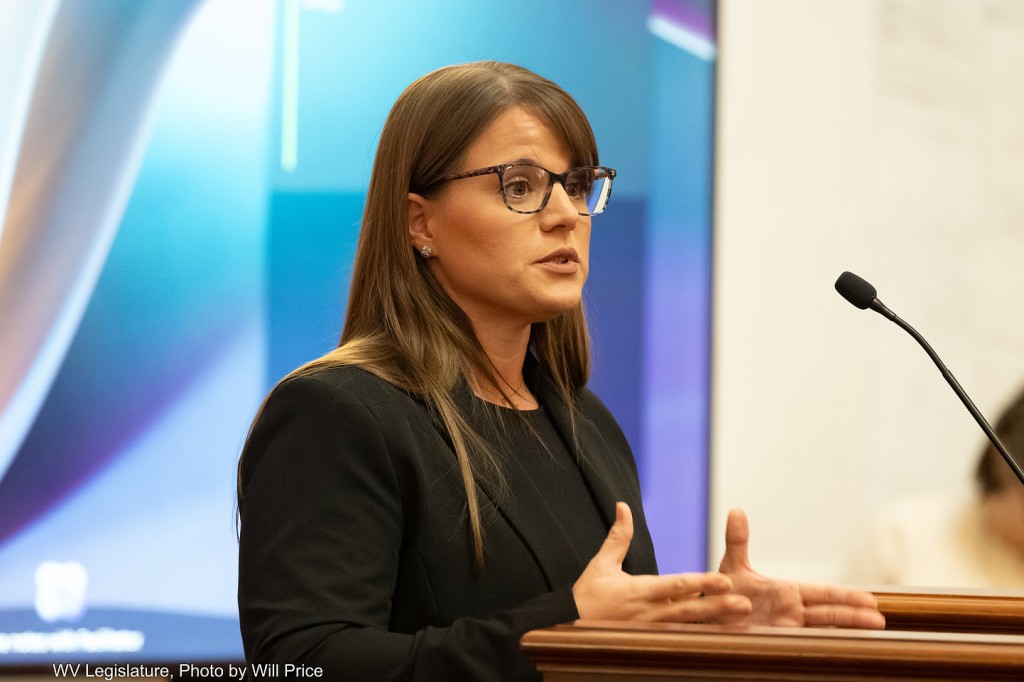
“Our unit is comprised of 15 state troopers,” explained Sgt. Rachel Blankenship, Director of the Internet Crimes Against Children Task Force, West Virginia State Police. “We also have 50 affiliates including city police and county sheriffs. We coordinate with the National Center for Missing and Exploited Children. They receive cybertips and we investigate those.”
Blankenship said reports of financial sextortion against minors are up 3,100% nationally, while in West Virginia they are up 300%. Her unit has received more than 2,300 tips this year alone, which is already more than last year.
What comprises financial sextortion crimes? Blankenship said that other children or adults may trick children into sending sexual images of themselves and then demanding payments or else they will release the images online.
In addition, Blankenship said cases of sadistic online exploitation are increasing as well. Those cases involve other children or adults gaining personal information or images from children and then using those images as ransom to require children to commit crimes such as arson or doxxing, or convincing the children to engage in self-harm.
“This is a national trend,” Blankenship told lawmakers. “Some of this is coming from out of country. We are working with the FBI and Meta, for example, to extradite people from out of country for these crimes.”
How does the unit work to combat these heinous crimes? Blankenship said they are trying to bring these dark issues to light.
“We are trying to combat that by going out and proactively educating the youth, parents, teachers on what to look for.”
This effort includes presentations ot public school systems in various parts of the state, an avenue they’d like to pursue more strenuously in the future.
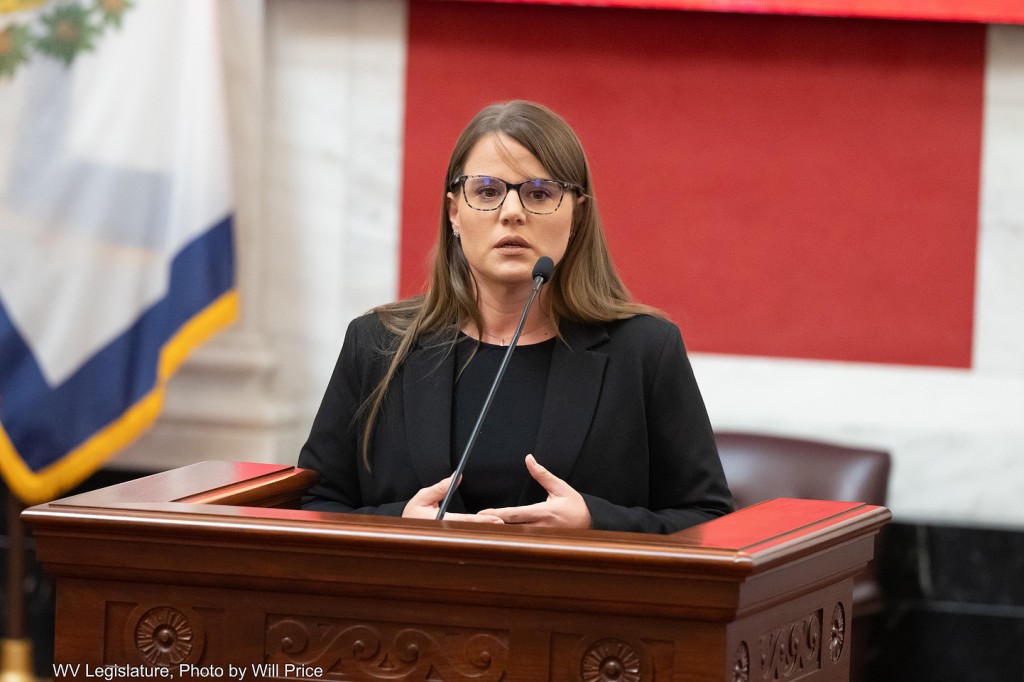
In addition to folks not being aware of these issues, Blankenship said one of their biggest problems is the sheer number of tips coming, which increase year to year, and only leave a cyber trail. This leads to long investigations.
“Our investigations take the better part of a year for one cyber tip,” she shared.
She said most large internet service providers and tech companies, sich as Google and Meta, are helpful, reporting incidents to law enforcement quickly. But others smaller companies, she said, sometimes take 4-5 months just to share a tip.
Asked why it takes so long by Del. Jordan Maynor, R-Raleigh, Blankenship said they don’t have enough employees and also have a large amount of data to comb through.
Blankenship said she is working with her superiors at the West Virginia State Police to gather policy proposals for the legislature to consider in the future.
“There are a couple pieces of legisation nationally, the ECHO Act, basically increasing federal prosecution of people who coerce minors into self harm, doxxing, suicidee, and self harm.”
Lawmakers said they looked forward to learning more about how the state could combat the growing problem. This year’s legislative session will begin in January 2027.
Author