
WV farmers question Trump’s decision to import beef
Local beef producers doubt the move will lower prices and believe it undercuts American farms.
By Stephen Baldwin, RealWV
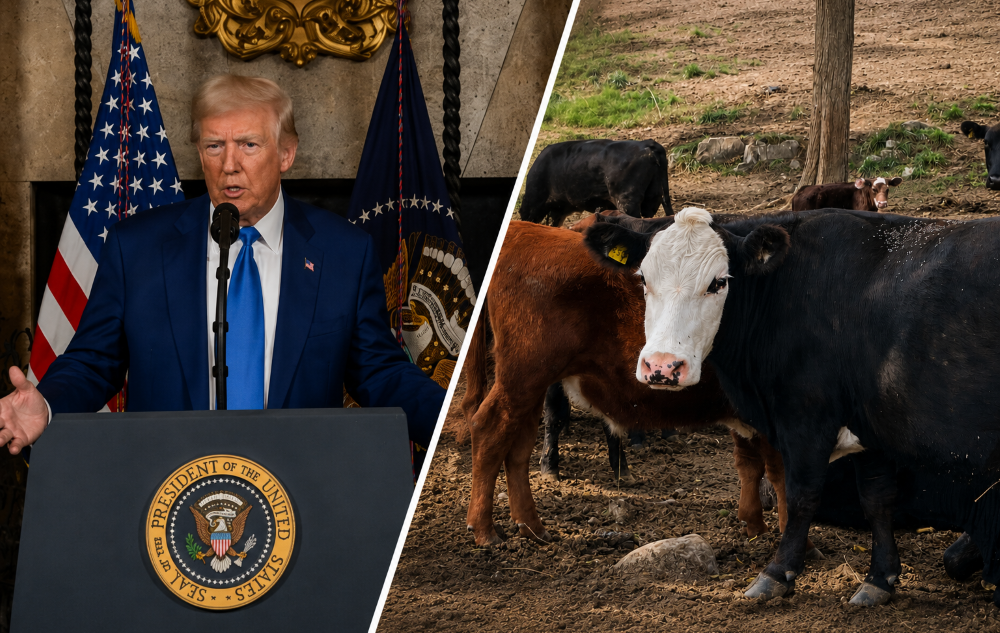
GREENBRIER COUNTY, W.Va. – While fairgoers lined up to eat steak sandwiches at the State Fair of West Virginia from the WV Cattleman’s Association, President Donald Trump announced that he will allow 300 metric tons of foreign beef to be imported for sale to American consumers over concerns about beef prices.
West Virginia beef producers are calling bull.
“The West Virginia Cattlemen’s Association is extremely disappointed in President Trump’s statement regarding government subsidized beef imports,” they said. “While West Virginia’s beef producers desire affordable, safe beef for West Virginians and consumers nationwide, the indicated volume is unlikely to impact the retail price of beef, yet it will most certainly negatively impact West Virginia’s cattle producers.”
‘They’re used to Wall Street’ –Brandon McCormick
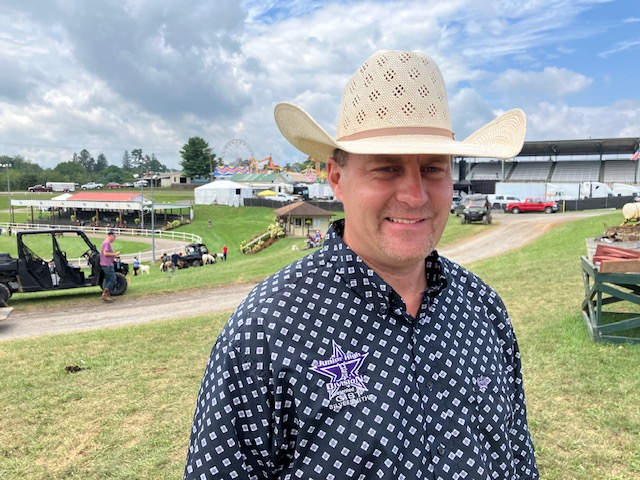
Brandon McCormick, a Greenbrier County sheriff’s deputy who also runs a family farm, echoed that sentiment. “The value of our animals is going down now. By the hour. Ever since this announcement has been made, it’s falling like a rock.”
McCormick said he understands the national politics at play, with consumers wanting lower prices on beef and politicians wanting to provide it. But he doesn’t think it will work. “The cost to consumers is not gonna go down at all. It’s probably gonna continue to rise.”
“300 metric tons is not gonna be enough,” he predicted. “The only thing this will affect is the price of live feeder cattle.”
Which is how McCormick and many other small West Virginia beef producers make their money back. He explained, “All our animals for sale this fall are dropping tremendously (in expected sale price). This is our livelihood. We’re gonna be selling animals for less than what they were a couple months ago.”
Asked why he thinks the Trump administration is taking this policy direction, McCormick said, “In my opinion, our national leaders don’t understand how cattle market work or they don’t care. I’m hoping it’s the first.”
“They’re used to how Wall Street works,” he said. “Cattle doesn’t operate the same. It’s controlled by the big four packers. 85% of all beef is controlled by them. This will just help them. They’ll not drop their prices.”
Meat packers are large corporate structures that control the means of production for beef from slaughter to processing to packaging to distribution. Four companies control 85% of the market–Tyson Foods, Cargill Meat Solutions, JBS USA (based in Brazil), and National Beef (also based in Brazil).
“They can kill enough cattle daily to stock all the major companies that are retailers,” McCormick says, including grocery stores and major fast food chains. “We can’t compete locally.”
McCormick says he wishes consumers understood everything he and other farmers put into their farms in order to provide people with beef at its current price.
“They’re not taking into account our cost to operate. A few months ago, we were selling beef for higher than we ever did, but we’re also paying more for fertilizer and fuel than we ever have.”
‘People will pay for quality’ –Jesse Zimmerman
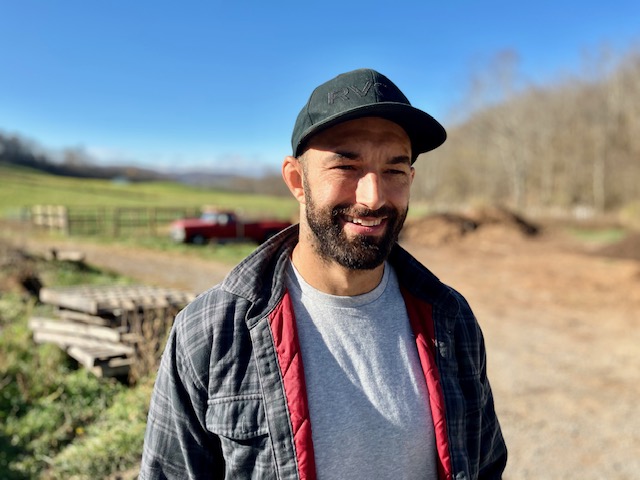
Jesse Zimmerman understands the plight of local West Virginia beef producers better than most people. As a butcher who runs Renick Valley Meats, he works with multiple farmers on a daily basis to bring their product to the market.
He agrees that the Trump beef imports will do little to bring prices down, but he also sees an opportunity for farmers to do business differently.
“At best, this is going to drop prices temporarily,” he observed. “Around the election cycle.”
Zimmerman said of the Trump import plan, “It doesn’t matter. Or at least it shouldn’t matter.”
“By arguing over how this supports the American consumer or hurts the American rancher, we are demonstrating that we are dependent on that current system. We are arguing that the current system of the big four meat packers…that got us into this very situation should also get us out of it,” he said. “We’re ignoring the fact that it’s a broken system and asking the ones responsible for it and who benefit most from it to also fix it for us.”
“That’s insanity,” he adds. “The only way forward is outside of it. Real local and regional systems that get American beef onto American tables directly from American farmers and ranchers is how we break free from the system we have been so heavily incentivized to opting into.”
As a proponent of the “direct to consumer” model, Zimmerman sees this as an opportunity to change consumer behavior. How? By offering a superior product.
“My product right now is more expensive than the grocery store product,” Zimmerman concedes. “But it doesn’t taste the same. Mine is ten times better. The more we can demonstrate that, the more people will buy it. People will pay for quality.”
Zimmerman believes that modern American society needs to put its money where its mouth is.
“We have this misconception that blue collar jobs don’t deserve to make the same wage as other jobs. Your farmer and rancher deserve to make a real living just like you do. The only way that happens is if you purchase from them and they can charge you what their product is actually worth.”
How do you know if you’re buying imported beef?
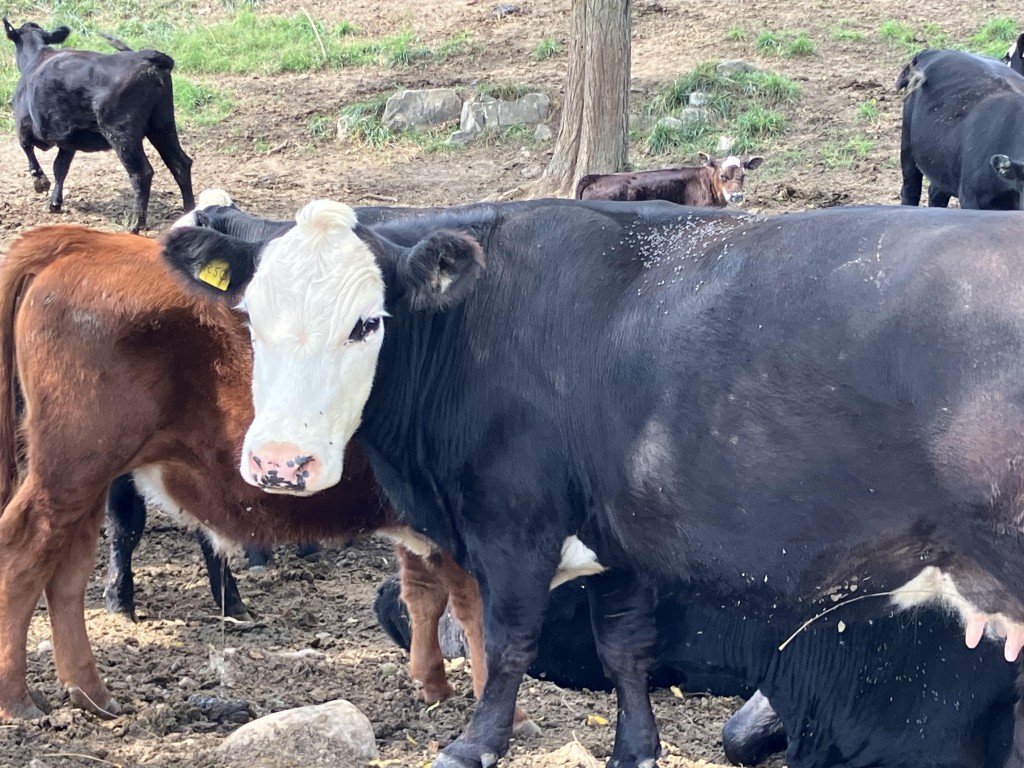
With 300 metric tons of beef from Argentina on the way to American shelves, how will you know if you’re buying that or something from a family farm here in America? The short answer is you won’t.
Policymakers do not currently require that meat be tagged with a “country of origin label” (COOL). There’s been a move to re-establish it recently in the Senate in a measure backed by Majority Leader John Thune, but the effort stalled this summer and isn’t expected to be addressed until after the fall election.
Six Republican senators voted against Thune’s COOL amendment in committee. They include John Boozman of Arkansas, Roger Marshall and Jerry Moran of Kansas, Mitch McConnell of Kentucky, Tommy Tuberville of Alabama, and Jim Justice of West Virginia.
Brandon McCormick said that several members of the WV Cattleman’s Association went to Sen. Justice’s booth at the State Fair of West Virginia last week to ask about his opposition to COOL.
“He said he thought we weren’t in support of it,” McCormick shared. “I’m hoping that was just a misunderstanding. We are absolutely in favor of it. We believe the consumer has the right to know where their beef comes from.”
RealWV reached out to Sen. Justice’s office via phone on Monday for comment on COOL and Trump’s beef import strategy. As of press time, we have received no reply to our request for comment.
‘Prices are falling like a rock’
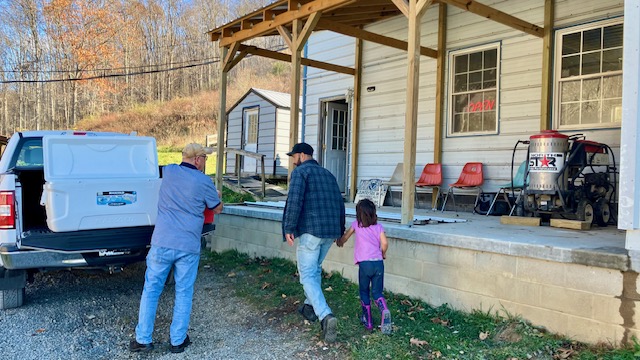
McCormick remains hopeful that policymakers will change their minds. “I really hope that the right people get a hold of our national leadership and can get them convinced this isn’t the right decision to help American consumers. I hope they can reverse course. Look at the market reports right now. Feeder prices are falling like a rock. It’s because of this decision. It won’t help prices.”
Zimmerman thinks the key is structural changes to the food system. “Family farms are disappearing. Kids are leaving and not coming back to the farm. If nothing changes, nothing changes. If we continue to operate on the same system that has gotten us to this point then we need to expect the exact same results.”
“We have a monopoly that controls this and sets the policies,” Zimmerman said. “The future is selling our better product directly to consumers.”
Stay tuned to RealWV for updates on this developing story.
Related Articles

SUNDAY SERMON: The more things change…
The more things change, they don’t have to stay the same. We can interrupt the cycle. We can follow the route of Moses. We can stand up for what’s right and keep situations from becoming worse.

Three decades behind the chair: Kelly Treadway celebrates milestone at Esquire
When Kelly Treadway was 21 years old and fresh out of beauty school, she heard of a job opening at a salon in White Sulphur Springs. She went in for an interview, got the job, and has been there ever since.