THE FRONT PORCH: Should schools teach media literacy?
By Dakota Baker, RealWV
What is media literacy?
Media literacy is the ability to access, understand, analyze, evaluate, create, and engage with different forms of communication.
In simple terms, media literacy expands on traditional literacy by teaching us new ways to read, write, interpret, and communicate in today’s media-rich world.
Why would this topic be meaningful in schools?
There are five meaningful outcomes when it comes to media literacy education: helping individuals discern information, helping young people develop healthy mindsets, helping individuals make sense of the world, teaching learners how to use the media in creative and impactful ways, and bringing learning to life.
Young people are particularly vulnerable to the negative influences of media. Media literacy education teaches them to critically analyze and evaluate the information they encounter. For youth, developing these skills can strengthen critical thinking and help them recognize and challenge harmful media messages, ultimately reducing lack of confidence and nurturing more positive self-perceptions.
Is media literacy a valid concern for our youth?
The News Literacy Project conducted an online survey in 2024 with 1,110 teenagers ages 13 to 18 nationwide. The survey revealed that fewer than two in 10 teens gave all correct answers when asked to distinguish between different types of information.
Another key finding was that about eight in 10 teens who use social media have encountered posts promoting or spreading conspiracy theories. Among those teens, 81 percent said they were likely to believe at least one of the theories they encountered.
If media literacy can help protect children from harmful media messages, shouldn’t it be part of what they learn in school?
To view more information related to the News Literacy Project, click here.
Related Articles
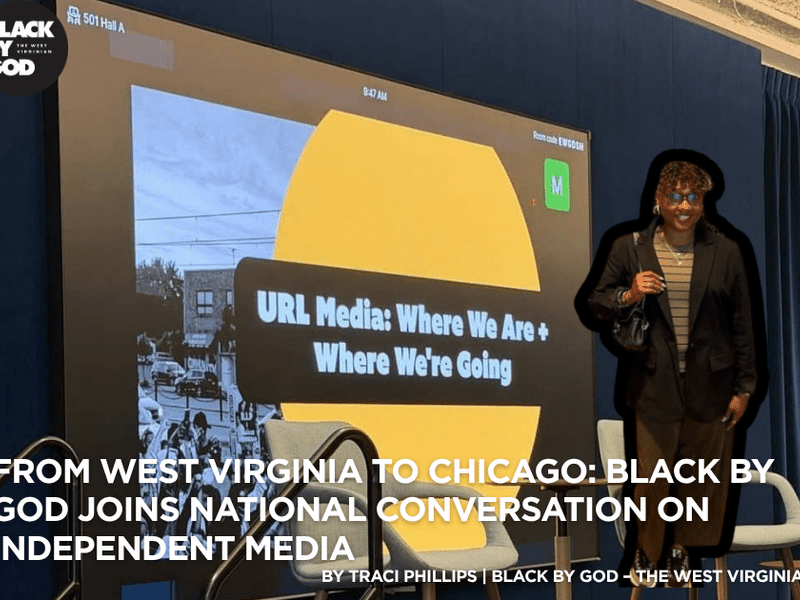
From West Virginia to Chicago: Black By God joins national conversation on independent media
I went to Chicago representing a newsroom rooted in West Virginia, but the conversations happening there were much bigger than any one state