‘Asleep at the Wheel’s’ Ray Benson to co-host WV Music Hall of Fame’s 10th Induction Ceremony
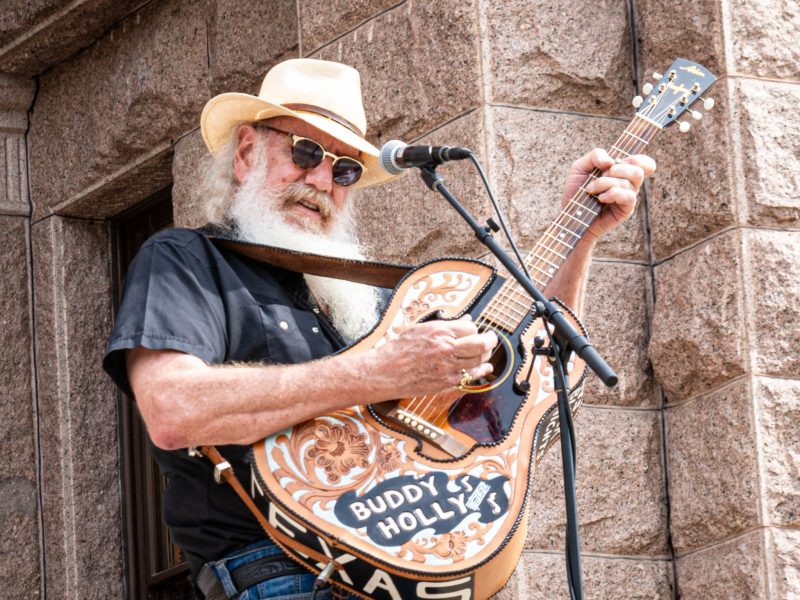
By Matthew Young, RealWV
“We weren’t very good musicians, at all. In fact we sucked, we were terrible.”
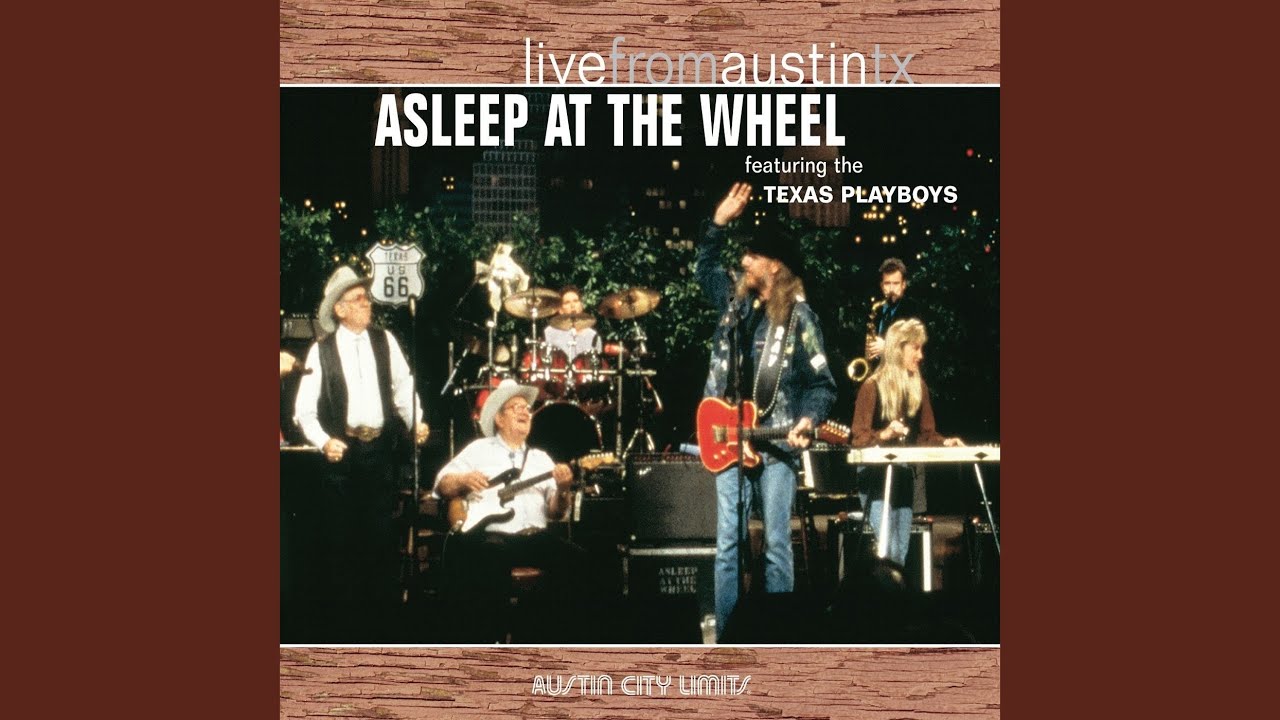
That’s how singer, songwriter, and West Virginia icon Ray Benson described the earliest days in the state’s Eastern Panhandle with his bandmates from “Asleep at the Wheel.” And while they certainly weren’t the most polished band all the way back in 1970, Asleep at the Wheel would go on to release a total of 21 Billboard-charting singles.
“We lived outside of the Levels – they were called – in this old mansion up on the Potomac,” Benson recalled. “We were trying to get a band together. We didn’t have a band. It was my brother (Danny Levin), me, Lucky (Oceans), and LeRoy (Preston).”
“All of a sudden, this hippie bus shows up,” Benson continued. “You couldn’t get to our place unless you wanted to go there. It was on a dirt road that went down a mountainside. There was a cliff on the left that went all the way down to the Potomac River.”
“So this bus shows up that had travelled through Romney,” Benson continued. “They were the Hog Ram Band, which were (with) the Merry Pranksters, and they were doing this thing called ‘The Medicine Ball Caravan.’ They said, ‘Hey, we heard there was a hippie band living in the middle of nowhere. And they said, ‘Hot Tuna, Stone Ground, and Alice Cooper are playing in Washington D.C. You wanna open the show?’”
“That got us known around D.C. as this hippie-country band,” Benson added.
At just nine-years-old, Benson began cutting his musical teeth by performing folk music in and around Philadelphia. In 1970, Benson took the southern leap to West Virginia, landing in the small town of Paw Paw.
“I moved to West Virginia to start this band, and (West Virginia) gave us our roots,” Benson said. “That’s where we got our start and paid our dues. We played all the little honky tonks and bars in the Panhandle.”
As a long-haired northern transplant during a time when the nation was at an ideological impasse, some of the dues paid were more of a learning experience for Benson than others.
“In West Virginia in 1970, I faced down a guy with a shotgun who was not happy that there was a black person visiting us,” Benson shared. “And then another guy at a gas station because of my long hair. Thankfully, I was somehow able to wriggle out of those situations.”
“And also at the bar,” Benson added. “I remember the first gig we played, a guy come up and says, ‘I’m gonna kick your ass!’ Luckily our bass player at the time was an arm wrestler. So he arm wrestled the guy – beat him – and then it was all, ‘Oh, you hippies are alright.’”
In spite of its initial apprehension of the young musicians, the community grew to accept them. And that acceptance couldn’t have come at a better time.

“One of the old guys – Ol’ Harry – I’ll never forget his name,” Benson said. “Winter was coming on, and we didn’t have a chain saw, we had an axe. We’re trying to cut enough wood because we were heating with a wood stove. Ol’ Harry come up with a chain saw and said, ‘I heard you hippies needed help.’”
“He cranked up that chainsaw and cut up a bunch of wood for us so we wouldn’t freeze that winter,” Benson added. “I think that showing respect for the culture – we were farming, on a very limited scale – we were living in the hills out there – I think earned us a little bit of respect back. I think they thought, ‘These hippies might be crazy, but look at what they’re doing.’”
After an eventful few years in West Virginia, Asleep at the Wheel spent time in northern California. In 1974, following the advice of both Willie Nelson and Doug Sahm, Benson and the band moved west to Austin, Texas, where both their fame and their success grew like wildfire. In addition to their success on the Billboard charts, Asleep at the Wheel has been nominated for 28 Grammy Awards, 12 CMA (Country Music Association) Awards, and 10 Academy of Country Music Awards. They have released a total of 26 albums, appeared numerous times on both the Grand Ole Opry and Austin City Limits, and continue touring until this very day.
On Saturday, April 12, Benson will be returning to West Virginia to serve – alongside internationally-renowned cellist Juliana Soltis – as co-host of the WV Music Hall of Fame’s 10th Induction Ceremony. The semi-annual event, which will be held at Charleston’s Culture Center Theatre, is the culmination of the Hall of Fame’s 20th anniversary celebration.
The 2025 Hall of Fame Class includes multi-platinum singer/songwriter Jeff Stevens, and the Mountain State’s very own musical dynasty, The Valentinos/The Womack Brothers. Indie artist Daniel Johnston – whose work significantly influenced such alternative-era musicians as Kurt Cobain and Chris Cornell – will be posthumously inducted, as will legendary arranger and composer Cam Mullins.
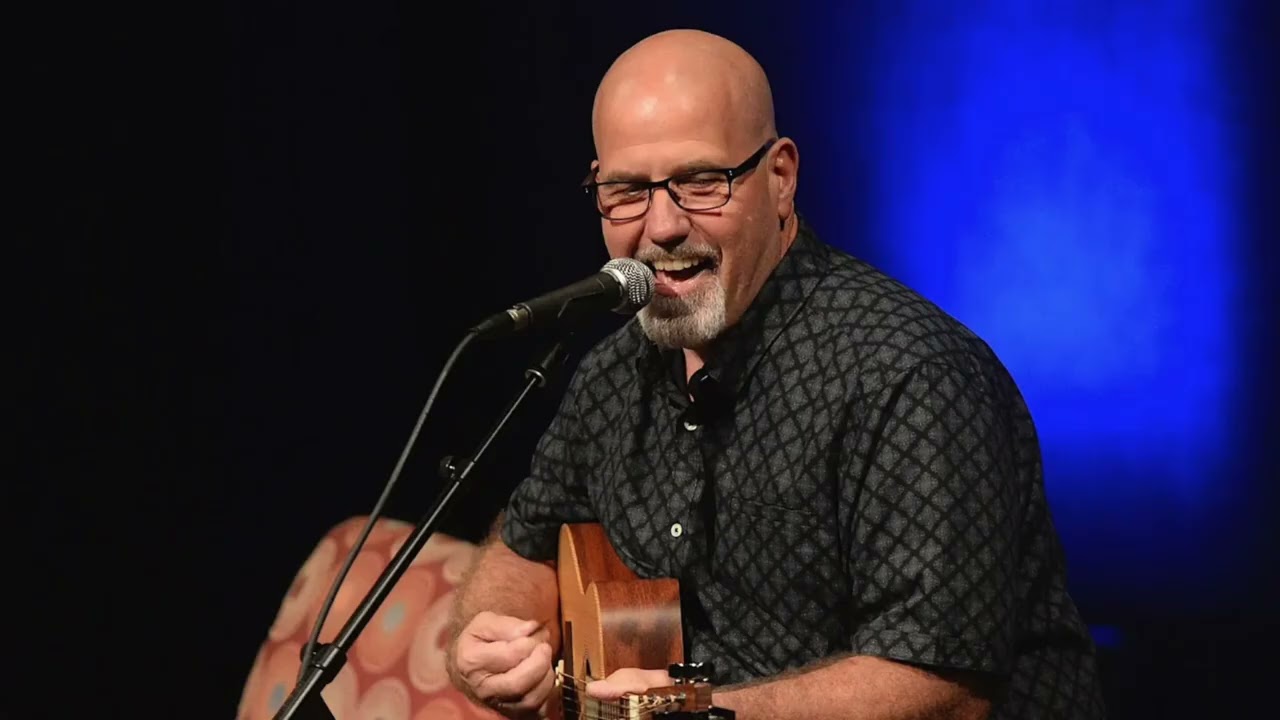
In addition to performances and appearances by the inductees, the ceremony will feature appearances by Kathy Mattea, John Ellison, Larry Groce, Barbara Nissman, Bob Thompson, Charlie McCoy, and many more.
“I think Kathy Mattea and I are gonna’ do a song together,” Benson said. “Kathy is great, I’ve known her for forty-years or so. When I had the opportunity to sing with her, I said absolutely.”
A “meet and greet” will be held at the Governor’s Mansion in Charleston on Friday, April 11. Although Benson has a performance-commitment and will not be in attendance for the meet and greet, Soltis, Mattea, and many others will be. For more information about the WV Music Hall of Fame, or to purchase tickets, visit wvmusichalloffame.com.