Hi, How Are You?: The late Daniel Johnston to be inducted into the WV Music Hall of Fame
By Autumn Shelton, RealWV
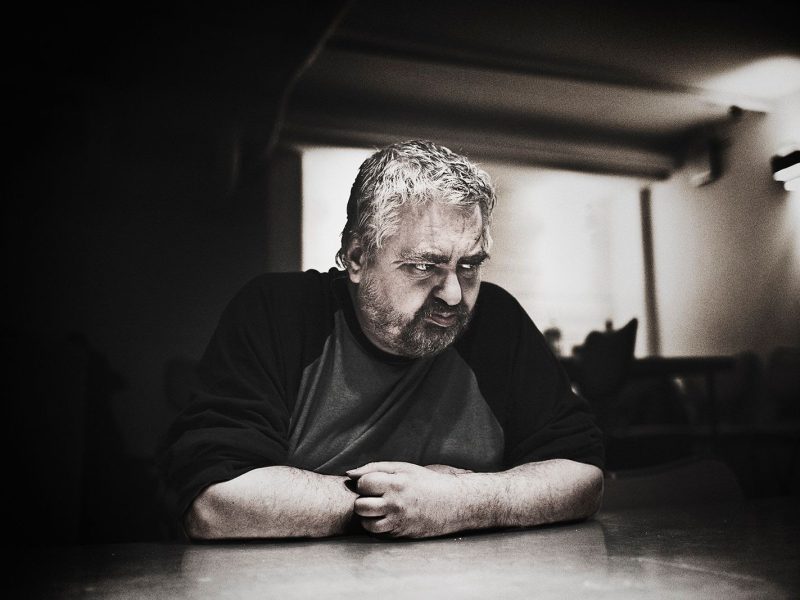
Listen up and I’ll tell a story about one of the most troubled, yet fascinating, artists to be inducted into the West Virginia Music Hall of Fame – the indie, emotionally driven, demon-fighting, song writing, comic-book illustrating, make-you-think-about-your-own-troubles and go ‘Maybe I ain’t got it so bad’ Daniel Johnston.
For those who grew up in the golden age of cassette tapes (the 1980s and ‘90s), and had a special affinity for Nirvana, Sonic Youth, or the Austin, Texas music scene, odds are you have heard of the late Daniel Johnston or, at the very least, listened to a song or two.
Fellow lo-fi singer and songwriter, Beck, once released a haunting cover of Johnston’s “True Love Will Find You in the End.”
“Don’t be sad, I know you will. Don’t give up until true love will find you in the end.”
In 2009, Eddie Vedder and fellow Pearl Jam musicians brought their version of Johnston’s “Walking the Cow” to Austin City Limits, with Vedder calling Johnston his “favorite Austin, Texas songwriter.”
“Lucky stars in your eyes. I am walking the cow.”
Even Kurt Cobain, lead singer of Nirvana, was a Johnston fan, famously donning a t-shirt with “Jeremiah the Innocent” frog from Johnston’s album, “Hi, How are You?”
“Hey. Hi. How are you? I’ve been trying to call you. Life’s hard without you.”
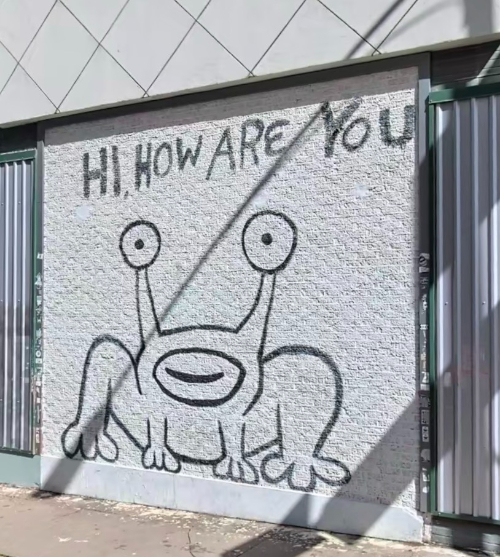
(Image from Google Maps)
But, before Johnston’s incredible songwriting ability and artistic genius – as well as his unfortunate struggles with his own mental health – became known to those around the world, he was just a kid growing up in New Cumberland, West Virginia.
On Wednesday, RealWV spoke to Daniel’s brother, Dick, who currently lives in Texas, about his brother, his family, West Virginia, and much more.
According to Dick Johnston, life in West Virginia for his family was idyllic.
“We had my grandfather’s 100–acre farm,” Johnston said of himself, his four siblings and his parents, Bill and Mabel.
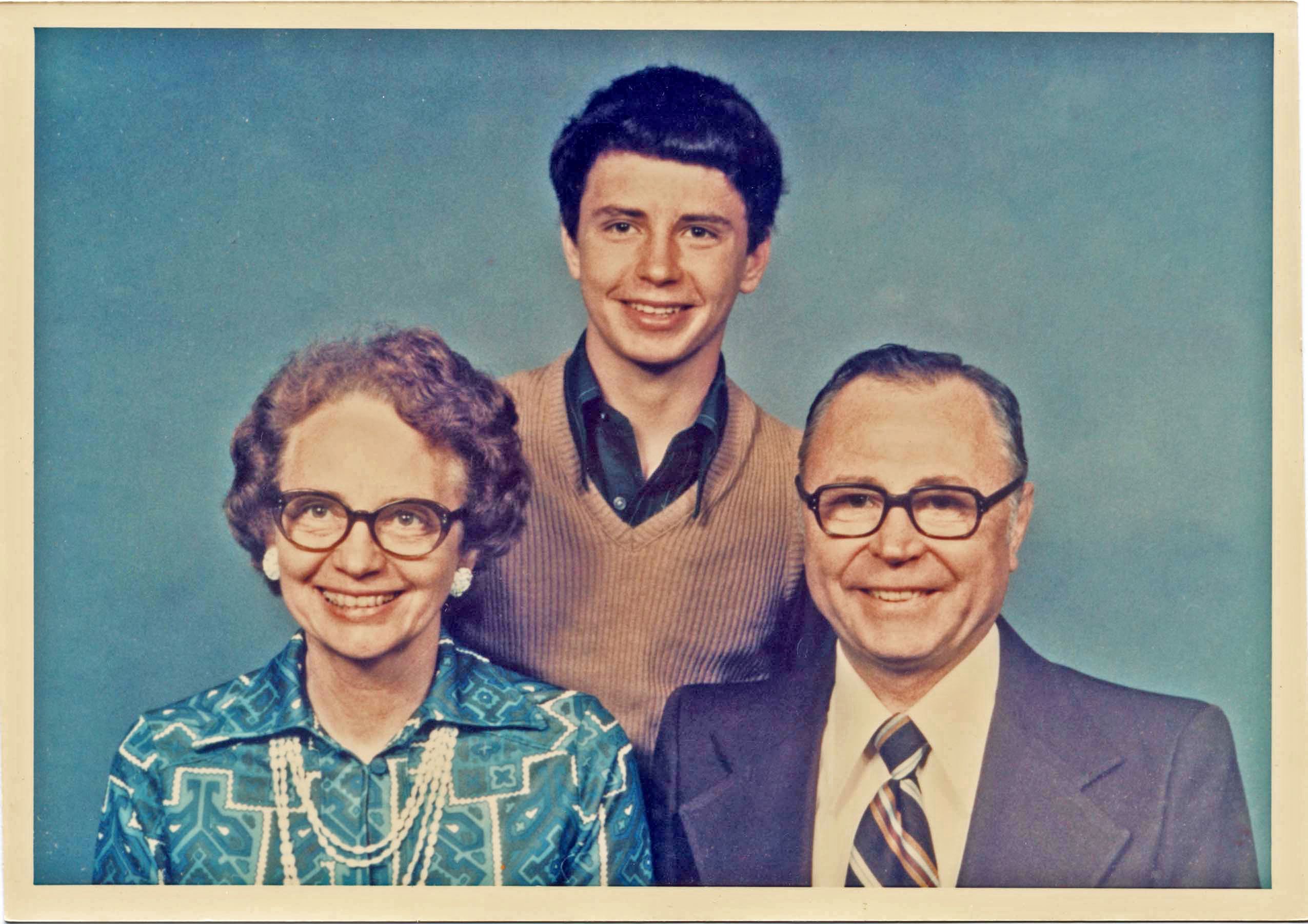
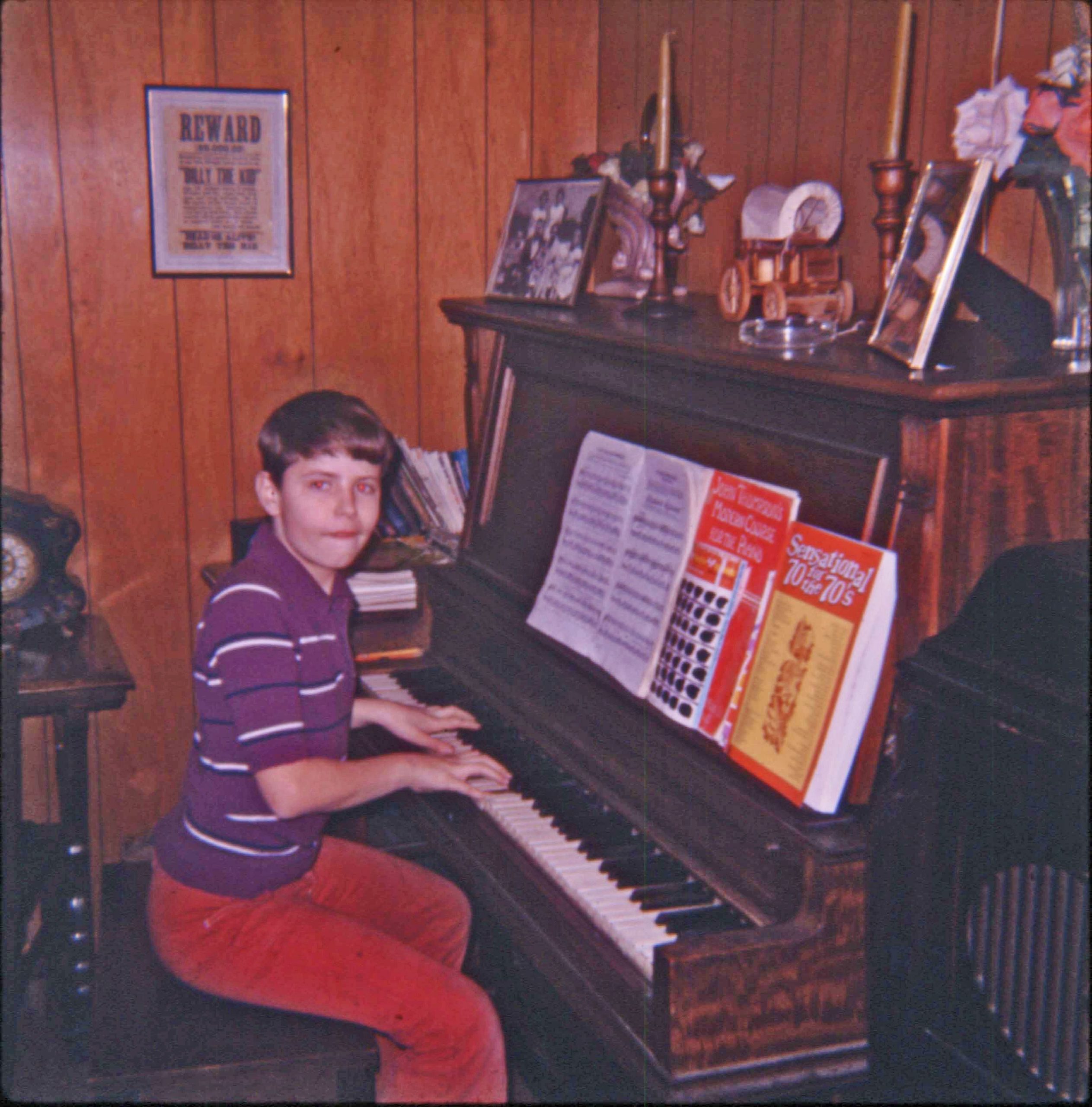
“We had lots of wooded places where we had hide-and-seek adventures with friends and a pond that we would fish in and ice skate on,” Johnston remembered.
At Christmas-time, the family would walk down the hill and cut down a tree that his father had planted and bring it back to the house on a sled.
“It was just idyllic, you know? And, Dan saw it that way too,” Johnston said. “He would write songs on his “Fun” album like, ‘It must have been a happy time, and talk about Kool Aid flowing like wine,” Johnston laughed.
“The sun would shine. The candy bars. Kool Aid flowing like wine.”
“You had what you wanted as a kid, and it was up north so you were indoors a lot in the winter, but we occupied ourselves with books and old records,” Johnston recalled. “We didn’t follow current music until I got into college, which was, like, ‘72 on. It was a happy life is all I can say.”
Johnston said that his parents had a major influence on the family. His father, Bill, was a “Flying Tiger” fighter pilot during World War II.
“He was literally in the group that fought the Japanese in China,” Johnston said. “He came back and went to school in California for his VA benefits. Mom was going to school there at the same time, so they both have a college-style education.”
His father continued to work as an engineer in California, where Daniel was born, and eventually returned home to work as the plant engineer at the Quaker State Oil Refinery, Johnston said. “His whole life he kept airplanes because he was a plane lover. When the first of us kids went off to college, he gave up his planes until the first four of us got through college. I will always remember that – the sacrifice that he made.”
In his later life, Bill “got into planes again,” Johnston noted. “That eventually led to the plane crash with Dan and dad. If you’ve seen the documentary “The Devil and Daniel Johnston,” you know that.”
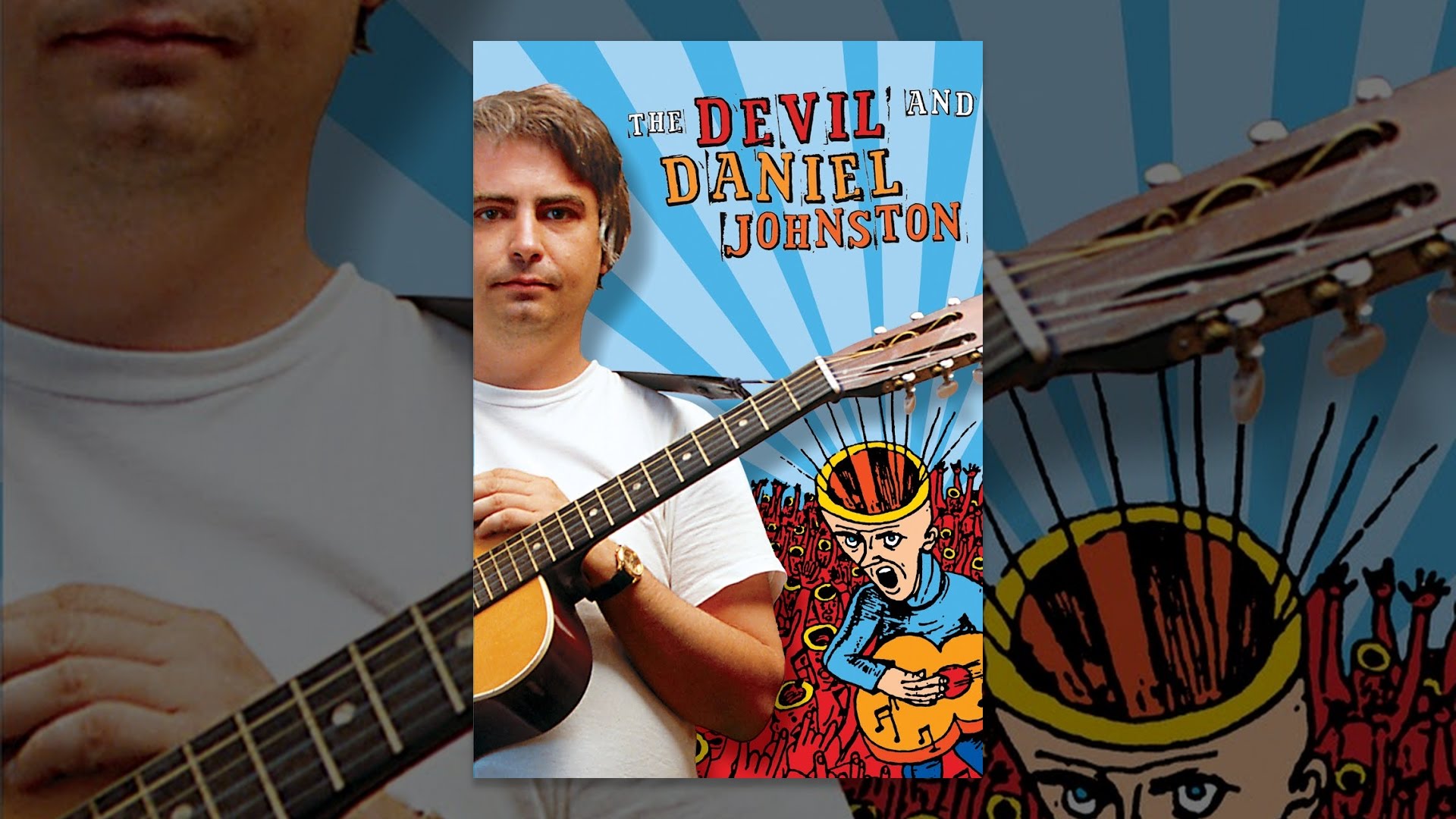
According to the documentary, during a psychotic episode in 1990, Daniel, believing he was Casper the Friendly Ghost, removed the key from the ignition of the plane his dad was piloting, forcing his dad to crash-land the plane. Both Daniel and his father emerged with minor injuries, but the incident caused Daniel to be committed, for a time, to a psychiatric hospital.
This was just one of many times that Daniel had to spend time in a hospital for his diagnosed bipolar disorder.
According to Dick Johnston, Daniel was often conflicted between the love he had for his family and his need to be rebellious.
“He wrote a song once called, ‘Lie to your Mama,’ Johnston recalled. “He knew he was lying to her, you know, and it was tearing him apart really that he was compromising his integrity, but that’s just part of people going off on their own, I guess.”
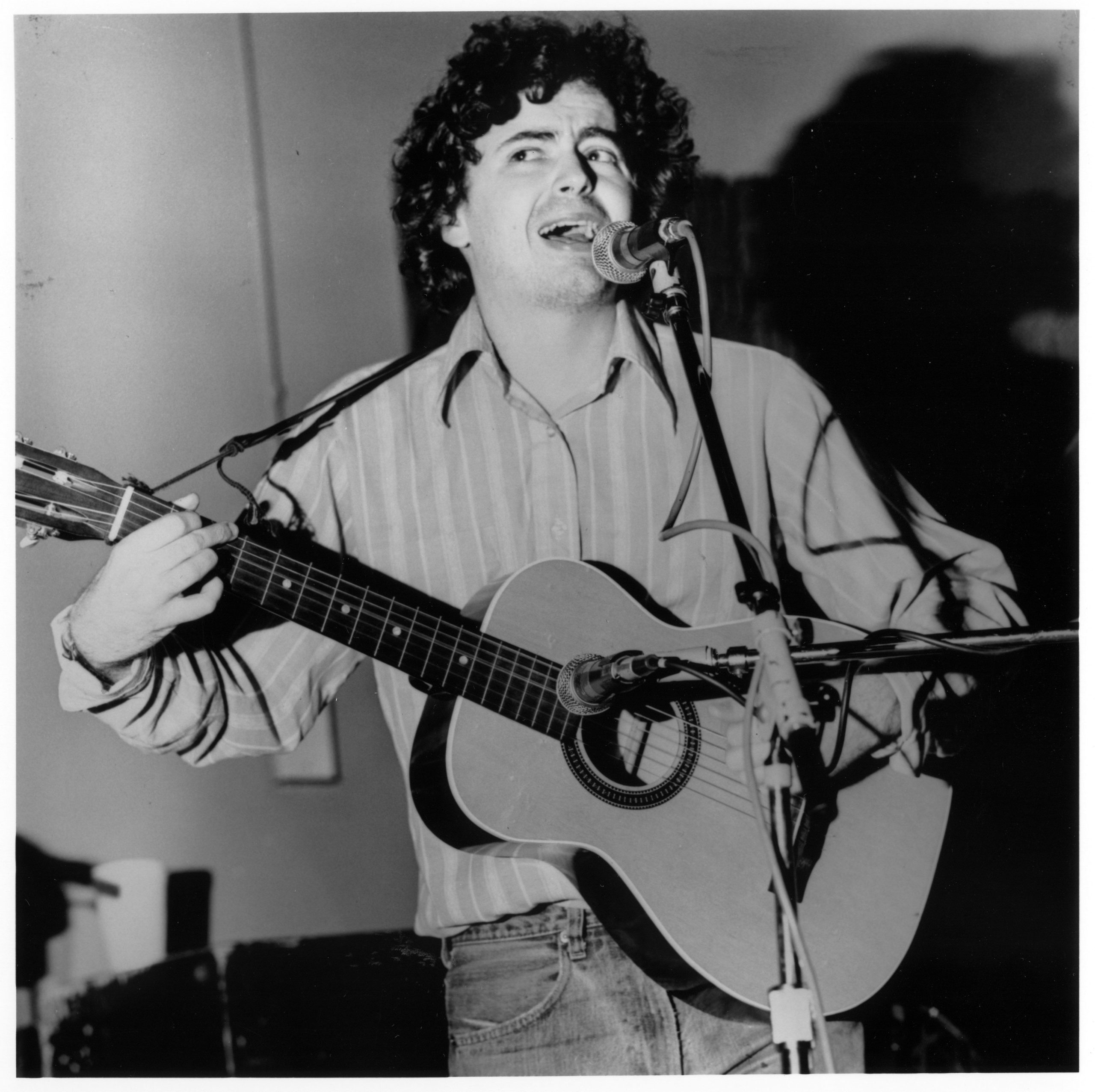
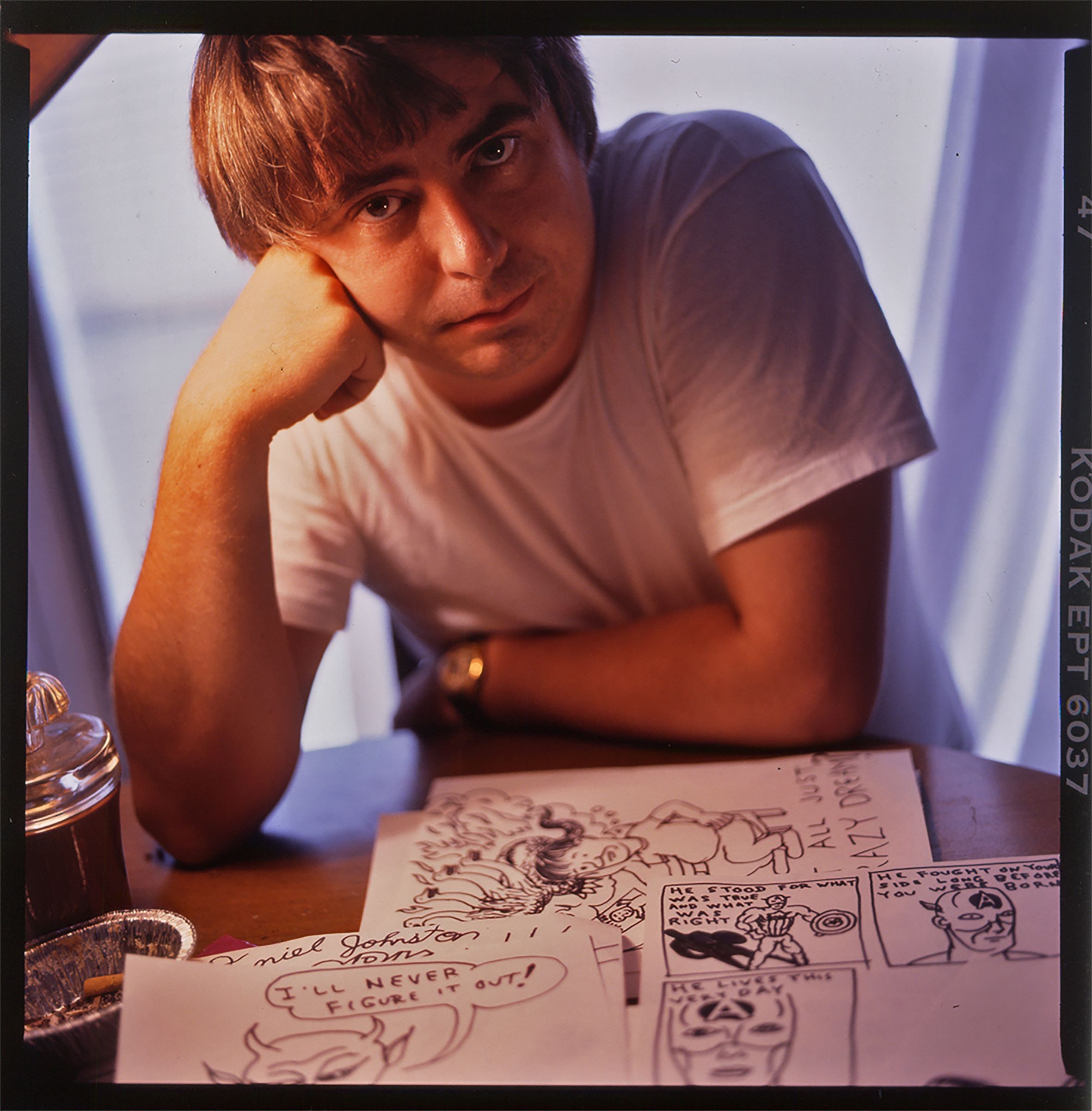
Johnston continued that over the years some have said that Daniel’s family religion “made everything disastrous” for him because it made him feel guilty, but that wasn’t the case.
“Mom would say, ‘Daniel’s bamboozling us all the time.’ And he was, you know?” Johnston laughed. “He was telling me saying that what hurt was she’s exactly right. ‘That is exactly what I am doing.’”
Despite the talk about Daniel rebelling against his religion, Dick Johnston said that the family was close. And while he is often credited with teaching Daniel how to play the piano, Johnston really introduced his brother to music.
“We would make movies and do things with the piano together and we would write scripts that we were gonna do, and it was all very fun,” Johnston recalled. “I would say that the real explosion in his songwriting occurred right after that. Because I wasn’t there at home when he really took off on his songwriting. That occurred in ‘79 after he dropped out of college and ended up at a Kent State branch to appease my parents.”
According to Johnston, the artistic atmosphere at Kent State helped Daniel develop friendships with like-minded individuals, who would often make recordings in the family basement into the wee hours of the night.
This is also where Daniel met the woman who would become his muse – Laurie Allen.
“Once I saw the most beautiful girl sitting next to me. I asked her what was her name. She said it was ‘Laurie.’”
As Daniel grew up, he left West Virginia and moved into his brother’s Texas home, where he recorded songs and more on cassette tapes. He would then hand those cassettes out to people during his shifts at McDonalds. He later joined a traveling carnival and ended up in Austin, Texas (a very fortuitous move). However, as Dick Johnston admits, it wasn’t always easy living with, or near, his brother.
“It was pretty rough, but there were some advantages that, as a family member, you could have an argument and it would be over and you just go on loving each other,” Johnston said. “Whereas if he would travel with somebody who wasn’t family, he could scare them and manipulate them into letting him do all kinds of stuff that was destructive.”
Eventually, Bill and Johnston began to travel with Daniel to his shows to be with him and keep him safe. It was during these live performances that Johnston said he became aware of the deep connection Daniel made with his fans.
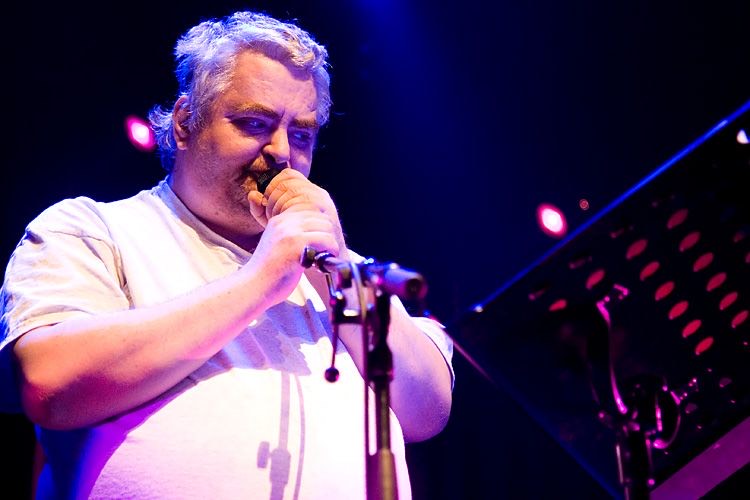
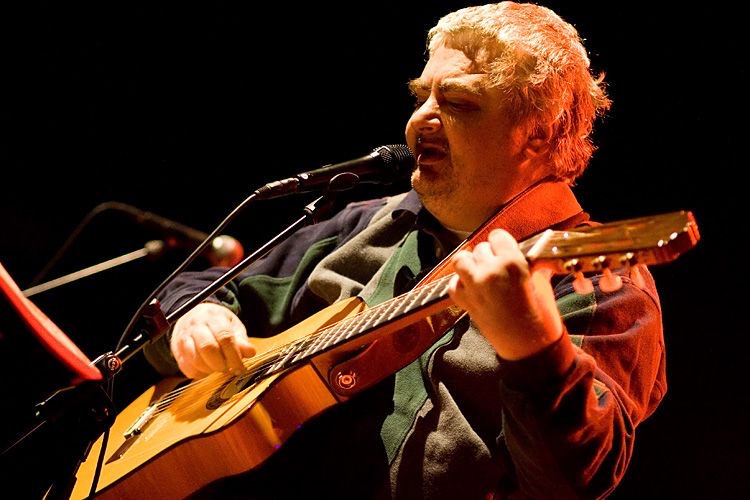
“We traveled all over the world. People loved him,” Johnston said. “Even as the audience, you felt something going on at the concert with Dan. There was a connection that was just sometimes downright profound. I think he felt that.”
According to Johnston, the one song that he often thinks of when talking about his brother is “Try to Love.”
“I sit in a chair, washing my underwear. Thinking all along you were of good cheer. And I am going to try to love. And I am going to rise above.”
“He was just portraying himself as ‘It’s not as glamorous as you might think, but I am still going to try to love,’” Johnston said of his brother. “He never would really harm somebody, but he would deceive them at certain points in his life.”
Johnston also said that his brother never hated anything, even though there were times when he could have.
As for Daniel’s induction into the West Virginia Music Hall of Fame this Saturday, Johnston said his brother would have been elated by the honor.
“I’m just sorry that he’s not there for it,” Johnston said. “It’s amazing. He would have been over the top.”
Daniel passed away on September 11, 2019. He was 58-years-old.
“This would have been great,” Johnston continued. “West Virginia mattered to him.”
West Virginia Music Hall of Fame Director Michael Lipton said that, “One of the main things I wanted to do when I started this was to showcase the diversity of the music that comes from West Virginia. A lot of people assume it’s all traditional bluegrass and gospel. But West Virginia, like any other place, has many different types of voices, and Daniel represents one of the more unique sides of the state.”
There is no doubt that Daniel is one of the most unique West Virginia artists of all time.
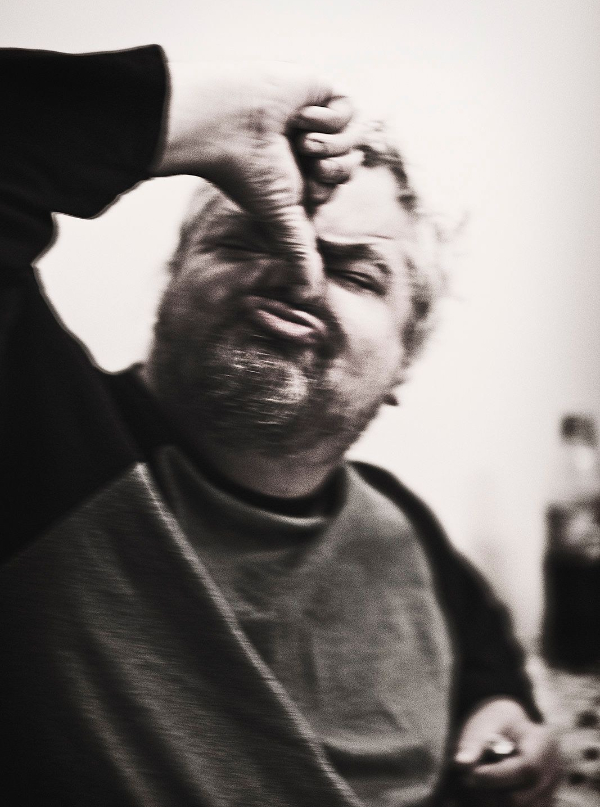
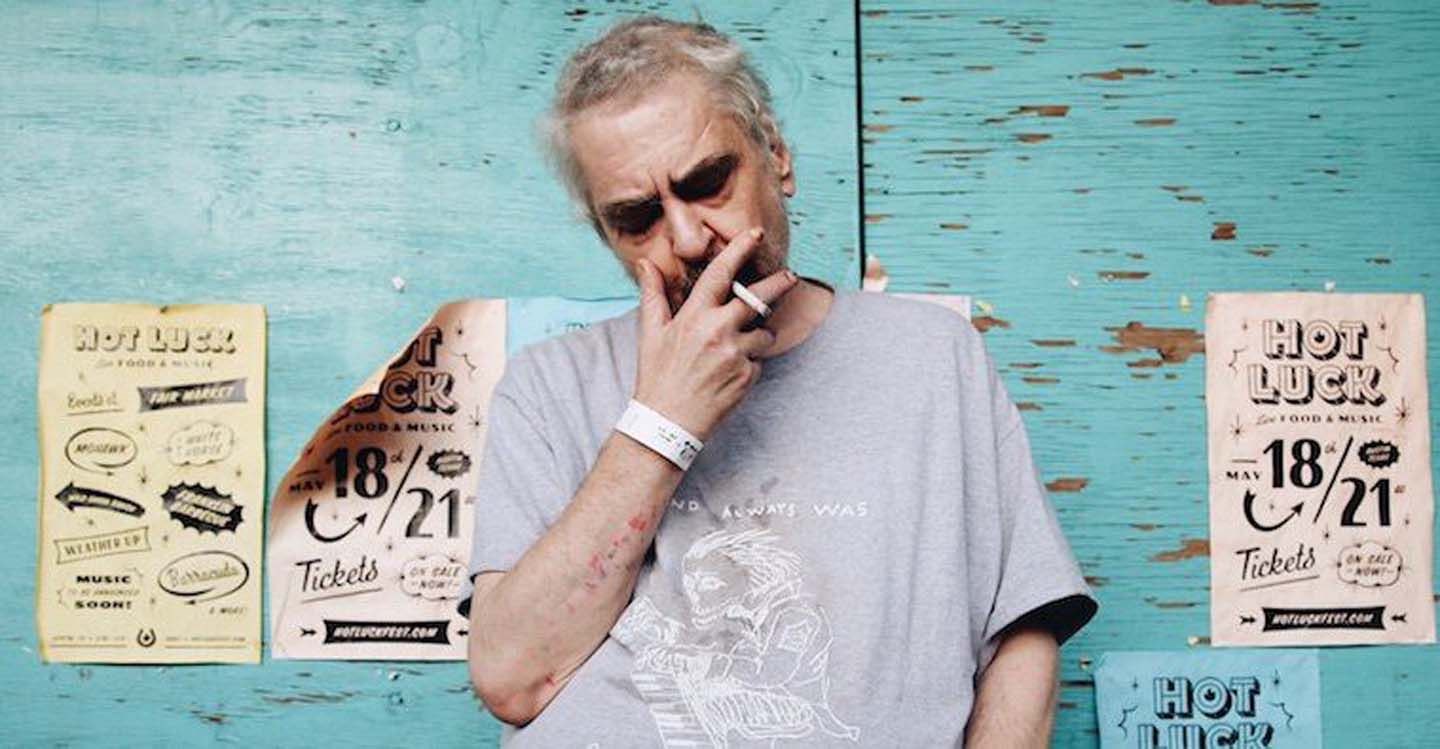
In the future, Dick Johnston said that one of his life goals is to see his brother honored in his West Virginia hometown, and he also hopes to create an episodic documentary of Daniel’s life.
“His story is so rich when you have all the details of it,” Johnston said. “The documentary didn’t even scratch the surface. There are just so many intriguing nuances to it all, and we have hundreds of tapes of conversations and critical moments because he was running his tape recorder, and everyone of them makes for a wonderful scene.”
Additionally, Johnston continues to maintain the “Hi, How Are You” project, which aims to reach young people and promote mental wellness.
“I hope that from his music and from his art that anybody who sees Dan’s life portrayed can say, ‘Well, there’s a little bit of me there, and you know what? I don’t have to feel so bad about things,’ Johnston said. “He made it because he had support, and he was on the right track and people loved him for it.”
“He was gone too soon.”