Celebrating a Century: The State Fair of West Virginia and its economic impact on the Greenbrier Valley
By Kelly Collins, Chief Executive Officer, State Fair of West Virginia
In just a few short days, the State Fair of West Virginia proudly celebrates its 100th year—an incredible milestone for an institution that has become a cornerstone of tradition, agriculture, and economic vitality in the Greenbrier Valley. What began as a small agricultural exhibition in 1921 has grown into one of the most cherished events in the state, drawing hundreds of thousands of attendees each year. But beyond the funnel cakes, livestock shows, and big-name concerts, the Fair has also become one of the largest and most consistent economic drivers in the region.
As we mark this centennial celebration, it’s the perfect time to reflect on the legacy of the State Fair—not just as an event that brings smiles and memories to generations of West Virginians, but as a powerful force for development in Greenbrier County and beyond.
A Century of Growth
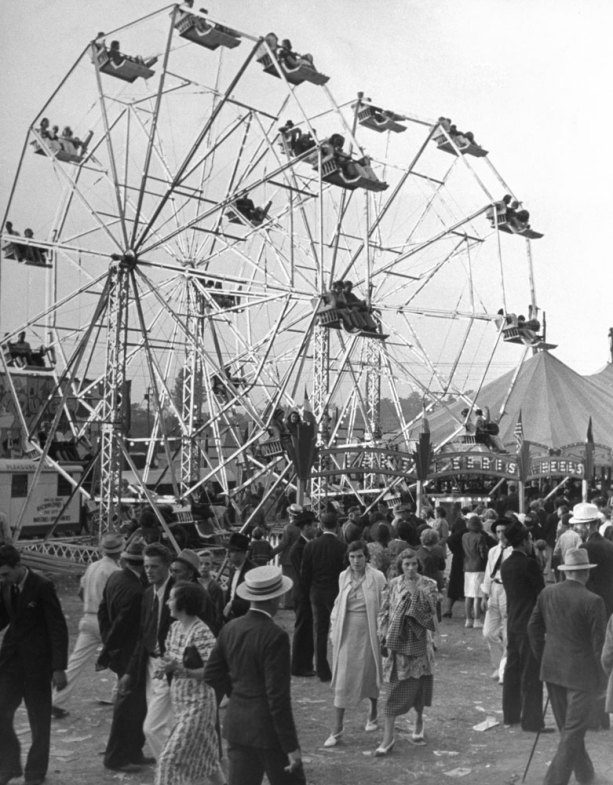
In the beginning, a group of farmers from the area saw an opportunity to create something special. An opportunity to showcase local agriculture, bring the community together, and spur the local economy, with what was then known as the Greenbrier Valley Fair. They began by bringing teams of horses to build what is today the harness racing track in the heart of the fairgrounds.
This event continued to grow, and on March 19, 1941, the Legislature recognized this and officially named it the State Fair of West Virginia. Unfortunately, after the first initial year, because of World War II, the event was paused from 1942-1945. With the determination of those involved and the community, the State Fair returned in 1946 and has continued to grow ever since!
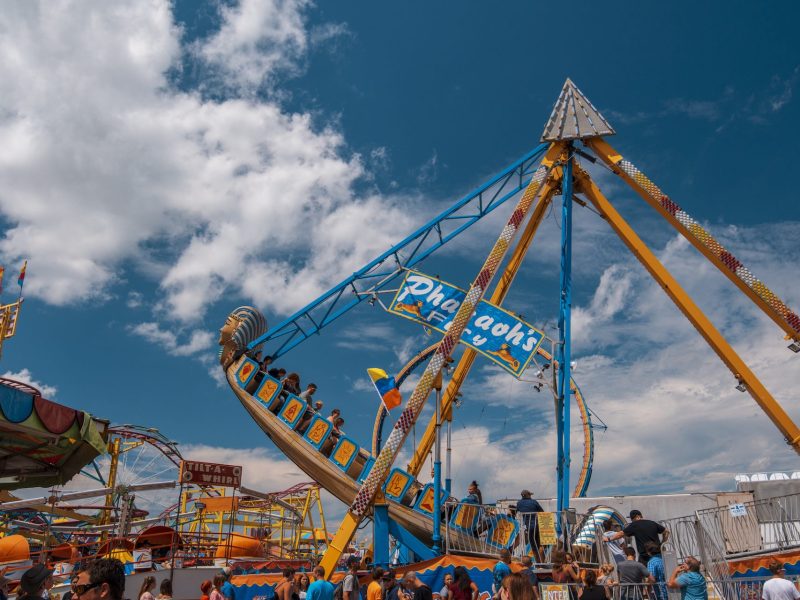
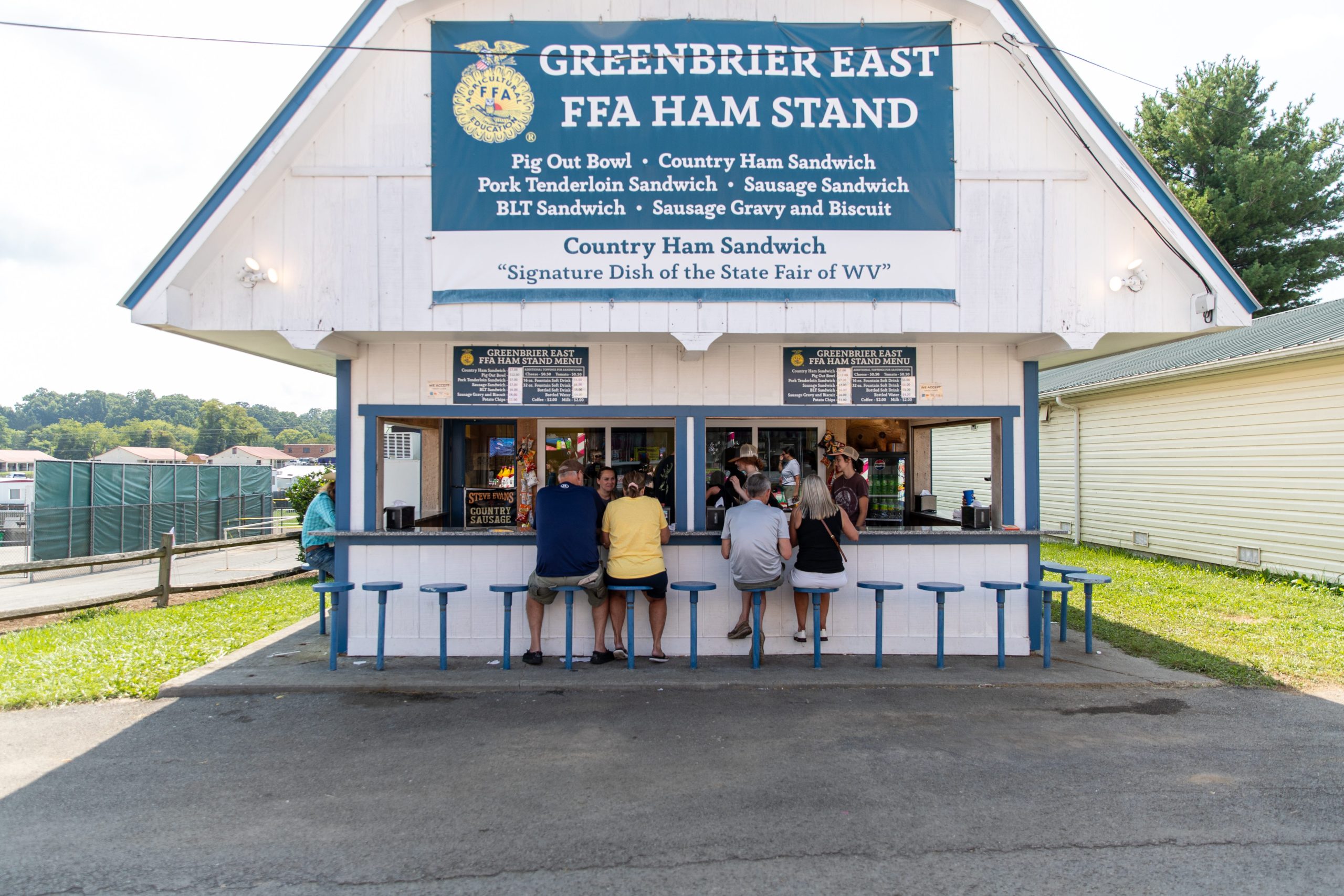
Over the years, its impact has expanded in step with its programming. What once showcased only local livestock and canned goods now features nationally known music acts, carnival rides, educational exhibits, retail vendors, and food options representing both local and national flavors.
This kind of growth doesn’t just happen—it’s built on community support, strategic planning, and a commitment to reinvesting in the region. The State Fair of West Virginia, a nonprofit organization, works year-round to plan the event, maintain the facilities, and ensure that both locals and visitors have a safe, memorable experience every August.
Economic Impact by the Numbers
Each year, the State Fair draws more than 160,000 visitors to the Greenbrier Valley. Many travelling from outside of our area, staying in local hotels and exploring everything the region has to offer.
A recent economic impact study estimated that the Fair generates more than $16.9 million annually to the state, including over $2.5 million in tax revenue, sold out lodging options, and more.
Beyond the direct spending, employment for the 10-day event is enormous for the area, as the State Fair alone hires over 200 employees with a payroll of over $280,000 for the week.
Many non-profit organizations, civic, and school groups also benefit from the fair, as over $65,000 is paid for services provided.
Beyond fair week itself, the fairgrounds serve as a year-round venue, hosting RV rallies, festivals, expos, and private events. This year, the facility hosted the inaugural Wild Trails Festival, which saw ticket sales from 41 states in the U.S., and five Provinces in Canada, and attract the attention of major festival planners from across the county.
Supporting Local Agriculture and Education
At its core, the State Fair is a celebration of West Virginia’s agricultural heritage. Generations of families have shown livestock, exhibited produce, and demonstrated farm skills—keeping the rural culture of the Mountain State alive and well.
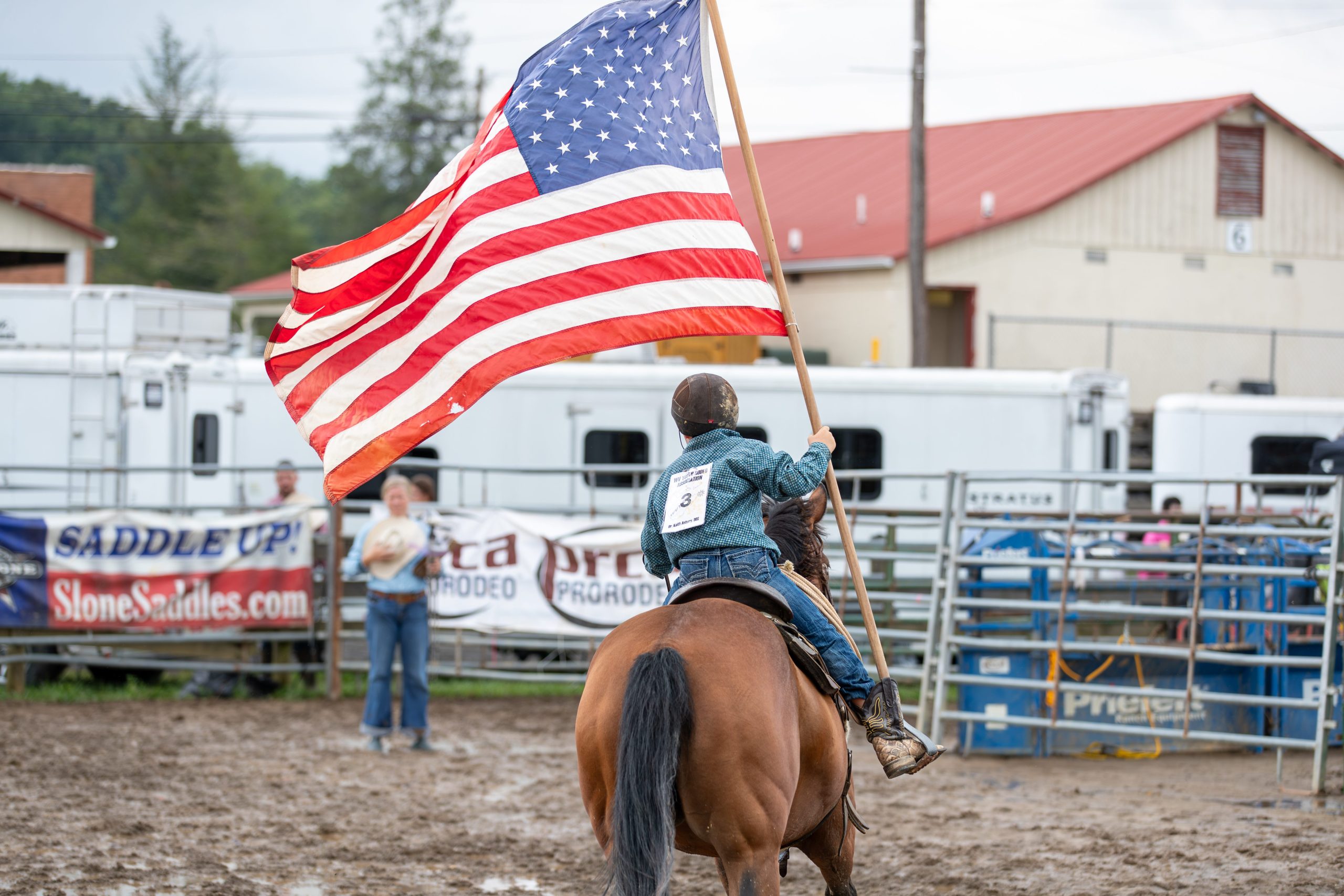
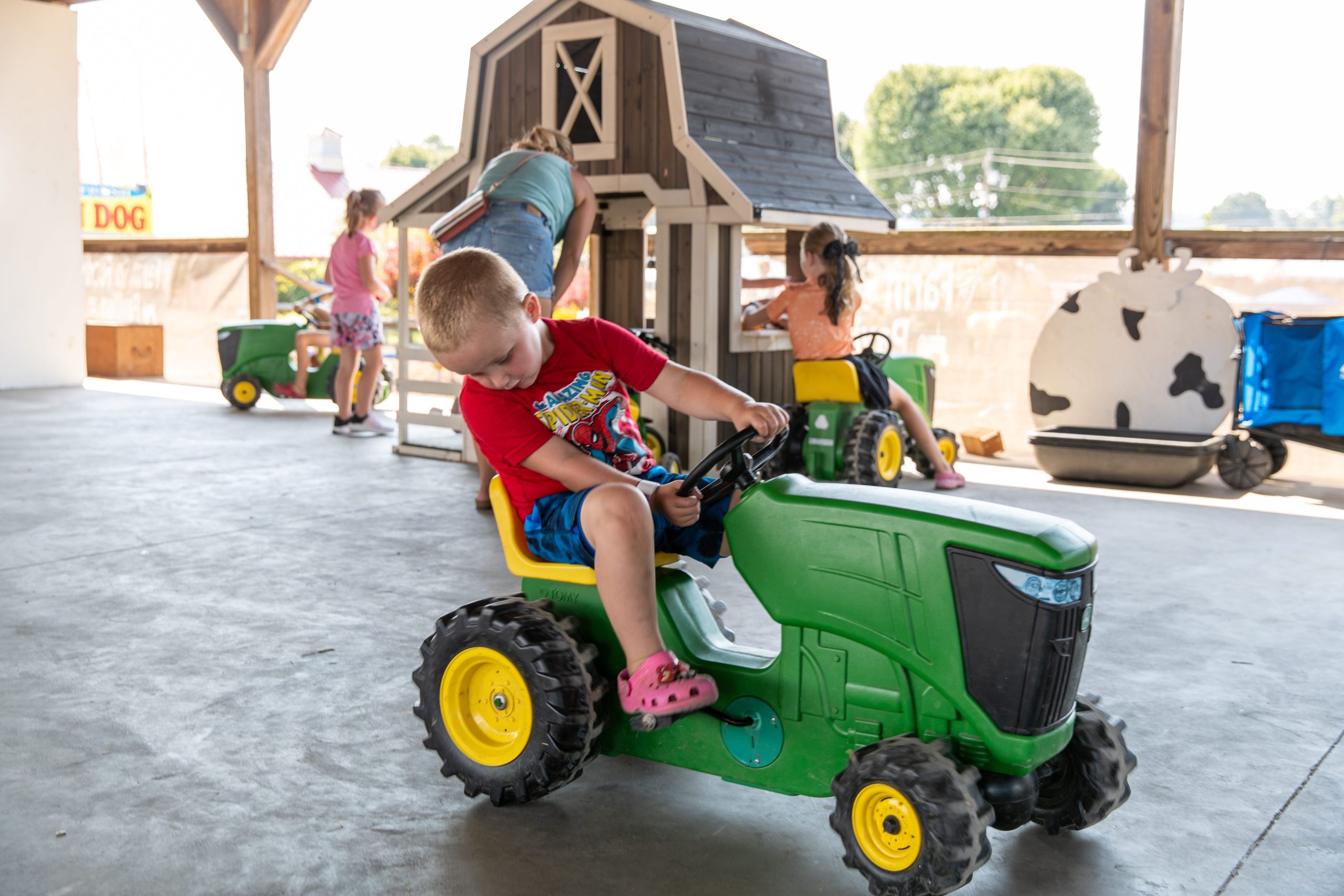
By promoting youth involvement through 4-H and FFA competitions, scholarship opportunities, and hands-on learning in the Farm-to-Food Pavilion, the fair invests in the future of the region’s ag economy. These educational experiences help prepare the next generation of farmers, veterinarians, agronomists, business owners, and food producers, many of whom go on to build careers right here in West Virginia.
Community, Culture, and Tourism
While the economics are vital, the Fair’s cultural impact is equally important. The State Fair is one of West Virginia’s most recognized traditions, creating memories and fostering a sense of community pride that transcends generations.
Tourism officials often credit the Fair with helping to raise the region’s profile, encouraging return visits to attractions like Lewisburg’s historic downtown, the Greenbrier River Trail, and the Greenbrier Resort. When visitors have a positive experience during the Fair, they’re more likely to return—and tell others.
Looking to the Future
As the State Fair of West Virginia marks its 100th anniversary, we are celebrating our past but also looking forward to the future! With planned investments in infrastructure, entertainment offerings, and year-round facility use, the Fair is poised to continue playing a vital role in the Greenbrier Valley’s economy for the next century.
As we honor this historic milestone, we recognize the Fair as more than an event—it’s a catalyst for economic resilience and a symbol of what makes this region truly special.
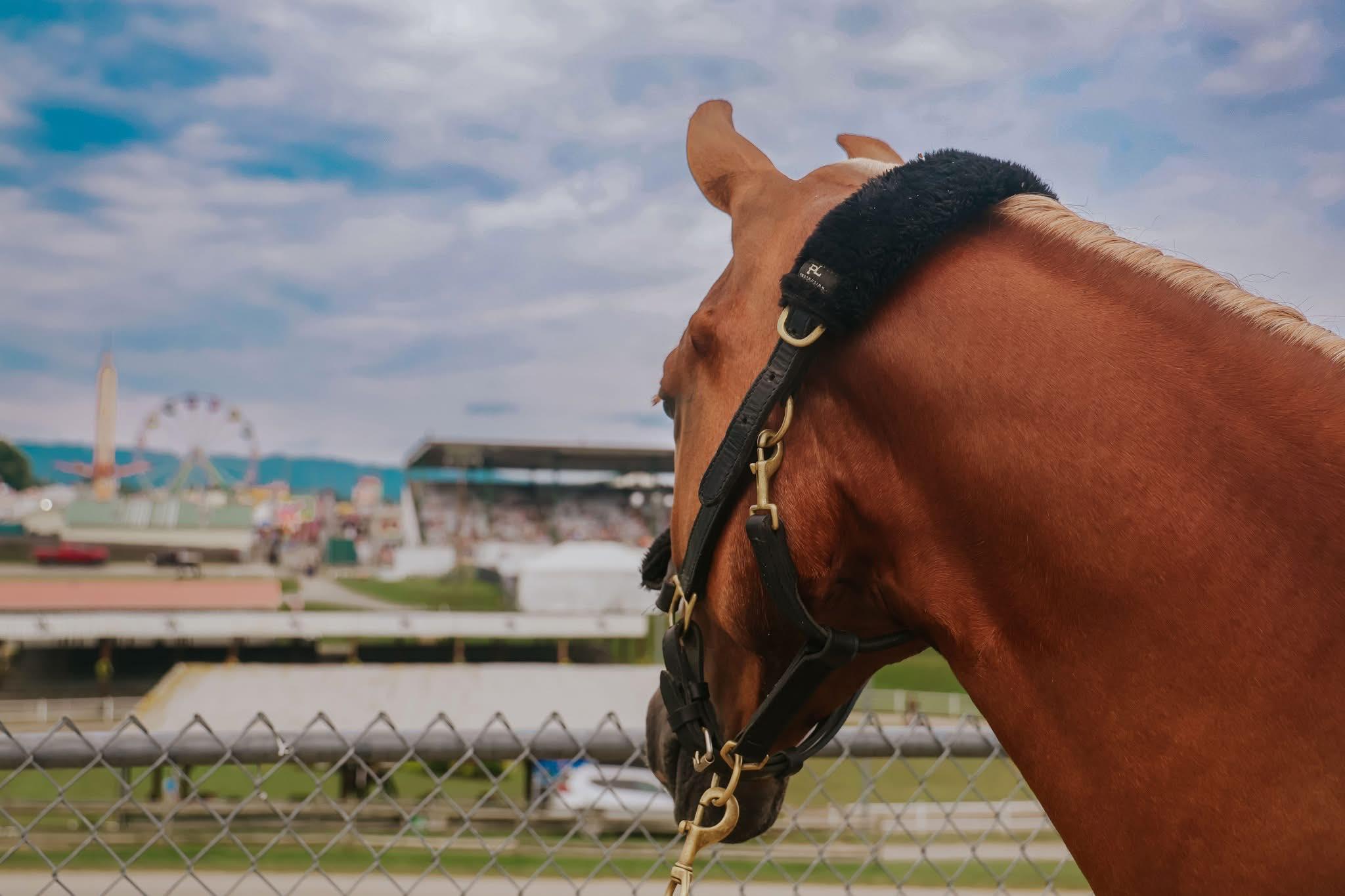
Join us August 7–16, 2025 for the 100th Annual State Fair of West Virginia, and be a part of history in the making. Whether you come for the rides, the concerts, the livestock shows, or the lemonade, know that your visit supports a vibrant local economy and a century-old legacy that continues to enrich the Greenbrier Valley.