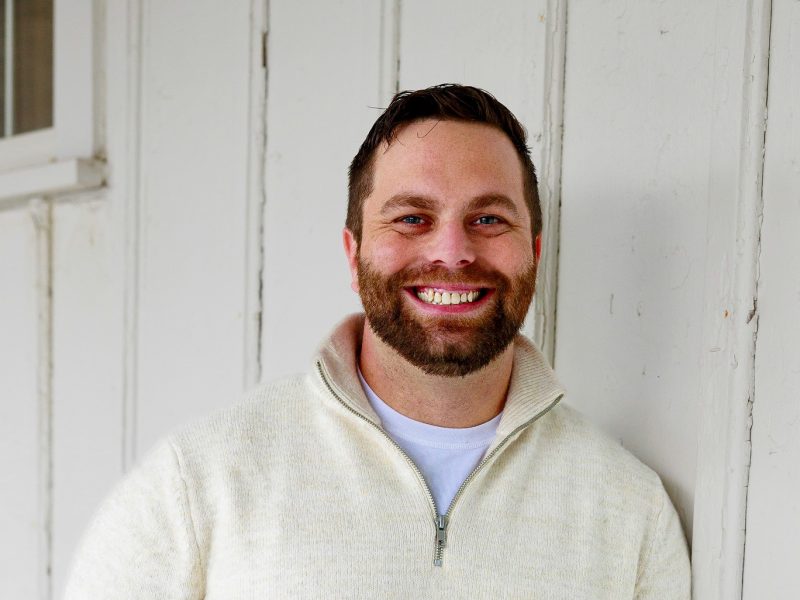
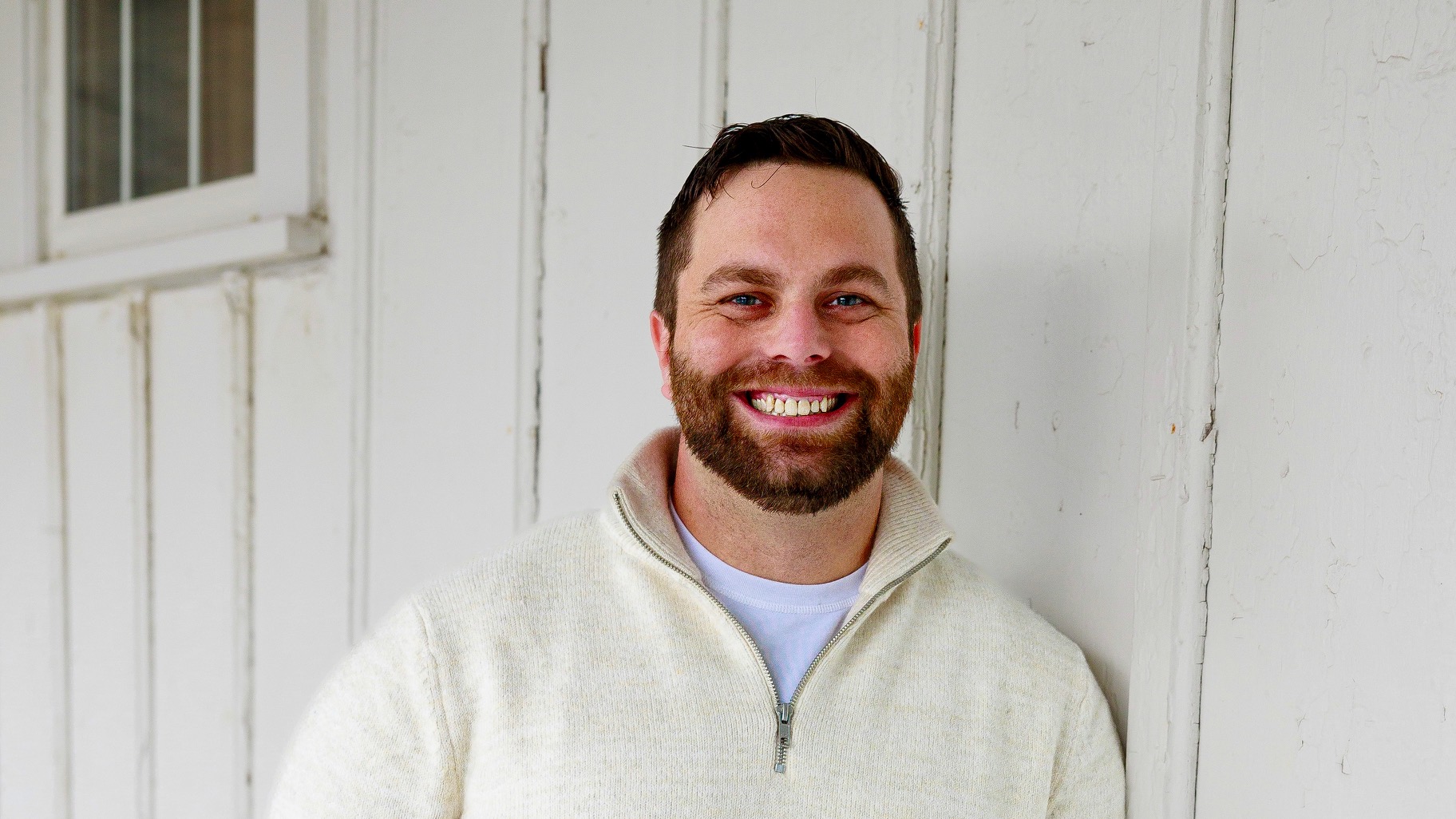
Logan Terry emerges from heartbreak as the face of ‘Hope in the Hills’
By Stephen Baldwin, RealWV
“I don’t know if it’s a short story or not,” Logan Terry tells me when I asked him about his journey to becoming the new Executive Director for Hope in the Hills. “I kind of battled whether I’d even tell people or not, because it seems outlandish. It’s crazy that I got this opportunity.”
Hope in the Hills was born in the aftermath of August 15, 2016, the day when 26 people overdosed in one town–Huntington, WV. Ian Thornton, Charlie Hatcher, and others came together to form the nonprofit as a means of positively impact the heartbreaking reality of opioid addiction in Appalachia.
Each year, Hope in the Hills puts on Healing Appalachia, the world’s first and only recovery-based music festival. Tyler Childers has headlined every show, along with the likes of Jason Isbell, Trey Anastasio, Sierra Ferrell, and Chris Stapleton. In late 2024, Hope in the Hills officially surpassed $1 million in donations to recovery services since their inception.
‘I didn’t even know how to copy and paste’
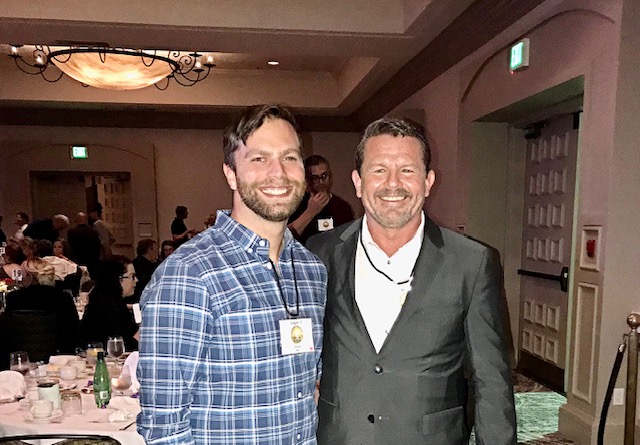
Not long after the first show, held in Lewisburg, WV, Logan Terry was sober for the first time in a long time. He was working a desk job in medical data entry following a successful stint in rehab.
“I went to treatment multiple times to no avail,” Logan recalls. “I wound up homeless, living out of the back of a Mitsubishi in a parking lot in Hendersonville, TN.”
“But then I had 15 good minutes one day, when I knew I needed to change, and fortunately my father had good insurance which allowed me to find a life of recovery,” he says. “I stayed in sober living for 18 months after that and found meaningful employment in the medical field.”
But there was a problem. “I didn’t even know how to copy and paste,” he says with a laugh.
He figured it out and grew up to enjoy the job. “They let us listen to music. Anybody who has had experience using will you tell that you really struggle to connect.”
“The first time I heard Tyler Childers was working at that job,” he says. “It made me feel connected not just as a person in recovery but as a person from the south and what he was talking about. I became a superfan.”
He started digging into Tyler’s social media and found info about Healing Appalachia. “A nonprofit that uses music to raise money for people in recovery? I thought it was the coolest thing in the world.”
Wanting to connect, Logan tried to buy a Healing Appalachia hoodie. But they were all sold out. So he tracked down the vendor who made them, asked if there was any way he could get one, and they obliged. “It inspired me and made me want to do something about it.”
All this was going on inside Logan while he was living in California. He was doing well in recovery, but his friends back home in central Tennessee weren’t.
“While I was in California, I lost 13 friends to overdose,” he recalls. “What really struck me is that even though I was surrounded by people from all over the country, I seemed to know more people dying from overdose than anyone else in our community.”
Logan knew what he had to do–move back home and help.
Logan heads home
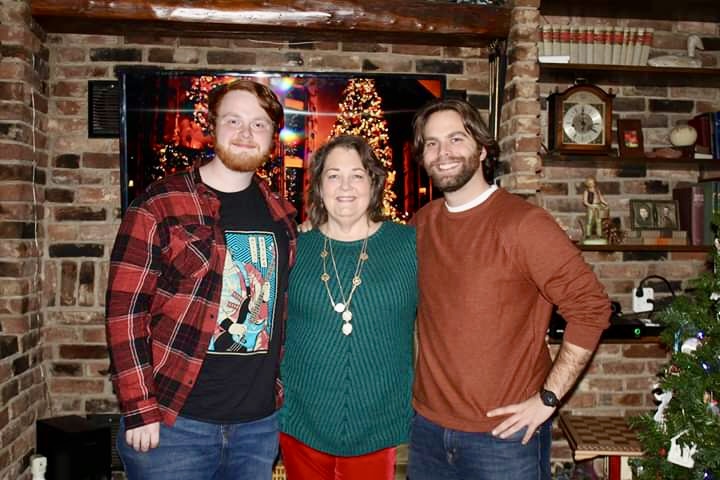
“I typed in ‘how to start a nonprofit’ on google, and I started one modeled after Hope in the Hills,” Logan says. It was called the Keith Dixon Foundation, and their mission was to raise money to cover the cost of recovery programs for Tennessee residents.
While Logan had been down this road himself before, it was different trying to find options for all kinds of people. He searched high and low and men’s and women’s programs across the state, which eventually led to a meeting with Tracy Levine, Executive Director at Healing Housing, Williamson County, Tennessee’s first and only nonprofit sober living community for women.
“She tells me about all these services she provides,” he recalls. “I cried in that meeting. I was so blown away by the work her organization was doing. She was providing all the services i ever hoped to have.”
She then asked Logan if he’d ever heard of Healing Appalachia?
“I laughed and told her I had posters of theirs all over my apartment. She told me she was on the board,” Logan shares. “How could this woman be any cooler?”
Several months later, Healing Appalachia hosted a concert in Nashville, where Logan was living. He was invited to the show and went home with a grant for his foundation from the group that inspired his work.
“One of the coolest nights of my life,” he says.
But it wasn’t just the Tyler Childers concert or even the grant that made the night so special. Tracy brought her staff to the event, and Logan met a girl.
“This beautiful woman was distracting me the whole time,” he says. “I felt like a little kid. I was eventually able to work up the courage to ask Morgan out. She became my fiance.”
‘Opportunity to honor her memory’
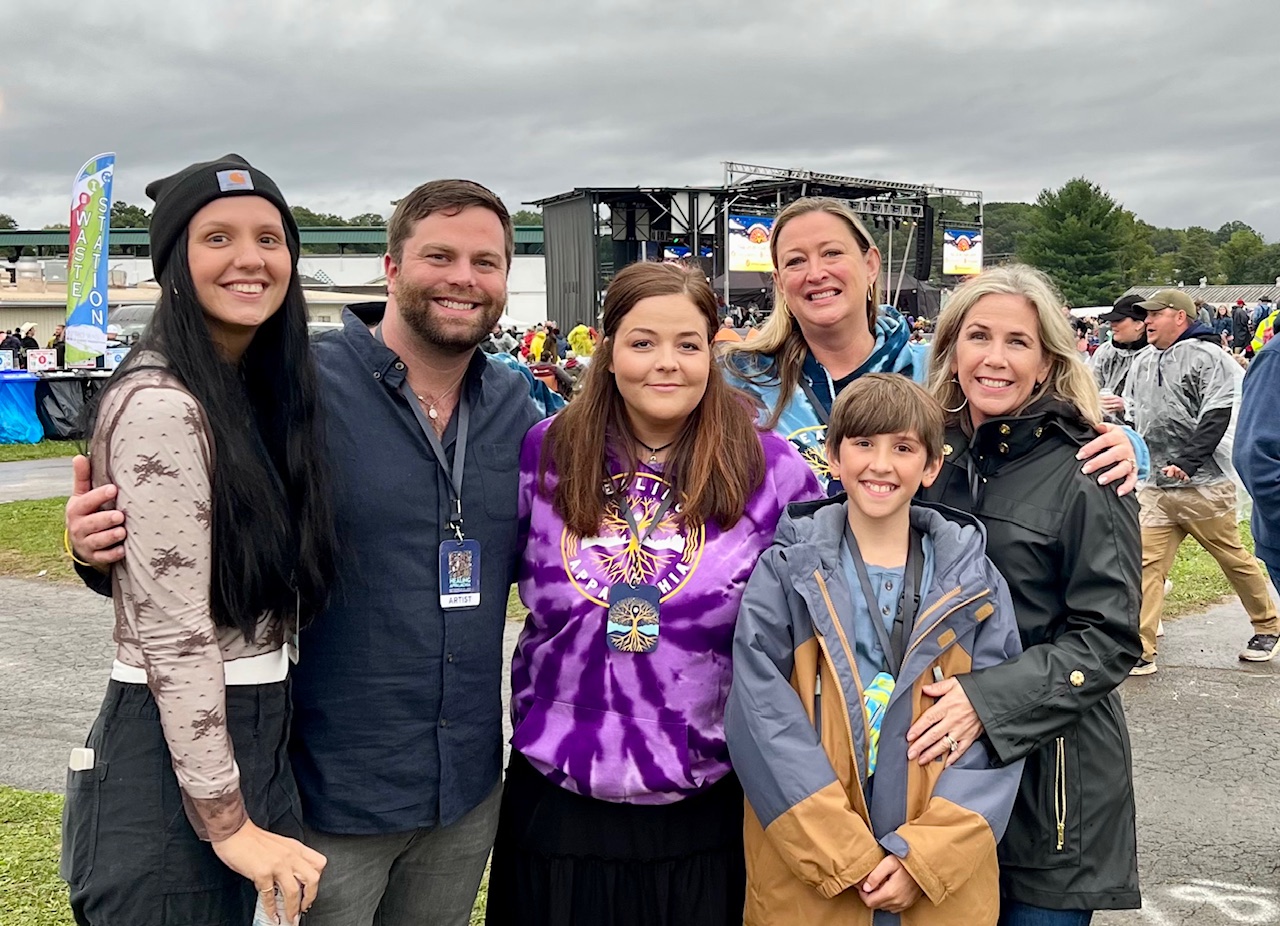
Logan continued working in the field of addiction recovery, learning new skills and making new contacts, when Hope in the Hills began a search for a new Executive Director.
“I was beside myself that I had the opportunity to apply,” he says, “Here we are. I started full time on August 18.”
He will split his time between Nashville and traveling across Appalachia to visit partner organizations doing recovery work in multiple states. For Logan, it’s a dream come true.
But the dream slipped into a nightmare last month. Just six days before he officially began the new job, his fiance Morgan suddenly died.
“My entire heart has been ripped out of my chest,” he shares. “My life has been turned completely upside down. Morgan was such a big fan of Healing Appalachia. She was so excited for us to be involved as a family. I have looked at this as an opportunity to honor her memory. I will be giving this organization everything that I have.”
The festival’s impact
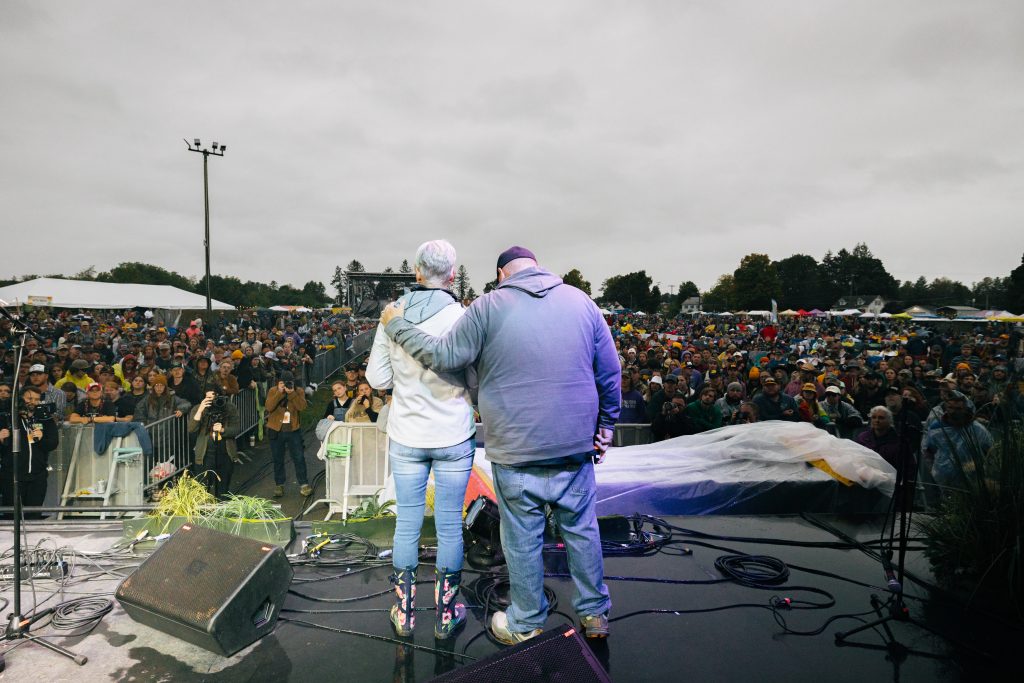
Healing Appalachia, which has moved from West Virginia to Kentucky this year, is the outward-facing part of the work done by Hope in the Hills.
“A lot of people know about the music festival, but not as many people know about the impact the festival has had.”
Logan says they’ve donated grants to more than 100 community organizations (many of whom are too small to qualify elsewhere), given more than $1 million to recovery in total, and provided funds for recovery house scholarships to allow people who have become sober to stay that way and become meaningfully employed.
“There are so many things like Camp Miraposa (a camp for kids who have lost parents to addiction) and music therapy programs that Hope in the Hills has been able to support,” he says. “Not to mention workforce development. We have 900 volunteers for the festival and they’re all in recovery. A lot of them have gone on to be trained to be stage hands elsewhere.”
As for what the future holds as the organization continues to grow by leaps and bounds each year, Logan says, “There’s no telling. The soul of Hope is grassroots. We want to keep it that way.”
He also says they continue to fund new ways of partnering with similar organizations across the country, such as the Matthew Perry Foundation (who is sponsoring the camp where volunteers stay during the festival this year) REVERB & Zero Waste Energy Productions (to make the concert an energy-neutral event), and Can’d Aid’s “Crush It Crusade” (to encourage sustainable recycling).
‘Music is the biggest connection of all’
“A lot of people love to use this analogy from a TED Talk,” Logan says. “The opposite of addiction is connection. Music is the biggest connection of all. What we do is celebrate recovery. We are broadening the recovery audience.”
Logan says his work and that of Hope in the Hills is actually pretty simple. “We show that recovery is possible, and you can do something about it.”
Of all people, Logan knows heartbreaks and setbacks and tragedies can come. But he keeps hope alive. How?
“The community,” he says. “The reason I still have hope that keeps me pressing forward is the community.”
“I see people walk through the darkest times in their life and come through the other end. I see people’s lives change,” he shares.
“Life is hard, it’s not fair, but it can get good again.”
Hope in the Hills hosts Healing Appalachia this September 19-20 in Ashland, Kentucky. Tickets are available now.