
THE FRONT PORCH: Lab-Grown Meat: Innovation or uncertainty?
Recently, lab-grown meat, also known as cultured meat, gained federal approval in the United States.
By Dakota Baker, RealWV
Recently, lab-grown meat, also known as cultured meat, gained federal approval in the United States.
While several states have already banned cultured meat, funding for the industry appears to be falling short. Here are some important things to know about lab-grown meat.
Lab-grown meat is made from cells isolated from animals, plants, or microorganisms to produce food products. These cells are cultivated in a controlled environment, where they are provided with the nutrients and conditions needed to grow and develop into muscle tissue.
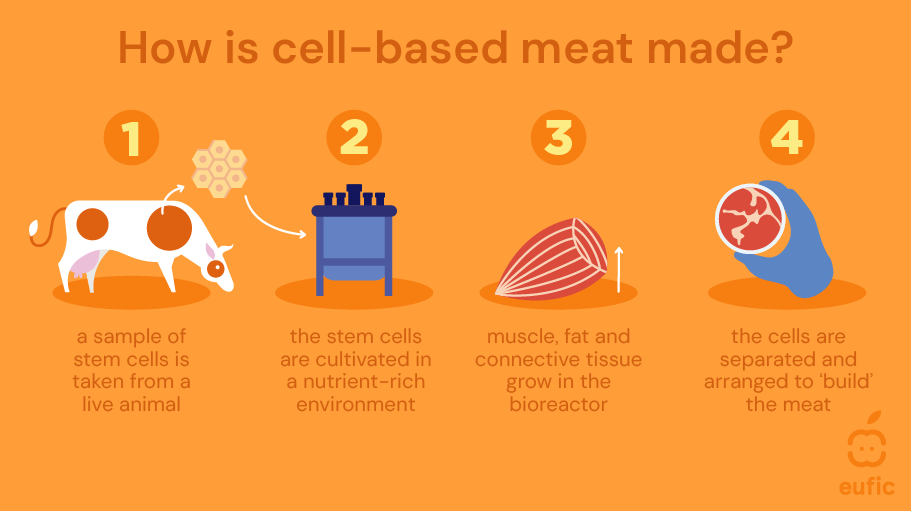
There are some pros that come with cultured meat, and the biggest one seems to be the production of meat products without the large-scale raising and slaughter of livestock. This means cultured meat has the potential to improve animal welfare by reducing the number of animals needed for food production.
Other pros include the possibility of reducing the risk of contaminants, such as E. coli, since cultured meat is grown in a controlled environment rather than being processed through conventional slaughter and meat handling. It also has the potential to provide a more sustainable way of producing protein by reducing the amount of land and water required and lowering greenhouse gas emissions, depending on how the production process is powered and managed.
However, there are still various unknowns when it comes to the topic of cultured meat products.
Will cultured meat actually be more environmentally sustainable compared to traditional animal husbandry when produced on a large scale? Will it be affordable and accessible for the average consumer? Are there any long-term adverse health effects associated with consuming cultured meat? These questions will likely require further research and widespread commercial production before they can be fully answered.
The more important question for West Virginians is: What could the widespread adoption of lab-grown meat mean for farmers, particularly those who rely on raising livestock for their livelihood?
Related Articles
Bird banding at Dolly Sods offers a window into fall migration
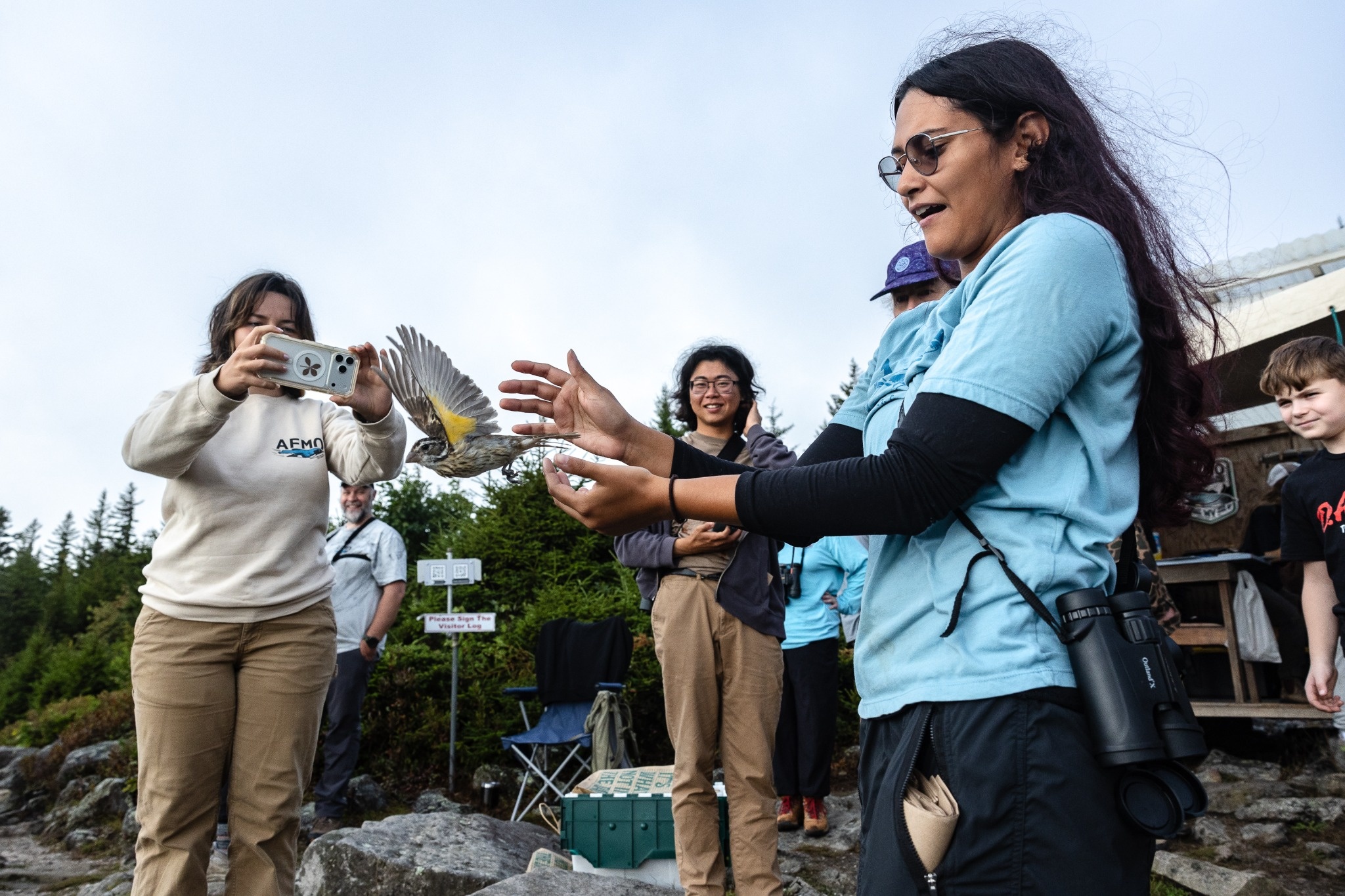
As the first light of day opens on the ridgeline of Dolly Sods, a crew of researchers and volunteers waits in anticipation of something other than the beautiful scene unfolding in front of them.
THIS WEEK IN WV HISTORY: Sep 20-26
The following events happened on these dates in West Virginia history.