
Llama and alpaca handlers educate, compete at State Fair
By Vanta Coda III, RealWV
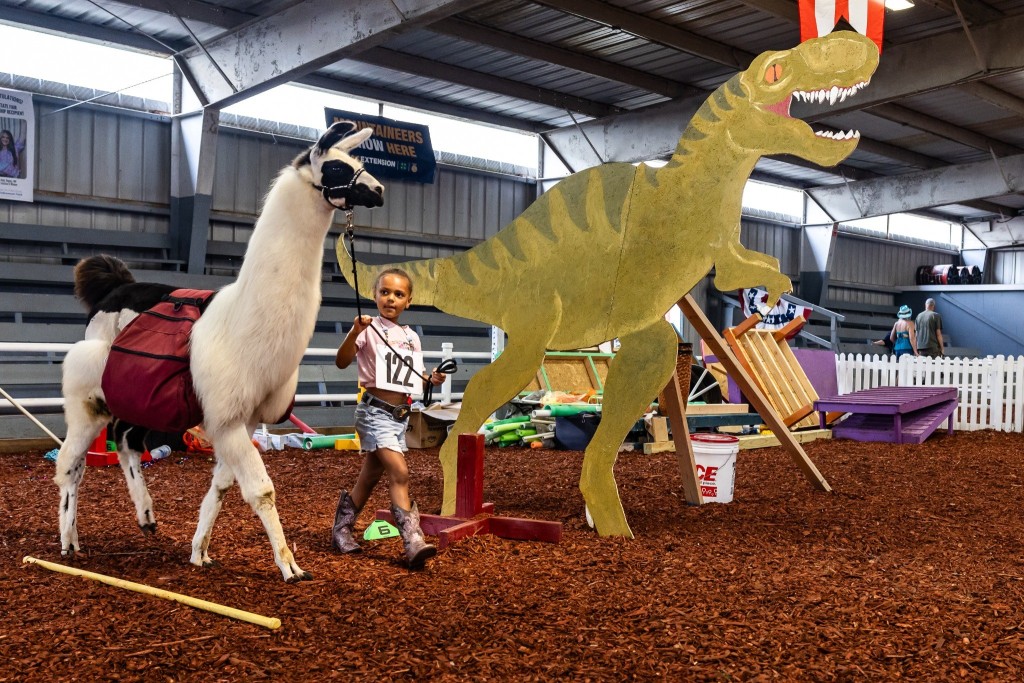
FAIRLEA W.Va — Llamas and alpacas are often not the first species to come to mind when thinking of livestock or fair animals, but these animals and their owners made quite the appearance at the State Fair of West Virginia this year. Shown only during the first few days of the fair, these South American livestock standouts perform both in tasks they have been trained for over hundreds of years and in the more modern situations they may face outside the show ring.
Steve Silverberg, llama event manager, said this showing event is unique among other events you might find at the State Fair.
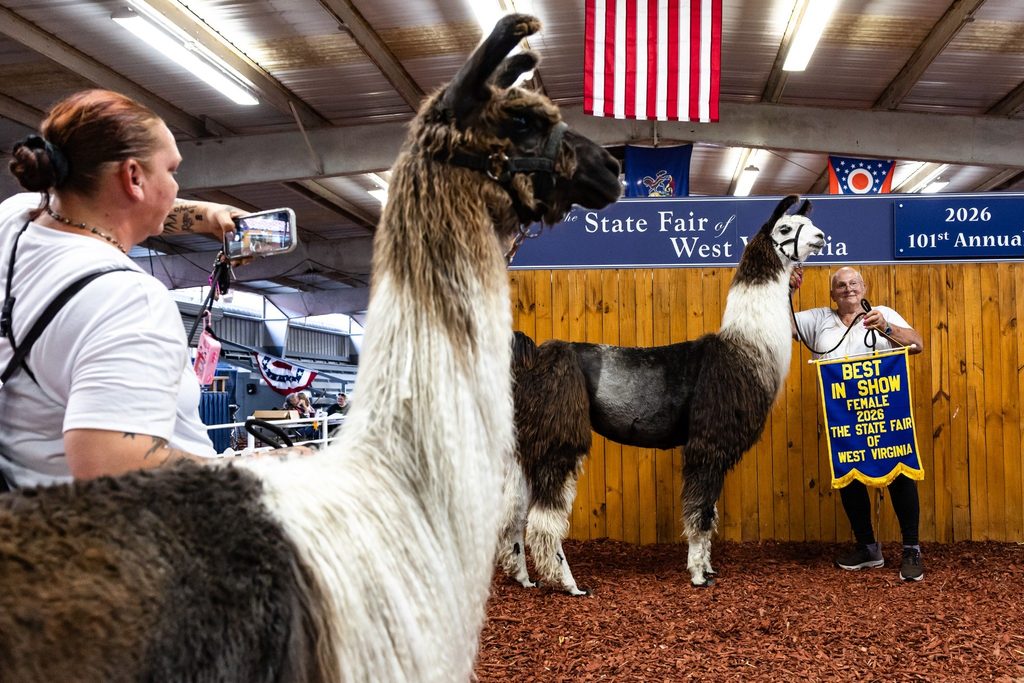
“We have showmanship and halter events, and we also have obstacle course events,” Silverberg said. “We’re starting with the pack event, which some of these guys have pack operations. The last one is called public relations, and they’ll probably change some things around and make it lean more into event-type activities, like being asked to take a llama to the library, a mall, or a wedding, that kind of stuff.”
Showmanship primarily judges the handler’s performance, while halter classes judge the llamas themselves. This is the first year alpacas were mixed into the primarily llama events at the State Fair, with three shown in the youth showmanship events.
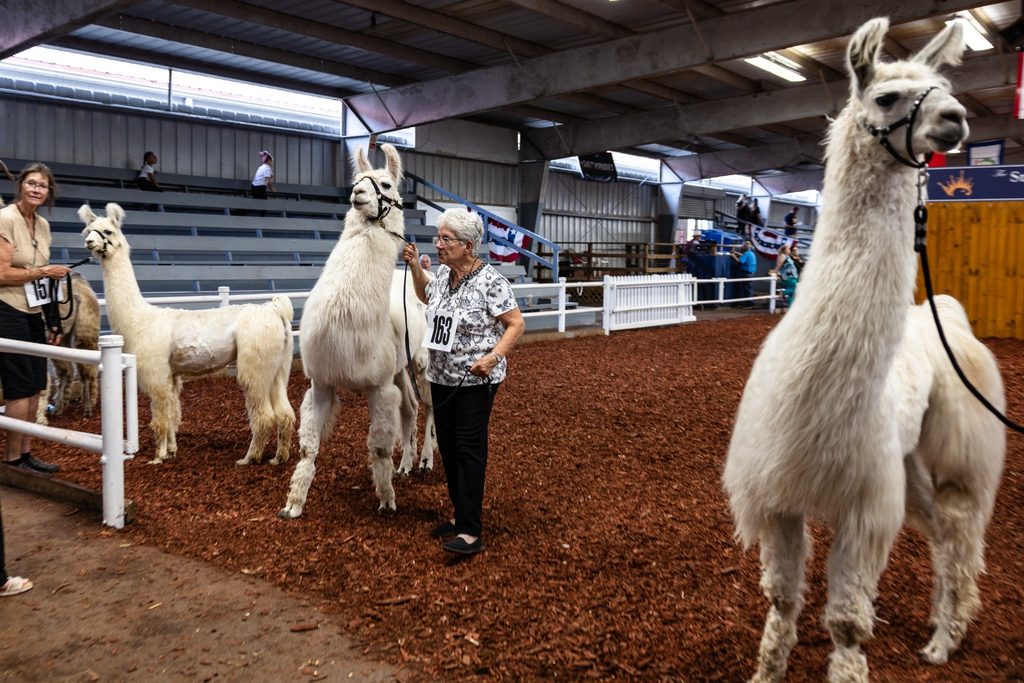
All the handlers, owners, and their llamas shown are from out-of-state llama and alpaca operations, including Bonnie Kittrell of Loudoun County, Virginia, owner of Double 8 Alpaca & Llama Ranch.
Kittrell raises pack alpacas and llamas to pack-hike through the surrounding mountains and hills in her area. They also run a youth mentor farm, mentoring youth interested in agriculture and veterinary sciences through the Academies of Loudoun school system, paving the way for students to enter veterinary programs.
“It’s important for them to be immersed in a working farm,” Kittrell said. “Taking care of their animals gets them off the screens and into nature. They’re learning responsibility, kindness, and empathy for their animals. It’s just an amazing experience for them.”
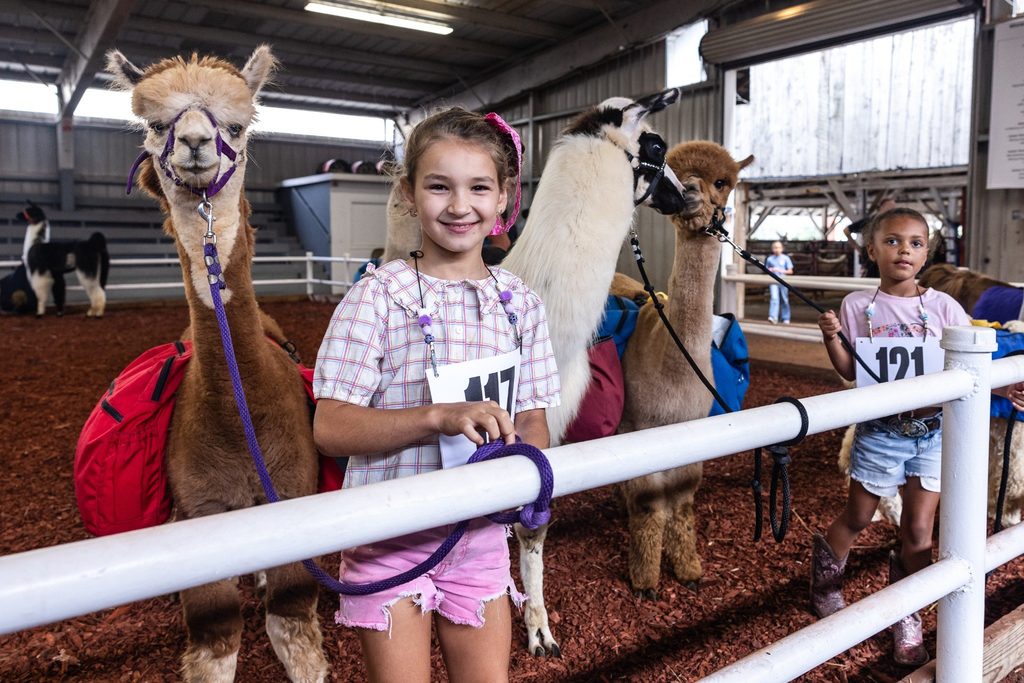
Kittrell’s youth group brought the only three alpacas to the State Fair of West Virginia this year, where the audience applauded the youth handlers during their events.
“The first thing that we tell them is to have fun,” Kittrell said. “After their event, we ask them something they learned or something that they could do better or change for next time. This helps them grow as handlers and as individuals.”
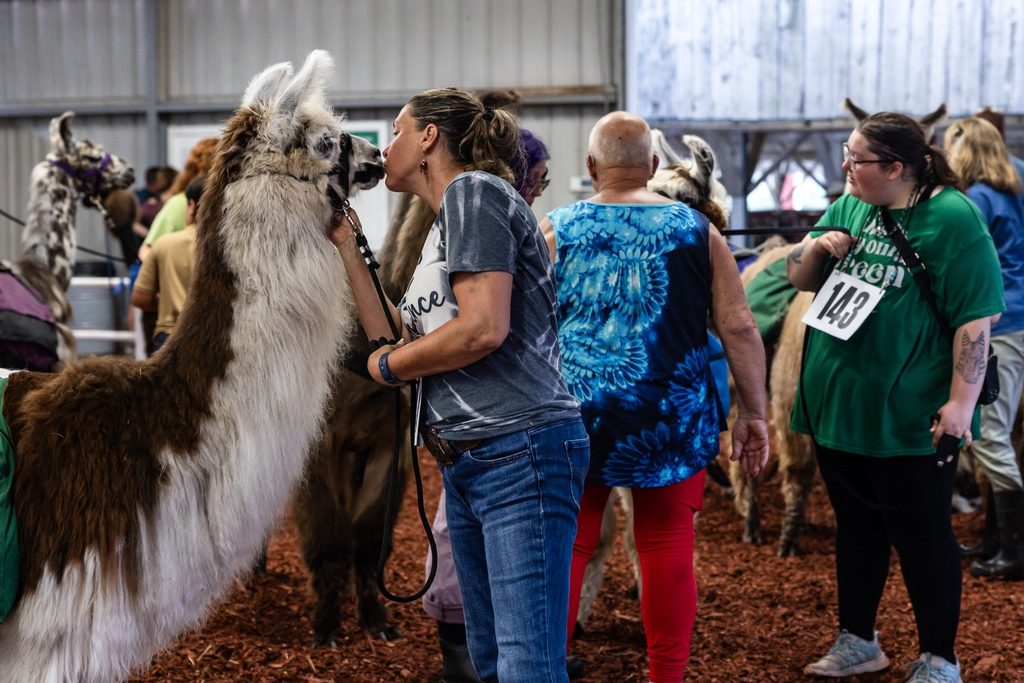
Teaching the public about llamas and alpacas has become a priority for the community. Owners like Dawn Shaver, owner of Ridge and Valley Farm in Chatsworth, Georgia, go to state fairs across the country to show their llamas and teach others about this unique animal native to the Americas.
“The llama community is actually very small,” Shaver said. “Teaching people is one of the most important things in our industry.”
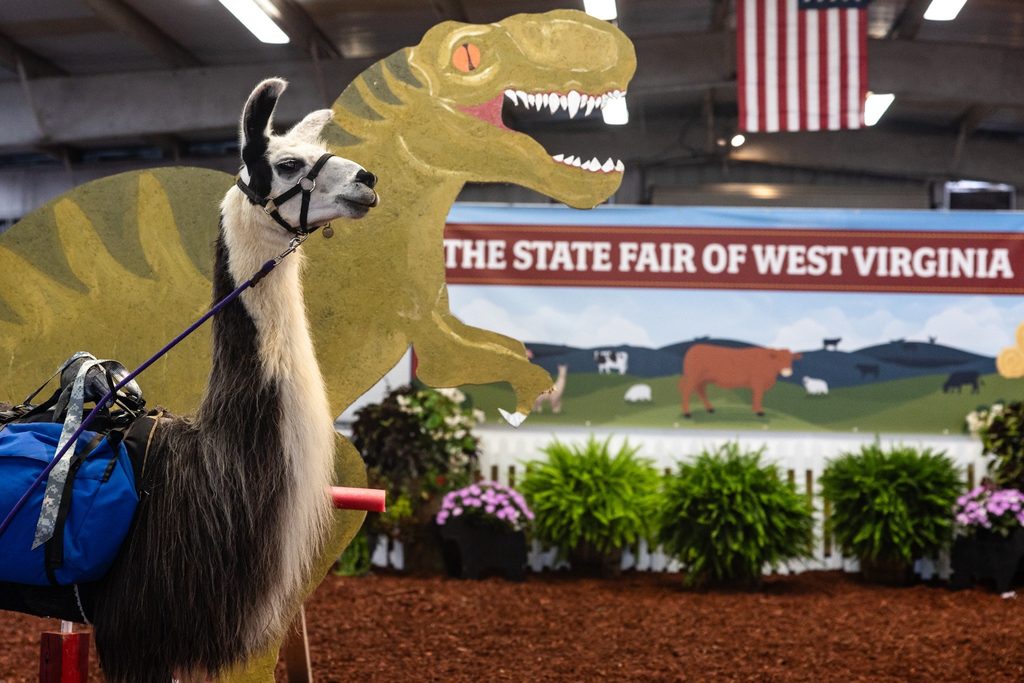
One of the many misconceptions owners have had to address with the public about llamas is that they don’t spit intentionally.
“Probably the one thing that’s happening here again this year is people come through and look at the llamas, and you hear all day long about how they spit,” Silverberg said. “Of course, they’ll get mad at each other and spit back and forth occasionally over something, and if you’re in the line of fire, you may get caught in the spray, but they don’t intentionally spit at people.”
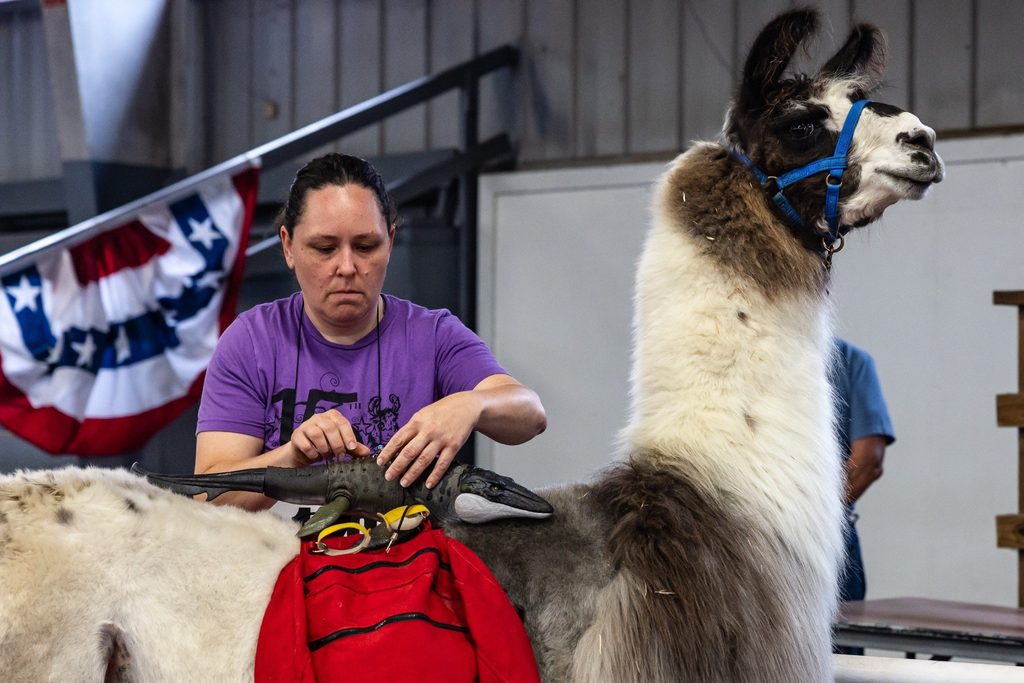
As the llamas and alpacas’ time at the 101st annual State Fair of West Virginia comes to an end, owners of America’s only large native domesticated animals hope that more people get into the world of llamas and alpacas.
“They’ve been working with humans for so many thousands of years, each of them developing a special relationship with their handler. With them always being around people, they tend to associate with us,” Silverberg said. “They’re just really cool animals.”
Related Articles

Real West Virginian of the Week: Curtis Brent Wilmoth — Building a life around family, faith, and West Virginia’s youth
Curtis Brent Wilmoth has spent nearly three decades building a career in financial planning, but ask him what business he’s really in, and his answer has little to do with money.