THIS WEEK IN WV HISTORY: Oct. 11–17
Presented by the WV Humanities Council,
Charleston WV – The following events happened on these dates in West Virginia history. To read more, go to e-WV: The West Virginia Encyclopedia at www.wvencyclopedia.org.
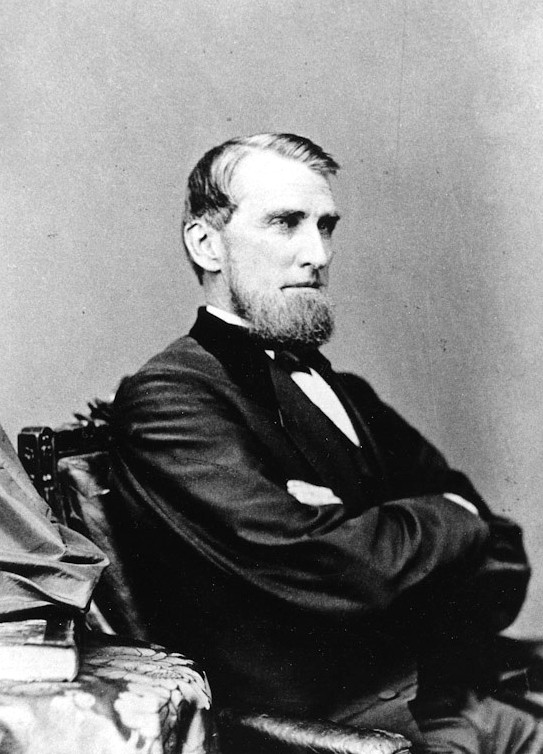
Oct. 11, 1811: State founder and U.S. Senator Waitman T. Willey was born near Farmington. Willey proposed the West Virginia Statehood Bill in the U.S. Senate and saw to its passage and later signing by President Lincoln. He was then elected as one of West Virginia’s first two U.S. senators and served from 1863 to 1871.
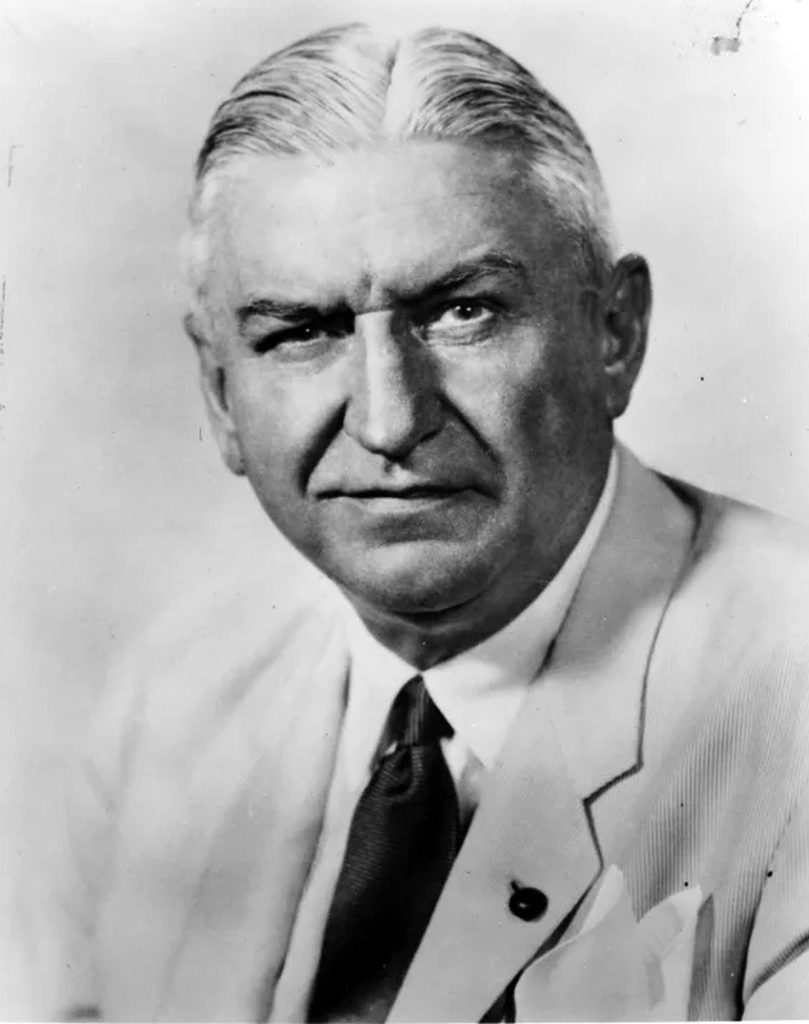
Oct. 11, 1896: George Preston Marshall was born in Point Pleasant and later lived in Grafton. As longtime owner of the Washington Redskins, he deserves much credit for inventing modern professional football. Marshall’s other legacy, however, is one of deeply entrenched racism. Washington was the last NFL team to integrate.
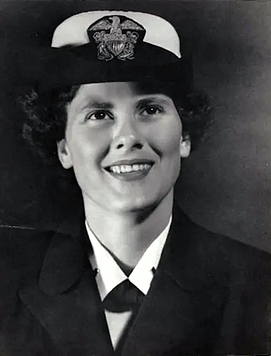
Oct. 11, 1923: Science fiction and fantasy author Doris Piserchia was born Doris Summers in Fairmont. She was a pioneer in a genre that has become known as feminist science fiction, authoring 13 novels and 17 short stories between 1966 and 1983.
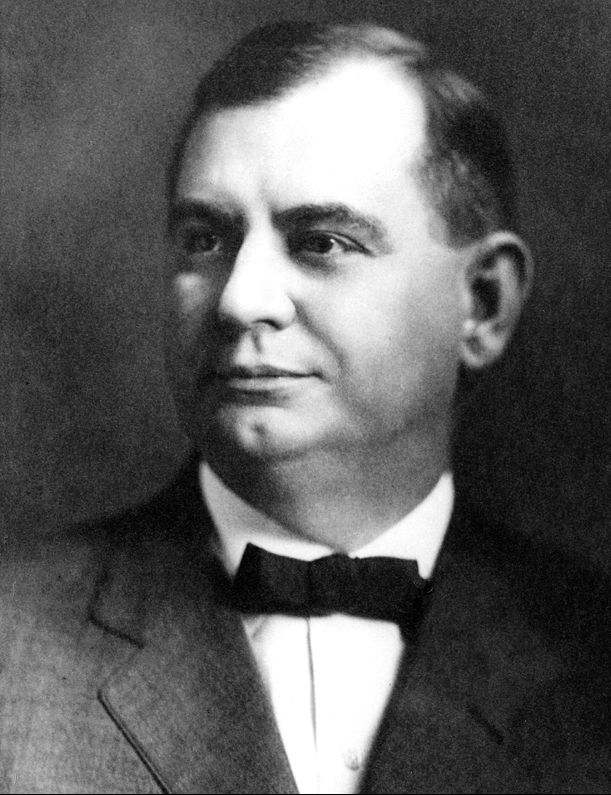
Oct. 12, 1877: Howard Mason Gore was born in Harrison County. He served as U.S. secretary of agriculture and the 14th governor of West Virginia.
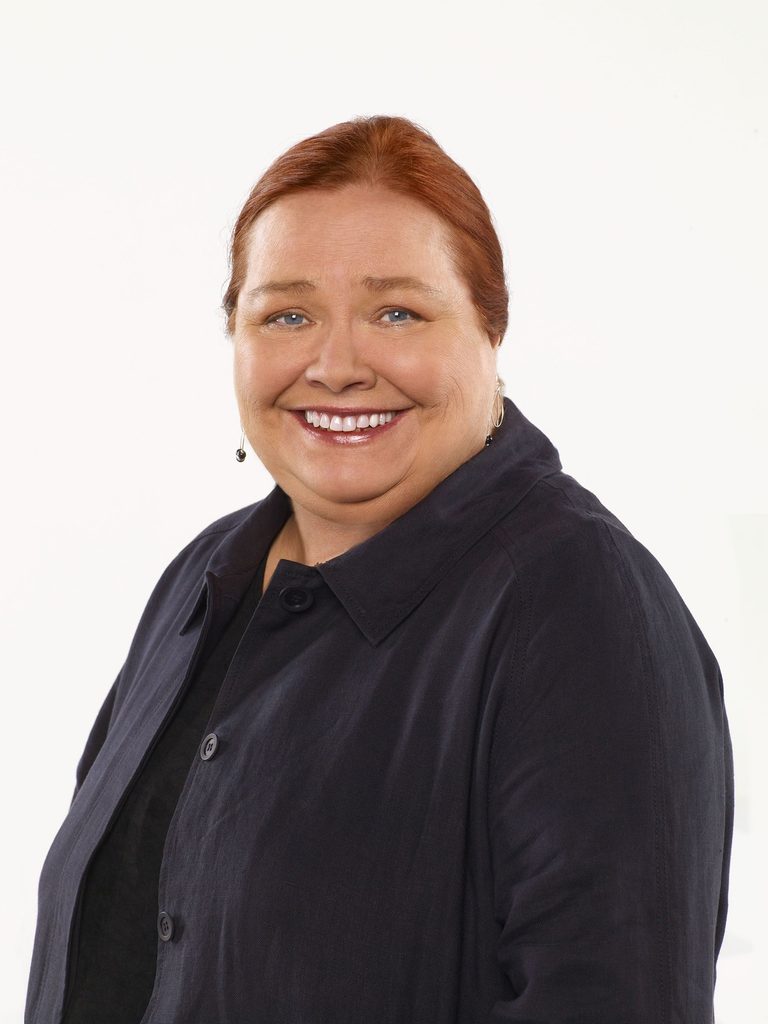
Oct. 12, 2020: Actress Conchata Ferrell died. Born in Loudendale, Kanawha County, Ferrell was best known as Berta the housekeeper on the CBS sitcom Two and a Half Men. She enjoyed a long career on stage, film and television.
Oct. 13, 1863: The Battle of Bulltown took place in Braxton County. The location was valuable during the Civil War because the Weston & Gauley Bridge Turnpike crossed the Little Kanawha River on a covered bridge at the site.

Oct. 14, 1943: The army began transforming parts of Dolly Sods into an artillery range to train military troops bound for duty during World War II. The operation ended on July 1, 1944.
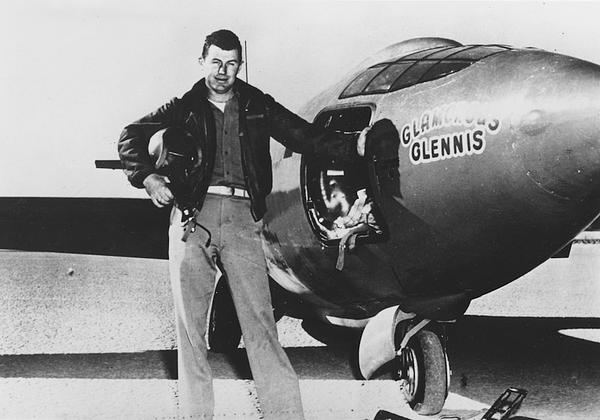
Oct. 14, 1947: In a Bell X-1 rocket airplane dropped from a B-29 bomber, Chuck Yeager broke the sound barrier by flying 700 miles per hour. He set another speed record on December 12, 1953, by flying two-and-a-half times the speed of sound in a Bell X-1A.
Oct. 14, 1949: WSAZ-TV went on the air on channel 5. Early shows included the first telecast of a Marshall College (now University) basketball game on December 3, 1949.
Oct. 14, 1985: Kanawha Airport was renamed Yeager Airport in honor of Chuck Yeager.
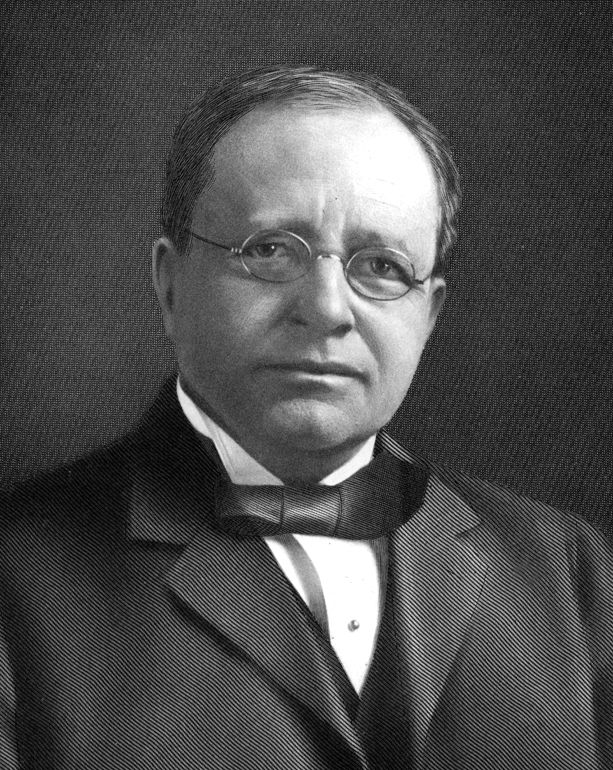
Oct. 15, 1839: Aretas Brooks Fleming was born in Fairmont. In 1888, Fleming won the Democratic nomination for governor and then won West Virginia’s most controversial gubernatorial election.
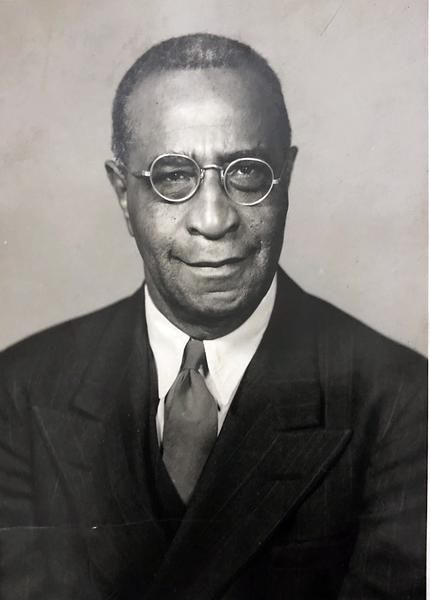
Oct. 15, 1874 or 1876: Civic leader and businessman James Cubert Campbell was born in Charleston. He would become Charleston’s first Black licensed undertaker and first Black city council member.
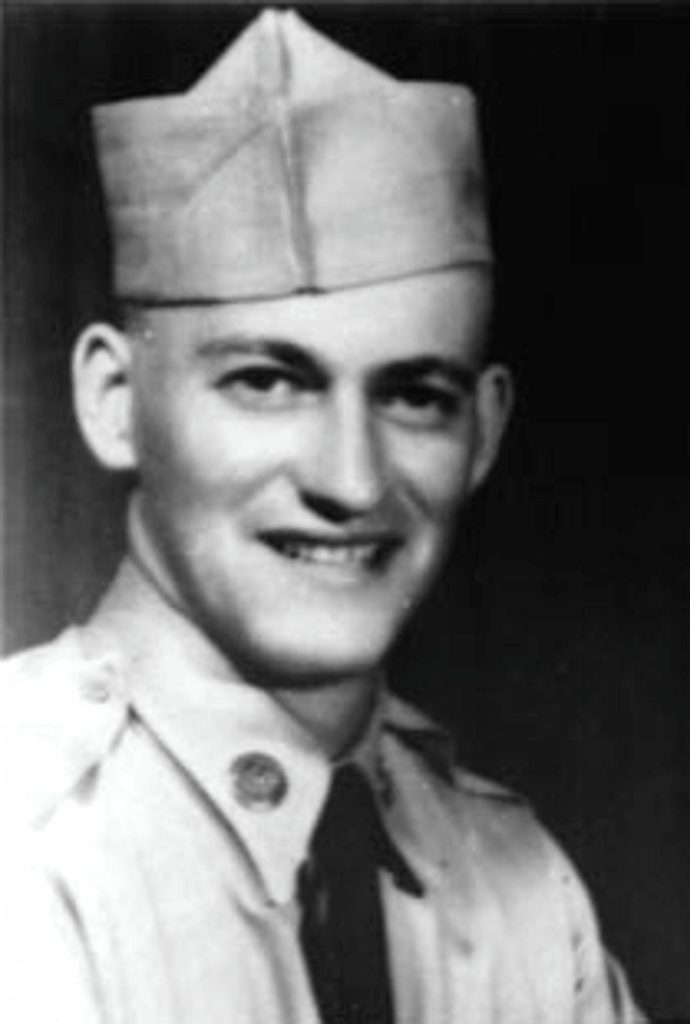
Oct. 15, 1952: During the Korean War, Greenbrier County native Ralph Pomeroy was killed in action near Kumhuwa, Korea, while helping his unit contain an attack. The next year, he was posthumously awarded the Medal of Honor for his actions.
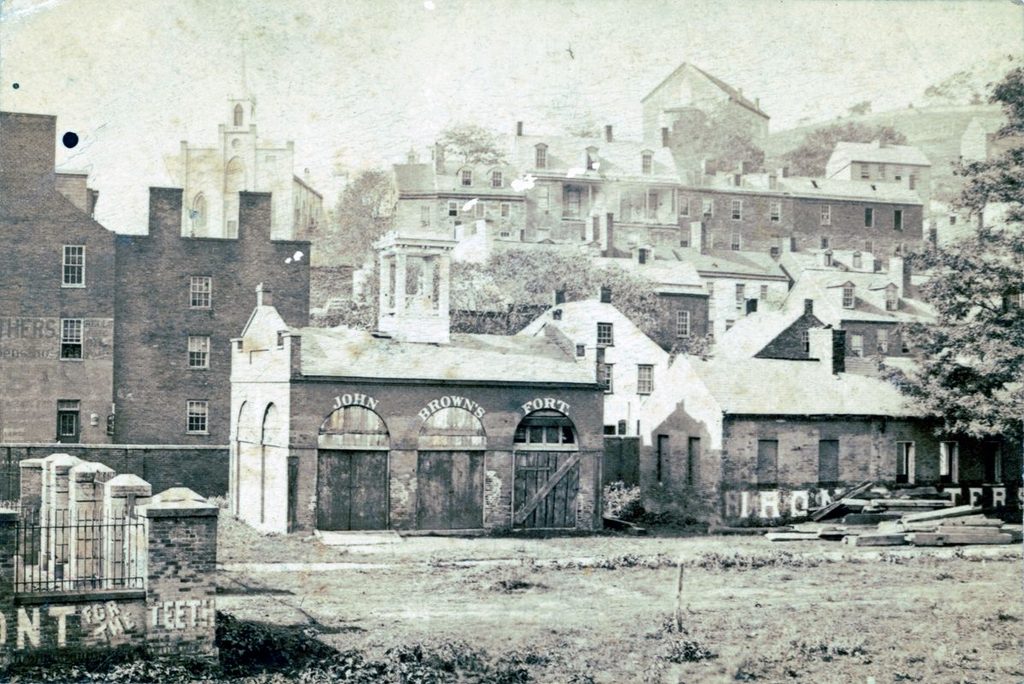
Oct. 16, 1859: John Brown and his raiders captured the arsenal at Harpers Ferry, but they were soon besieged by townspeople, local militia and federal troops. The raid galvanized the nation, further alienating North and South over slavery and drastically reducing any possible middle ground for compromise before the Civil War.
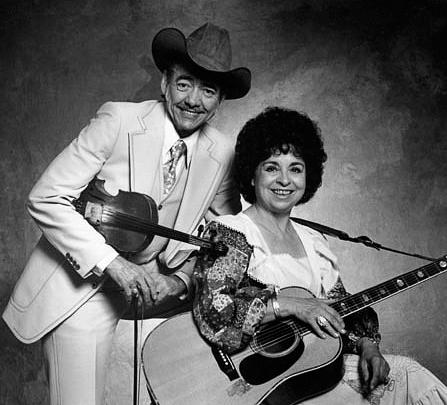
Oct. 16, 1918: Dale Troy “Stoney” Cooper was born in Randolph County. He, his wife Wilma Lee and the Clinch Mountain Clan played country music on WWVA radio in Wheeling for a decade before spending the next 20 years on the Grand Ole Opry.
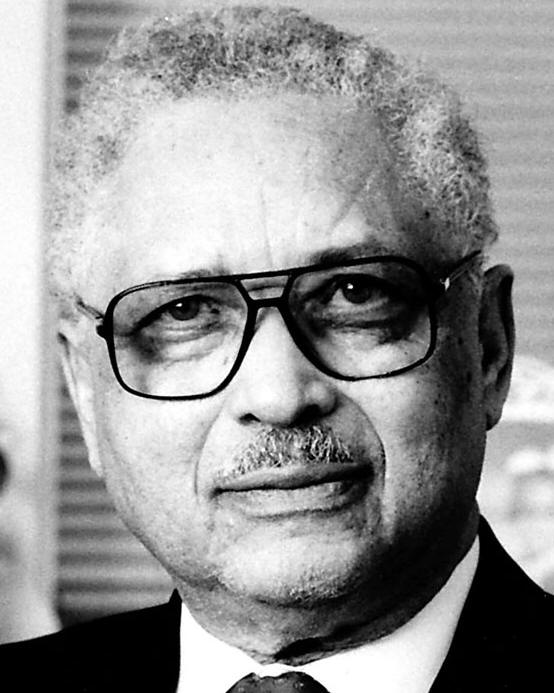
Oct. 16, 1922: The Rev. Leon Sullivan was born in Charleston. In 1977, Sullivan initiated the original Sullivan Principles, a code of conduct for companies operating in South Africa. The Principles were among the most effective efforts to end the system of apartheid.
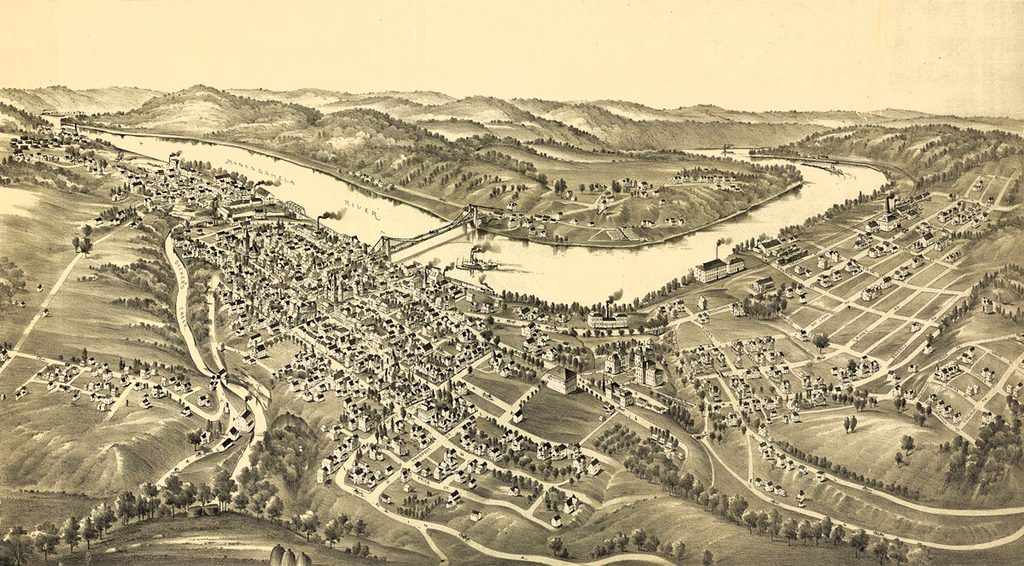
Oct. 17, 1785: Morgantown was officially chartered as “Morgan’s Town,” named for town founder Zackquill Morgan.
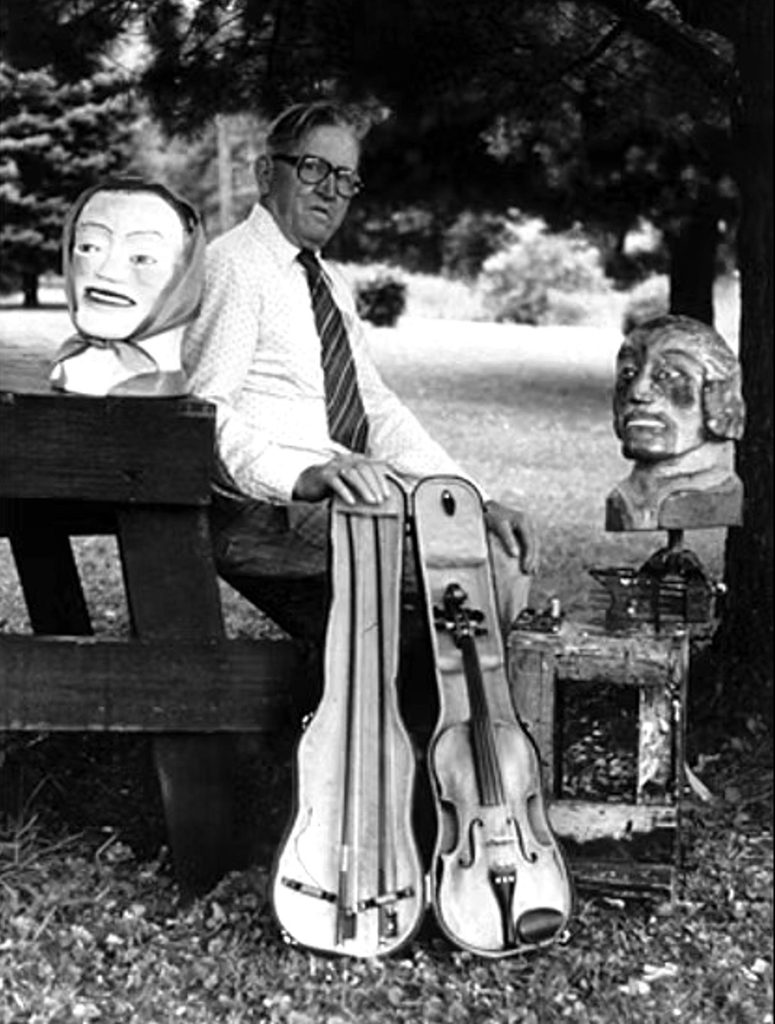
Oct. 17, 1901: Folk artist S. L. Jones was born in Monroe County. He was widely recognized for his hand-carved, painted wood sculptures. His works are in the collections of the, Smithsonian American Art Museum, Museum of American Folk Art and West Virginia State Museum.
e-WV: The West Virginia Encyclopedia is a project of the West Virginia Humanities Council. For more information contact the West Virginia Humanities Council, 1310 Kanawha Blvd. E., Charleston, WV 25301; (304) 346-8500; or visit e-WV at www.wvencyclopedia.org.
Author

Related Articles
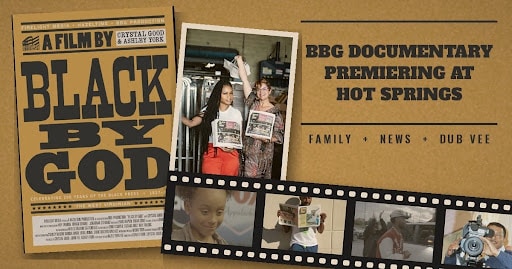
BLACK BY GOD: BBG documentary premiering at Hot Springs Film Festival
Black By God, a documentary about West Virginia’s Black newspaper, premieres at the 35th Hot Springs Documentary Film Festival. Co-directed by Crystal Good and Ashley York for Firelight Media’s Homegrown series, with executive producer Stanley Nelson, the film follows the BBG newsroom as it tells the stories of Black West Virginia. It arrives as the Black Press marks 200 years.
From West Virginia to Chicago: Black By God joins national conversation on independent media
I went to Chicago representing a newsroom rooted in West Virginia, but the conversations happening there were much bigger than any one state
THIS WEEK IN WV HISTORY: Oct. 4–10
The following events happened on these dates in West Virginia history.