
Real West Virginian of the Week: John Bright built The Purple Fiddle into a home for music in Thomas
Before The Purple Fiddle became one of West Virginia’s most recognizable live music venues, John Bright saw something in Thomas that others may not have seen yet.
By Hannah Yost, RealWV
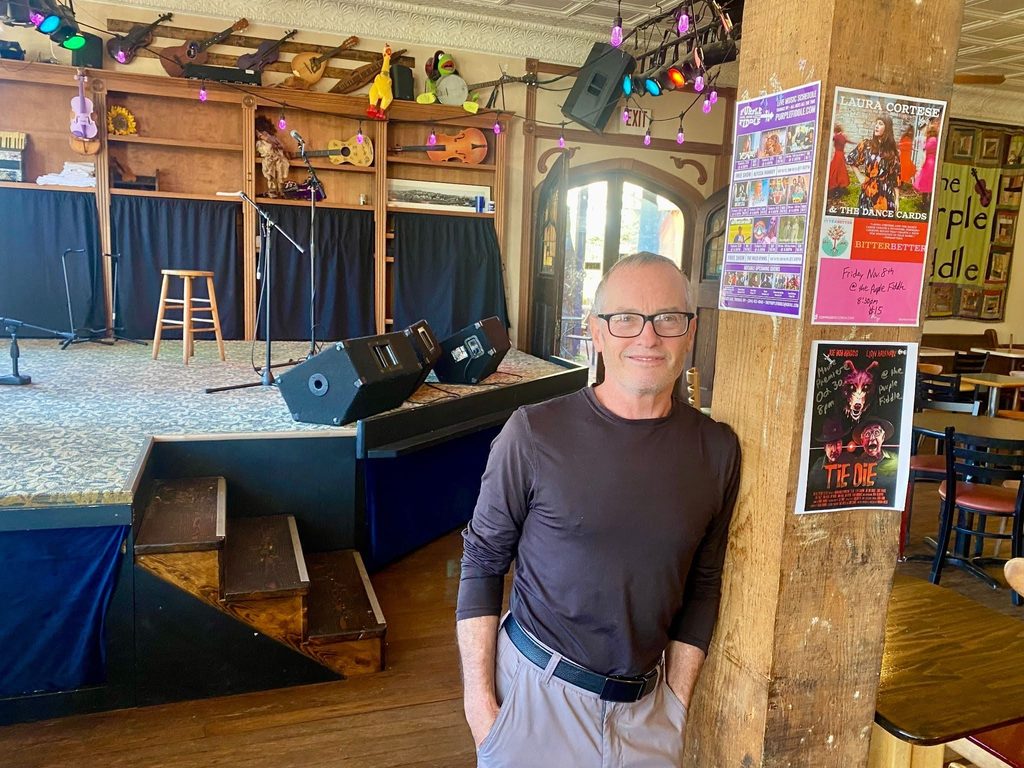
THOMAS, W.Va. — Before The Purple Fiddle became one of West Virginia’s most recognizable live music venues, John Bright saw something in Thomas that others may not have seen yet.
He saw the mountains. He saw the historic buildings. He saw the nearby state parks, the rail trail, and the potential for a small town to become a gathering place for music, food, art, and community.
More than two decades later, The Purple Fiddle has become exactly that.
Bright was born and raised in West Virginia and grew up in Morgantown from the age of 10. A diehard Mountaineer fan, he spent the first half of his career as a press photographer. He worked for The Dominion Post for 11 years, spent six months at The Washington Post, and served as personal photographer for Gov. Bob Wise for one year in 2000 before quitting and starting The Purple Fiddle.
His years behind a camera gave him a broad view of his home state.
“I was blessed to see and document with a camera many corners of the state, especially north central WV where I am from,” Bright said. “I got to see the good, the bad and the ugly, but love my state and will do everything in my power to undo its negative reputation.”
That desire to give people a new way to talk about West Virginia became part of the foundation of The Purple Fiddle.
Bright opened the venue Feb. 1, 2002, at a time when remote work was beginning to feel more possible. He believed that as the world entered a more computer-driven age, people from the Washington, D.C., and Mid-Atlantic regions might begin looking toward the mountains as a place to live, work, and play.
He also believed West Virginia’s scenic areas had room to grow.
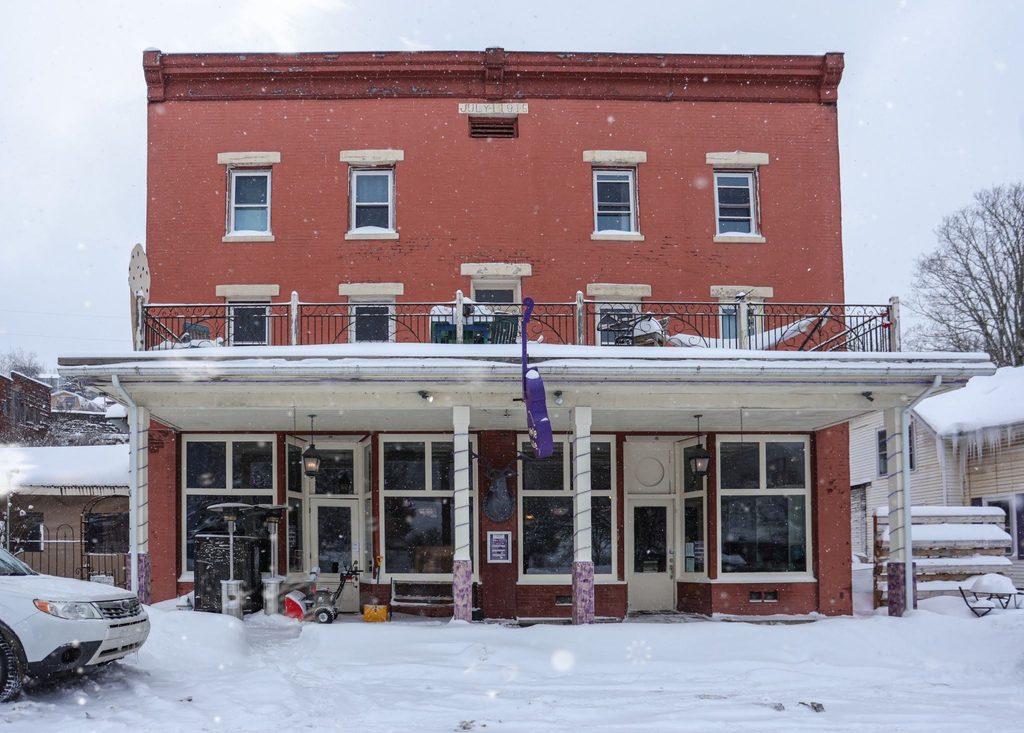
Bright began looking for a building near Blackwater Falls, one of West Virginia’s most popular tourist attractions, and Canaan Valley, another major destination. At the time, the old DePollo General Store building in Thomas was for sale.
It was exactly what he needed.
The location placed the business near Blackwater Falls, Canaan Valley State Park, the construction of Corridor H, and a future rail trail across the street. But the building also carried beauty and history.
“Location, location, location,” Bright said.
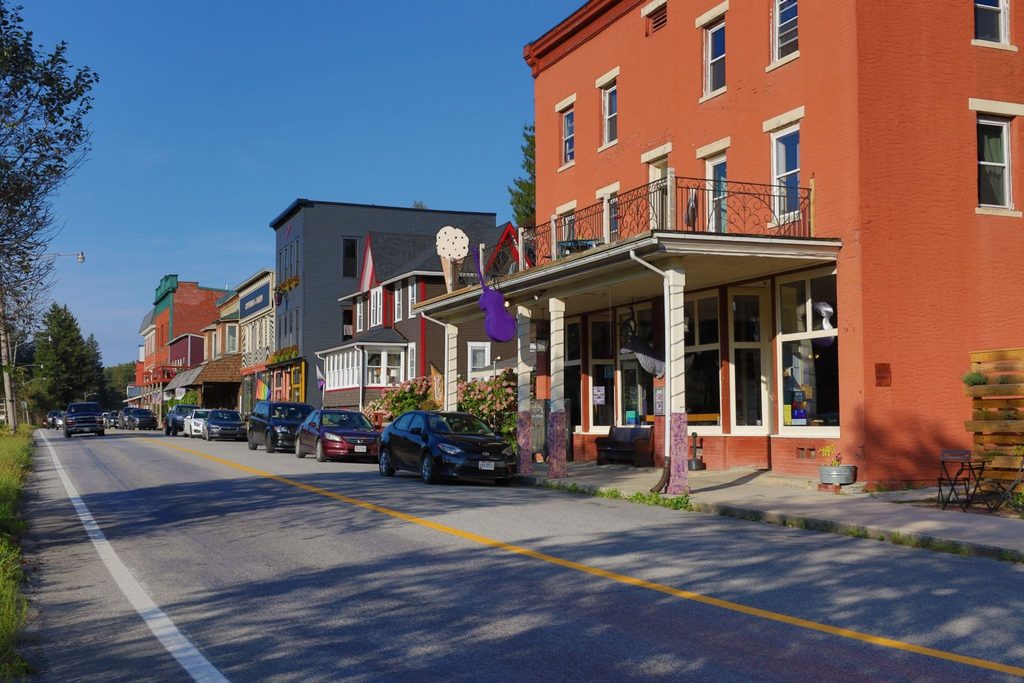
He was also drawn to the architecture, the history of the building, and the look of Thomas’ main street, with storefronts on one side and green space and riverfront on the other.
When Bright first imagined The Purple Fiddle, he hoped it would become “a community gathering spot with good food and good beer and live music with an Appalachian flavor.”
Over time, it became all of that and more.
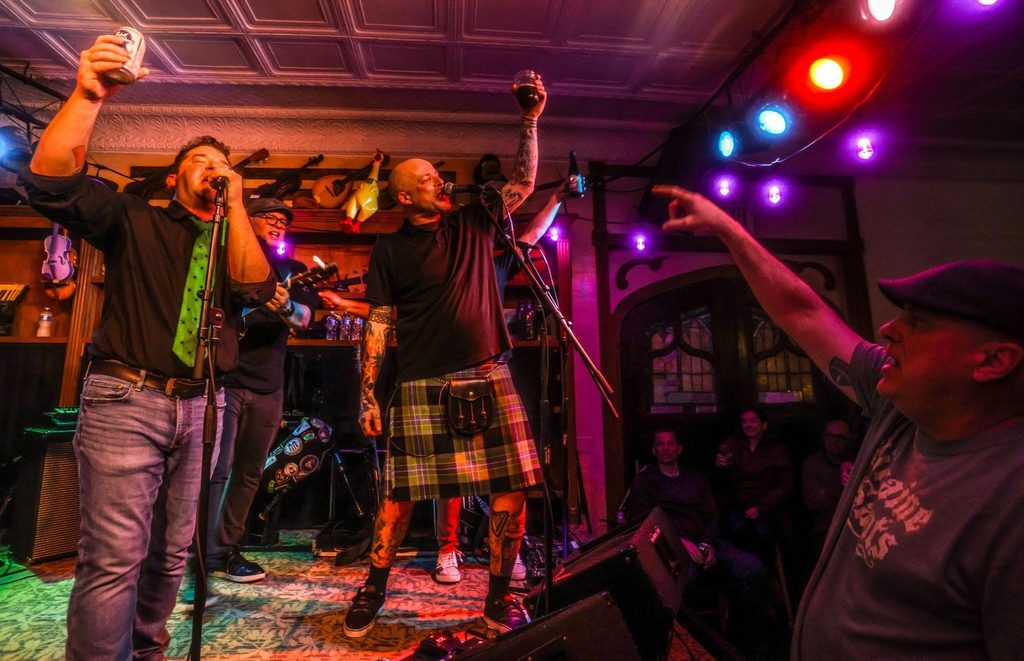
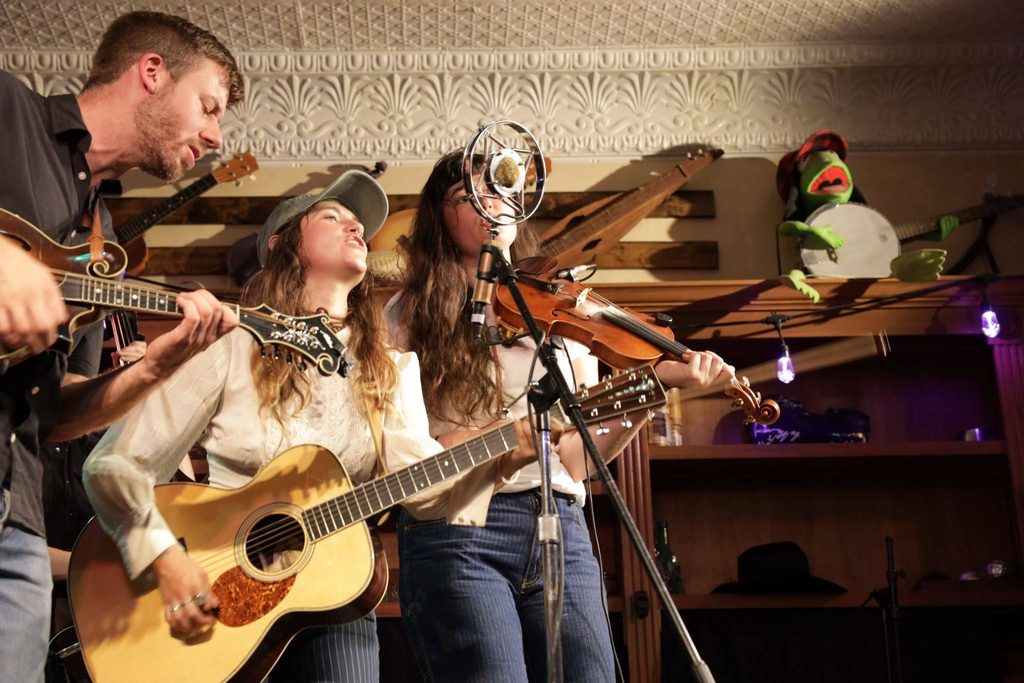
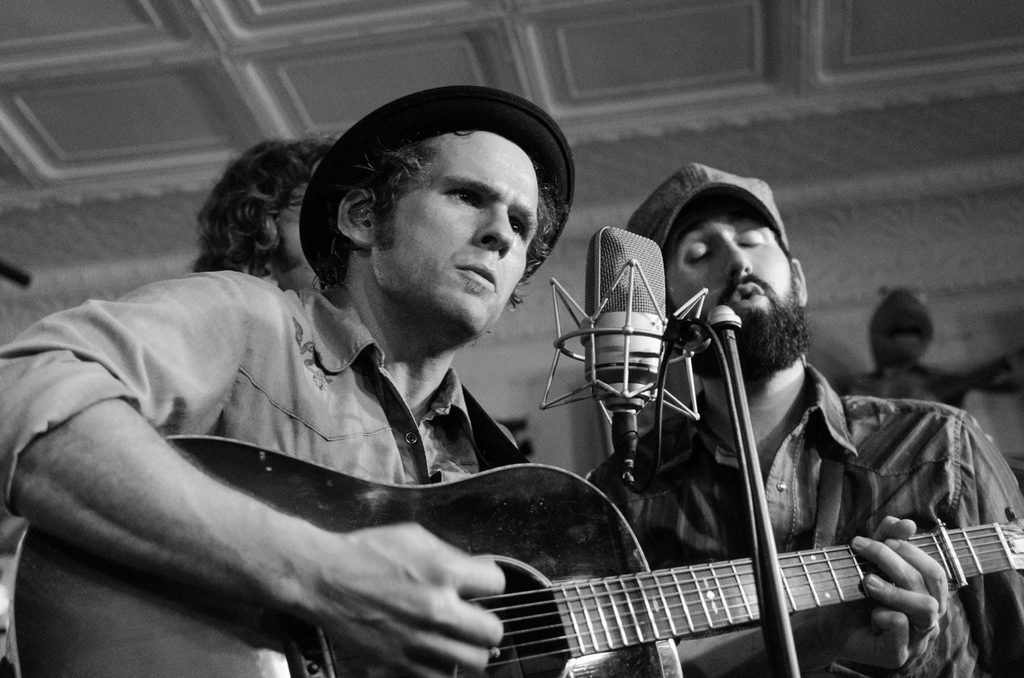
Today, The Purple Fiddle is known far beyond Tucker County as a place where musicians and audiences meet in an intimate, welcoming space. For Bright, one of the most meaningful parts of the venue’s legacy is hearing how many musicians have considered it a goal to play there.
“Musicians from all over the country and world,” Bright said. “I am extremely blessed to call many of them my friends now.”
The Purple Fiddle has hosted artists from West Virginia, Appalachia, across the country, and around the world. Bright noted that world-champion throat singers from Tuva have become regular performers there over the years.
The venue has also hosted artists who later became widely known, including the Avett Brothers, Greensky Bluegrass, Sierra Ferrell, Charles Wesley Godwin, and others.
“You never know when the next superstar will come through here,” Bright said.
For Bright, the magic of The Purple Fiddle is not only in who plays there, but in how they are experienced. There are no VIP tickets or backstage barriers. The musicians are close, the audience is attentive, and everyone shares the same room.
“We like to think everyone is a VIP at the Purple Fiddle,” Bright said.
The venue has also been built around a family-friendly model. Bright said it has always been important for people of all ages, including young people, to experience live music up close. The Purple Fiddle offers a place where people can dance, meet musicians, and experience the art of music in a safe and welcoming environment.
“This is a primary mission of ours,” Bright said.
Over the years, Bright said musicians have often commented on the intent listening and respectfulness of the crowds in Thomas. That kind of audience, he said, creates a better connection between the performers and the people who came to hear them.
“It is magic watching the audience and musicians share the good energy,” Bright said.
That energy has helped The Purple Fiddle become more than a venue. Bright describes it as a stage and gathering place where people are welcome to listen, learn, and be inspired by songs.
“We curate music that is meaningful and for the ages,” Bright said.
Thomas has also shaped the venue. Bright said the artists who have gravitated to the town have influenced the kinds of bands he hosts and continue to push the creative edge of what The Purple Fiddle presents.
At the same time, he hopes the venue has helped bring more attention and economic energy to Thomas, generating revenue that can help preserve the town’s historic buildings and the stories of the people who built them.
The relationship between the venue and the town has evolved over time.
“At first, I think a lot of people were a little suspect and cautious of us attracting all the new, and sometimes weird, outsider,” Bright said. “But now it seems like everyone enjoys the positive energy and the boost in the local economy.”
For Bright, The Purple Fiddle’s success is also tied to how the venue treats musicians. He said musicians are often under-appreciated and underpaid, and he wants those who perform at The Purple Fiddle to feel respected.
“We treat the musicians like royalty,” Bright said.
Performers receive a private place to stay upstairs, a meal tab, and care from a venue that Bright said exists to serve the musicians. That respect, he believes, is part of why artists want to return.
The Purple Fiddle’s music also reflects a balance between Appalachian traditions and new creative voices. Bright said many different kinds of music can be played with traditional instruments. A band can play catchy pop music or jazz using banjo, upright bass, drums, and other familiar sounds. Many performers also honor the place by including a traditional song during their set.
That blend has helped create a space that is rooted in Appalachia without being limited by one sound.
Bright believes people outside the state often misunderstand places like Thomas. One misconception, he said, is that there is no culture in West Virginia.
Thomas proves otherwise.
“I think Thomas and Davis WV are excellent places to buy high quality art for affordable prices and thus a great place to do your gift shopping for one-of-a-kind gifts,” Bright said.
He also wants people to better understand the work that goes into art and music. Artists, he said, often spend their lives developing their craft while being paid far less than their talent and commitment deserve.
“A person should never bemoan a cover charge,” Bright said.
For him, supporting artists is part of the responsibility of a place like The Purple Fiddle.
The business has not been without challenges. Profitability during slower, non-tourist seasons can be difficult, especially when trying to keep core staff employed. Bright said finding a consistent workforce has also been challenging because of the area’s isolated location, though that has improved as more people discover the charm of small-town life and mountain scenery.
Still, the rewards have outweighed the difficulty.
“The music,” Bright said, when asked about the most rewarding part of building The Purple Fiddle. “Always the spine-chilling moments during performances, and getting to meet and befriend the musicians who create those moments.”
He especially loves the behind-the-scenes moments — bands creating new songs, collaborating with new friends they met in Thomas, or returning to tell the audience that a song was written at The Purple Fiddle.
After 24 years, Bright said the audience has not changed in any major way. But now, adults often tell him they grew up coming to The Purple Fiddle with their parents. Today, some of them are bringing their own children.
That generational connection is part of what makes the place special.
Bright never imagined The Purple Fiddle would become as iconic as it has.
“Never, ever, ever did I imagine this,” Bright said. “I am blown away by the quality of bands that play what I refer to as my public living room. And also the quality of music-loving patrons we attract.”
As a native West Virginian, he is proud that The Purple Fiddle has become a destination for art with high standards. More than that, he is glad it gives people a reason to talk about West Virginia in a positive way.
Looking ahead, Bright hopes for more of what The Purple Fiddle has always valued: real, high-quality art created by well-practiced artists.
Recently, he said, he discovered a band he liked was not real, but created by artificial intelligence. At first, he was angry. But the experience eventually gave him confidence in The Purple Fiddle’s future.
The more people use screens, encounter AI-created music, or depend on technology to replace human work, Bright said, the more they will crave real human connection.
The Purple Fiddle, he said, will remain a place for “real beating hearts, playing real, wooden instruments.”
That belief in real art, real people, and real community is central to Bright’s story. The Purple Fiddle is not just a business built in Thomas. It is a place that has helped shape how people experience Thomas, how musicians remember West Virginia, and how audiences connect with music in a room where everyone belongs.
For those who dream of starting a creative business in a small West Virginia town, Bright is honest about the work it takes. Building a business around something you love can be rewarding, but only if you also learn to love the business side — the bookkeeping, the numbers, the sales, the advertising, the staff, the customers, and the hard work that comes with it.
His advice is to follow your dreams, choose work that is fun, and be willing to back it up with years or even decades of effort.
“Be patient and consistent and it will eventually materialize,” Bright said.
For Bright, it materialized in an old general store in Thomas, where music fills the room, artists are respected, families gather, and West Virginia’s creative spirit continues to take the stage.
Know someone who should be featured? Email your nomination to news@therealwv.com.
Related Articles
THIS WEEK IN WV HISTORY: Oct. 18–24
The following events happened on these dates in West Virginia history.
Team Morrisey PAC continues to raise campaign cash
Gov. Patrick Morrisey may not be on the ballot this fall, but campaign finance reports show that his political machine remains active this election cycle raising and spending campaign cash using a complex array of funds.
St. Thomas Episcopal Church marks 140 years of faith and community
Elizabeth Walker grew up attending St. Thomas Episcopal Church in White Sulphur Springs