
THIS WEEK IN WV HISTORY: Oct. 18–24
The following events happened on these dates in West Virginia history.
Presented by the WV Humanities Council,
Charleston WV – The following events happened on these dates in West Virginia history. To read more, go to e-WV: The West Virginia Encyclopedia at www.wvencyclopedia.org.
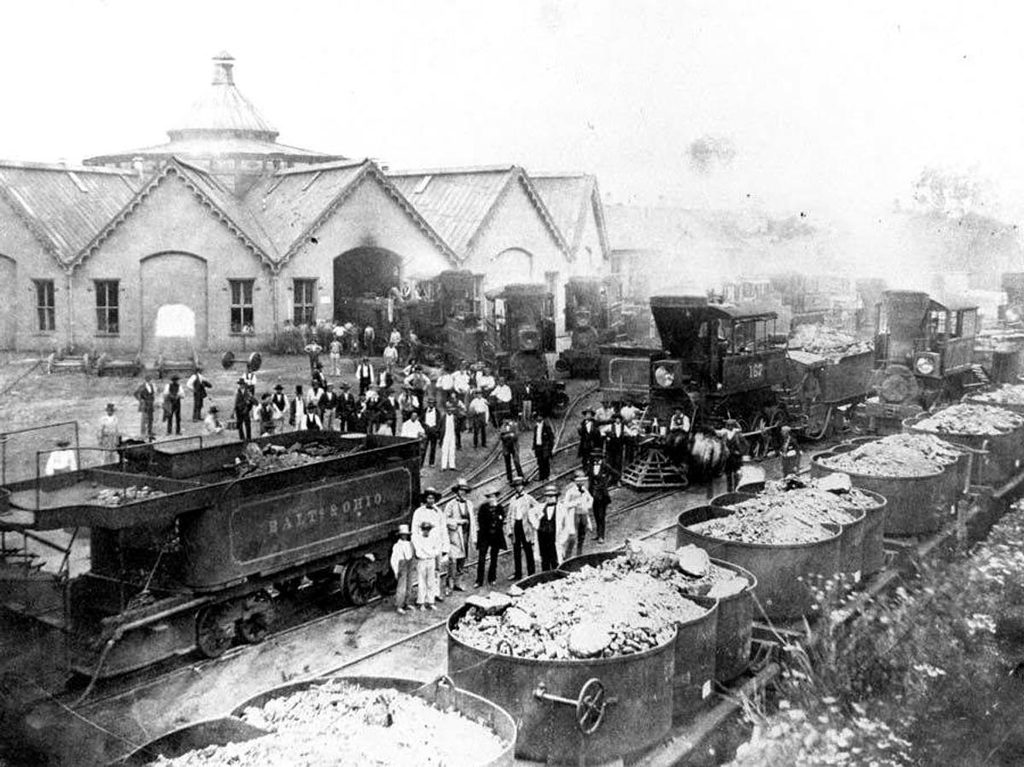
Oct. 18, 1778: Martinsburg was chartered by the General Assembly of Virginia.
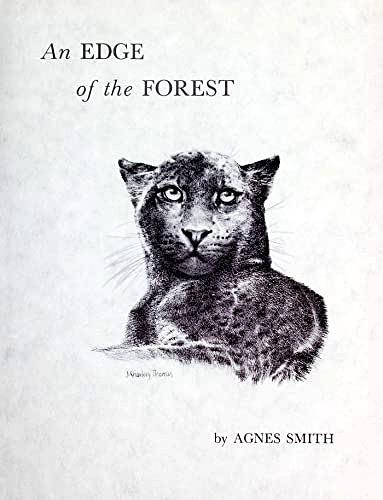
Oct. 18, 1906: Author Agnes Clifford Smith was born in Clarksburg. A graduate of Fairmont State College (now University), her major work was An Edge of the Forest (1959), an allegory about a black lamb.
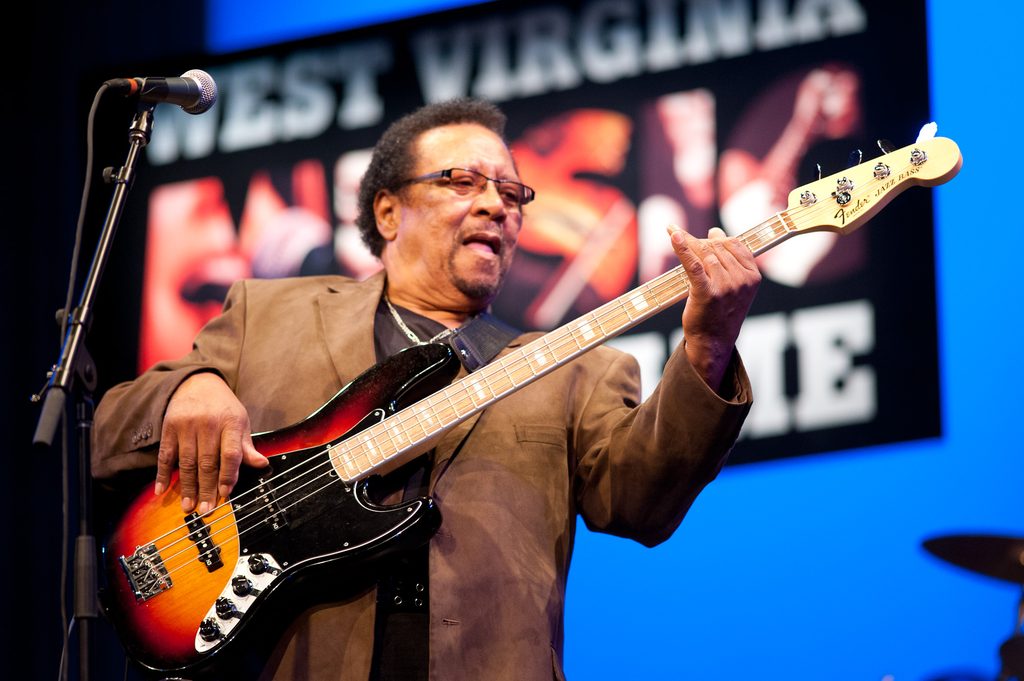
Oct. 18, 1941: William “Billy” Cox was born in Wheeling. He is one of two bassists to have played regularly with legendary guitarist Jimi Hendrix.
October 18, 2021: The International Dark Sky Association named Calvin W. Price State Forest, Droop Mountain Battlefield State Park and Watoga State Park as West Virginia’s first Dark Sky Parks.
Oct. 19, 1894: Historian and illustrator Julius Allan DeGruyter was born in Charleston. A self-taught painter and illustrator, DeGruyter’s art appeared in numerous exhibits and is represented in the collections of the State Museum.
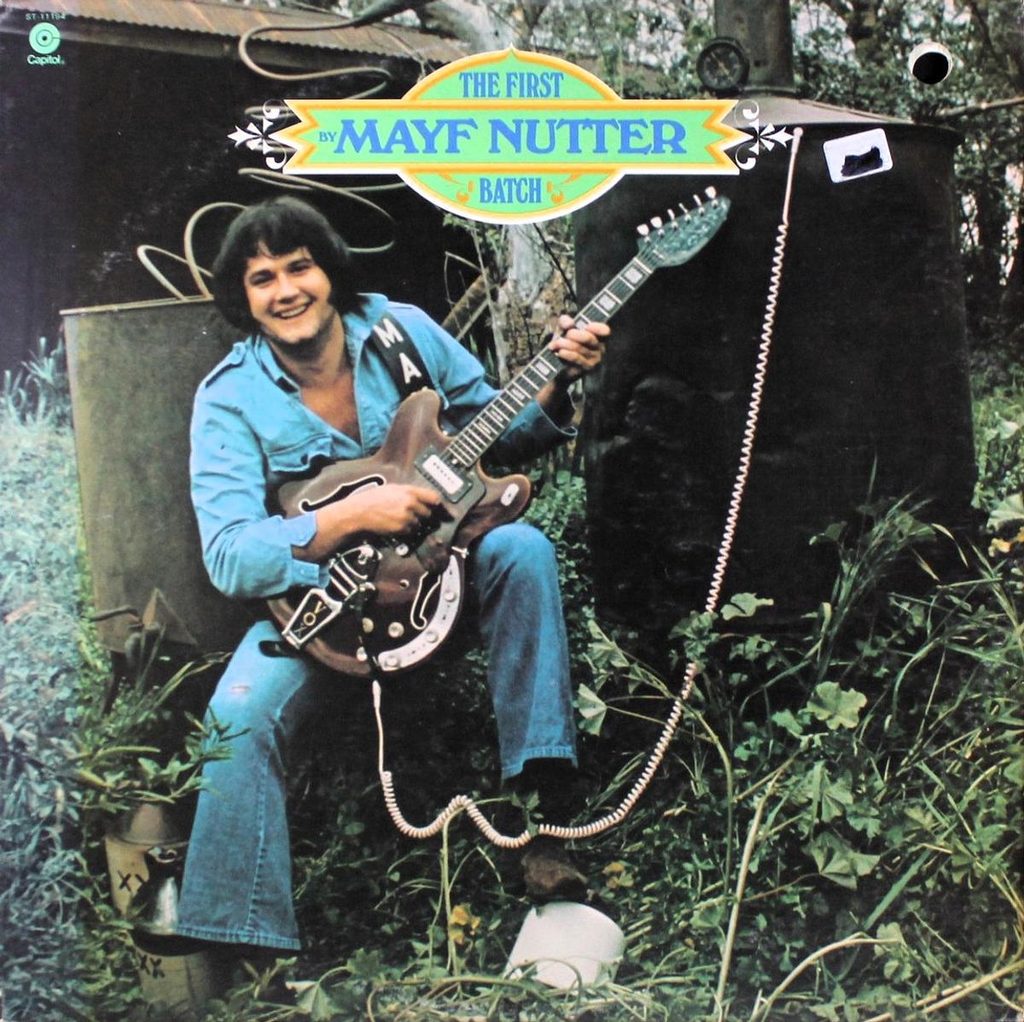
Oct. 19, 1941: Musician and actor Mayfred “Mayf” Nutter was born in Clarksburg. His 1971 song “Simpson Creek” is considered one of the earliest environmental-themed country songs. He is a member of the West Virginia Music Hall of Fame.
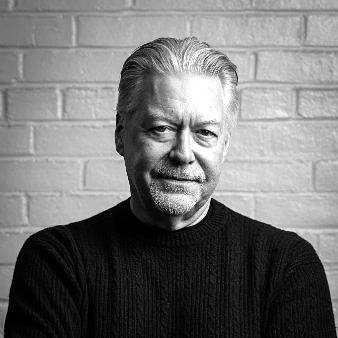
Oct. 19, 1949: Author Richard Currey was born in Parkersburg. His award-winning writing often draws from his own family experiences and life in the hills of West Virginia.
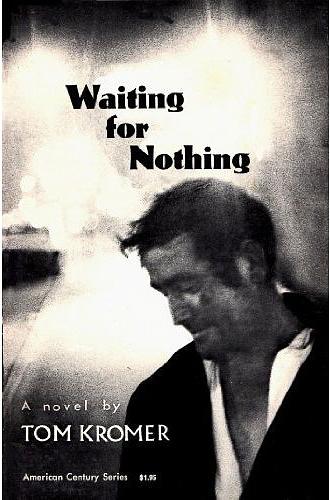
Oct. 20, 1906: Novelist and short story writer Tom Kromer was born in Huntington and also lived at times in Fairmont, Kingwood and Williamstown. He is best-known for his first novel, Waiting for Nothing (1935), which chronicled the plight of the dispossessed during the Great Depression.
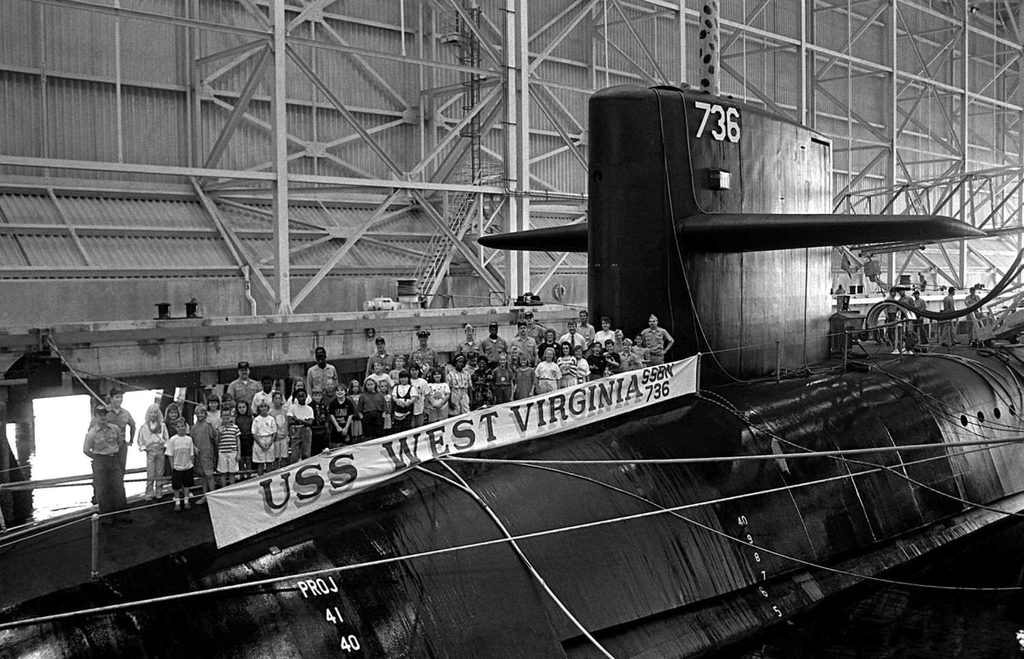
Oct. 20, 1990: The current USS West Virginia (SSBN-736) was commissioned. The USS West Virginia is an Ohio Class Trident ballistic missile submarine that is 560 feet long, 42 feet wide, and displaces 18,750 tons when submerged.
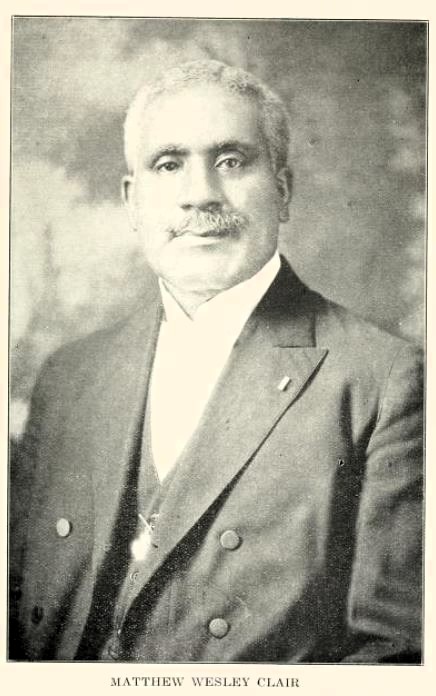
Oct. 21, 1865: Bishop Matthew Wesley Clair Sr. was born in Union. He was one of the first African Americans elected as a bishop in the Methodist Episcopal Church.
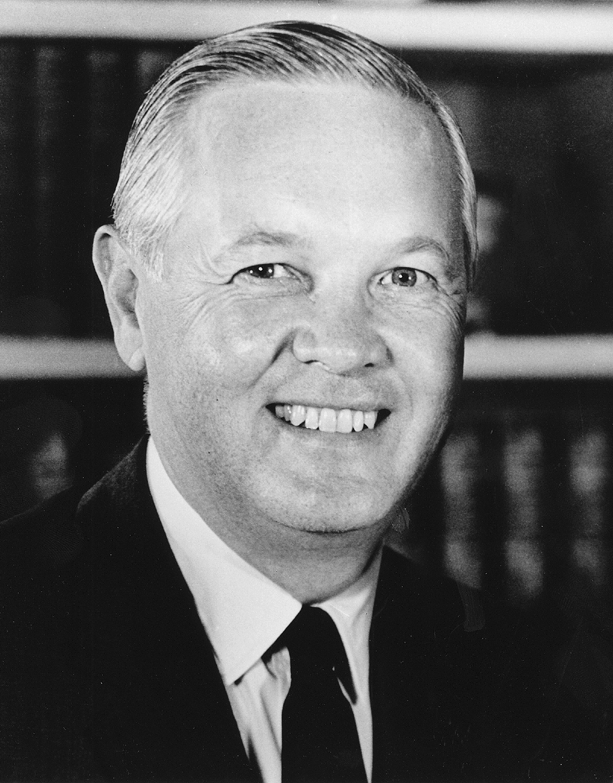
Oct. 21, 1918: Governor Hulett Smith was born in Beckley. In the 1964 gubernatorial primary, Smith carried 53 of the state’s 55 counties, receiving more votes than his three opponents combined.
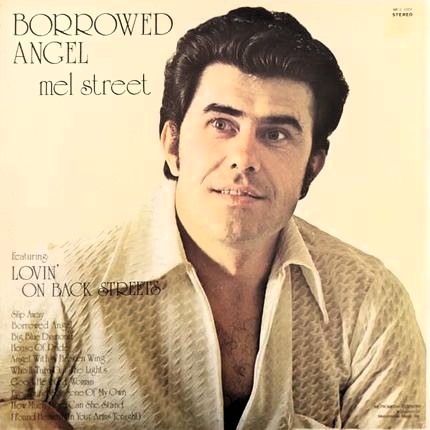
Oct. 21, 1935: Country musician Mel Street was born in Virginia and died by suicide on his 43rd birthday. He gained much of his early experience on radio and TV in Bluefield before making hit recordings such as “Borrowed Angel,” “Lovin’ on the Back Streets” and “Smokey Mountain Memories.”
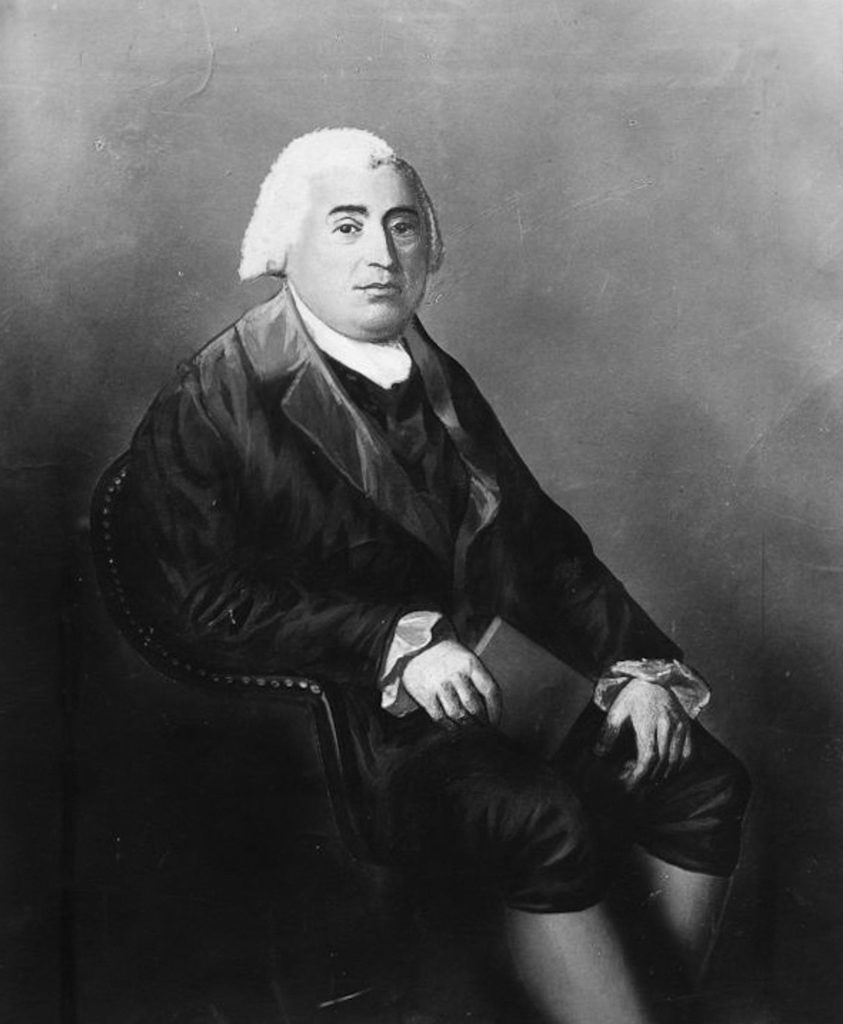
Oct. 22, 1693: Lord Thomas Fairfax was born in Kent, England. He inherited five million acres in Virginia, land that included much of present West Virginia’s Eastern Panhandle.
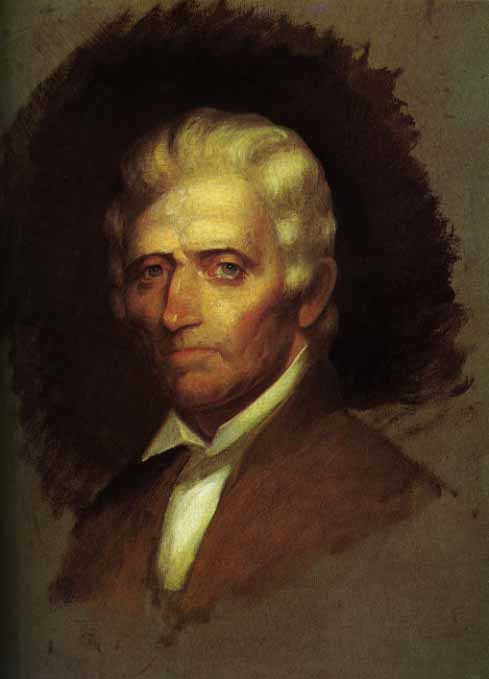
Oct. 22, 1734: Frontiersman Daniel Boone was born in Pennsylvania. In 1788, Boone and his family settled near the mouth of the Kanawha River at Point Pleasant. He represented Kanawha County in the Virginia General Assembly in 1791.
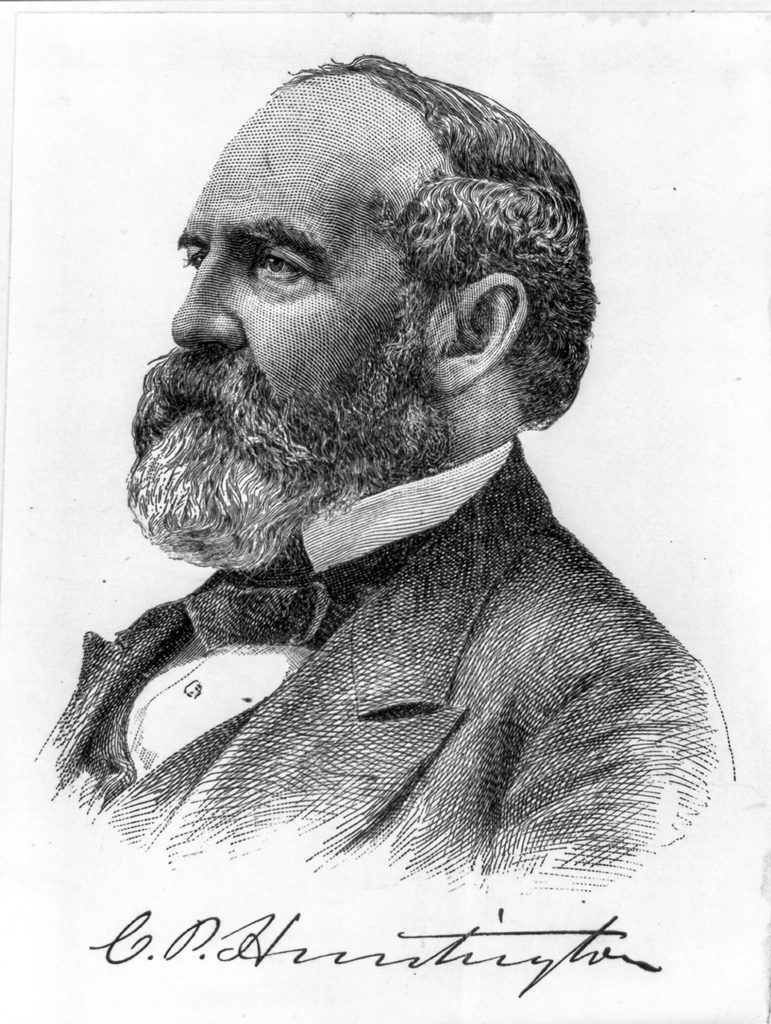
Oct. 22, 1821: Collis P. Huntington was born in Connecticut. In 1869, he purchased the Chesapeake & Ohio Railway and set about extending its tracks from Richmond across southern West Virginia to the Ohio River. There, in 1871, he established a new city bearing his name.
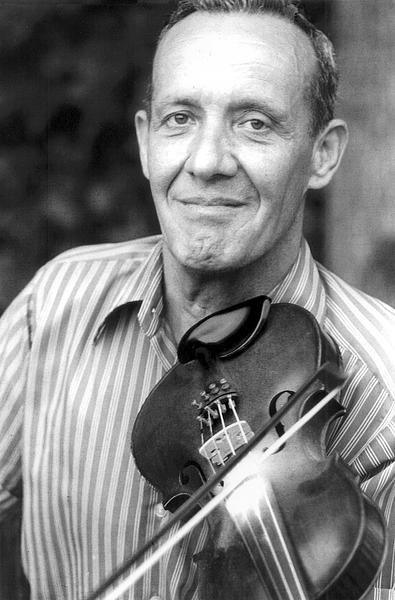
Oct. 22, 1922: Fiddler Wilson Douglas was born in Clay County. Influenced by fellow old-time musician French Carpenter, Douglas developed a unique style of playing that continues to inspire younger generations. In 1992, he received the Vandalia Award, West Virginia’s highest folklife honor.
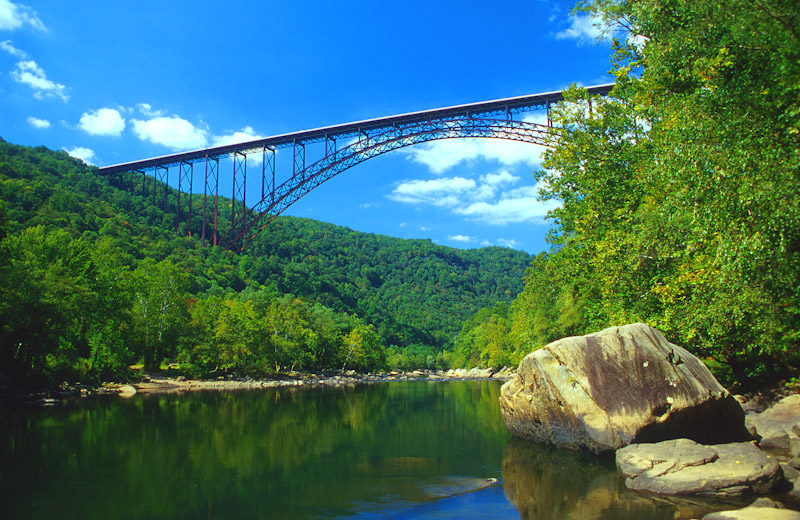
Oct. 22, 1977: Construction of the New River Gorge Bridge was completed after three years of work. The Fayette County bridge is one of West Virginia’s best-known landmarks. It is the third-highest bridge in the United States and has the longest steel span in the Western Hemisphere.
Oct. 23, 1890: The Fast Flying Virginian passenger train wrecked due to a rockslide near Hinton, killing engineer George Alley. It became the source of a folk song known variously as “The Wreck on the C&O,” “Engine 143,” and “The FFV,” among other titles.
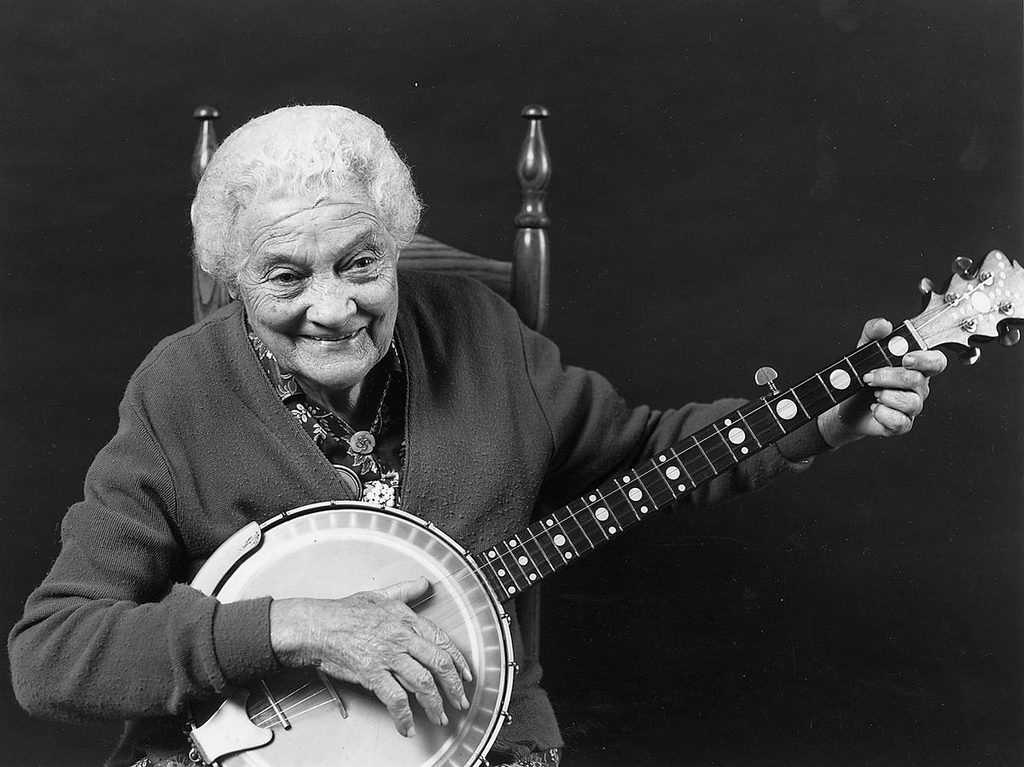
Oct. 23, 1908: Old-time musician Sylvia O’Brien was born in Clay County. She learned the clawhammer banjo style from her brother Jenes Cottrell and gained recognition during the late 20th-century folk revival. In 1989, she received the Vandalia Award, West Virginia’s highest folklife honor.
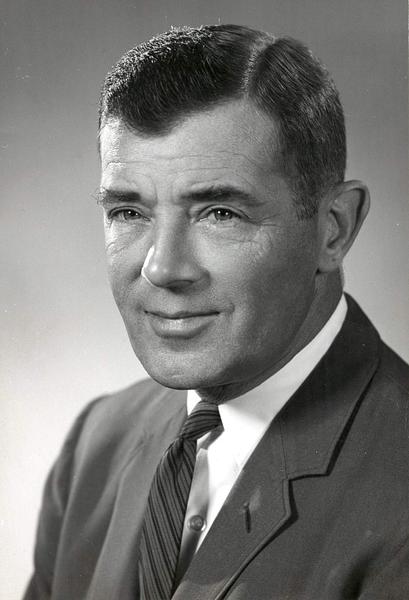
Oct. 23, 1913: In 1975, newspaper journalist Jack Maurice became the first West Virginian to earn a Pulitzer Prize for Journalism for his coverage of the Kanawha County Textbook Controversy.
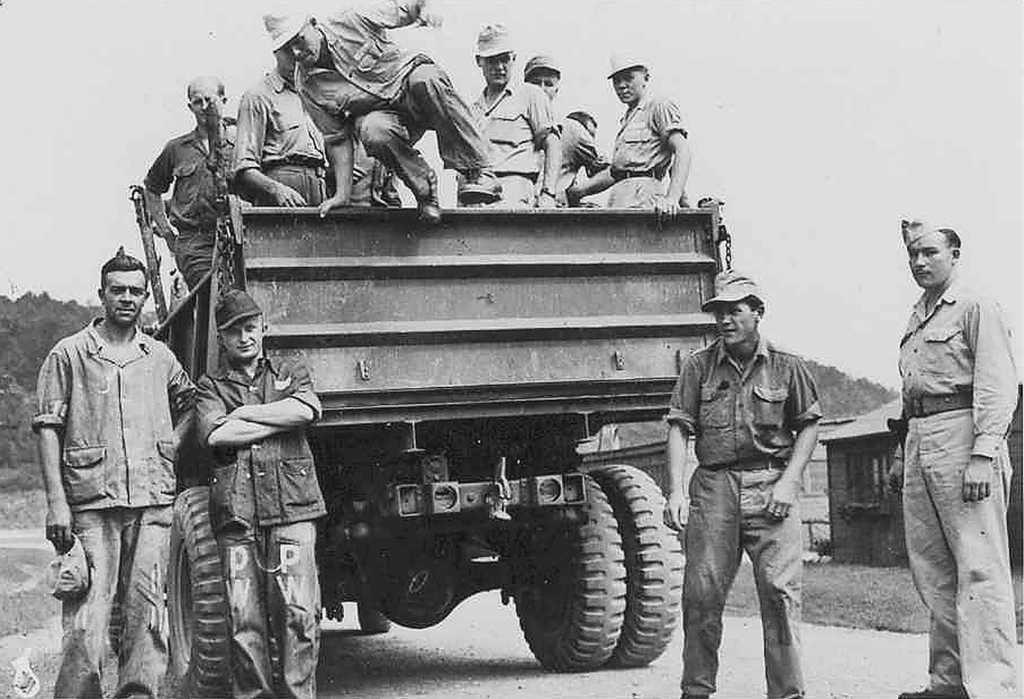
Oct. 23, 1943: German prisoners arrived at Camp Ashford in White Sulphur Springs. Built by the U.S. War Department, Camp Ashford was one of two camps in West Virginia that housed prisoners of war during World War II.
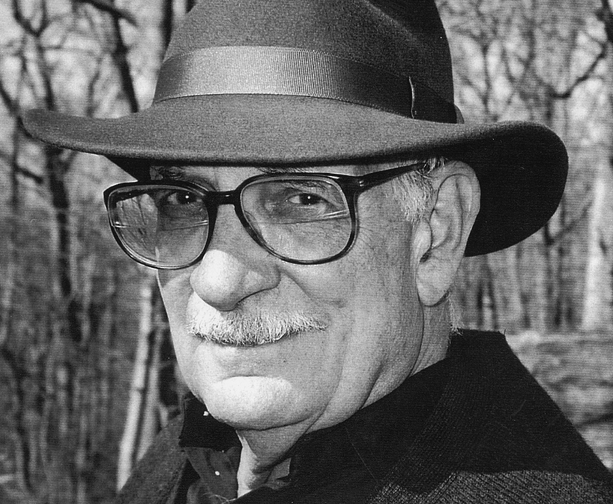
Oct. 24, 1929: Composer George Crumb was born in Charleston. In 1968, Crumb was awarded the Pulitzer Prize for Echoes of Time and the River: Four Processionals for Orchestra.
e-WV: The West Virginia Encyclopedia is a project of the West Virginia Humanities Council. For more information contact the West Virginia Humanities Council, 1310 Kanawha Blvd. E., Charleston, WV 25301; (304) 346-8500; or visit e-WV at www.wvencyclopedia.org.
Author

Related Articles


BLACK BY GOD: BBG documentary premiering at Hot Springs Film Festival
Black By God, a documentary about West Virginia’s Black newspaper, premieres at the 35th Hot Springs Documentary Film Festival. Co-directed by Crystal Good and Ashley York for Firelight Media’s Homegrown series, with executive producer Stanley Nelson, the film follows the BBG newsroom as it tells the stories of Black West Virginia. It arrives as the Black Press marks 200 years.