From El Salvador to the Mountain State: Farm workers search for opportunity in the unknown
By Jenny Harnish, RealWV
EDITOR’S NOTE: This story was produced with support from the Pulitzer Center
When 26-year-old Norma Yamileth Martinez Sandoval and 32-year-old Heidy Marisol Trujillo de Rivera arrived at the Charleston airport after the long flight from El Salvador there was no one to pick them up. They waited and waited until they were asked to leave by the security guard at midnight. They called the consulate in El Salvador and hoped every set of headlights approaching were coming for them.
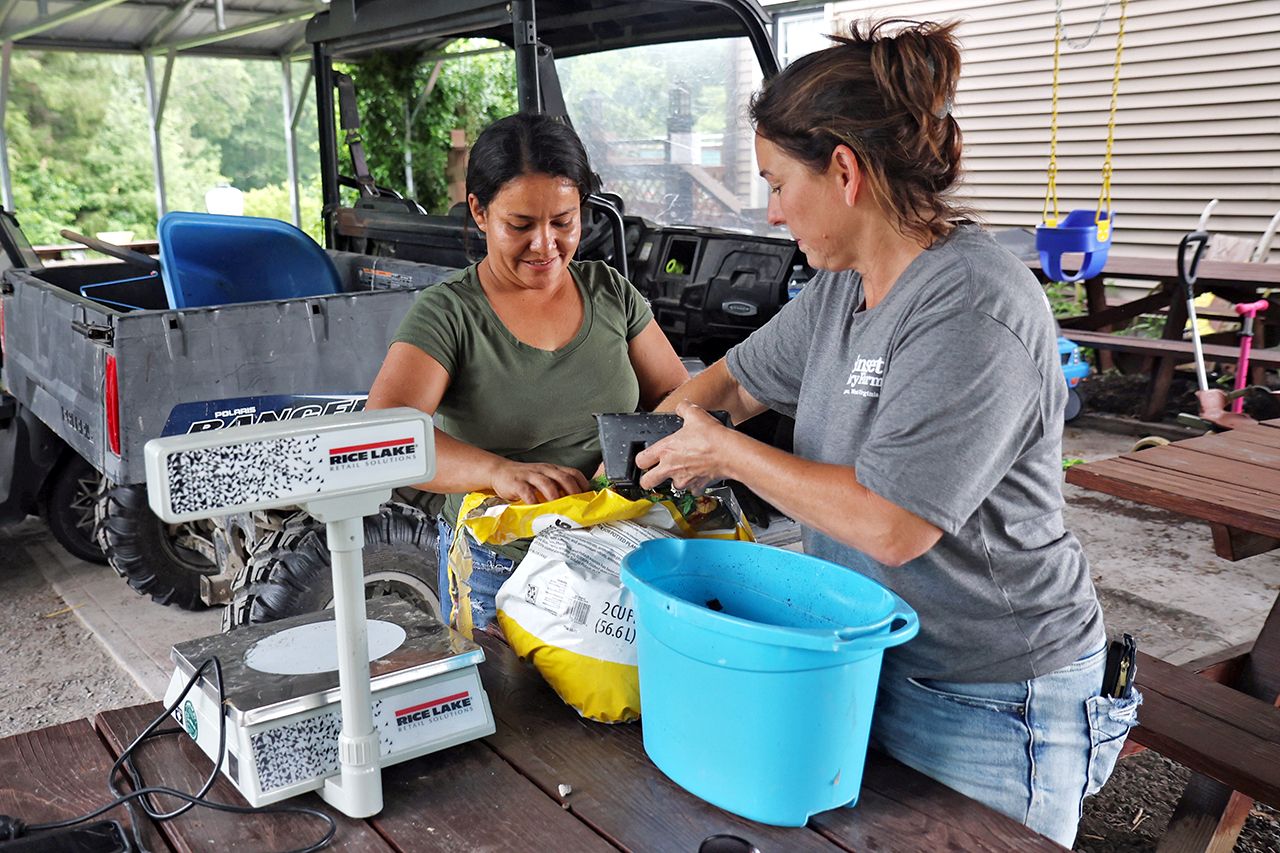
“The contract agency that we paid all those thousands of dollars to forgot to tell us that the girls were on their way,” Sunset Berry Farm owner Jennifer Gilkerson said. “So we had to get up and get dressed and go to the airport.. We got them at like two in the morning and they had already been there for a long, hot while.”
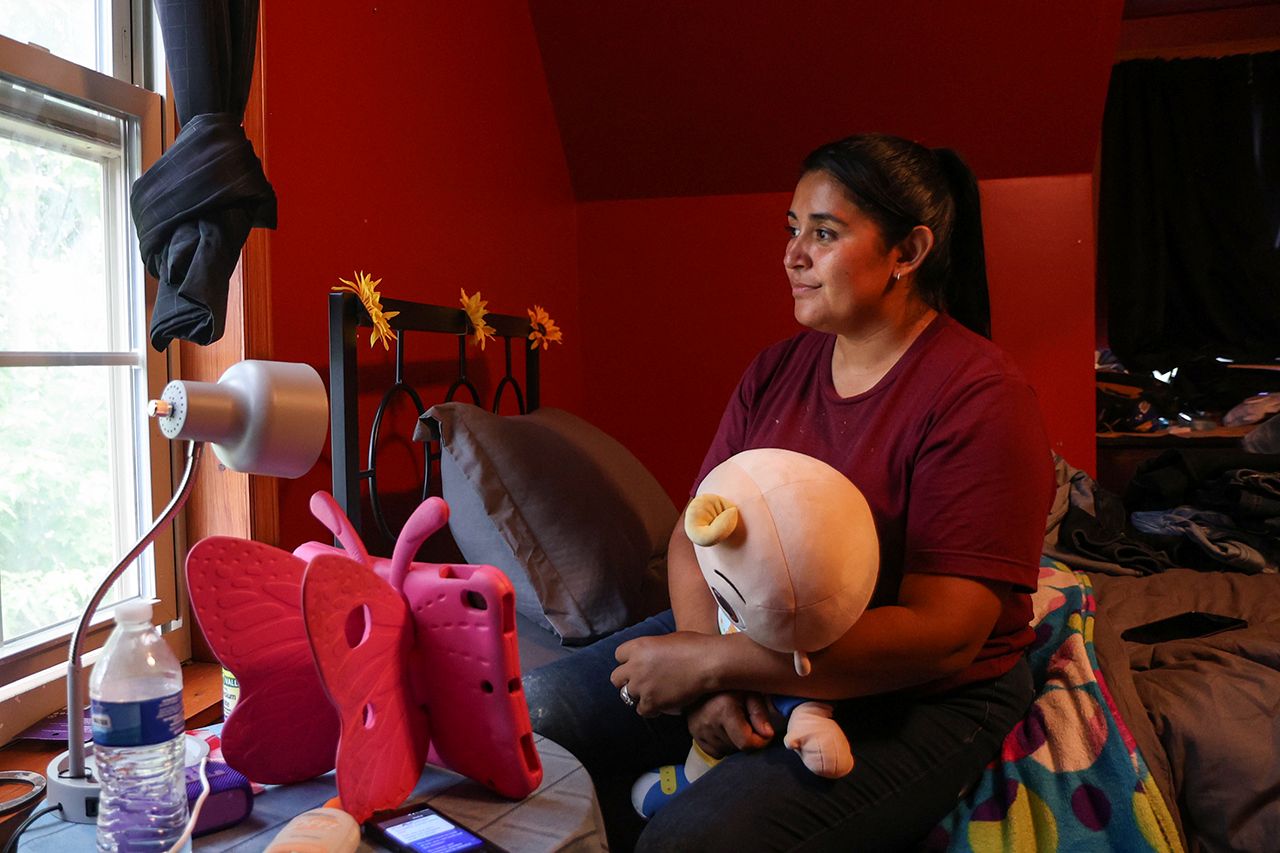
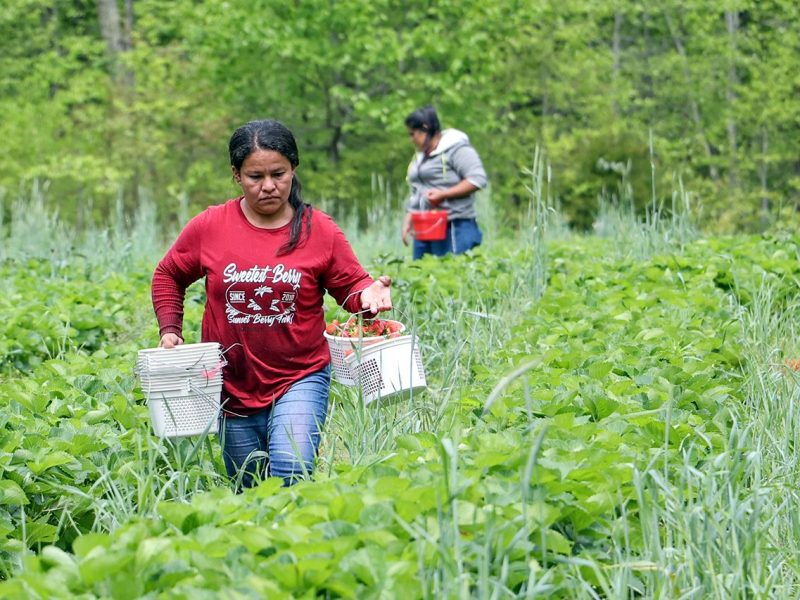
Norma says she can laugh about it now as she sits on the porch on the farm in Alderson, where she has been busy picking strawberries since that day. She shares the upstairs of the farmhouse with Heidy and the two of them have started to feel at home with the Gilkersons.
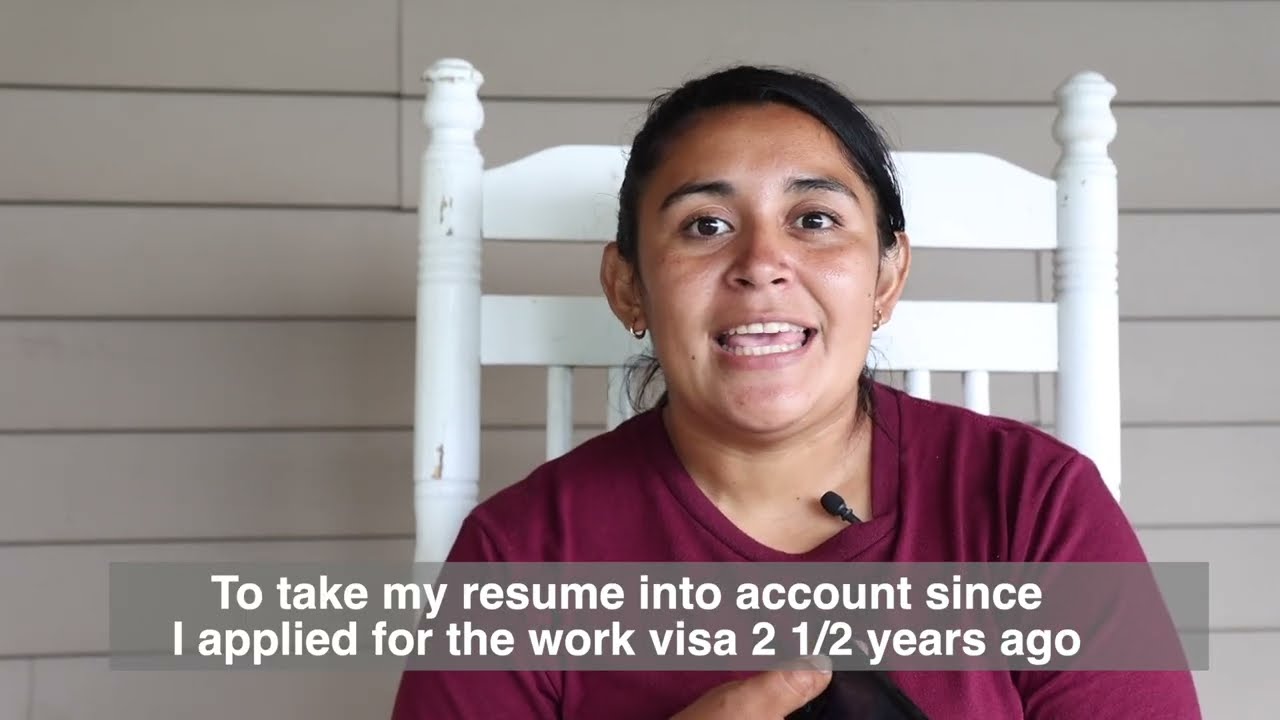
“The reason I decided to apply for a work visa is that the situation in El Salvador is quite critical, it’s quite difficult,” Norma says, speaking Spanish into a language translator device. “My job back home was growing corn, beans, and maize, and sometimes I went to places that grow Taiwanese Guava.” She said farm workers in El Salvador earn approximately $8 a day working from 5:30 a.m. to 12 p.m.
The two women were selected to participate in the H-2A visa worker program, which allows U.S. employers to bring foreign nationals to the United States to fill temporary agricultural jobs. According to the National Council of Agricultural Employees, 315,530 visas were issued in 2024, and 492 of those were to workers from El Salvador.
Both Norma and Heidy said they were surprised and nervous after being selected for the visa program. It had been two and a half years since Norma had applied and eight months for Heidy. Both said they felt extremely lucky, but at the same time had mixed feelings about leaving their families.
Norma has a three year old son and the decision to leave him with family for six months was difficult.
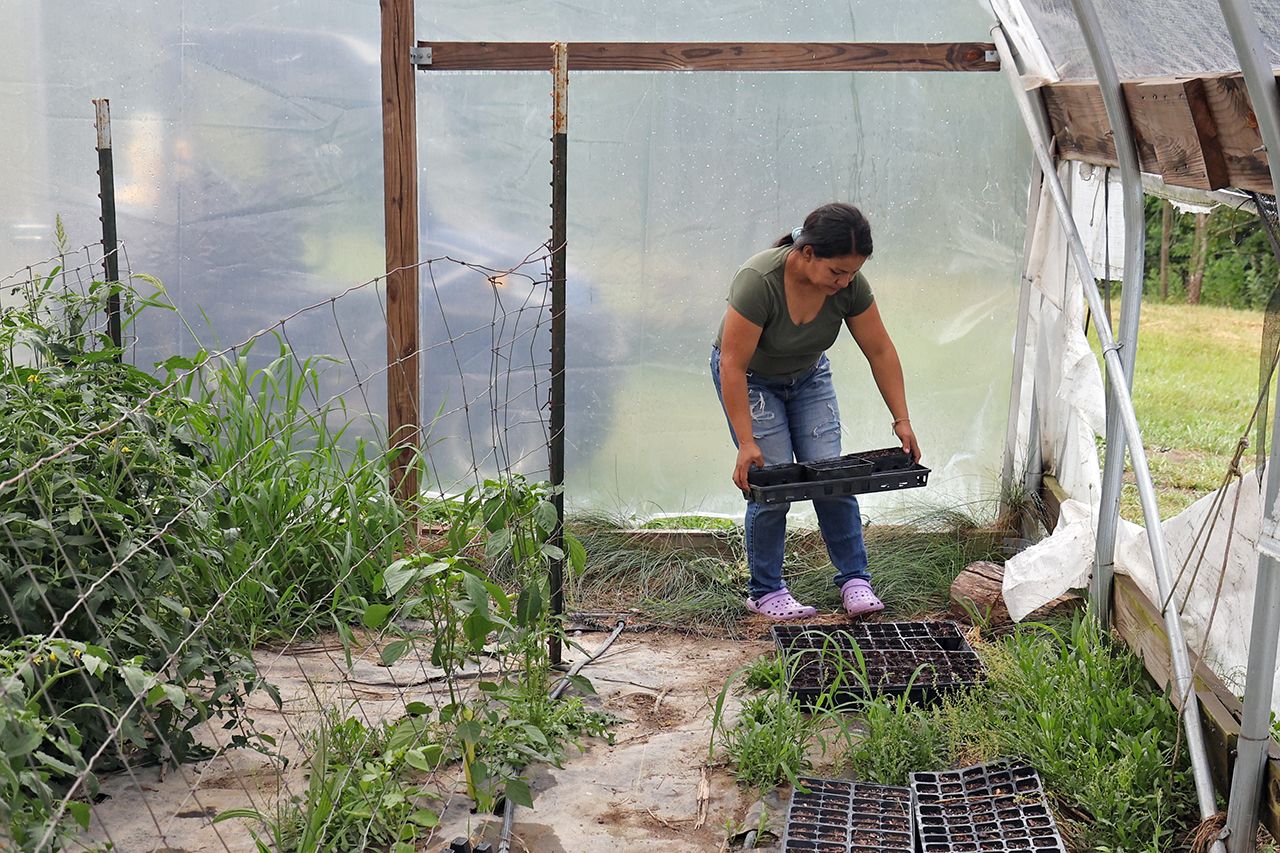
“It was very difficult the day I left him. I cried all day and my soul was broken,” she said. “He is a little boy and it hurts me quite a lot when he tells me ‘Mom, I love you. Mom, I miss you.’
During breaks from work she video calls him on her phone. He pushes a toy tractor around the floor in front of the camera.
‘It’s a slow process – there are days when I feel good and there are days when I feel quite nostalgic,” she said.
Heidy’s son is 14 and she says her decision to leave him for 6 months was to give him a better future. “My dream is to build a home for my son in El Salvador,” she says.
Both women intend to use the money they are earning this summer in West Virginia to build small homes for their families. Heidy’s husband inherited a small lot, but they cannot earn enough to afford to build on it with the salaries they make.
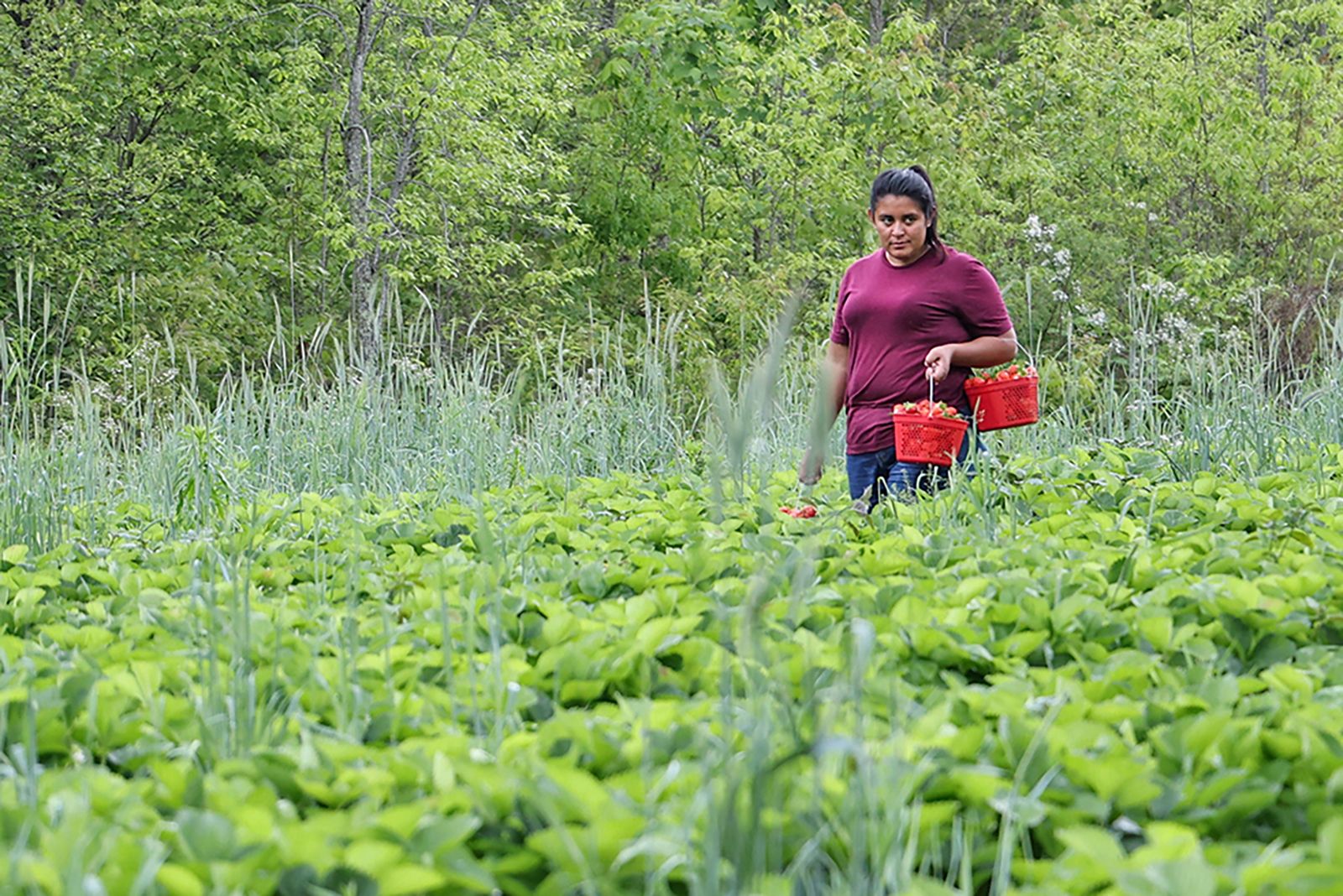
At Sunset Berry Farm they are making $16 per hour plus bonus pay for picking over a certain amount of berries. They can make more in one month working on a farm in West Virginia as they would in an entire year back home. The work is physically demanding but not more than they’re used to back at home.
Gilkerson said they are the hardest and most reliable workers she has ever had on the farm, and adds that it helps that they are living on the property.
In 2024 her farm was chosen to be part of the Labor USDA’s Farm Labor Stabilization and Protection Pilot Grant Program, a grant program that promised to reimburse her $50,000 a year for the cost of hiring and housing two migrant workers for two seasons. She interviewed the workers over a video call and got her home ready to house them before DOGE (Department of Government Efficiency) cut the program and she was stuck with the full cost of the labor agency and their hourly pay.
Strawberry season ran from May through the end of June and this year her crops did well and sold well, but she is still in the hole financially. After paying Heidi, Norma and the farm manager, she is barely breaking even. She is still hopeful the rest of the growing season, which includes green beans, corn, squash, watermelon and peaches will help. Still, she said she has enjoyed having them around.
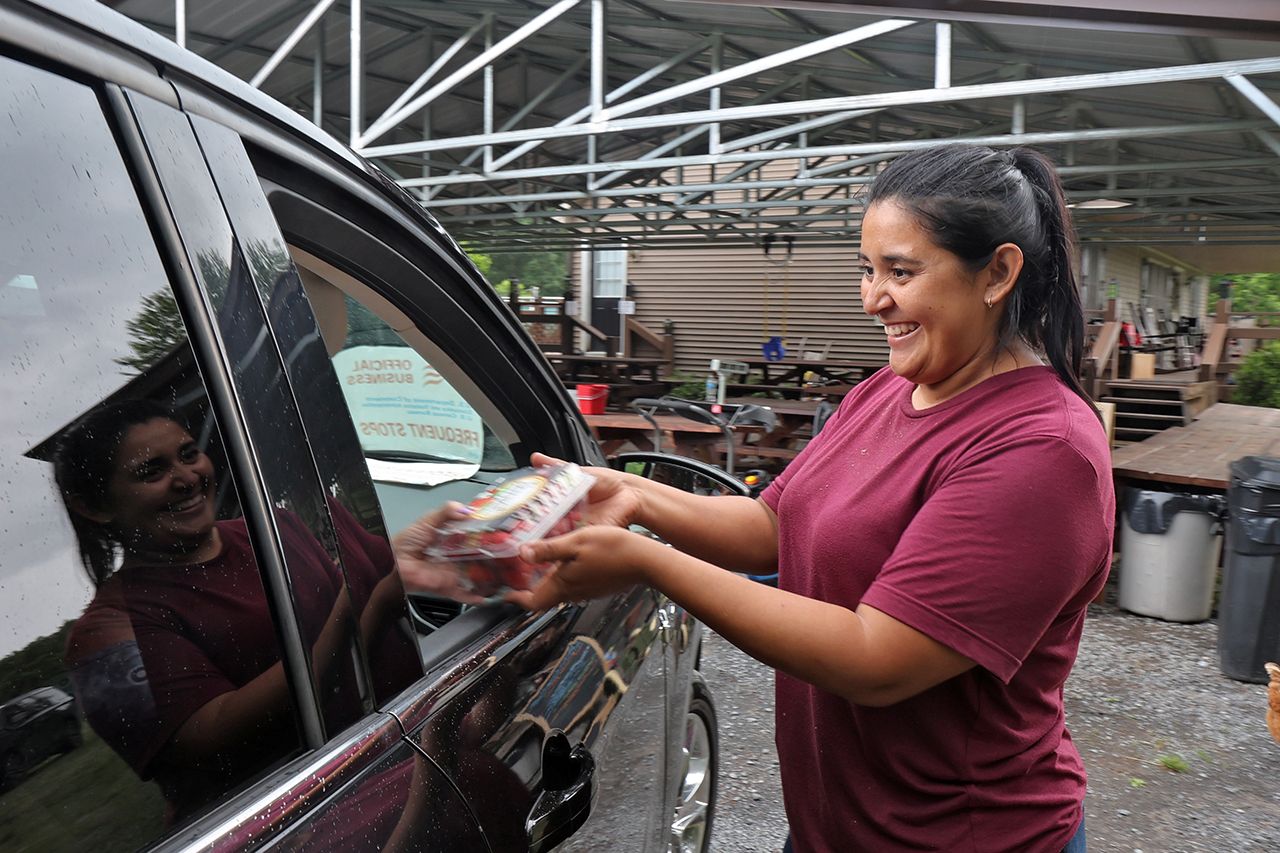
“It was nice to have two people show up at work everyday,” she said. Besides her farm manager, they were the only consistent workers she had during strawberry season. “I thought it would aggravate me to have people in my house but it hasn’t yet.”
Both Norma and Heidy had contracts that would have allowed them to stay for six months but Norma unexpectedly decided to break her contract early and return home in late June. She was too homesick and missed her son. She said she will miss the friendships she made in West Virginia.
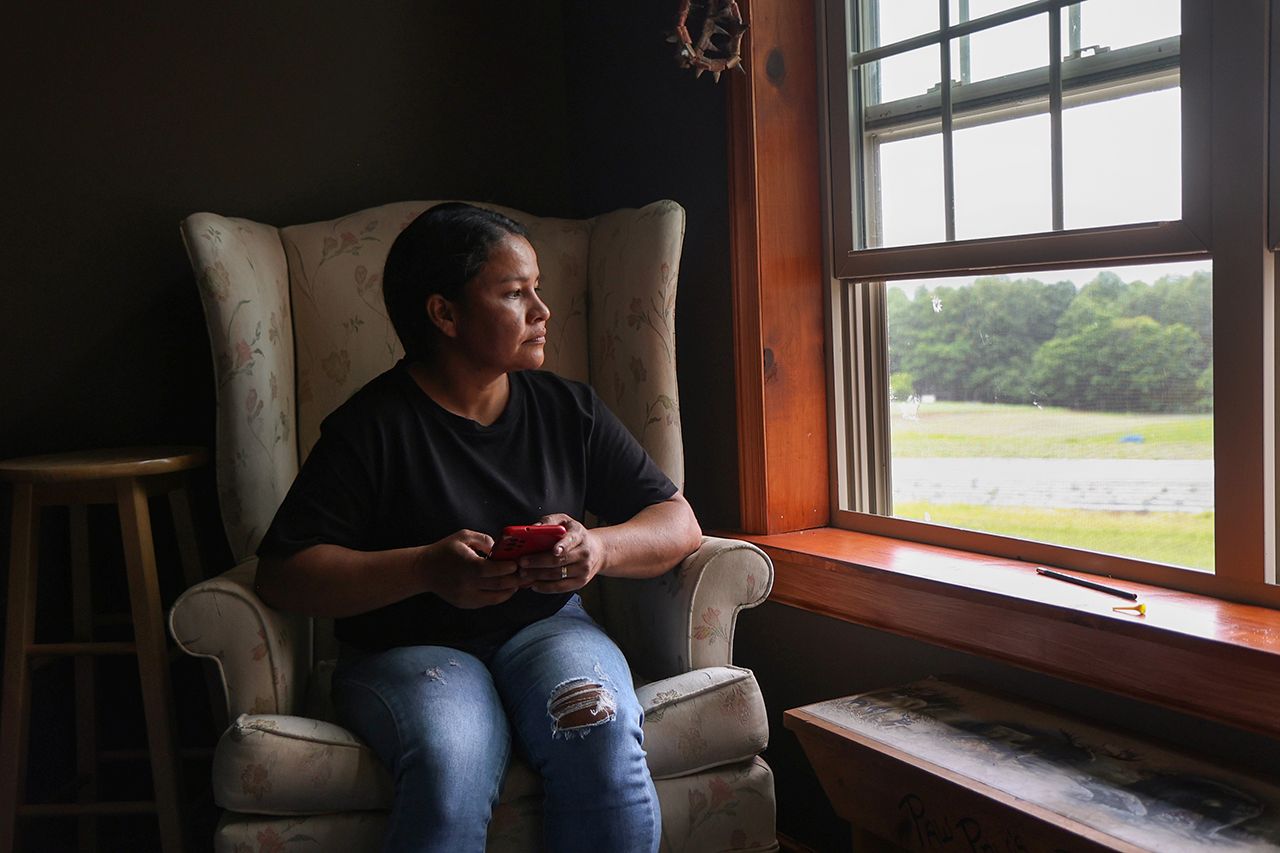
“They have given us a very nice family warmth. They have treated us as part of their family. They have never looked down on us,” she said of Kent and Jennifer Gilkerson.
For Gilkerson her decision to leave early was a relief.
“I was glad that Norma decided to go home. Without the $50,000 it’s stressful to come up with the money to pay them every week. The whole month of July we could have handled it ourselves so I was going to have to pay them when we really didn’t need them.”
She is hoping the late season crops do well and she can continue to pay Heidi until the end of August.
“That’s what I learned – it’s not about me. It’s not about my farm. I learned that there are things more important than just making money – like other people who need money to buy their medicine. Heidi needs medicine for her mother, she told me the other day she was able to buy the medicine for her mother.”